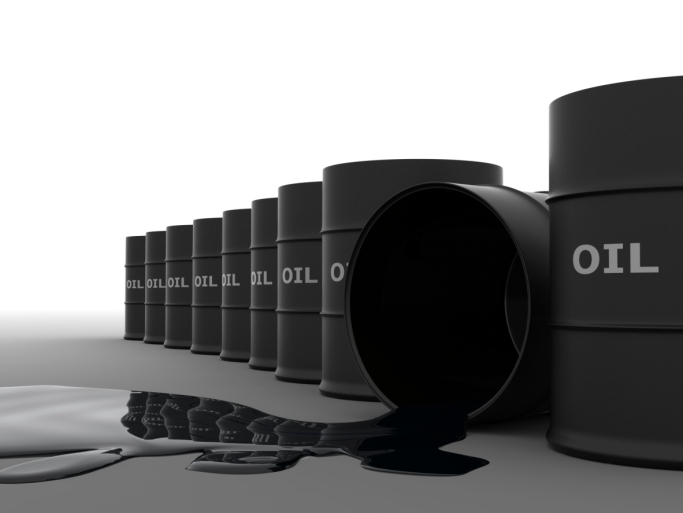
Oil Prices — Whatever Happened to Fracking?

Photo of Douglas A. McIntyre
By Douglas A. McIntyre Published
This post may contain links from our sponsors and affiliates, and Flywheel Publishing may receive compensation for actions taken through them.

The recent spike in the price of oil shows how quickly day-to-day worries about supply make longer-term supply issues academic. After months of comments and analysis about how shale and fracking should forever alter supply and demand, particularly in America, the optimism has been buried by Middle East trouble and an analysis of tightening supply. The future predictions about fossil fuels have not done much for the present.

Among the most powerful culprits blamed for the run-up in oil prices, so that they now approach $105 per barrel, are comments by the International Energy Agency that demand will rise by 1.2 million barrels a day in 2014, and a realization that political and social problems in Egypt could spread to oil-producing nations in the region. These threats, along with others to supply and forecasts of demand, have taken crude from $90 fewer that 90 days ago to current levels.

The rise in oil prices has prompted forecasts that gas prices in the United States could move toward $4 for a gallon of regular nationwide. That, in turn, could undermine the very modest growth in the economy. After nearly a year of belief that falling oil prices would grease GDP improvement, that matter has been thrown into reverse.

The U.S. Energy Information Administration and the International Energy Agency have each predicted that America will pass Saudi Arabia and Russia as the world’s largest oil producer within five years, according to The Boston Globe. Even OPEC has shuddered at the specter of a sharp rise in U.S. production and its eventual effects on global oil prices. But since these factors may not change the dynamic of supply and demand for several years, they have been pushed off the front pages as crude crossed the $100 barrier on it way up.

Fracking may make it back to the center of the discussion about oil prices, but it will take a cool-down of trouble in the Middle East and ample evidence that shale can be refined and transported effectively, as well as that demand will not unexpectedly rise worldwide in upcoming years.

Photo of Douglas A. McIntyre
About the Author Douglas A. McIntyre →

Douglas A. McIntyre is the co-founder, chief executive officer and editor in chief of 24/7 Wall St. and 24/7 Tempo. He has held these jobs since 2006.

McIntyre has written thousands of articles for 24/7 Wall St. He is an expert on corporate finance, the automotive industry, media companies and international finance. He has edited articles on national demographics, sports, personal income and travel.

His work has been quoted or mentioned in The New York Times, The Wall Street Journal, Los Angeles Times, The Washington Post, NBC News, Time, The New Yorker, HuffPost USA Today, Business Insider, Yahoo, AOL, MarketWatch, The Atlantic, Bloomberg, New York Post, Chicago Tribune, Forbes, The Guardian and many other major publications. McIntyre has been a guest on CNBC, the BBC and television and radio stations across the country.

A magna cum laude graduate of Harvard College, McIntyre also was president of The Harvard Advocate. Founded in 1866, the Advocate is the oldest college publication in the United States.

TheStreet.com, Comps.com and Edgar Online are some of the public companies for which McIntyre served on the board of directors. He was a Vicinity Corporation board member when the company was sold to Microsoft in 2002. He served on the audit committees of some of these companies.

McIntyre has been the CEO of FutureSource, a provider of trading terminals and news to commodities and futures traders. He was president of Switchboard, the online phone directory company. He served as chairman and CEO of On2 Technologies, the video compression company that provided video compression software for Adobe’s Flash. Google bought On2 in 2009.

Featured Reads

Our top personal finance-related articles today. Your wallet will thank you later.

Continue Reading

Top Gaining Stocks

CBOE Vol: 1,568,143
PSKY Vol: 12,285,993
STX Vol: 7,378,346
ORCL Vol: 26,317,675
DDOG Vol: 6,247,779

Top Losing Stocks

LKQ
LKQ Vol: 4,367,433
CLX Vol: 13,260,523
SYK Vol: 4,519,455
MHK Vol: 1,859,865
AMGN Vol: 3,818,618