



The decline is the result of the both the weak global economy, which the IEA thinks will continue to grow only modestly, and lower demand due greater energy efficiency. The agency does not forecast the price of oil five years down the road, but does say that geopolitical risk has become “a concrete and immediate possibility.”
The IEA also expects demand growth from developing countries to outpace demand growth from developed nations as soon as 2014.
The IEA is looking to two regions to meet the growing demand for crude: North America and Iraq. Libya also figures to increase its production. In a report released earlier this week, the IEA expects Iraqi production to account for 45% of crude production growth through 2020. The Iraqi government expects to be producing 15 million barrels a day by 2022, an estimate that the IEA thinks is unrealistic. The IEA expects Iraqi production to reach about 8.3 million barrels a day by 2035.
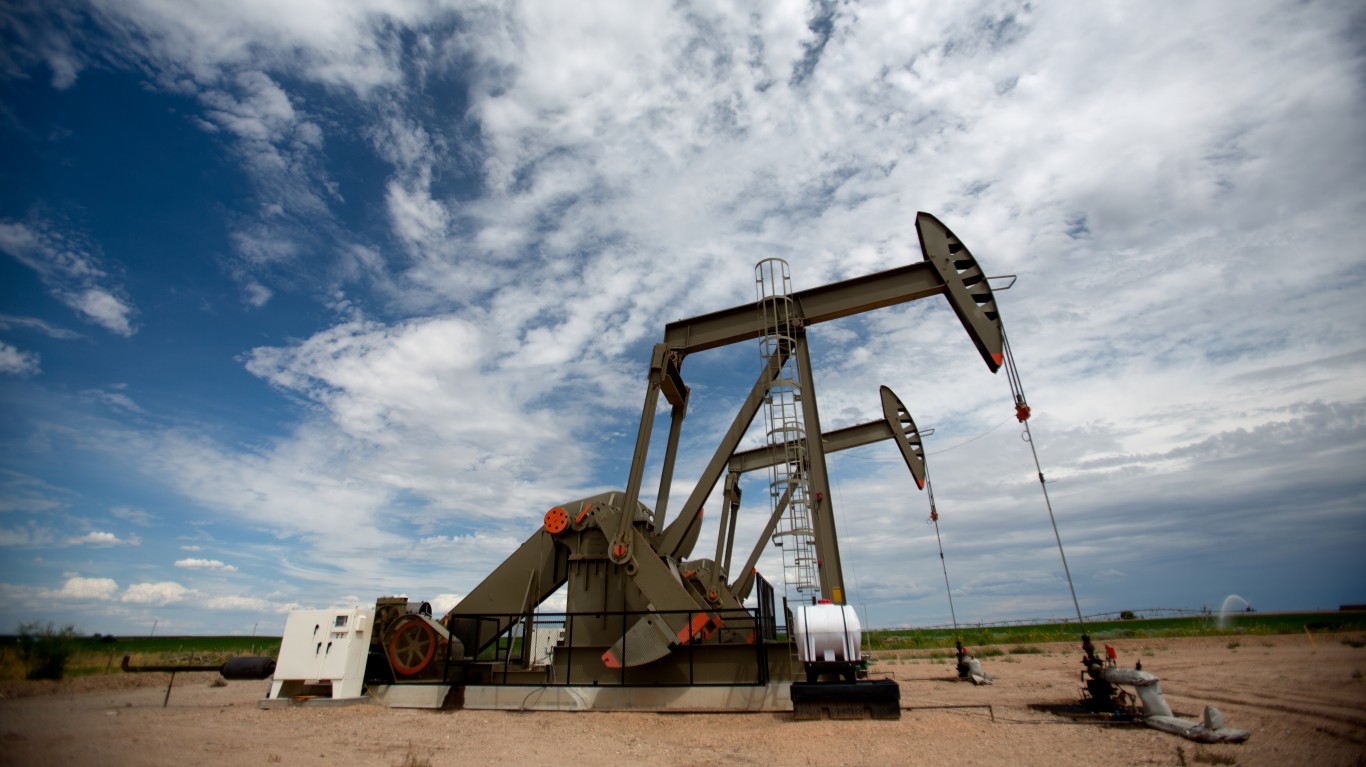
If the IEA is right about Iraq’s production growth, then North America will be the growth engine for crude supplies. The Canadian oil sands and the tight shales of the U.S. are “expected to more than offset decline rates and outages elsewhere as well as the continued impact of international sanctions on Iran.”
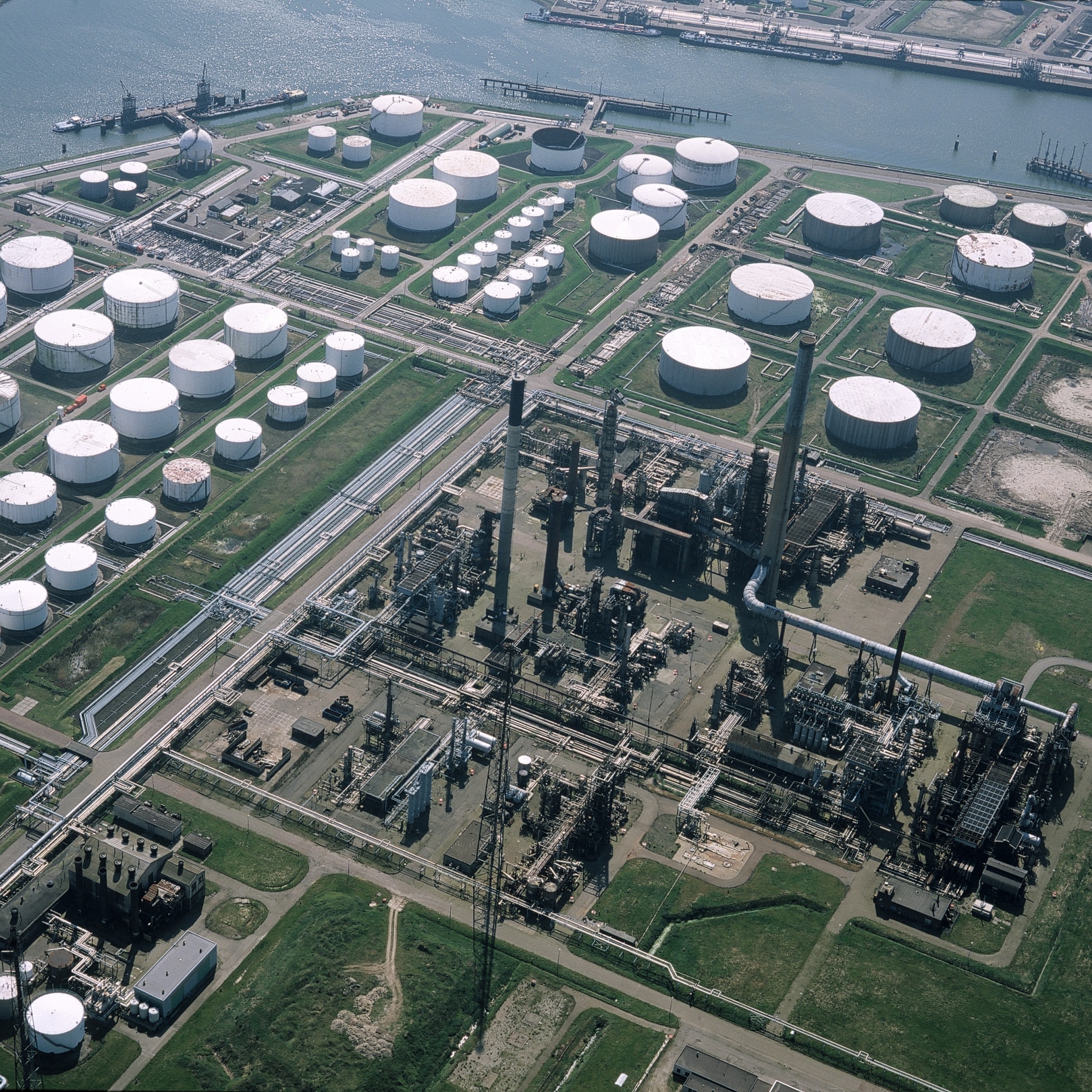
On the refining front, the IEA says refining capacity is being “rebalanced,” with capacity growing in Asia and the Middle East as it declines in the developed nations of the OECD. And as for global trade in crude:
Internationally traded crude volumes are expected to decline sharply, as rising domestic production reduces North America’s import needs and more Middle East oil is kept at home to satisfy growing regional demand rather than exported. Product trade may grow in both volume and scope, however.
Paul Ausick






 Top Gaining Stocks
 Top Losing Stocks