


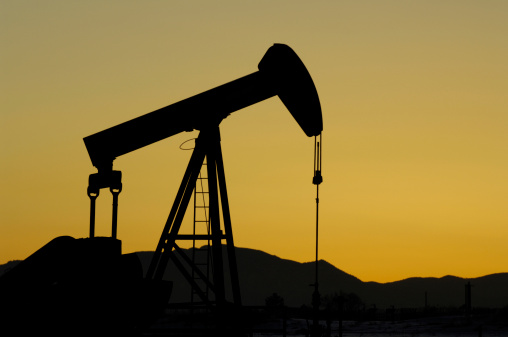
Is demand picking up, is supply drying up or is something else going on? Daily price movements like this are generally attributed to speculation that demand is, or will be, increasing. While it is true that supply, at least in the United States, is shrinking, the decline is slow and certainly not enough to offset the expected supply increase if and when Iranian oil comes to market.
The U.S. Energy Information Administration (EIA), the International Energy Agency (IEA) and the Organization of the Petroleum Exporting Countries (OPEC) all see demand in 2015 rising by around 1.5 million barrels a day compared with 2014. Demand is expected to rise by a little less, say 1.4 million barrels a day, in 2016.
ALSO READ: Oppenheimer Upgrades 2 High-Yielding MLPs Despite Ugly Sector View
The demand growth is expected to come primarily from China and the United States. Low pump prices for gasoline have encouraged Americans to drive more and buy more vehicles that have lower fuel-efficiency ratings.
In China, demand has been propped up by additions to the country’s strategic reserves. The country plans to construct storage for a reserve of 500 million barrels by 2020 and, according to a report from Bloomberg News, China has salted away 200 million barrels so far.
But the Chinese only buy when prices are low. That means that as prices rise they cut or stop purchases for their reserves, effectively causing the price to fall again. On top of that, new demand for oil is in decline as the economy cools down.
As a result, the longer-term outlook is for crude prices to decline, and all those short futures positions need to be covered to stay in the money. Oil market participants (producers, refiners, etc.) and hedge funds increased their short positions in the seven-day period ending September 29, and when the Commitment of Traders report is released later on Friday, we could see another increase in short positions that will have to be covered as well.
WTI backed off its early morning high to trade around $49.70, and Brent trades down about 0.3% at around $52.90.
ALSO READ: Which Exploration Companies Can Still Win Under Low Oil Prices?







 Top Gaining Stocks
 Top Losing Stocks