


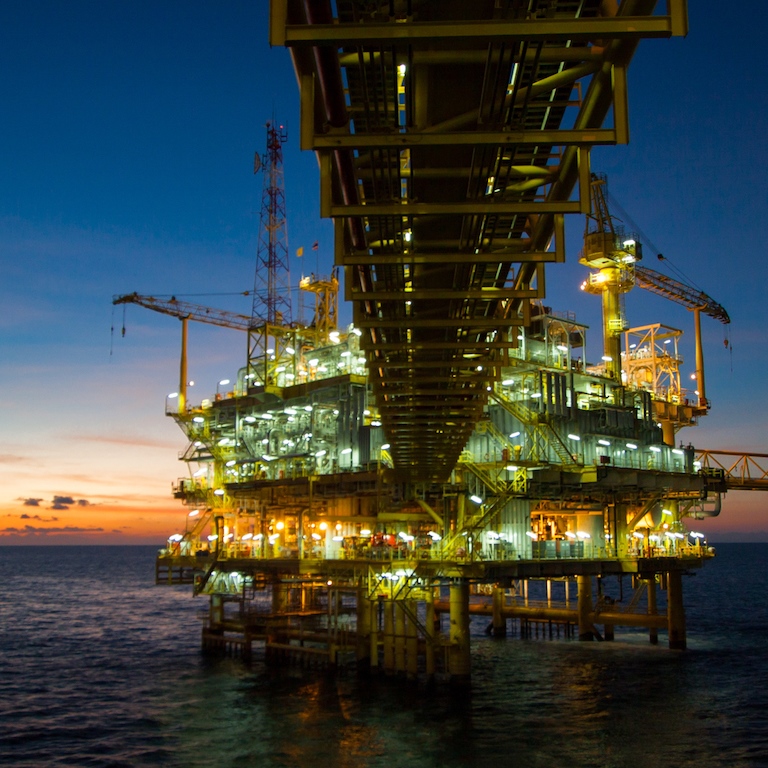
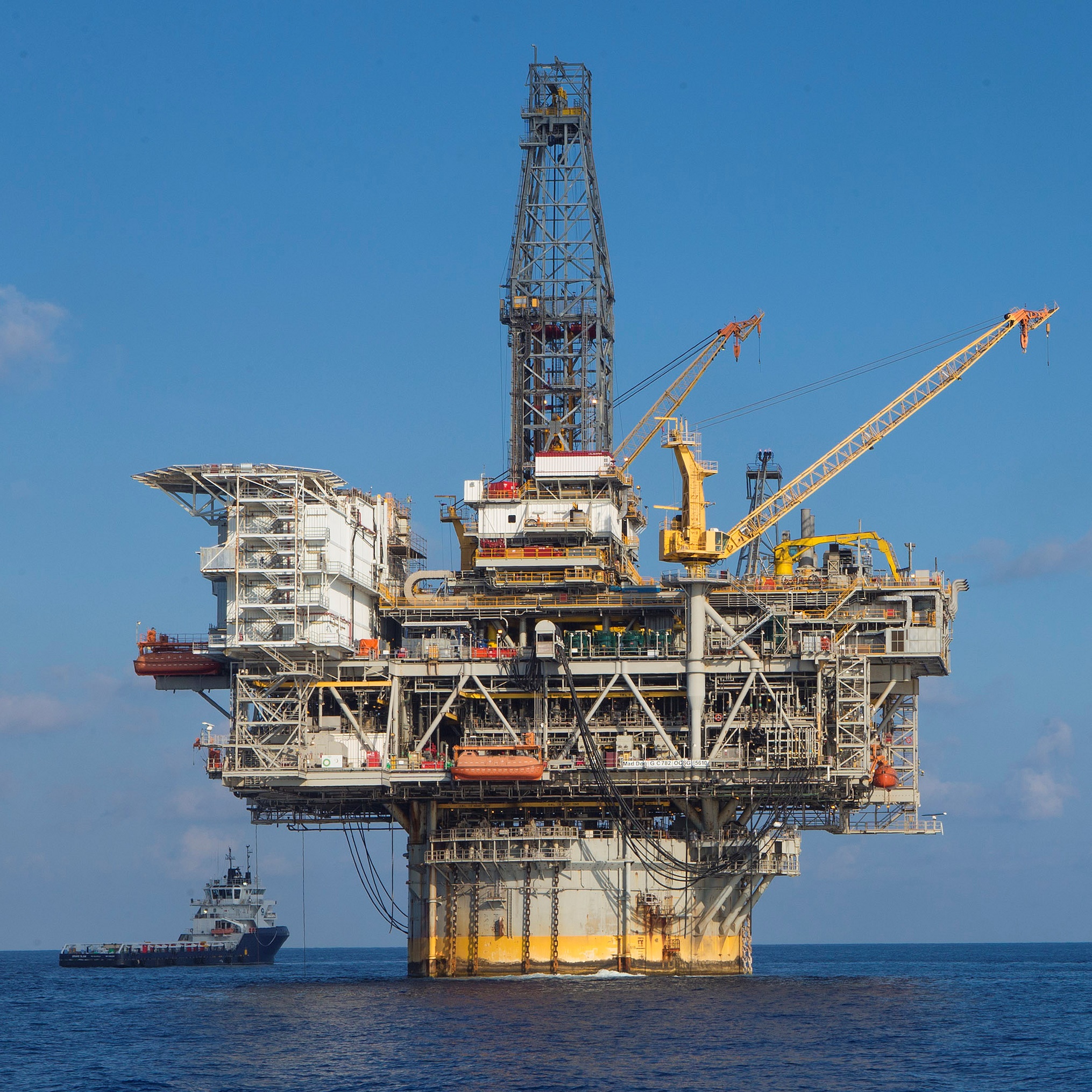
On Tuesday, U.S. Secretary of the Interior, Ryan Zinke, announced the largest ever proposed lease sale for U.S. Gulf of Mexico oil and gas drilling. Nearly 77 million acres of federal Gulf waters offshore of Texas, Louisiana, Mississippi, Alabama and Florida are included. The lease sale is scheduled for March 2018.
In August the Bureau of Ocean Energy Management (BOEM) concluded an offer of some 76 million acres that resulted in 99 bids on just over half a million acres with high bids totaling $121 million.
There is little reason to believe that the March sale will turn out much better.
According to the announcement, the estimated amount of resources projected to be developed as a result of the proposed regionwide lease sale ranges from 0.21 billion to 1.12 billion barrels of oil and from 0.55 trillion to 4.42 trillion cubic feet of gas. Most of the activity (up to 83% of future production) from the proposed lease sale is expected to occur in the Central Planning Area.
[nativounit]
The blocks on offer are located from three to 230 miles offshore in the Gulf, with water depths ranging from nine feet to more than 11,115 feet.
Low crude oil prices have sharply reduced spending on offshore projects that can cost billions of dollars over several years of development. Lower spending limits the availability of quality deepwater assets available for merger and acquisition (M&A) deals. Lacking these assets makes it more difficult for exploration and production companies to acquire assets to develop or de-risk their portfolios.
Research firm IHS Markit on Tuesday released a new report noting that since 2006, offshore discoveries have accounted for 69% of new oil and gas volumes discovered between 2006 and 2017, yet only 16% of global transaction activity — valued at $300 billion — has involved offshore resources.
Cindy Giglio of IHS Market explained:
Low oil prices have significantly reduced operator spending on exploration—particularly in the deepwater, which is very costly. This means fewer deepwater discoveries are made, and even fewer world-class assets become available for sale or acquisition. As a result, those quality deepwater assets that do become available are commanding premium prices.
Giglio also noted the absence of activity in the U.S. Gulf:
Offshore M&A activity in the U.S. has virtually stalled. In the Gulf of Mexico, this reflects the stronger interest in onshore unconventionals; more stringent regulations in the post-Macondo era; and low oil and gas prices that have reduced the number of potential M&A participants.
[recirclink id=418805]
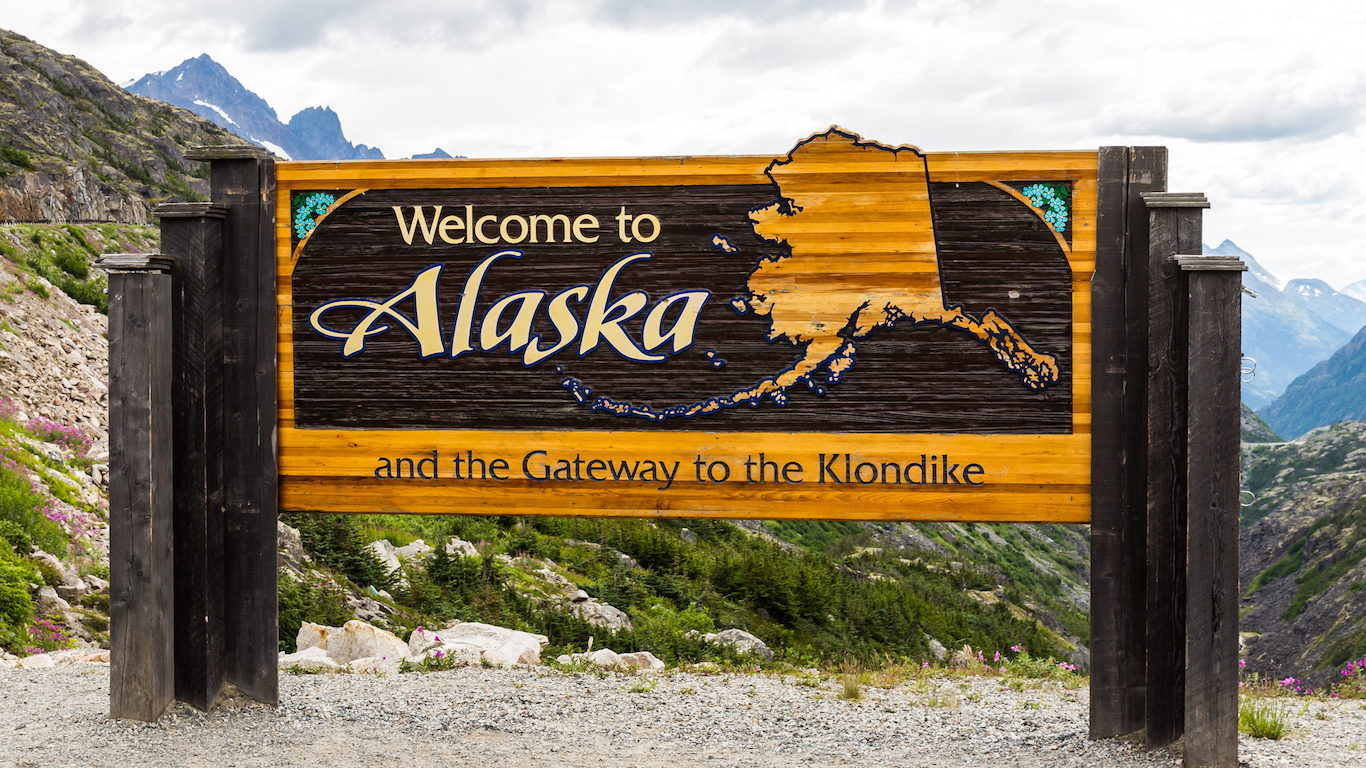
The U.S. House on Thursday approved the Senate fiscal 2018 budget plan, which includes a provision that would open the coastal plain of the Arctic National Wildlife Refuge (ANWR) in Alaska to exploratory drilling, so we are likely to find out soon how much interest there is in drilling in ANWR. The harsh environment only adds to the difficulty and cost of getting the oil out of the ground. That does not mean that, given the right incentives, some company won’t try.
The BOEM estimates that the entire U.S. OCS (outer continental shelf) contains about 90 billion barrels of undiscovered technically recoverable oil and 327 trillion cubic feet of undiscovered technically recoverable gas. The Gulf of Mexico OCS, covering about 160 million acres, has technically recoverable resources of over 48 billion barrels of oil and 141 trillion cubic feet of gas.
Estimates for technically recoverable ANWR coastal plain reserves range from 10.6 billion to 14.0 billion barrels of oil. That area is about 10% of ANWR’s total land area.
[wallst_email_signup]





 Top Gaining Stocks
 Top Losing Stocks