


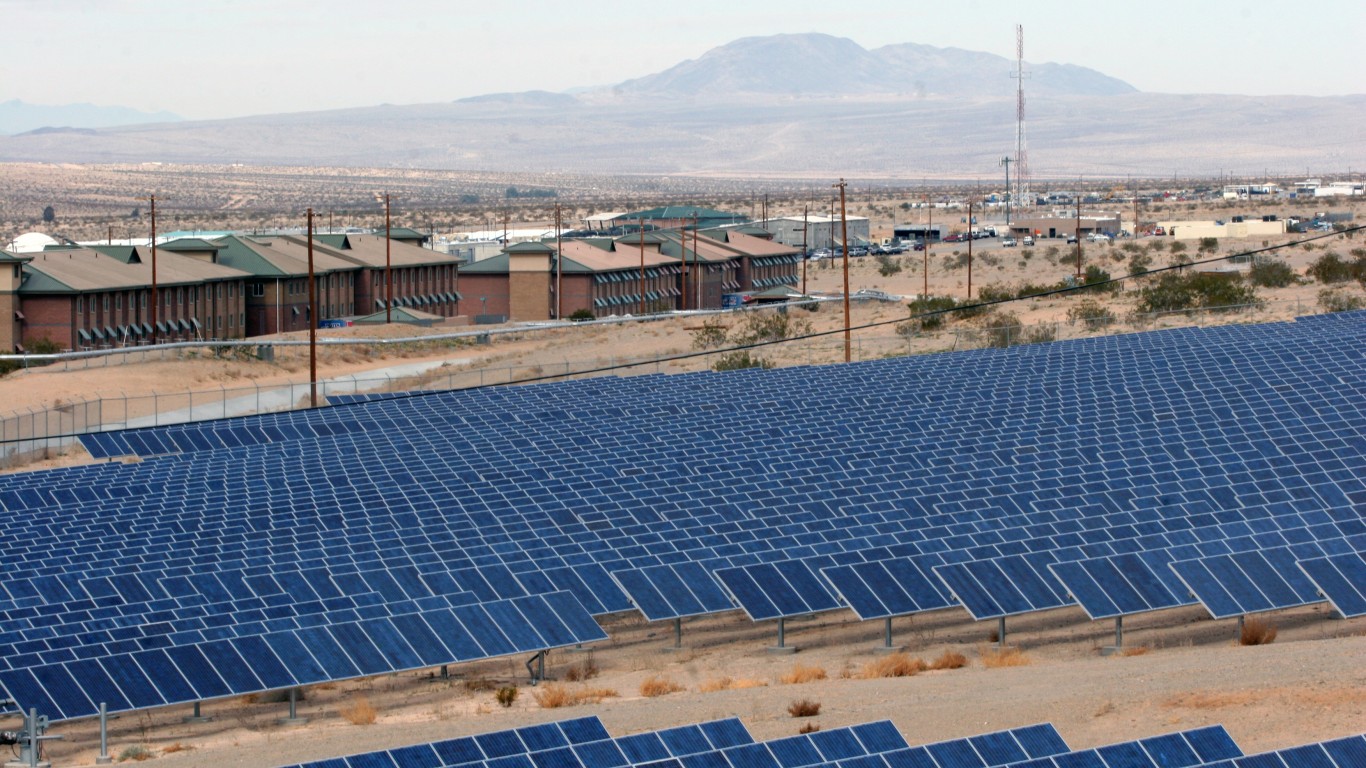
In 2017, renewable sources generated 24% of the world’s electricity. By 2023, that total will rise to almost 30% with the addition of 1 trillion watts (terawatts or TW) to renewable power generation. Renewables are expected to account for more than 70% of global electricity generation growth in 2023.
Renewables are forecast to rise by a fifth and meet 12.4% of the world’s total demand for energy by 2023, according to the International Energy Agency’s (IEA) latest report on renewable energy released Monday morning.
Renewable electricity generation capacity could rise to 1.3 TW if world governments adopt an accelerated program.
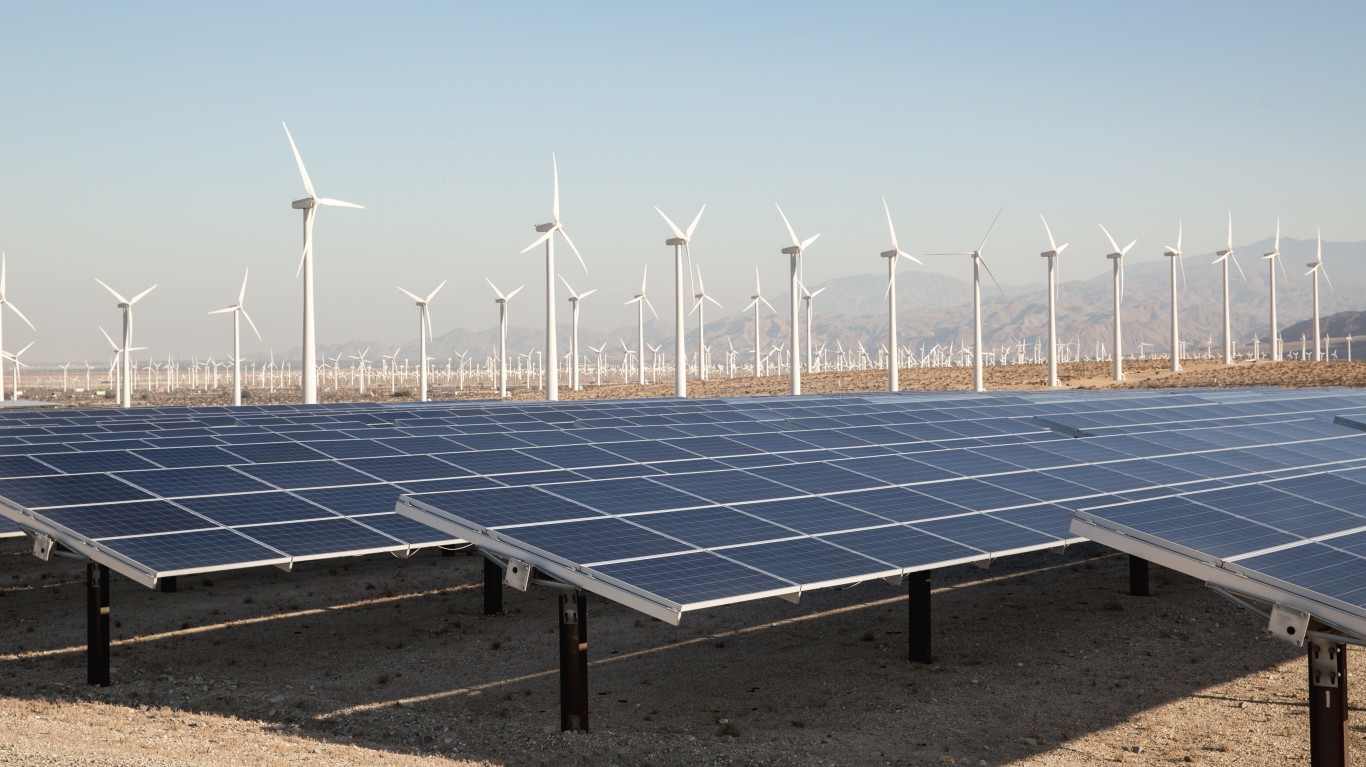
For the first time last year, renewable capacity additions accounted for more than two-thirds of worldwide net electricity capacity growth. Solar photovoltaic (PV) expanded the most, 97 gigawatts (GW) of the total 178 GW added in 2017. Over the IEA’s forecast period, solar PV is expected to account for more than half of the growth in renewable generation capacity. In IEA’s base-case estimate solar PV growth should exceed 110 GW annually by 2023; in the accelerated case, growth would exceed 140 GW annually in the same period.
[nativounit]
The IEA’s report draws attention to the development of bioenergy which includes liquid fuels produced from plants, gas from anaerobic digestion and wood pellets while excluding burning biomass sources like wood and animal dung. Energy derived from these sources is used to provide heat for industrial buildings.
Looking beyond electricity generation at renewable energy demand for heating and for transportation, IEA executive director Fatih Birol said:
Modern bioenergy is the overlooked giant of the renewable energy field. Its share in the world’s total renewables consumption is about 50% today, in other words as much as hydro, wind, solar and all other renewables combined. We expect modern bioenergy will continue to lead the field, and has huge prospects for further growth.
The IEA has forecast that growth in renewable heating is expected to increase by 20% over the forecast period to reach a share of 12% of the heating sector demand by 2023.
The outlook for renewable transportation fuels is less optimistic, rising from a 3.4% share of all energy supplied in 2017 to just 3.8% in 2023. While that represents a 20% boost, the base is low. Displacing petroleum products in the transportation sector remains some years away.
Wind capacity is forecast to rise to 839 GW by 2023. Onshore wind capacity is forecast to add about 50 GW while offshore capacity is expected to increase by about 52 GW. Additions to onshore wind capacity could rise by another 25%, to more than 60 GW, if Chinese, U.S., and European Union policies became more supportive.
Hydropower that is the source of most of the world’s renewable power generation is not expected to expand much in the period between 2017 and 2023. The forecast calls for growth of 125 GW, 40% less than in the period between 2012 and 2017. About a fifth of the overall growth to 2023 is expected to come in pumped storage hydropower.
An overview of the IEA’s renewables report is available at the website.
[wallst_email_signup]







 Top Gaining Stocks
 Top Losing Stocks