


The opinion of most oil analysts and economists is that OPEC will let prices go up and up. That may not be true Goldman Sachs has said oil could spike to $200 a barrel sometime in the next two years, but OPEC may decide that such a big move up could poison the world economy and its profits.
Oil is now at $125 and still rising. The kings and princes in Saudi Arabia and Dubai are adding to their wealth at the rate of hundreds of billions of dollars a year. Their plan has been to hold demand and blame speculators and the dollar of pushing up prices. They won’t discuss demand increasing in China and the emerging markets and slower production from big exporters like Russia, Mexico, and Venezuela.
The ministers of OPEC are money hungry, as they should be, but they are not buffoons. The know that there is a tipping point when oil prices will move inflation from the category of concern to the column of disaster. They know what inflation can do. They helped create the last big wave in 1973. That increased unemployment to over 8% in the US and worse in other developed countries.
A real global recession is no better for OPEC than it is anyone else. The cartel wants fairly even consumption. Spikes up and down are not suited for a system with fixed production, shipping, and refinery operations. The current infrastructure is not set up for big movements in oil use.
So far, the economy has favored OPEC. No major country has fallen into deep recession. Inflation is more a concern in China and India than in the US, but their GDPs are growing faster meaning that they can more easily absorb the costs, at least for now. An idle oil infrastructure is expensive to maintain.
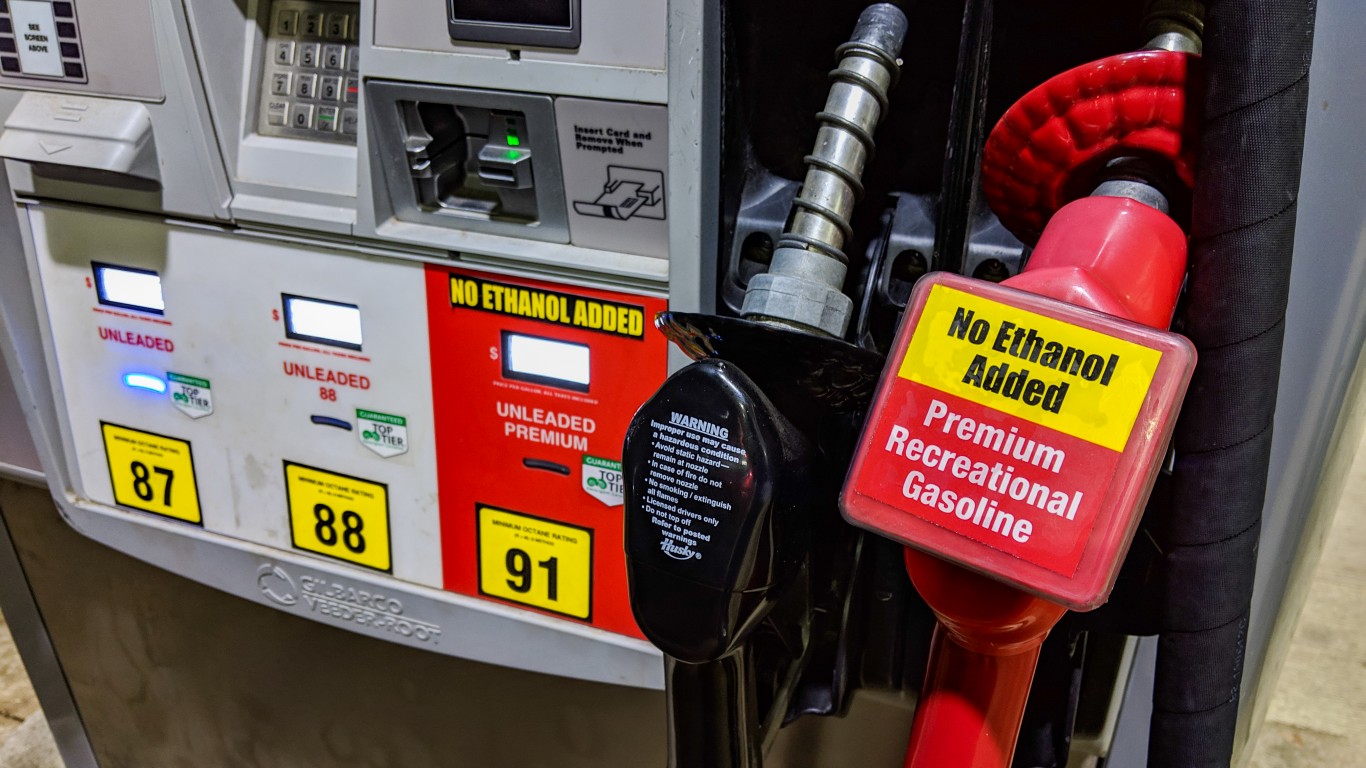
The tipping point. It may not come at $120, but somewhere North of that, gas moves to $5 very quickly, It was $3 late last year. That affects China as much as the US. The central government in the world’s most populated country can underwrite bringing in $100 oil and pushing it out of refineries at sub-market prices for oil and diesel. It keeps China’s transportation network moving. It feeds the 10% GDP growth driven by exports. But, what happens when other economies slow and exports are harder to come by? That also makes it harder for the Chinese government to come by the money to process oil on the cheap.
In the US, inflation is already robbing the general population of capital it needs for basics. Gas plus mortgage costs have eroded consumer spending. If unemployment moves up, the cart falls over and a recession could become deep and long.



 Top Gaining Stocks
 Top Losing Stocks