


 It is a lengthy way to say that electronic batteries can nearly be perpetual motion machines. “Ecole Polytechnique Federale de Lausanne and IBM (NYSE: IBM) announced a major research initiative, with several leading academic and corporate research organizations across Europe, to address the alarming growth of energy consumption by electronic devices, ranging from mobile phones to laptops to televisions to supercomputers. The research project, called Steeper, aims to increase the energy efficiency of these devices, when active, by 10 times and virtually eliminate power consumption when they are in passive or standby mode.”
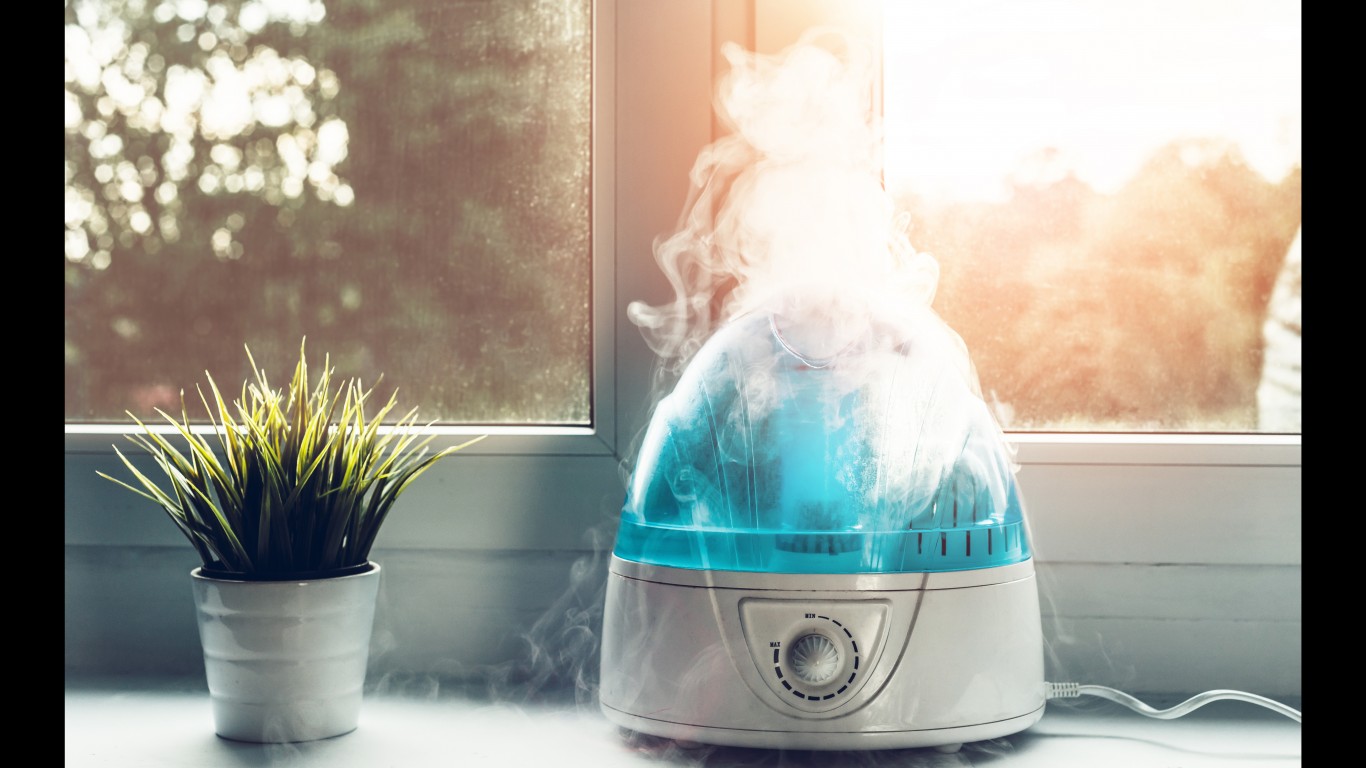
“According to the International Energy Agency (IEA), electronic devices currently account for 15 percent of household electricity consumption, and energy consumed by information and communications technologies as well as consumer electronics will double by 2022 and triple by 2030 to 1 700 Terawatt hours — this is equal to entire total residential electricity consumption of the United States and Japan in 2009,” the group added.
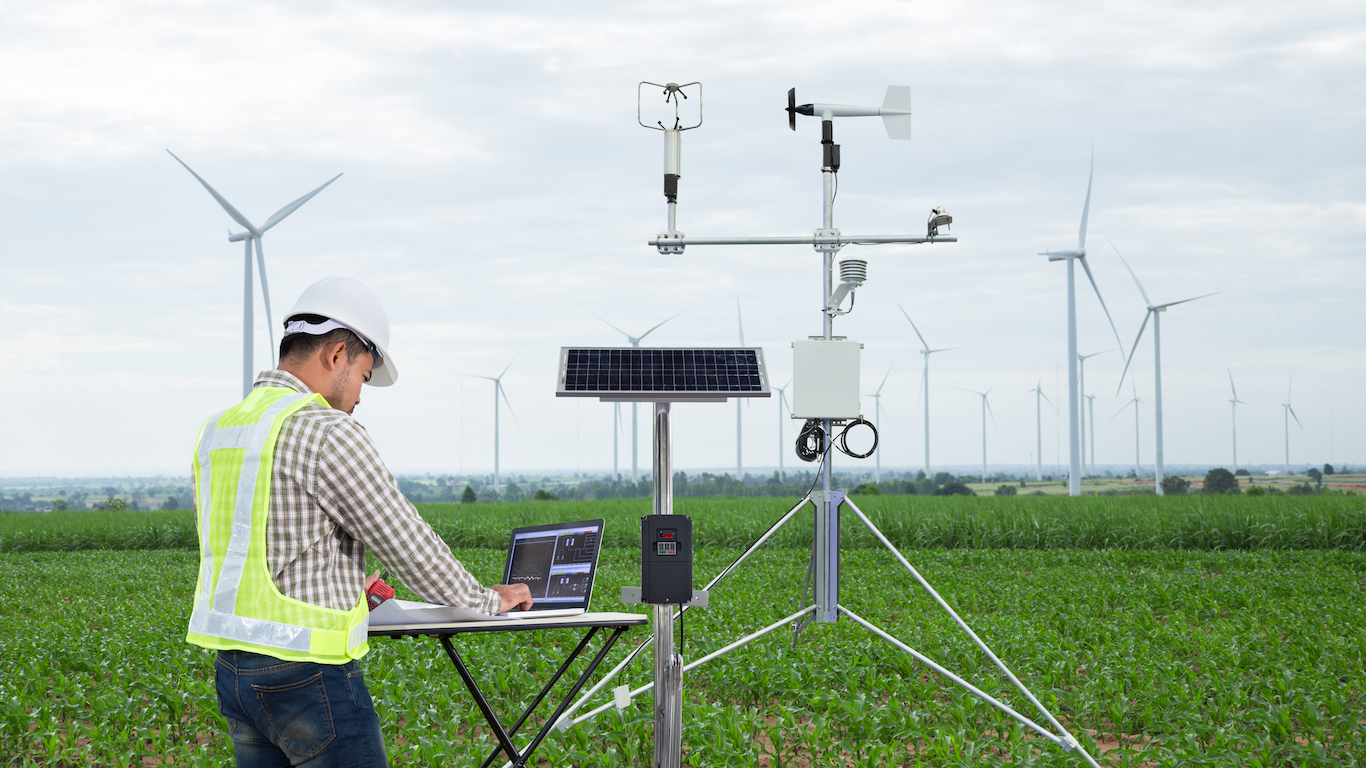
The search for a world in which no traditional energy source is consumed moves forward. The IBM initiative joins those which hope to capture the sun, the wind, and the tides. The effectiveness of these may be far off, if they are effective at all. The world, visionaries believe, will eventually be filled with electric cars that need no drivers and homes which will be powered by the sewage that they produce.
The first attempt at machine-based perpetual motion was probably Robert Fludd’s 1618 “water screw.” Since then, scientists have proven that perpetual motion has no basis in science.
The IBM plan is, of course, not trying to power household devices with no energy at all. It is, however, the sort of program that interests people who like a “Star Trek” world where people traverse the universe at light speeds and where machines “transport” atoms over great distances.
A phone which consumes almost no power when at rest would be tantamount to someone who does not breath while asleep. If wishes were horses, all the beggars would ride.
Douglas A. McIntyre







 Top Gaining Stocks
 Top Losing Stocks