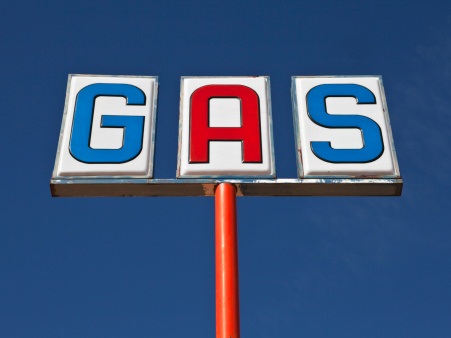
As Gas Prices Fall Toward $3, Does the Economy Get a Lift?

Photo of Douglas A. McIntyre
By Douglas A. McIntyre Published
This post may contain links from our sponsors and affiliates, and Flywheel Publishing may receive compensation for actions taken through them.

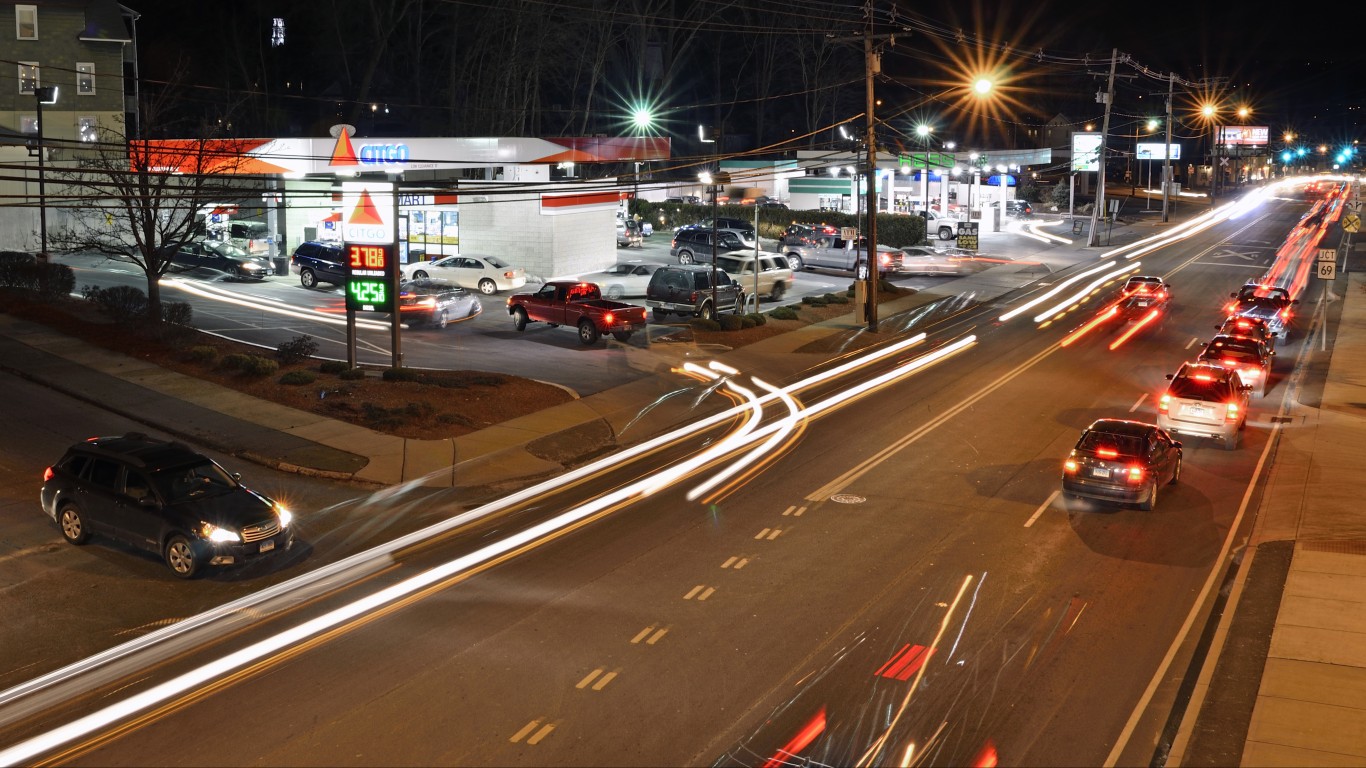
The media is full of analysis of why a drop in gasoline prices may help gross domestic product (GDP). Most of that analysis is flawed because it does not look at the numbers state by state. The price of a gallon of regular nationwide has fallen toward $3.22. It has not been that low since the end of 2012.

Actually, the price per gallon has dropped below $3.00 in five states, according to GasBuddy: Missouri, Oklahoma, Texas, Kansas and Arkansas. The only one of these states with a population of any size is Texas. The others have too little GDP for their consumer or business activity to help the national economy.

The same kind of analysis can be applied to cities. Of 29 cities with gas prices below $3, the only large ones are in Texas — Dallas, Houston and San Antonio. The rest of the list is made up of small cities in South Carolina, Kansas, Missouri and Oklahoma.

Gas prices still are historically very high in most of the largest states as measured by population. The price in California is $3.64. In New York, the figure is $3.55. In Illinois it is $3.38, and it is $3.30 in Pennsylvania. Those figures are close to the most recent significant price peak nationwide in August.

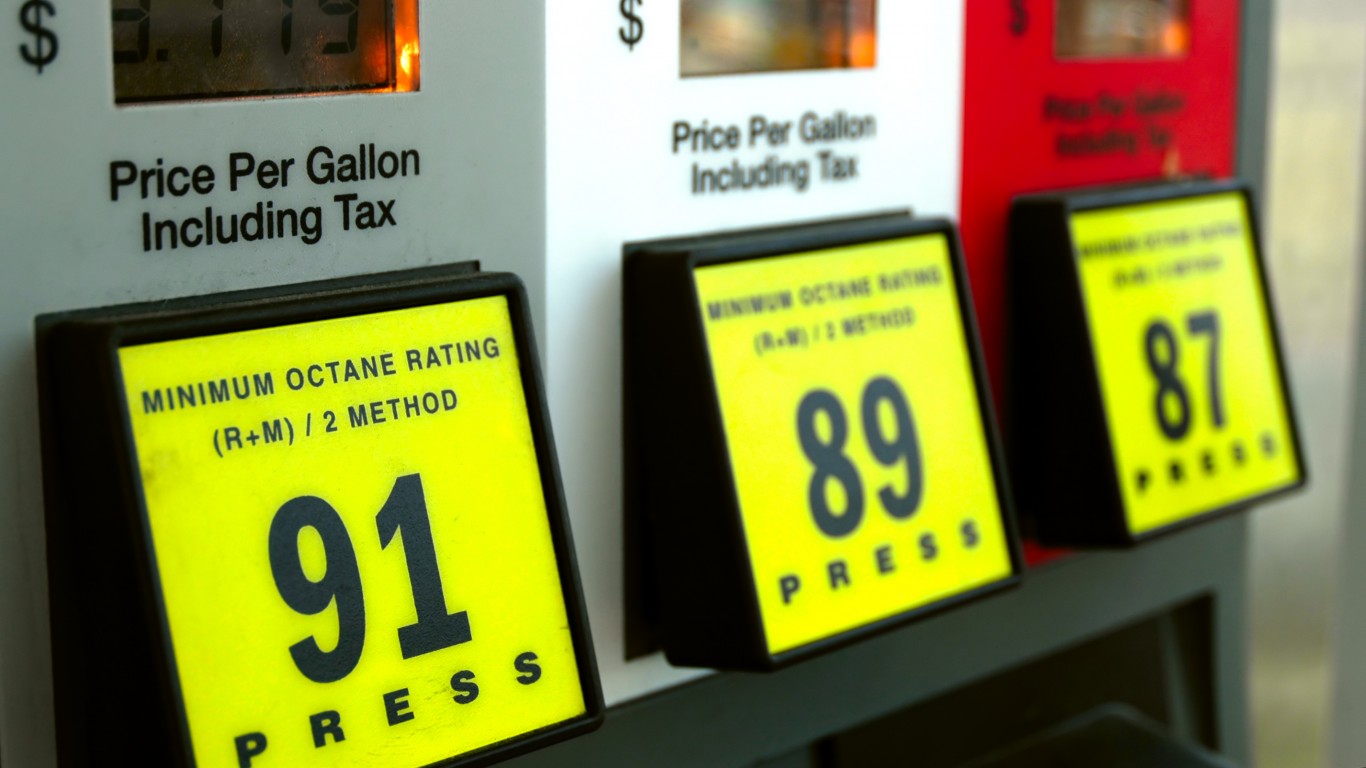
The data get worse for drivers who need to use premium. In most states, the price per gallon is closer to $4.00 than to $3.50. In California, the price is $3.87, and in New York it is $3.94. Filling the tank of many cars and light trucks at these rates usually costs more than $50, and can get closer to $100.

The theory that low gas prices will be a major driver of economic growth does not get much beyond theory in many parts of the United States. Where most of the population lives, gas prices are still higher than what consumers have been used to most of the past decade. Gasoline will need to drop closer to $2.50 a gallon before it reaches the levels of the earlier part of the decade or the recession. Americans still do not have lots of discretionary income. Gas price relief, for the time being, is only the stuff of headlines.


Photo of Douglas A. McIntyre
About the Author Douglas A. McIntyre →

Douglas A. McIntyre is the co-founder, chief executive officer and editor in chief of 24/7 Wall St. and 24/7 Tempo. He has held these jobs since 2006.

McIntyre has written thousands of articles for 24/7 Wall St. He is an expert on corporate finance, the automotive industry, media companies and international finance. He has edited articles on national demographics, sports, personal income and travel.

His work has been quoted or mentioned in The New York Times, The Wall Street Journal, Los Angeles Times, The Washington Post, NBC News, Time, The New Yorker, HuffPost USA Today, Business Insider, Yahoo, AOL, MarketWatch, The Atlantic, Bloomberg, New York Post, Chicago Tribune, Forbes, The Guardian and many other major publications. McIntyre has been a guest on CNBC, the BBC and television and radio stations across the country.

A magna cum laude graduate of Harvard College, McIntyre also was president of The Harvard Advocate. Founded in 1866, the Advocate is the oldest college publication in the United States.

TheStreet.com, Comps.com and Edgar Online are some of the public companies for which McIntyre served on the board of directors. He was a Vicinity Corporation board member when the company was sold to Microsoft in 2002. He served on the audit committees of some of these companies.

McIntyre has been the CEO of FutureSource, a provider of trading terminals and news to commodities and futures traders. He was president of Switchboard, the online phone directory company. He served as chairman and CEO of On2 Technologies, the video compression company that provided video compression software for Adobe’s Flash. Google bought On2 in 2009.

Featured Reads

Our top personal finance-related articles today. Your wallet will thank you later.

Continue Reading

Top Gaining Stocks

CBOE Vol: 1,568,143
PSKY Vol: 12,285,993
STX Vol: 7,378,346
ORCL Vol: 26,317,675
DDOG Vol: 6,247,779

Top Losing Stocks

LKQ
LKQ Vol: 4,367,433
CLX Vol: 13,260,523
SYK Vol: 4,519,455
MHK Vol: 1,859,865
AMGN Vol: 3,818,618