


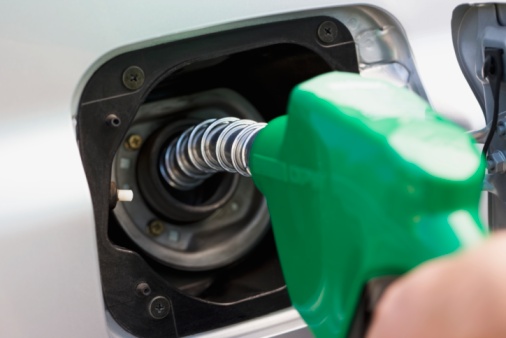
The price of gas in California was $4.099 as of Sunday. In some of the largest cities in the state. Los Angeles, the largest city, posted a price of $4.13. In San Francisco, the price reached $4.23.
It is worth noting that many of the states with high prices are among the most populated, which means the effects are spread across a very large number of people. California has 38 million of America’s 315 million residents.
States where gas prices are above $3.80 include Michigan which has a population of 9.9 million, Illinois with a population 12.9 million, New York with a population of 19.7 million, and Connecticut with a population of 3.6 million. Together, the states have a population which is 27% of the U.S.
For the time being, gas price will almost certainly rise because oil will. Although the two are not directly related because of refinery and transportation costs, it is impossible to deny the marriage.
ALSO READ: America’s Worst Companies to Work For
The primary theory behind the damage gas prices do to the economy is that lower income and middle income families are robbed of most of their discretionary spending power. These families are often stretched financially anyways because of the combined costs of food shelter and clothing. As gas prices eat into their budgets, these people cease to be consumers. The other category of families most hurt financial are those in which people have to drive long distances to work.
The last time gas prices posed a significant risk to the economy was 2008, when crude oil in the United States spiked above $140 and the average price of a gallon of regular topped $4.10. Of course, that was in the middle of the Great Recession when any shock to the overall economy was perilous. The current U.S. economy, while stronger, has not recovered to full health, as measured by GDP or employment.
Gas prices have returned as a risk to the economy, and may shortly be a very large one.






 Top Gaining Stocks
 Top Losing Stocks