Obama Administration OKs Oil & Gas Searches Off Atlantic Coast

Photo of Paul Ausick
By Paul Ausick Updated Published
This post may contain links from our sponsors and affiliates, and Flywheel Publishing may receive compensation for actions taken through them.

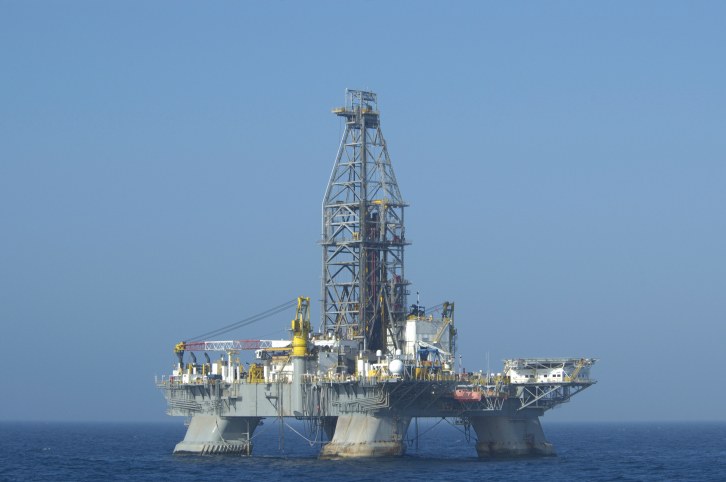
Offshore drill rig
Thinkstock
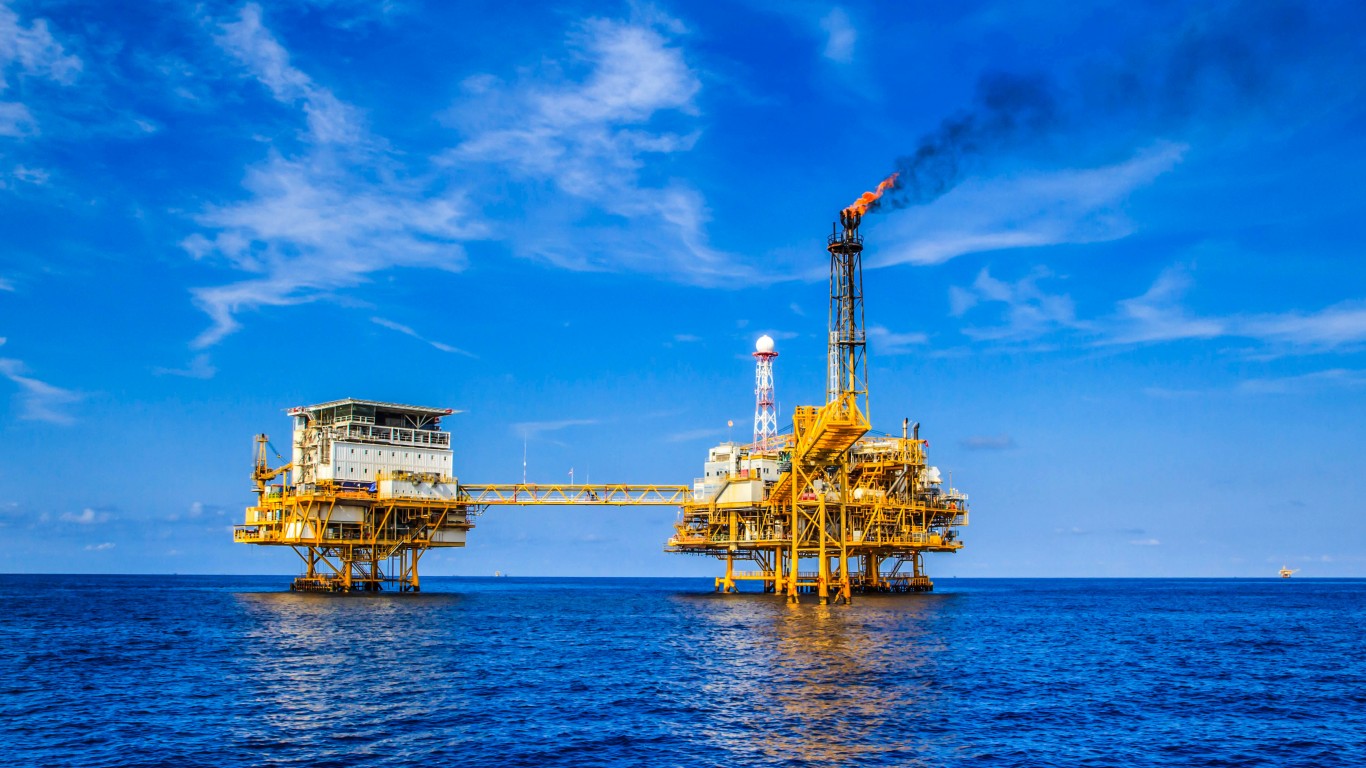
Saying that the status quo does not meet the “need for action,” the U.S. Bureau of Ocean Energy Management (BOEM) on Friday issued a decision on what the agency will look for in permit applications to conduct exploration activities up to 403 miles offshore from Delaware Bay to just south of Cape Canaveral in Florida. The BOEM was careful to say that its decision “does not by itself authorize” what it calls geological and geophysical (G&G) activities, only that the decision are the hoops, so to speak, for companies to jump through if they want to conduct such activities.

The decision opens the door to a room that’s been locked for more than 30 years. The ban on offshore exploration and drilling off the Atlantic coast is set to expire in 2017 and absent a major change of heart by Congress, the so-called Atlantic Outer Continental Shelf (OCS) will re-open. The U.S. Department of the Interior has estimated that 4.7 billion barrels of oil may be present under the seabed, but there is no actual exploration data to confirm that number. Previous exploration that ended in the 1980s has produced nothing by dry holes.

Last Friday’s BOEM decision outlines what potential explorers for oil and gas will be allowed to do. They will be able to use compressed air guns to blast very loud noises aimed at the geological formations underneath the ocean floor. The resulting echoes indicate the location of possible deposits of oil and gas. Environmental groups claim the seismic pulses are at least disruptive to marine life and in some cases destructive to some creatures.

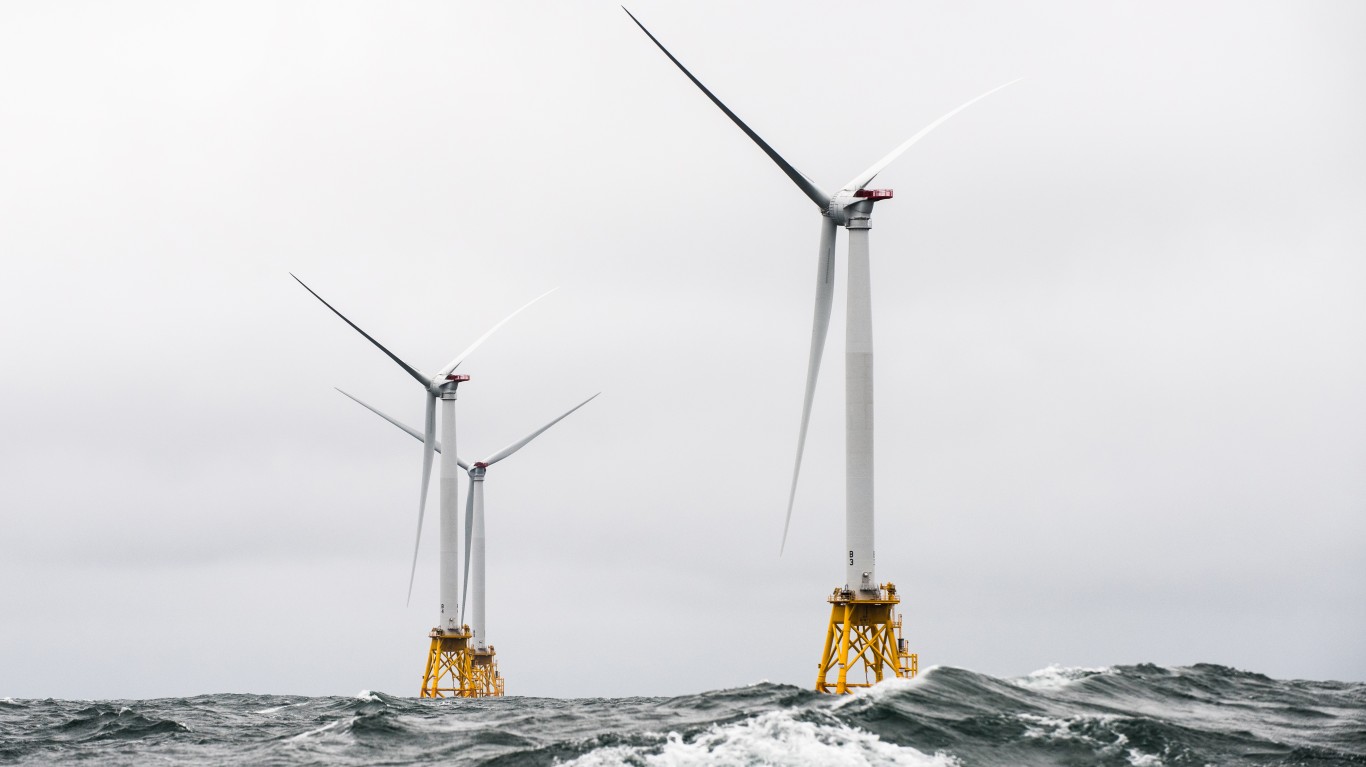
The BOEM’s decision also affects offshore wind development and exploration for marine minerals off the Atlantic coast.

In reality, the BOEM and the Obama administration have essentially reopened the Atlantic coast for oil and gas production. Exploring for energy resources is not cheap and it the administration had no intention of allowing drilling, it would not approve seismic and other kinds of exploratory activities.

ALSO READ: The World’s Most Content (and Miserable) Countries

Photo of Paul Ausick
About the Author Paul Ausick →

Paul Ausick has been writing for a673b.bigscoots-temp.com for more than a decade. He has written extensively on investing in the energy, defense, and technology sectors. In a previous life, he wrote technical documentation and managed a marketing communications group in Silicon Valley.

He has a bachelor's degree in English from the University of Chicago and now lives in Montana, where he fishes for trout in the summer and stays inside during the winter.

Featured Reads

Our top personal finance-related articles today. Your wallet will thank you later.

Continue Reading

Top Gaining Stocks

CBOE Vol: 1,568,143
PSKY Vol: 12,285,993
STX Vol: 7,378,346
ORCL Vol: 26,317,675
DDOG Vol: 6,247,779

Top Losing Stocks

LKQ
LKQ Vol: 4,367,433
CLX Vol: 13,260,523
SYK Vol: 4,519,455
MHK Vol: 1,859,865
AMGN Vol: 3,818,618