


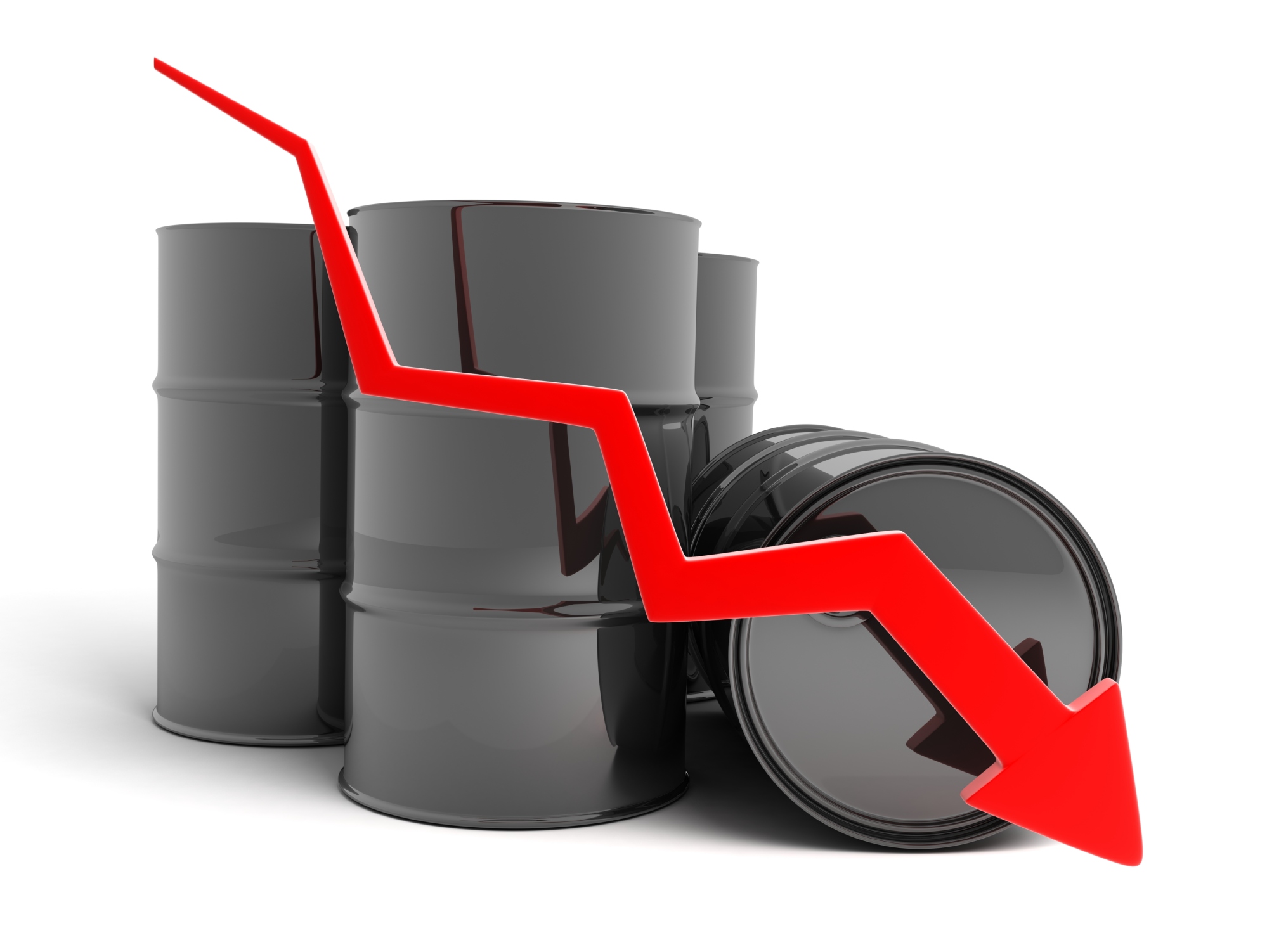
Analysts and traders appeared to believe Saudi Arabia did not mean what it said when the country announced in October that it did not care if the price of crude fell to $80 a barrel and stayed there for as long as two years. At its meeting on Thursday in Vienna, OPEC said it will not cut the official production target of 30 million barrels a day, about a third of which comes from Saudi Arabia, and that is putting more negative pressure on the price of crude which has dropped below $70.
Oil traders in London sent WTI futures on the ICE down below $68 a barrel on Thursday. Brent crude dipped to just over $71 a barrel. These are four-and-a-half year lows.
Maybe when Brent crude fell below $75 a barrel got analysts and traders jazzed that the Saudis would cut production, leading other OPEC countries to do the same, and thereby boost the price of crude back toward $100. Everyone seems to have forgotten a few things.
First, while it is more expensive now than it once was to get Saudi oil out of the ground, the Kingdom’s cost per barrel is at least half that of the cheapest U.S. producer. The usual estimate is $25 to $35 a barrel. Prices have to drop a lot lower before pumping Saudi oil becomes uneconomic.
That is not to say that the country would not feel an economic pinch if the price of oil stays at around $80 a barrel for the next two years as many analysts believe it will. Oil provides about 85% of the country’s export earnings and about 50% of the nation’s GDP.
The lower price produces a bigger impact on other OPEC members, particularly Venezuela, Angola, and Algeria, all of which have been vocal about cutting production to raise prices.
It is also worth remembering that the Saudis and OPEC no longer have the clout they once had in the oil markets. For at least 20 years, the Saudis have been the swing producers, able to turn the oil spigot on and off to meet rises and falls in demand. This is no longer the case.
The boom in U.S. production thanks to horizontal drilling and fracking has essentially awarded the title of swing producer to the U.S. And right now, the falling price of crude has had no impact on U.S. production. Producers in the Bakken and other shale plays won’t cut production yet, but they are likely to scale back capital spending until prices start rising again and that will have the effect of cutting production in the future.
Another thing people have forgotten is that Russia does not play nice with OPEC. It never has and it probably never will. When OPEC mounted its first embargo on oil shipments to the U.S. in the 1970s, Russia (then the Soviet Union) boosted its output. The head of Russia’s state controlled oil giant Rosneft has said recently that the country will not cut production, at least not immediately, because the current oil price is not damaging.
That’s hard to believe, especially given the pressure that economic sanctions have put on the country. According to a report in the Moscow Times, a per barrel price of $80 for Urals crude (which is usually priced at a small discount to Brent) would drive the country’s budget into a 2% to 2.5% deficit in each of the next two years. Because Russia is locked out of the foreign debt market, it has to use its sovereign wealth fund to patch up the hole. The World Bank has cut Russia’s GDP growth estimate for 2014 to 0.5%, less than half the 1.1% GDP growth the country saw in 2013.
The Saudis won’t cut production, at least not yet, and the other members of OPEC will have to tag along. Russia won’t cut production and neither will the U.S., at least not unless prices fall to around $50 a barrel. That’s where shale-oil profits are likely to start to feeling real pressure.





 Top Gaining Stocks
 Top Losing Stocks