


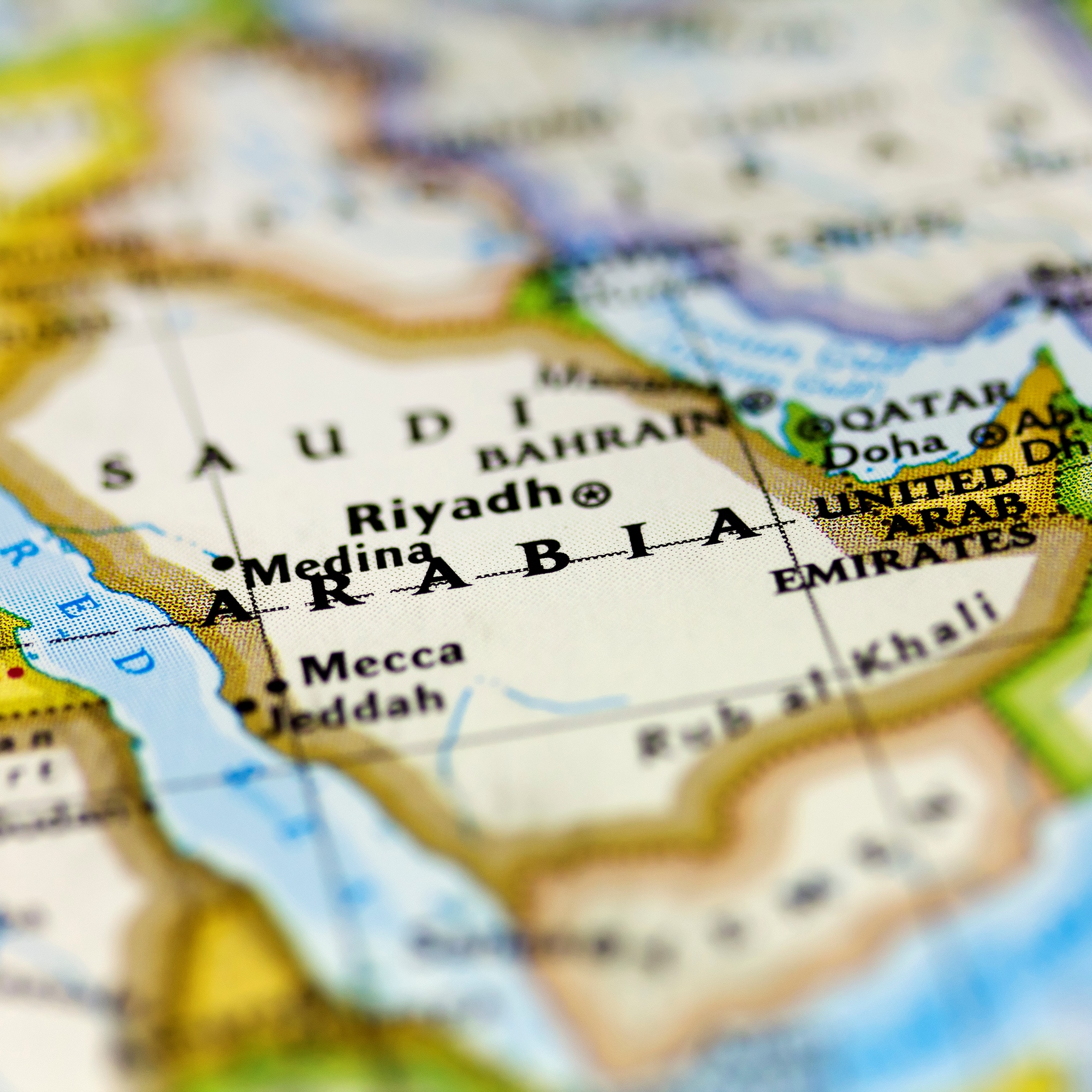
As much as Saudi Arabia wants the world to believe that it calls the tune in world oil markets, the facts indicate otherwise. And now that the Trump administration has made it clear that the price for keeping silent about the murder of journalist Jamal Khashoggi is low oil prices, the kingdom ratcheted up production to its highest level in over 80 years of production.
According to Bloomberg News, at the end of October Saudi Arabia was producing 11.2 million barrels of crude a day, up from around 10.8 million barrels or so at the beginning of the month. Khashoggi was murdered at the Saudi embassy in Istanbul on October 2.
Saudi Arabia, along with other OPEC members and the cartel’s other partners, notably Russia, will meet in Vienna December 6 to reach an agreement on production quotas for next year. The outline of such an agreement could be hammered out on the sidelines of this week’s G-20 meeting in Brazil, according to Bloomberg.
One indisputable fact that challenges the Saudi’s long-held belief that they are the biggest influence on world oil markets is that even at 11.2 million barrels a day, the United States and Russia both produce more oil than the Saudis. That’s why the alliance with Russia in a two-year effort to drive crude prices higher was crucial to the Saudi government.
[nativounit]
There is little question that the Saudi-Russian alliance now has the most influence on OPEC and its OPEC+ partnership. The United States, due to its swelling shale production and sanctions on producers like Venezuela and Iran, is the third arm of a new oil “troika,” as Reuters analyst John Kemp calls it. In 2019, the troika is on track to produce about 40% of the world’s supply of petroleum liquids. Including Kuwait, the United Arab Emirates and Oman, these six countries will supply nearly half the world’s liquids next year.
Kuwait and the UAE are OPEC members and follow the Saudis on policy. Oman, not an OPEC member, follows Russia, and Iraq, also an OPEC member, is not bound by the cartel’s quota system and more or less does at it pleases. President Trump appears even to have given up on his idea that Iraq repay the cost of the U.S. war in that country by seizing that country’s oil fields.
It remains to be seen if the new alignment in crude oil production will, in fact, be able to keep prices from falling as they have since early October. It’s worth noting too, that U.S. oil companies are forbidden by law from colluding on production, either domestically or with foreign countries.
[recirclink id=507043]
[wallst_email_signup]







 Top Gaining Stocks
 Top Losing Stocks