Moody’s Downgrades Saudi Arabia to A1

Photo of Douglas A. McIntyre
By Douglas A. McIntyre Updated Published
This post may contain links from our sponsors and affiliates, and Flywheel Publishing may receive compensation for actions taken through them.
Moody’s Downgrades Saudi Arabia to A1

© Thinkstock

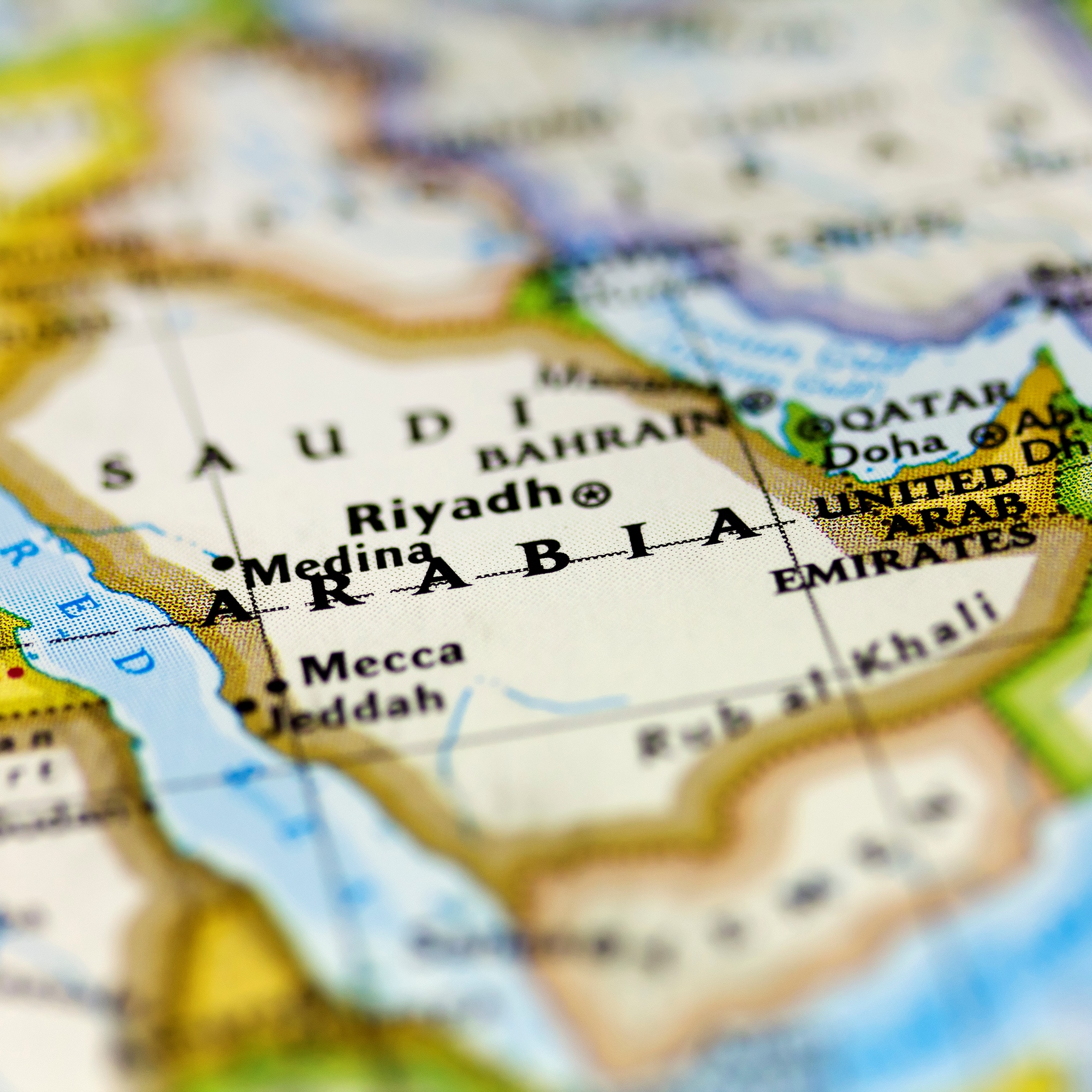
As the price of oil continues to batter the finances of exporting countries, Moody’s downgraded petroleum power house Saudi Arabia, which not long ago was among the most financially stable countries in the world. It downgraded the rating from Aa3 to A1, with a stable outlook.

Moody’s researchers wrote:

Saudi Arabia’s credit profile remains very strong by comparison with the majority of Moody’s-rated sovereigns. However, the drop in oil prices from their mid-2014 peaks has materially undermined the Kingdom’s credit profile, negatively affecting the economy, the government’s finances as well as both external accounts and reserve buffers. While the government has ambitious and comprehensive plans to address the shock by diversifying its economic and fiscal base, those plans are at an early stage of development and their impact remains uncertain.

Nominal GDP has dropped by 13.3% in 2015, and Moody’s expects another 5% reduction in 2016. In line with the anticipated gradual recovery of oil prices, nominal GDP should reach its pre-oil price shock level by 2019. Due to fiscal consolidation in the form of streamlined government spending, Moody’s expects real GDP growth to drop to 1.2% in 2016 from 3.4% in 2015. Over the coming five years, growth will average 2%, much lower than the 5% annual average recorded in 2011 to 2015.

[nativounit]

Government finances have deteriorated significantly. According to Moody’s estimates, the general government fiscal balance recorded a deficit of 14.9% of GDP in 2015, following a deficit of 2.3% in 2014, and the rating agency expects a similarly-sized deficit this year. Although the fiscal balance will improve gradually over the coming four years, Moody’s expects an average deficit of 9.5% of GDP between 2016 and 2020, requiring cumulative financing of SAR1.2 trillion ($324 billion or almost 50% of estimated nominal GDP in 2015).

Government economic reforms and security from friction with its neighbors are mentioned as possible avenues of a rating improvement. Ironically, the price of oil is not.


Photo of Douglas A. McIntyre
About the Author Douglas A. McIntyre →

Douglas A. McIntyre is the co-founder, chief executive officer and editor in chief of 24/7 Wall St. and 24/7 Tempo. He has held these jobs since 2006.

McIntyre has written thousands of articles for 24/7 Wall St. He is an expert on corporate finance, the automotive industry, media companies and international finance. He has edited articles on national demographics, sports, personal income and travel.

His work has been quoted or mentioned in The New York Times, The Wall Street Journal, Los Angeles Times, The Washington Post, NBC News, Time, The New Yorker, HuffPost USA Today, Business Insider, Yahoo, AOL, MarketWatch, The Atlantic, Bloomberg, New York Post, Chicago Tribune, Forbes, The Guardian and many other major publications. McIntyre has been a guest on CNBC, the BBC and television and radio stations across the country.

A magna cum laude graduate of Harvard College, McIntyre also was president of The Harvard Advocate. Founded in 1866, the Advocate is the oldest college publication in the United States.

TheStreet.com, Comps.com and Edgar Online are some of the public companies for which McIntyre served on the board of directors. He was a Vicinity Corporation board member when the company was sold to Microsoft in 2002. He served on the audit committees of some of these companies.

McIntyre has been the CEO of FutureSource, a provider of trading terminals and news to commodities and futures traders. He was president of Switchboard, the online phone directory company. He served as chairman and CEO of On2 Technologies, the video compression company that provided video compression software for Adobe’s Flash. Google bought On2 in 2009.

Continue Reading

Top Gaining Stocks

CBOE Vol: 1,568,143
PSKY Vol: 12,285,993
STX Vol: 7,378,346
ORCL Vol: 26,317,675
DDOG Vol: 6,247,779

Top Losing Stocks

LKQ
LKQ Vol: 4,367,433
CLX Vol: 13,260,523
SYK Vol: 4,519,455
MHK Vol: 1,859,865
AMGN Vol: 3,818,618