



In its Annual Energy Outlook for 2016 published in September, the U.S. Energy Information Administration projected that U.S. energy use would be cut by 40% to 60% by 2050. Cutting energy use is not the same as cutting emissions, although that is a big benefit to cutting energy use.
Reducing energy use means using less energy more efficiently to achieve the same result. The American Council for an Energy-Efficient Economy (ACEEE) defines energy efficiency as a resource “capable of yielding energy and demand savings that can displace electricity generation from coal, natural gas, nuclear power, wind power, and other supply-side resources.”
On Wednesday the ACEEE released a progress report on its goal of reducing energy use in half by 2050. The group believes that goal can be reached, although “we will need to double down on our efforts.”
[nativounit]
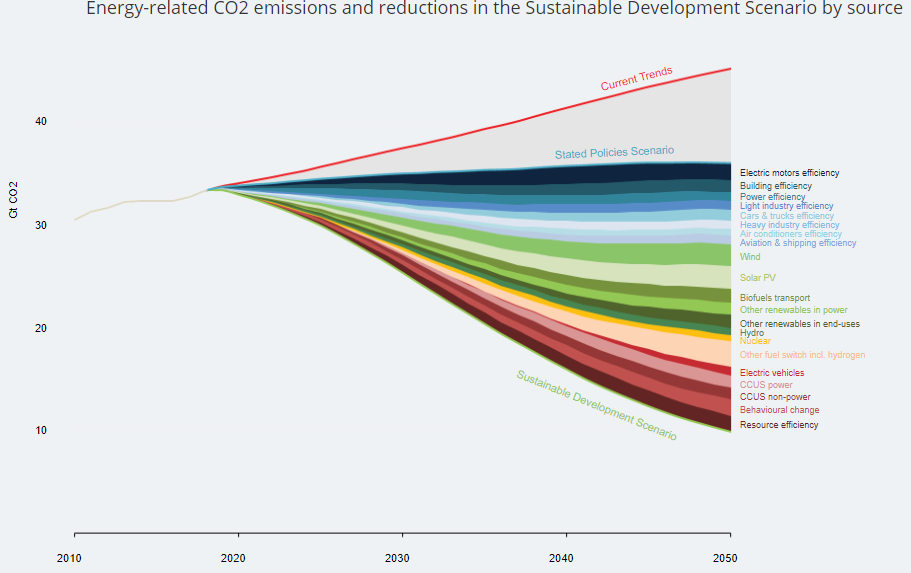
ACEEE applied 13 efficiency packages to the EIA’s annual outlook and found that energy reduction could total 34% by 2040, and that puts the country on a path to achieve the 50% savings level by 2050. Here are the 13 packages ACEEE applied to the EIA outlook:
- Appliance and equipment efficiency standards and complementary voluntary efforts
- Zero net energy (ZNE) new buildings and homes
- Smart buildings and homes
- Home and commercial building retrofits
- Behavior change in buildings
- Industrial efficiency improvements
- Combined heat and power (CHP) systems
- Light and heavy duty vehicle fuel economy improvements
- Reductions in passenger vehicle miles traveled (VMT)
- Reductions in freight transport energy use
- Aviation efficiency improvements
- Reductions in losses from transmission and distribution (T&D) systems
- Electric power plant efficiency improvements
The largest savings come from the industrial efficiency package, followed by ZNE new homes and buildings, vehicle fuel economy improvements, appliance and equipment efficiency and home and commercial building retrofits.
The ACEEE’s white paper, “Pathway to Cutting Energy Use and Carbon Emissions in Half,” is available free at the ACEEE website.
[wallst_email_signup]









 Top Gaining Stocks
 Top Losing Stocks