


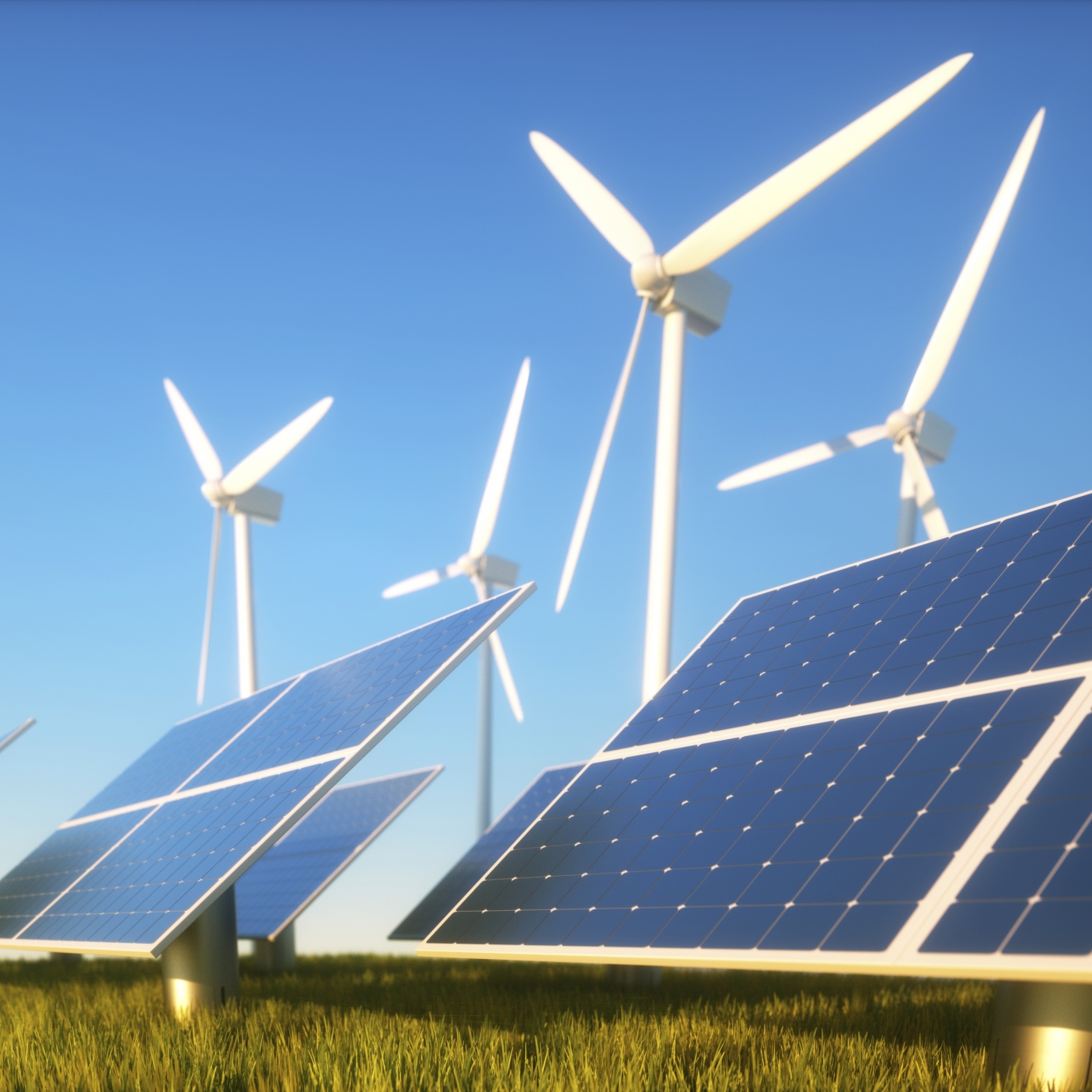
In its 2017 World Energy Investment report released last week, the International Energy Agency (IEA) estimated total global investment of $1.7 trillion or about 2.2% of global gross domestic product (GDP). For the first time global spending in the electricity sector topped the combined spending in oil, natural gas, and coal supply. Spending on clean energy reached a record high of 43% of the total spending, or about $730 billion.
The IEA estimated that investments in energy efficiency products and services totaled $231 billion last year, a year-over-year increase of 9%. Energy efficiency spending includes investments in buildings, transportation, and industry, which the IEA did not break out for the United States.
The IEA estimated that U.S. spending on energy efficiency totaled $41 billion. A national U.S. business association, Advanced Energy Economy (AEE), estimates that revenue from advanced energy (including energy efficiency, advanced vehicles, renewable energy, biofuels, the electricity grid, and natural gas fueling stations) rose 8% year over year in 2016 to $94 billion.
[nativounit]
The American Council for an Energy-Efficient Economy (ACEEE) estimated that U.S. investment in energy efficiency totaled between $60 billion and $115 billion a year. The ACEEE’s estimate is based on the IEA and AEE estimates and includes an adjustment of $20 billion annually to account for incremental spending related to upgrades to minimum efficiency standards.
According to the ACEEE, U.S. spending on energy efficiency is the result of several contributing factors and one big one:
While some of this spending comes from decisions by businesses and households to invest in efficiency without an obvious policy influence, policy is a big driver. We estimate that building codes and appliance and vehicle standards are responsible for roughly $20 billion worth. Other programs and policies also drive substantial investment, such as utility energy programs ($7.7 billion in 2015, which leverages additional investments by customers), ENERGY STAR® and Energy Saving Performance Contracts(ESPCs) in public facilities. There is also so-called “spillover” when consumers make investments due to the indirect influence of programs and policies. … This said, a significant portion of the spending encouraged by policy also depends on decisions by businesses and households.
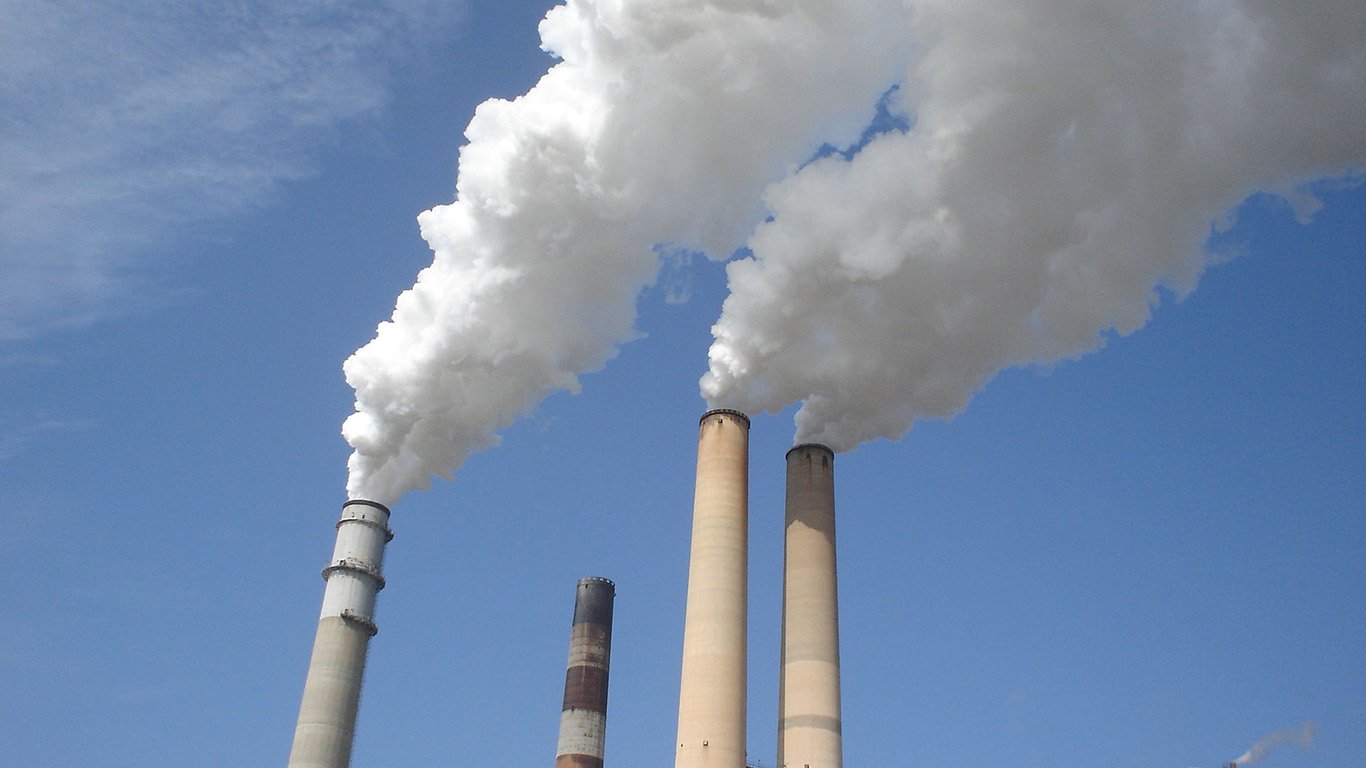
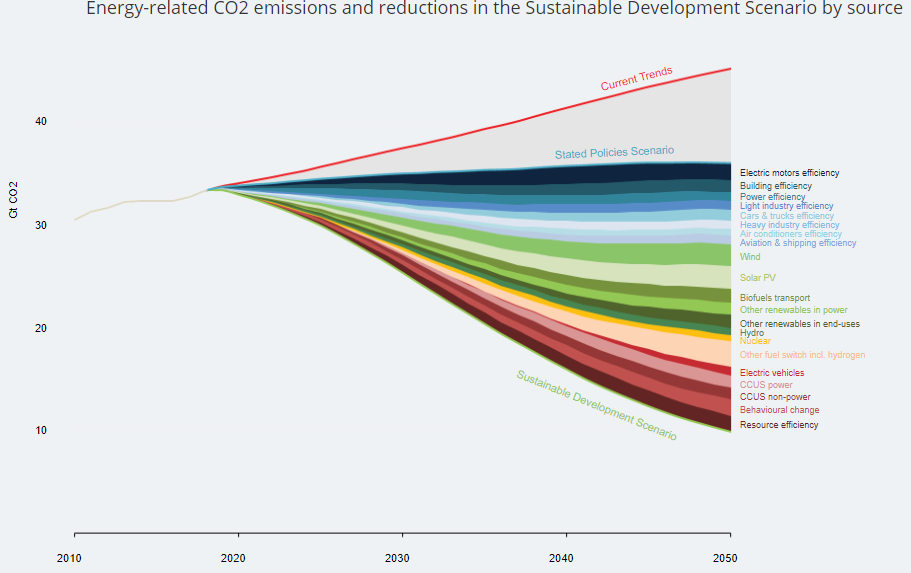
How is this investment working? Measured by carbon dioxide emissions, the investments are only partially working. Global carbon dioxide emissions were about flat for the third consecutive year in 2016, according to the IEA, largely because of growth in solar and wind generation. The bad news is that the lack of new investment in nuclear and hydropower generation has almost entirely offset the growth of investment in wind and solar. In other words, we need to run harder just to stay in the same place.
[wallst_email_signup]








 Top Gaining Stocks
 Top Losing Stocks