


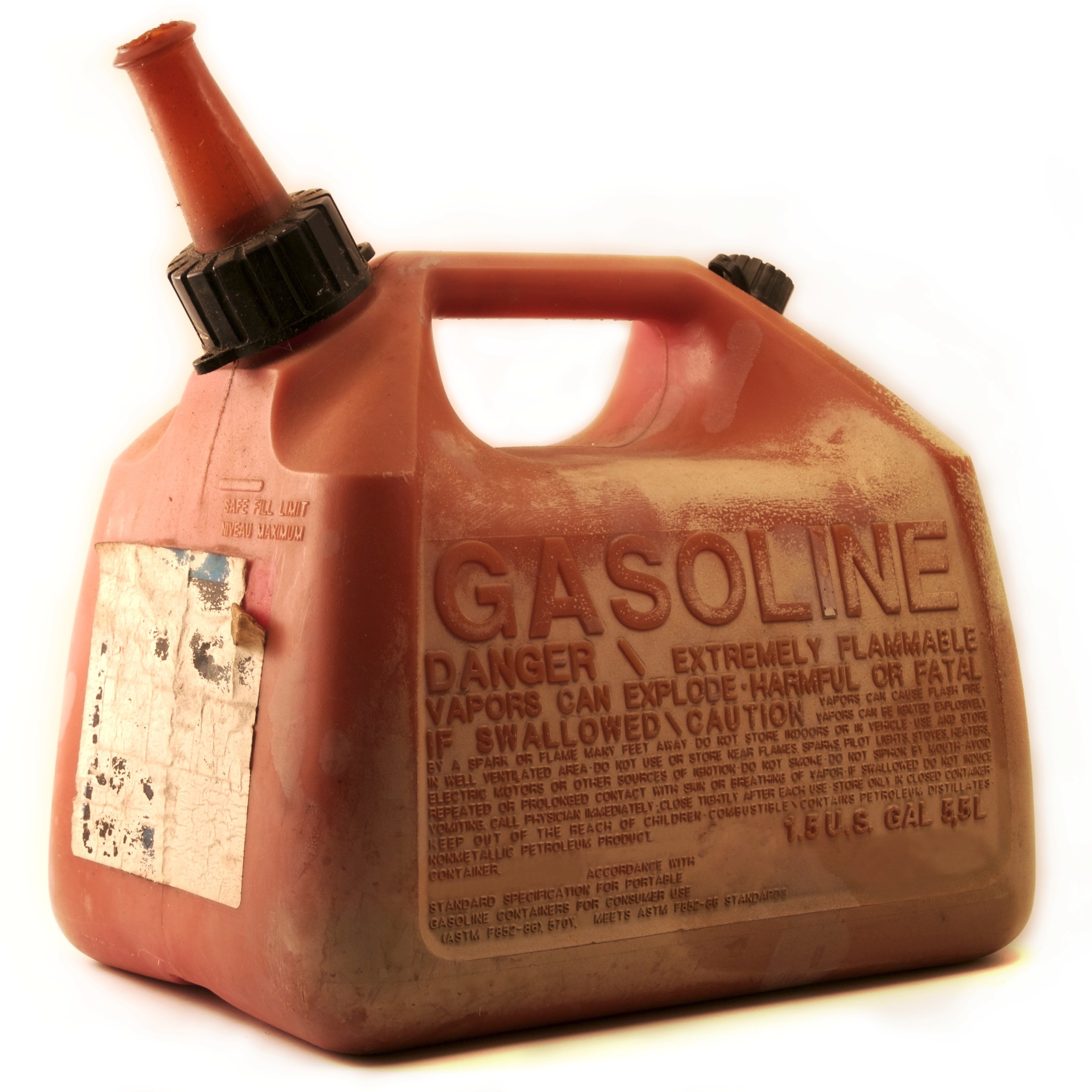
In the month of September, the top destination for U.S. gasoline exports was Mexico, which took 341,000 barrels a day. Number 2 in the ranking was the Dominican Republic, with U.S. finished gasoline imports totaling 45,000 barrels a day. All told, the U.S. exported 564,000 barrels of gasoline a day in September.
U.S. exports of crude oil totaled 692,000 barrels a day in September. Canada remains the top destination for U.S. exports, taking a total of 243,000 barrels a day. Singapore, which took no barrels at all in 2015, imported 99,000 barrels a day in September after resuming imports of U.S. crude in August with a total of 21,000 barrels a day.
Total U.S. exports of crude oil and all finished products came to 5.25 million barrels a day in September. May 2016 exports totaled 5.66 million barrels, the highest ever according to U.S. Energy Information Administration data.
[nativounit]
The federal government lifted restrictions on U.S. crude oil exports in December 2015, and U.S. producers are on track to more than double last December’s export total of 392,000 barrels a day. With rising prices for crude, that is good news for U.S. producers.
The news is equally good for U.S. refiners that are far more efficient than those in neighboring Mexico. Outside of turnaround and maintenance times, U.S. refineries run at about 90% of capacity, while Mexican refineries typically run at about 50% of capacity.
Of some 8 million barrels a day of U.S. crude oil imports in September, 778,000 came from Venezuela, 516,000 came from Mexico and 464,000 came from Colombia. Only Canada and Saudi Arabia send more oil to the United States than these three countries.
The U.S. imports just 71,000 barrels a day of finished gasoline, with 42,000 barrels coming from Canada, primarily from Valero refineries that have been the target of U.S. crude oil exports.
Similarly but in the opposite direction, imported Mexican crude oil is refined into gasoline on the U.S. Gulf Coast and then sent back to Mexico as motor fuel.
Refiners, especially, have something to lose if the incoming Trump administration imposes taxes on imports (crude oil) while leaving exports alone. That will raise the cost of U.S.-refined gasoline and could end a lucrative market for U.S. refiners.
Domestic refiners also have to contend with new refining capacity of nearly 2 million barrels a day coming online in the Middle East and Southeast Asia next year. Adding value by refining its own crude has been a goal of Saudi Arabia’s for some time now.
[wallst_email_signup]









 Top Gaining Stocks
 Top Losing Stocks