


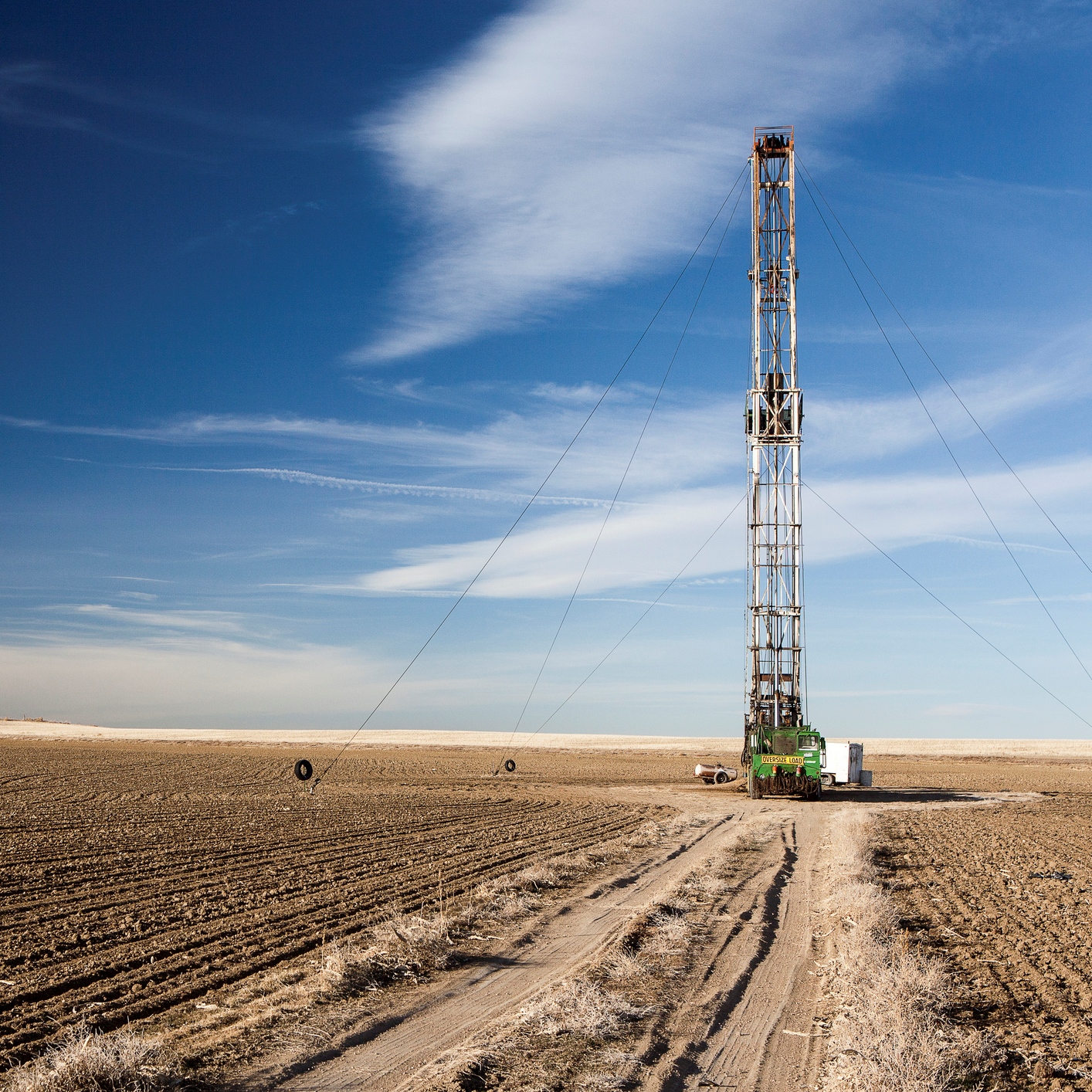
In the week ended August 11, 2017, the number of rigs drilling for oil in the United States totaled 768, up by three compared with the prior week and up by 372 compared with a total of 396 a year ago. Including 181 other rigs drilling for natural gas, there are a total of 949 working rigs in the country, down by five from a week ago and up by 468 year over year. The data come from the latest Baker Hughes North American Rotary Rig Count released on Friday.
West Texas Intermediate (WTI) crude oil for September delivery settled at $48.59 a barrel, down 2% on Thursday. Crude prices were trading down about 0.2% Friday afternoon at around $48.49 and rose to around $48.65 after the rig count data were released.
The natural gas rig count decreased by eight to a total of 181. The count for natural gas rigs is now up by 98 year over year. Natural gas for September delivery traded flat at around $3.02 per million BTUs before the count was released and also remained essentially flat afterward.
The decline in rigs drilling for natural gas reflects the industry’s rather better effort at reducing production in an effort to lift prices. The natural gas injection season runs through the end of October, and the total in storage to date is below the total at the same time last year.
[nativounit]
Continued production increases among OPEC members and their 10 partners have stalled the effort to rebalance the crude oil market. U.S. producers, particularly those in the country’s shale plays, generally expect to reduce capital spending a bit in the second half of this year as prices remain below $50 a barrel.
According Reuters oil analyst John Kemp, Harold Hamm, founder and CEO of Continental Oil, has said the shale companies need a price of above $50 to be sustainable. Kemp notes:
Some firms claim they can break even and even make large profits with benchmark WTI prices below $50 or even $40 per barrel.
It remains unclear if these figures apply to full lifecycle costs (including overheads) and all the parts of all the shale plays (or just the most productive sweet spots).
[recirclink id=406161]
Among the states, Texas lost seven rigs last week and Louisiana lost one. California and New Mexico each added a rig last week.
In the Permian Basin of west Texas and southeastern New Mexico, the rig count now stands at 377, down two compared with the previous week’s count. The Eagle Ford Basin in south Texas has 75 rigs in operation, three less week over week and the Williston Basin (Bakken) in North Dakota and Montana now has 53 working rigs, unchanged for the week.
[wallst_email_signup]









 Top Gaining Stocks
 Top Losing Stocks