


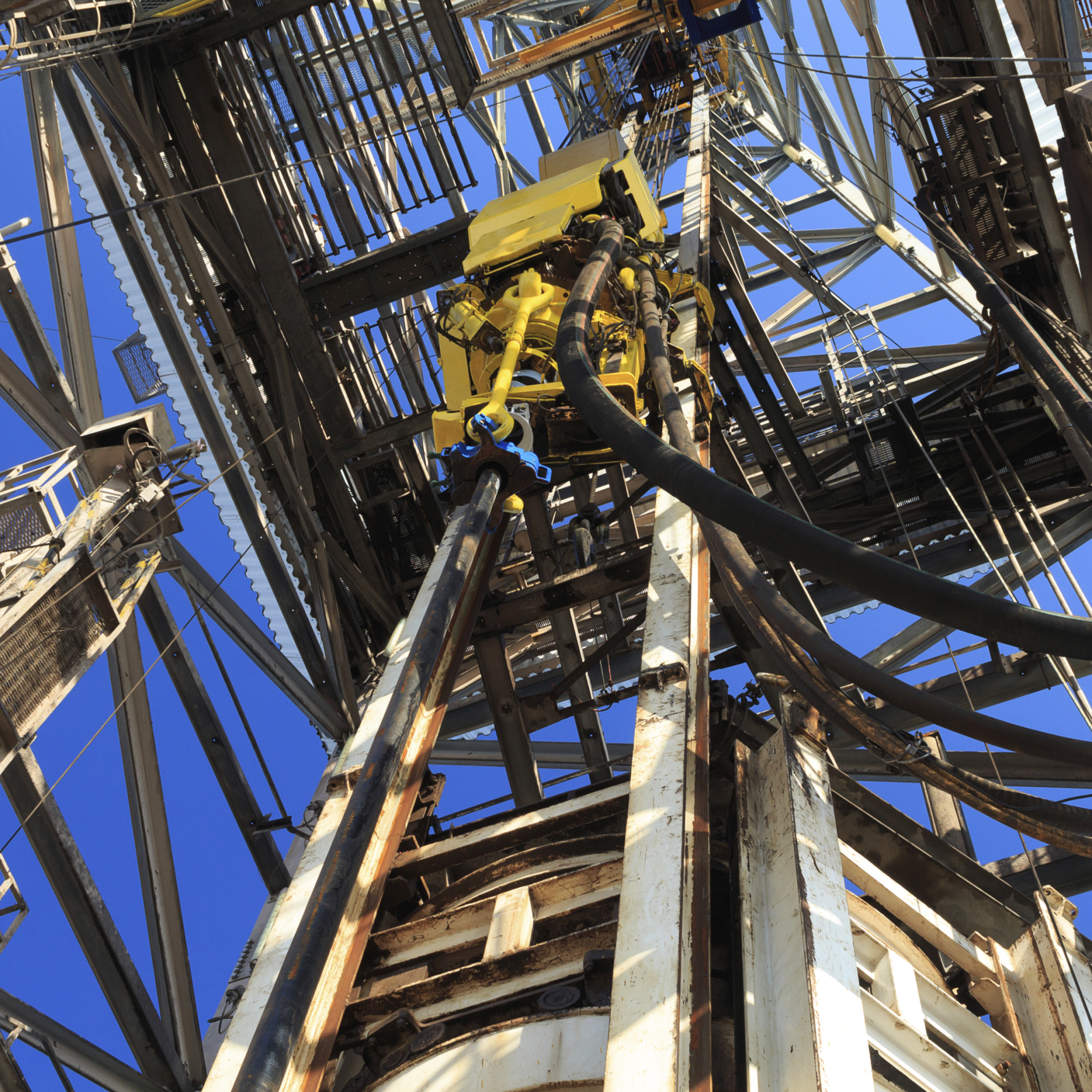
In the week ended August 18, 2017, the number of rigs drilling for oil in the United States totaled 763, down by five compared with the prior week and up by 357 compared with a total of 406 a year ago. Including 182 other rigs drilling for natural gas and one listed as miscellaneous, there are a total of 946 working rigs in the country, down by three week over week and up by 455 year over year. The data come from the latest Baker Hughes North American Rotary Rig Count released on Friday.
West Texas Intermediate (WTI) crude oil for September delivery settled at $47.09 a barrel, up 0.7% on Thursday. Crude prices were trading up about 2.8% Friday afternoon at around $48.40 and rose to around $48.45 after the rig count data were released.
The natural gas rig count increased by one to a total of 182. The count for natural gas rigs is now up by 99 year over year. Natural gas for September delivery traded about 1.1% at around $2.90 per million BTUs before the count was released and remained essentially flat afterward.
Prices for crude oil, whether Brent or WTI, may have bounced around over the past 12 months, but the end result has been a current price that is around 2% higher than it was a year ago. That indicates that the OPEC-brokered cuts have not had much influence on oil prices.
[nativounit]
We may be in for a change, however. Reuters energy industry analyst John Kemp notes that WTI futures for September delivery are priced at a discount of 77 cents a barrel compared to March 2018 futures contract. At the same time last year, September 2017 futures traded at a discount of nearly $3.50 to the March 2017 futures price.
Historically, the price spread between months is more closely related to the basic supply-demand situation than is the current price. The current swing in price spreads is, according to Kemp, “a strong signal that the market is rebalancing (or most traders believe it is rebalancing).”
Among the states, North Dakota lost two rigs last week while Alaska, Louisiana and Oklahoma lost one each. One rig was added in New Mexico.
In the Permian Basin of west Texas and southeastern New Mexico, the rig count now stands at 377, unchanged compared with the previous week’s count. The Eagle Ford Basin in south Texas has 75 rigs in operation, also unchanged week over week, and the Williston Basin (Bakken) in North Dakota and Montana now has 51 working rigs, down two for the week.
[recirclink id=406161]
[wallst_email_signup]







 Top Gaining Stocks
 Top Losing Stocks