


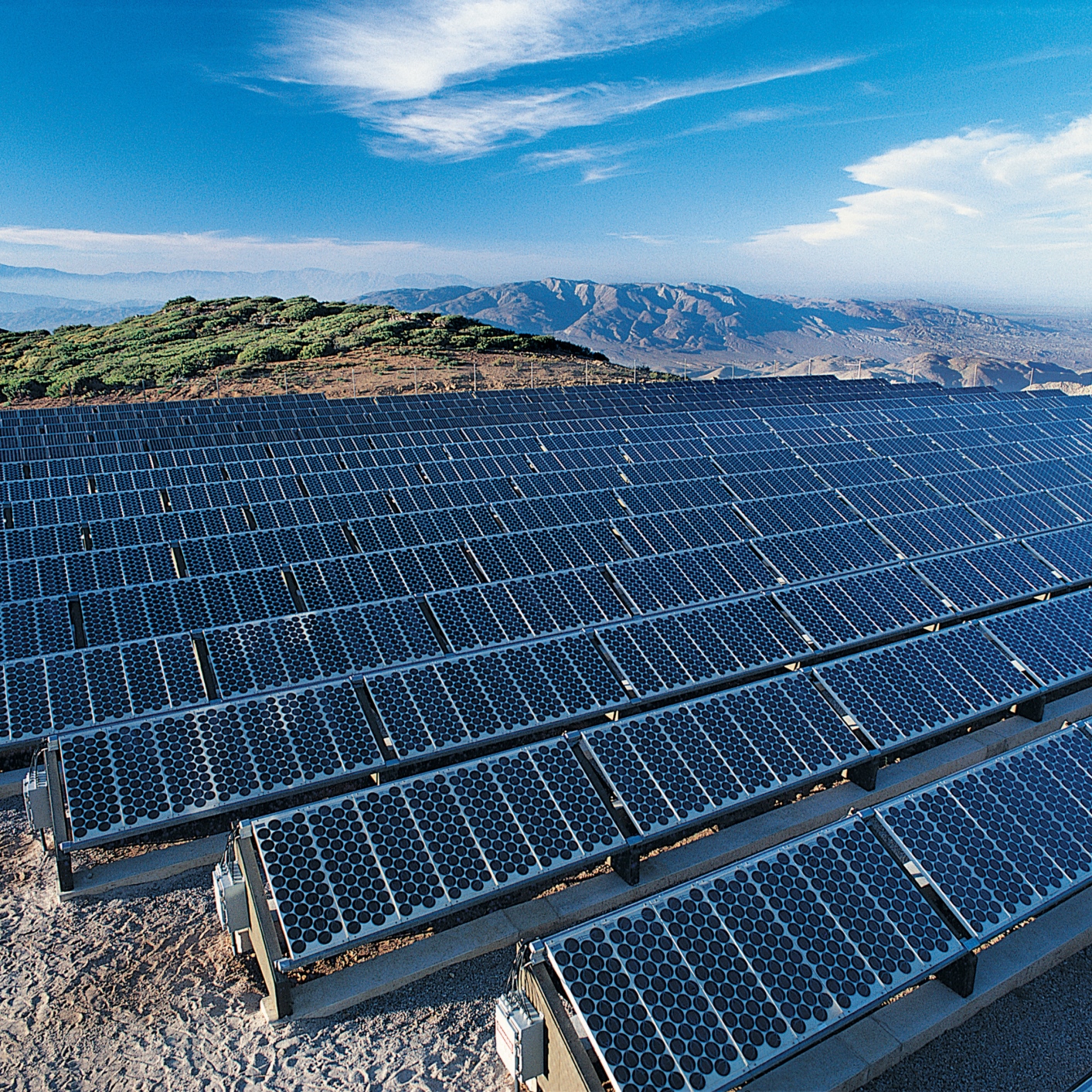
Led by new investment in solar energy projects totaling nearly $161 billion, global investment in clean energy technology rose to $333.5 billion in 2017, the second-highest total on record and 4% higher than the 2016 total of $324.6 billion.
China led all countries with a total investment of $132.6 billion, a jump of 24% year over year, while the United States investment totaled $56.9 billion (up 1%) for 2017.
Australia’s investment in large wind and solar projects generated an overall increase in clean energy investment of 150% to a record $9 billion. Mexican investment rose 516% to $6.2 billion.
Investment declined by 26% in Europe to $57.4 billion. The declines were largest in Germany (down 26% to $14.6 billion) and the United Kingdom (down 56% to $10.3 billion). Investment also dropped by 16% in Japan to a total of $23.4 billion.
[nativounit]
The data were reported Tuesday morning by Bloomberg New Energy Finance (BNEF). BNEF CEO Jon Moore commented:
The 2017 total is all the more remarkable when you consider that capital costs for the leading technology – solar – continue to fall sharply. Typical utility-scale PV systems were about 25% cheaper per megawatt last year than they were two years earlier.
Just over half of the global total investment of $160.8 billion in new solar projects ($86.5 billion) was spent in China. That’s a 56% jump year over year. New capacity installed totaled 5,300 megawatts of solar photovoltaic (PV), up from 3,000 megawatts in 2016.
BNEF had estimated that China’s 2017 solar capacity would rise to 3,300 megawatts. Justin Wu, head of the firm’s Asia-Pacific, commented on the wide underestimation:
[F]irst, despite a growing subsidy burden and worsening power curtailment, China’s regulators, under pressure from the industry, were slow to curb build of utility-scale projects outside allocated government quotas. Developers of these projects are assuming they will be allocated subsidy in future years.
Second, the cost of solar continues to fall in China, and more projects are being deployed on rooftops, in industrial parks or at other distributed locales. These systems are not limited by the government quota. Large energy consumers in China are now installing solar panels to meet their own demand, with a minimal premium subsidy.
Other notable changes by countries spending more than $1 billion last year include the following:
- India: $11 billion, down 20% year over year
- Brazil: $6.2 billion, up 10%
- Canada: $3.3 billion, up 45%
- Egypt: $2.6 billion, up 495%
- United Arab Emirates: $2.2 billion, up 23×
- Argentina: $1.8 billion, up 777%
Visit the BNEF website for more details and information.
[recirclink id=426961]
[wallst_email_signup]







 Top Gaining Stocks
 Top Losing Stocks