


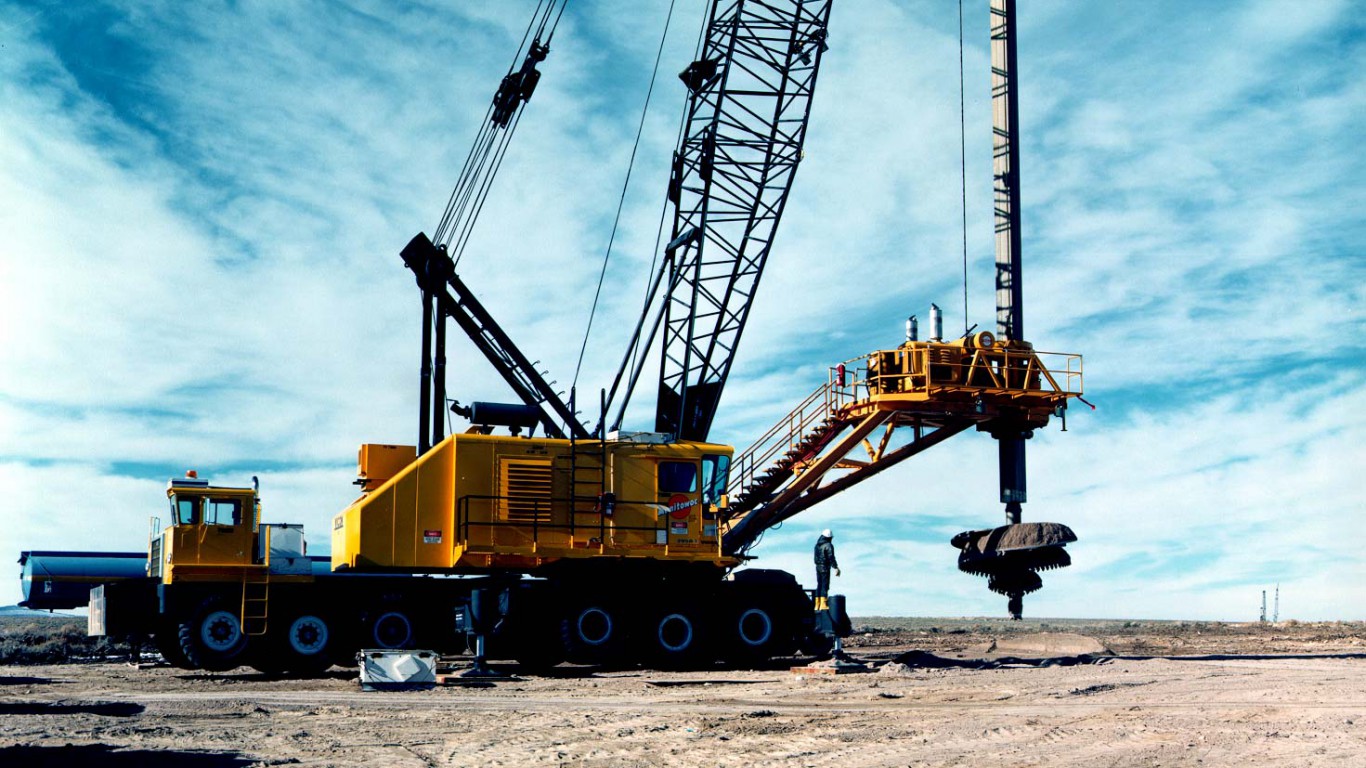
In the week ending September 14, 2018, the number of land rigs drilling for oil in the United States totaled 867, a gain of seven compared to the previous week and up by 118 compared with a total of 749 a year ago. Including 186 other land rigs drilling for natural gas and two listed as miscellaneous, there are a total of 1,055 working rigs in the country, up by seven from a week ago and up by 119 year over year. The data come from the latest Baker Hughes North American Rotary Rig Count released on Friday afternoon.
West Texas Intermediate (WTI) crude oil for October delivery settled at $68.59 a barrel on Thursday and traded up about 0.4% Friday afternoon at around $68.88 shortly before regular trading closed. WTI is on track to close the week up by around 1%. Brent crude for November delivery traded at $78.10 a barrel, down about 0.1% for the day.
The natural gas rig count remained unchanged at 186 this week. The count for natural gas rigs is now flat year over year. Natural gas for October delivery traded down about 1.6% at around $2.77 per million BTUs, flat compared to last Friday and essentially flat for the week.
In its Short-Term Energy Outlook published earlier this week, the U.S. Energy Information Administration (EIA) raised its forecast for the average spot price of both Brent and WTI crude oil for this year and next. The agency now expects Brent crude to average $73 a barrel in 2018 and $74 a barrel in 2019. WTI is forecast to average about $6 a barrel less in both years. The EIA said that tighter supplies would drive average Brent prices to $76 a barrel in the fourth quarter of this year and WTI prices to $68.
[nativounit]
Among the states, Baker Hughes reports Louisiana and Pennsylvania added three rigs each, while Colorado and Oklahoma each added two new rigs. Alaska and North Dakota added one rig each. Texas lost three rigs during the week, and three states — New Mexico, Ohio and Wyoming — lost one rig each.
In the Permian Basin of west Texas and southeastern New Mexico, the rig count now stands at 483, one less compared with the previous week’s count. The Eagle Ford Basin in south Texas has 78 rigs in operation, unchanged week over week, and the Williston Basin (Bakken) in North Dakota and Montana has 54 working rigs, up by one for the week.
Producers added three horizontal rigs this week, and the count rose to 921, while offshore drillers reported a total of 18 rigs, up by one compared with the previous week’s count.
[recirclink id=492483]
[wallst_email_signup]






 Top Gaining Stocks
 Top Losing Stocks