


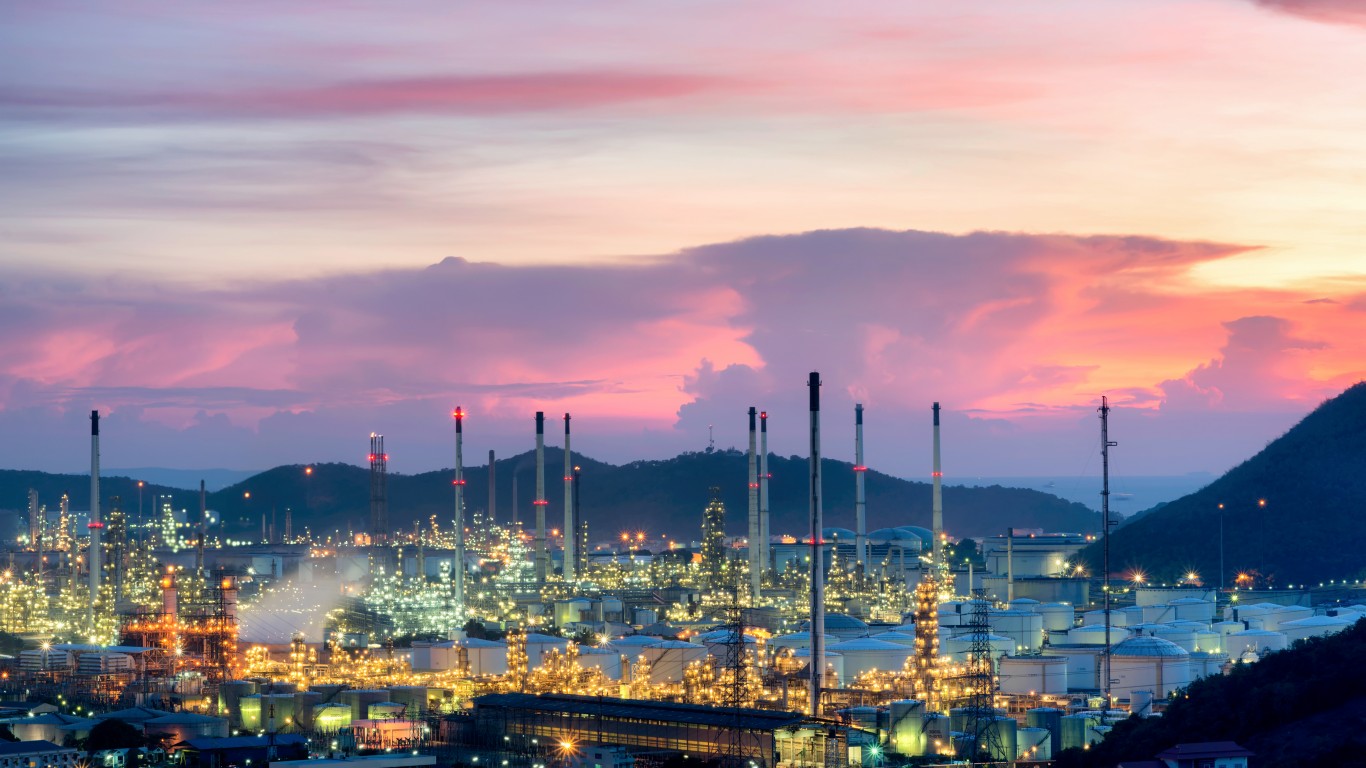
Is it unimaginable that oil prices could reach $100 a barrel? No. Crude prices reached that point just over a decade ago. Drone attacks on Saudi oil fields pushed the price of Brent crude futures up from $60 to $68 the day after the catastrophe. This incident will not lift crude to $100, but some experts believe attacks on oil fields are far from over.
The attacks put about 6% of world output offline. The Saudis say they can bring a third of that back early in the week. The schedule for the balance has not been set exactly. What is clear is that the drone attack is something that could be repeated, and it is unclear how easily they could be stopped.
The Saudi attack is a reminder that other parts of the world’s oil supply also have risks. Venezuela has the world’s largest proven oil reserves. The production in Venezuela is at the lowest level since 2003, according to the U.S. Energy Information Administration. To a large extent, that is because of the unstable political climate in the country, and ultra-high inflation and attacks on the government could worsen that quickly. Most experts believe that the nation’s output will continue to slow.
Nigeria also is one of the world’s largest oil producers. The risk to its supply is high. Militants in the nation have threatened to attack pipelines. Actual attacks have happened before. The pipelines in the nation are hundreds of miles long, so it is impossible to defend them anywhere close to completely.
Whatever risks there are in areas outside the Middle East, they pale in contrast to the oil from Iran, Iraq, Saudi Arabia, the United Arab Emirates and Kuwait. Each is among the world’s largest oil producers. In fact, Saudi Arabia is the world’s second-largest oil producer.
[nativounit]
Experts from S&P Platts, which tracks commodity prices and supplies, told CNBC immediately after the attack on Saudi oil fields that such actions could “effectively wipe out the world’s spare capacity.” Wood Mackenzie analyst Alan Gelder commented, “This attack has material implications for the oil market, as a loss of 5 million barrels per day of supplies from Saudi Arabia cannot be met for long by existing inventories and the limited spare capacity of the other OPEC+ group members.”
Demand interruption was the primary cause when oil moved to above $100 a barrel in 2008. It peaked at $145 in July of that year. The interruptions at the time were due to political problems in Nigeria and weather in the Gulf of Mexico that made it difficult to ship crude. Moreover, the assassination of former Pakistan Prime Minister Benazir Bhutto led to high political tensions in the Middle East.
The factors that pushed oil so high in 2008 have not been repeated this year. The new threat is tension among nations in the region, as well as the ability to attack based on new and relatively simple technology. Drones, among the least sophisticated aircraft, can be flown long distances carrying weapons just powerful enough to attack oil facilities. Middle East tensions are severe enough that attempts at similar attacks are not over.
Oil futures do not trade based on the present. They trade on forecasts about oil supply and demand in the future. The future looks rocky and may well get much rockier soon.
[recirclink id=577367]
[wallst_email_signup]






 Top Gaining Stocks
 Top Losing Stocks