


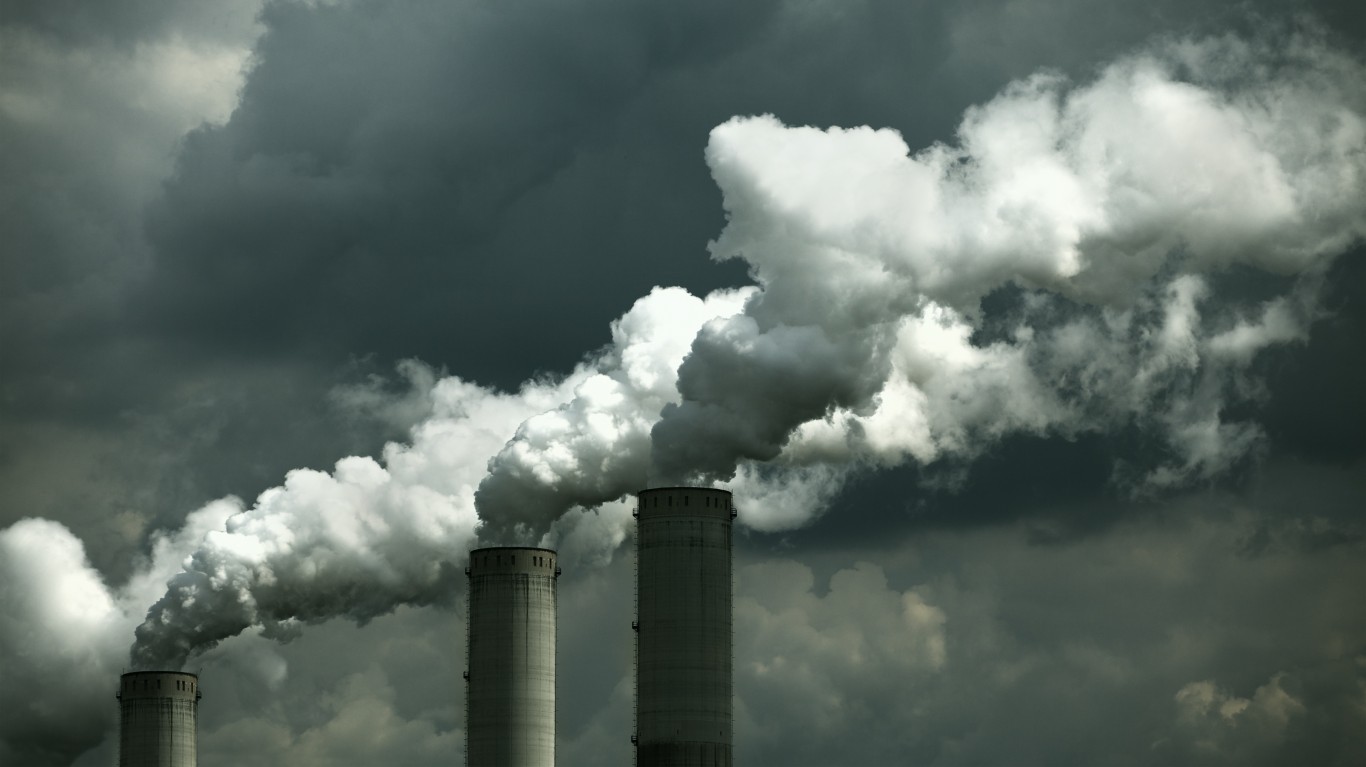
On Monday, the U.S. Environmental Protection Agency (EPA) issued a proposed rule that would relax the 2015 rules for treating wastewater created at coal-fired, steam-electric power generation plants. The 2015 rules took pointed aim at coal-fired power plants by requiring all steam-powered generators that used fossil fuels, fuels like petcoke derived from fossil fuels, or nuclear power to use the most technologically advanced equipment to remove toxic chemicals from wastewater streams.
In Thursday’s announcement, the EPA proposes relaxing the rule on two types of effluent: bottom ash (BA) transport water and flue gas desulfurization (FGD) wastewater. According to the EPA, the proposed rule change would:
… save approximately $175 million dollars annually in pre-tax compliance costs and $137 million dollars annually in social costs as a result of less costly FGD wastewater technologies …; less costly BA transport water technologies made possible by the proposed relaxation of the 2015 rule’s zero discharge limitations; a two-year extension of compliance timeframes for meeting FGD wastewater limits, and additional proposed subcategories for both FGD wastewater and BA transport water. EPA also believes that participation in the voluntary incentive program would further reduce the pollutants that these steam electric facilities discharge in FGD wastewater by approximately 105 million pounds per year.
In April, environmental group Earthjustice won a lawsuit in Louisiana that prevented the EPA from allowing electricity generators from using unlined pits to treat some wastewater streams. The EPA had allowed the power plants to use technology that was last approved in 1982, according to Earthjustice.
In a press release Monday, Earthjustice noted that it expects the EPA soon to release a second proposal that would delay the closure and cleanup of hundreds of leaking, toxic coal ash ponds around the country.
[nativounit]
EPA Administrator Andrew Wheeler said:
These proposed revisions support the Trump administration’s commitment to responsible, reasonable regulations by taking a common-sense approach that will provide more certainty to U.S. industry while also protecting public health and the environment.
Former EPA official Betsy Southerland told UPI:
The 2015 rule being replaced today documented that coal fired power plants discharge over 1 billion pounds of pollutants every year into 4,000 miles of rivers, contaminating the drinking water and fisheries of 2.7 million people. EPA hides the detrimental impacts of these relaxed requirements and exemptions by stating they will achieve lower pollutant loadings because about 30 percent of the plants will voluntarily install treatment that is more stringent than the rule requirements.
Under the proposed rule, power plants may now seek to delay implementation of the 2015 rule until 2025. The change will do nothing to alter the future of coal-fired power generation and coal mining in the United States. The Trump administration’s continued support for coal makes lots of noise but little difference. The switch to natural gas and, ultimately, to renewables is driven by economics, not regulation and bluster. Jeff McDermott, managing partner at Greentech Capital Advisors, a boutique investment bank focused on clean energy, told CNN, “The public doesn’t want [coal]. And the world can’t take it. The Trump administration is playing political favorites, trying to prop up an industry that is technologically obsolete.”
[recirclink id=589912]
[wallst_email_signup]







 Top Gaining Stocks
 Top Losing Stocks