Will Oil Go Back To $100?

Photo of Douglas A. McIntyre
By Douglas A. McIntyre Published
This post may contain links from our sponsors and affiliates, and Flywheel Publishing may receive compensation for actions taken through them.
Will Oil Go Back To $100?

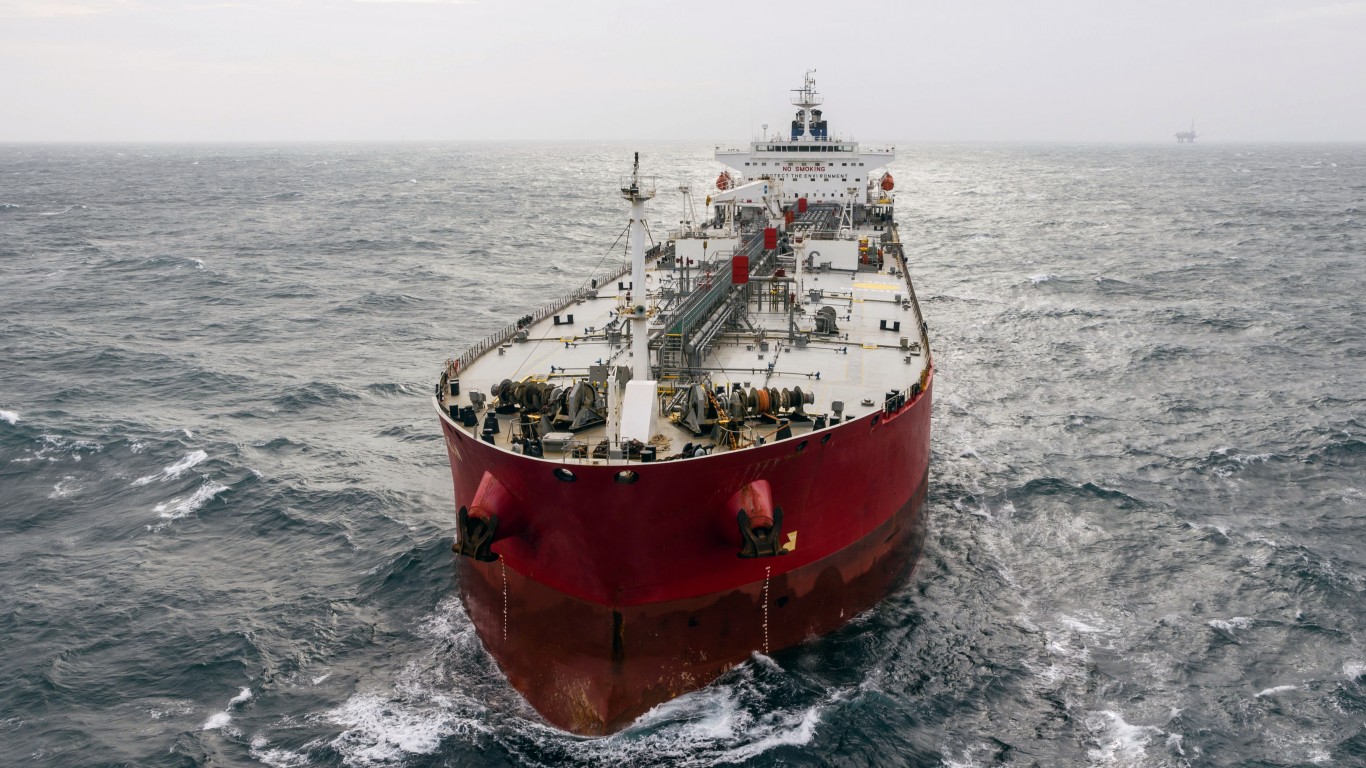
© Dikuch / iStock via Getty Images

If tensions in the Middle East rise, and the Suez Canal loses most of its traffic because of risk to shipping due to attacks by Houthi rebels, oil prices will rise. The question is, by how much? The very few times crude oil has topped $100, geopolitical problems were the causes. The most recent was Russia’s invasion of Ukraine when oil moved to $105 in February 2022.

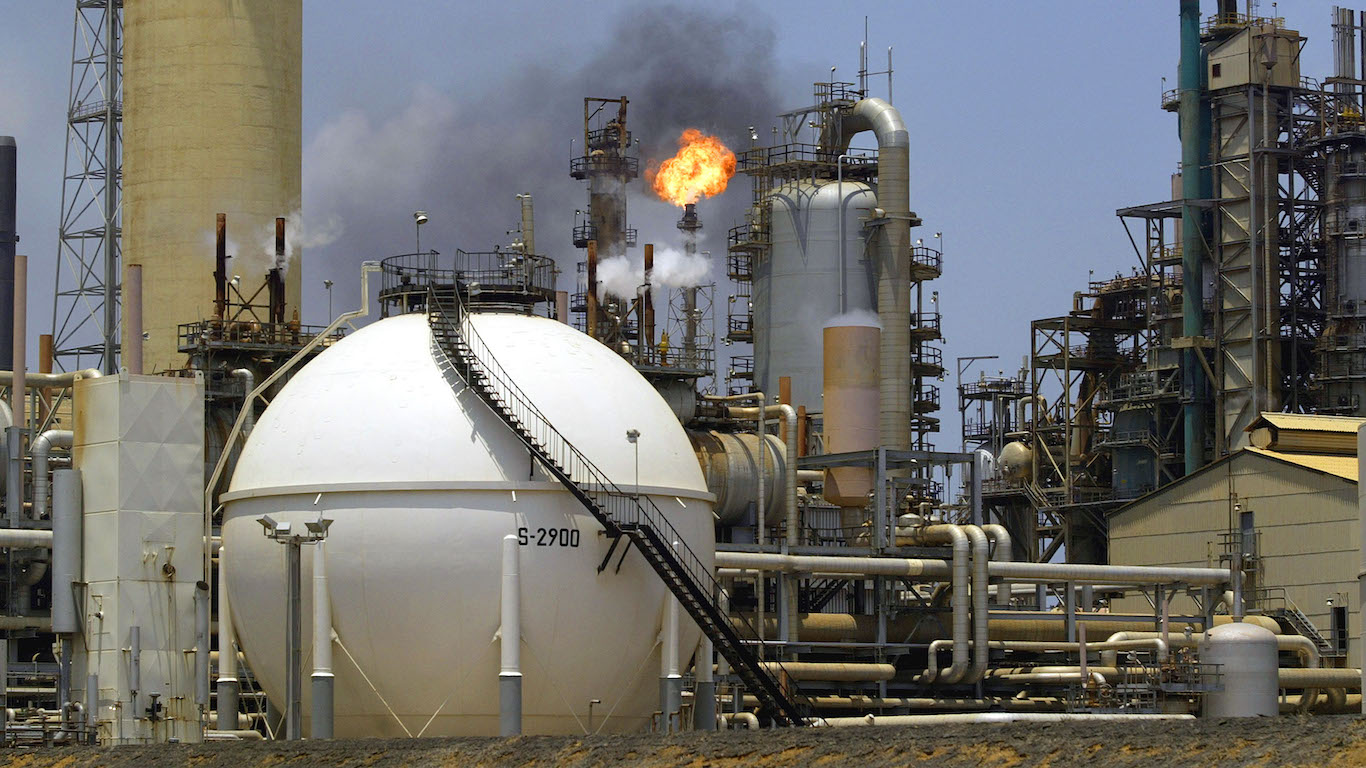
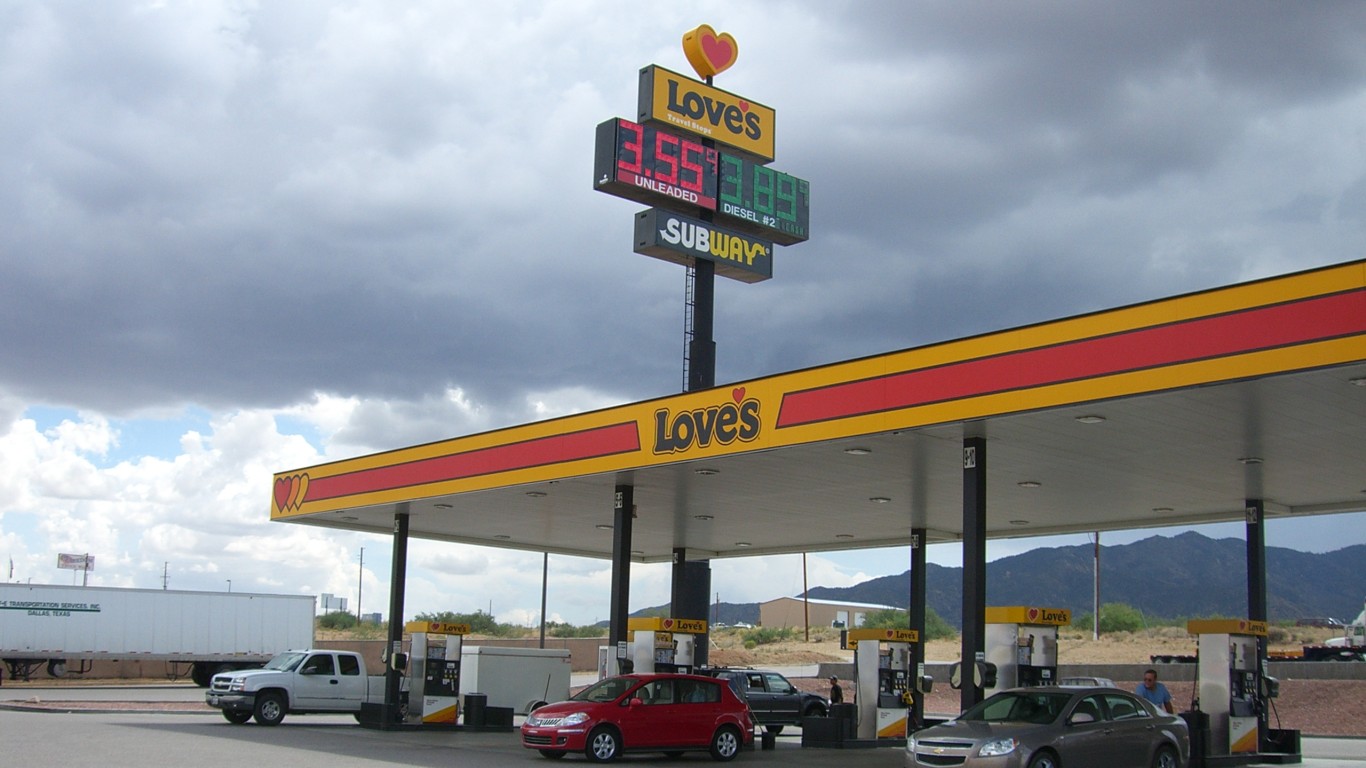
Oil prices above $100 would deeply wound the US economy. The level translates into gas prices just shy of $5, that would undermine consumer discretionary income, which is key to America’s GDP levels. For many people with homes heated by oil, it would significantly drain budgets during the cold months. Fuel prices extend to trucking and air travel. America’s large petrochemical industry would be affected as well.  Some companies have benefited from low oil prices.

On an inflation-adjusted basis, oil was near $100 in 1973. Arab nations raised prices because of conflicts with Israel. Columbia University’s Center on Global Energy Policy wrote on October 17, 2023, the 50th anniversary of what is known as the Arab Oil Embargo, “What followed is seared into the American psyche: Fuel shortages across the country left drivers waiting for hours at the gas pump.” The incident helped trigger a recession that ran from 1973 to 1975.

Disruption of production from Nigeria, one of the world’s largest oil exporters, helped push oil prices above $140 in June 2008. The US economy probably would have cratered into The Great Recession anyway because of a severe crisis in the financial markets, but high energy prices worsened the problem.

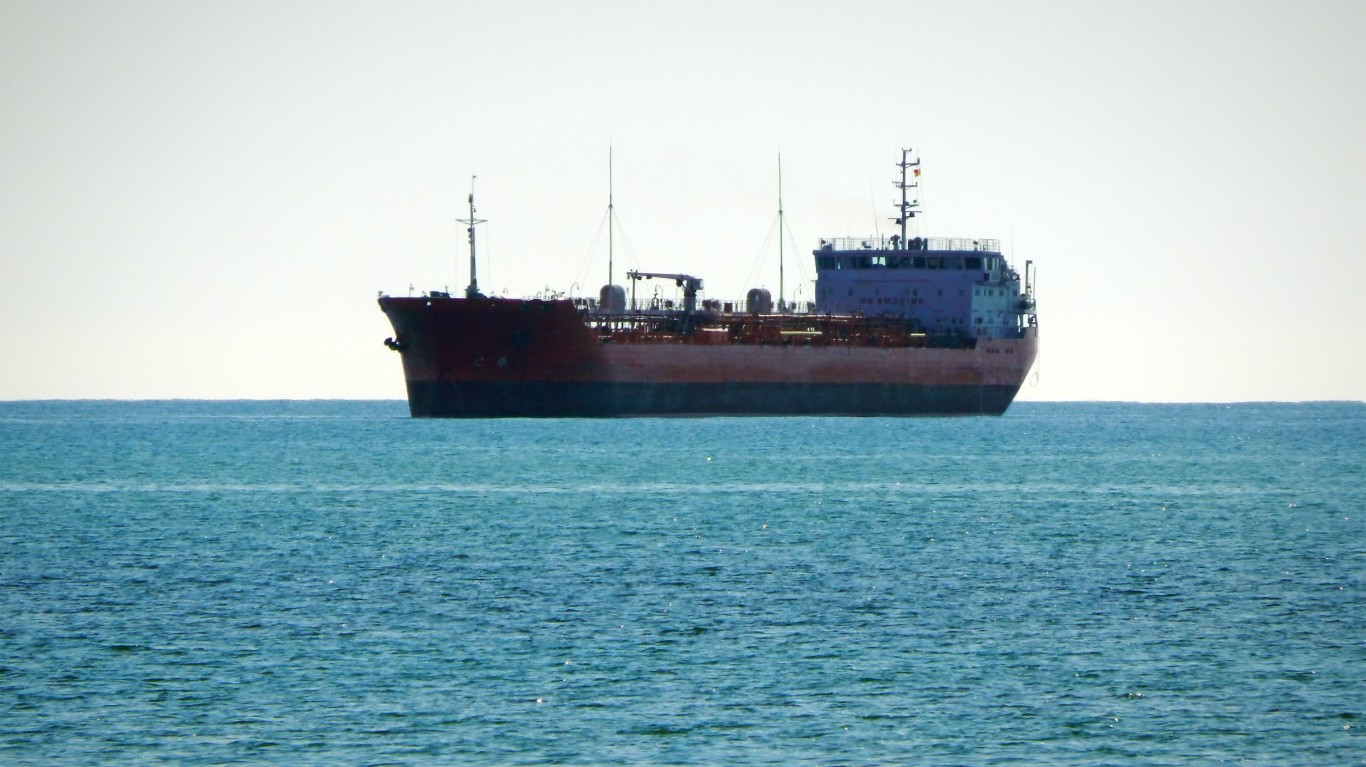
Today, the question is whether a conflict between Israel and Hamas will cause the spread of military activity to other Arab countries, some of which are oil producers. About 10% of global crude production transits the Red Sea and Suez Canal, according to data from Kler, an analytics firm. These ships can reroute south of the Cape of Good Hope, adding a week or more to delivery times, but that does not solve the demand problem entirely.

One thing that characterized the major spikes in crude oil is that they happened very fast, as did the problems that caused them.


Photo of Douglas A. McIntyre
About the Author Douglas A. McIntyre →

Douglas A. McIntyre is the co-founder, chief executive officer and editor in chief of 24/7 Wall St. and 24/7 Tempo. He has held these jobs since 2006.

McIntyre has written thousands of articles for 24/7 Wall St. He is an expert on corporate finance, the automotive industry, media companies and international finance. He has edited articles on national demographics, sports, personal income and travel.

His work has been quoted or mentioned in The New York Times, The Wall Street Journal, Los Angeles Times, The Washington Post, NBC News, Time, The New Yorker, HuffPost USA Today, Business Insider, Yahoo, AOL, MarketWatch, The Atlantic, Bloomberg, New York Post, Chicago Tribune, Forbes, The Guardian and many other major publications. McIntyre has been a guest on CNBC, the BBC and television and radio stations across the country.

A magna cum laude graduate of Harvard College, McIntyre also was president of The Harvard Advocate. Founded in 1866, the Advocate is the oldest college publication in the United States.

TheStreet.com, Comps.com and Edgar Online are some of the public companies for which McIntyre served on the board of directors. He was a Vicinity Corporation board member when the company was sold to Microsoft in 2002. He served on the audit committees of some of these companies.

McIntyre has been the CEO of FutureSource, a provider of trading terminals and news to commodities and futures traders. He was president of Switchboard, the online phone directory company. He served as chairman and CEO of On2 Technologies, the video compression company that provided video compression software for Adobe’s Flash. Google bought On2 in 2009.

Featured Reads

Our top personal finance-related articles today. Your wallet will thank you later.

Continue Reading

Top Gaining Stocks

CBOE Vol: 1,568,143
PSKY Vol: 12,285,993
STX Vol: 7,378,346
ORCL Vol: 26,317,675
DDOG Vol: 6,247,779

Top Losing Stocks

LKQ
LKQ Vol: 4,367,433
CLX Vol: 13,260,523
SYK Vol: 4,519,455
MHK Vol: 1,859,865
AMGN Vol: 3,818,618