


The short answer is that it already has. Shortly after the Russian invasion of Ukraine began on February 22, 2022, the price of Brent crude soared by over 50%. Since that high point, a combination of US-led sanctions, interest-rate hikes by the Federal Reserve, and the dollar’s strength internationally have brought prices down. In the two years of warfare that have followed, there has not been a significant shift in the price. This article will look at the current situation and whether the potential outcomes of the war could push oil back over $100 a barrel.
Why This Matters
Surges in energy prices usually accompany chaotic geopolitical events. The initial outbreak of the war in Ukraine certainly followed this trend. However, the initial price shocks have subsided two years into the conflict. Assessing the current situation, international reaction, and potential outcomes makes it possible to understand the conflict’s potential to impact global oil prices.
Russian Oil
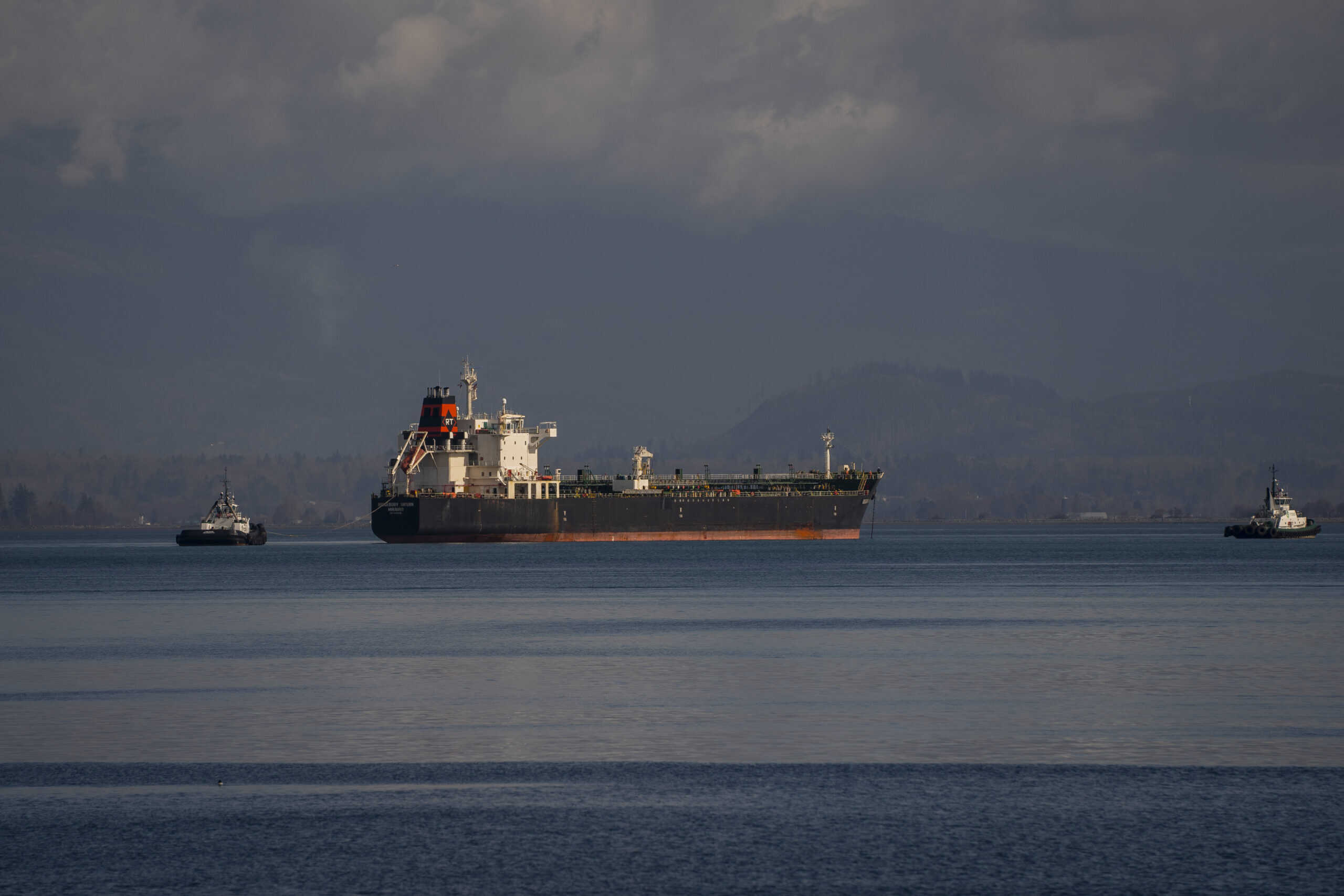
Russia is one of the world’s top oil producers, with around 11% of the world’s supply. Shortly after the invasion of Ukraine began, the United States announced a ban on energy imports from Russia. Further sanctions were imposed by EU and G7 members but enforcement has been a major problem. Russian exports have been impeded but not at the level hoped for.
Oil exports heavily finance Russia’s war effort. North America has all but dried up and European imports have declined sharply. However, they have grown significantly in China, India, and the rest of the world. To be sure, Russia has felt the economic pain of sanctions but the shift away from North America and Europe has lessened their impact.
The Current Strategic Picture
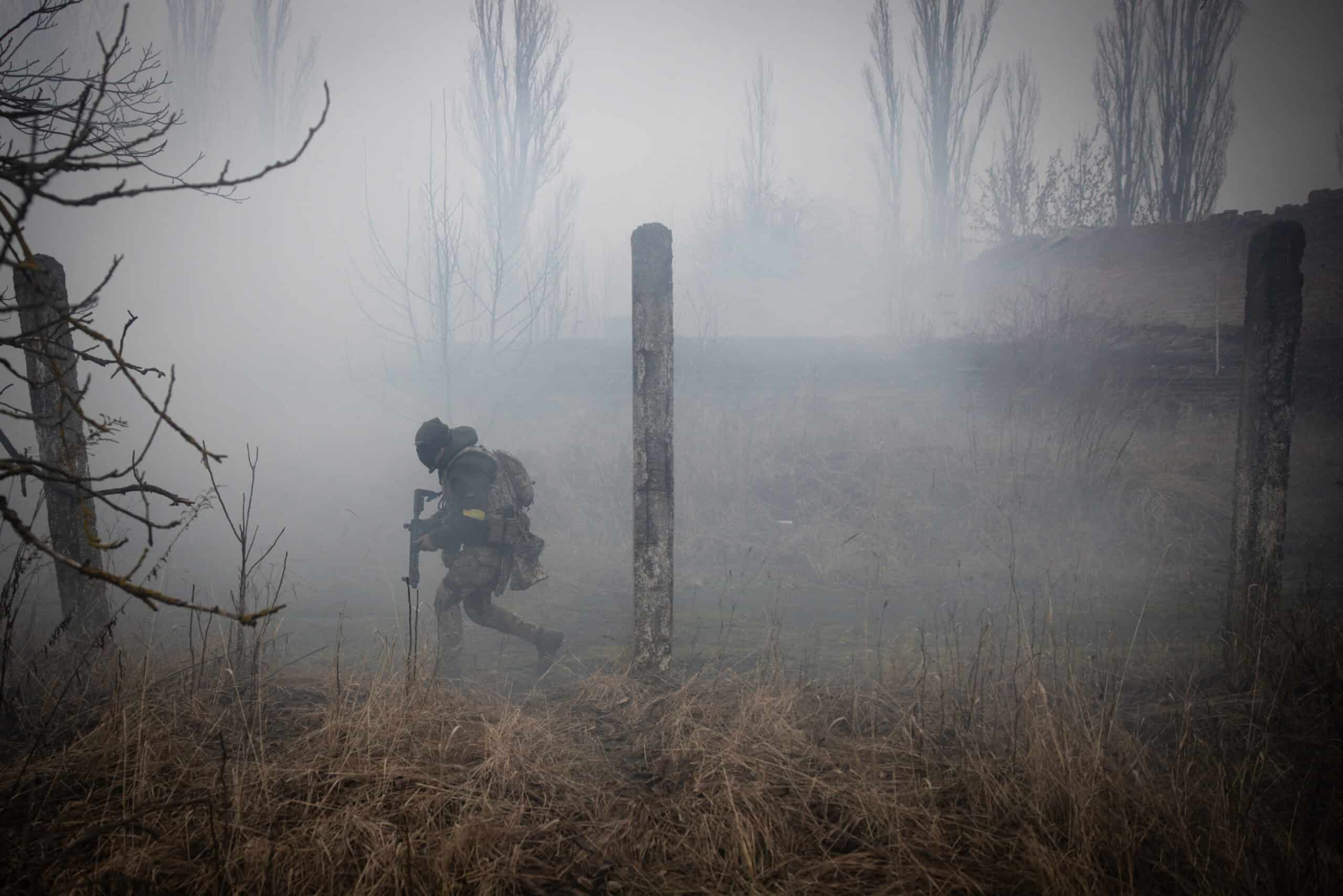
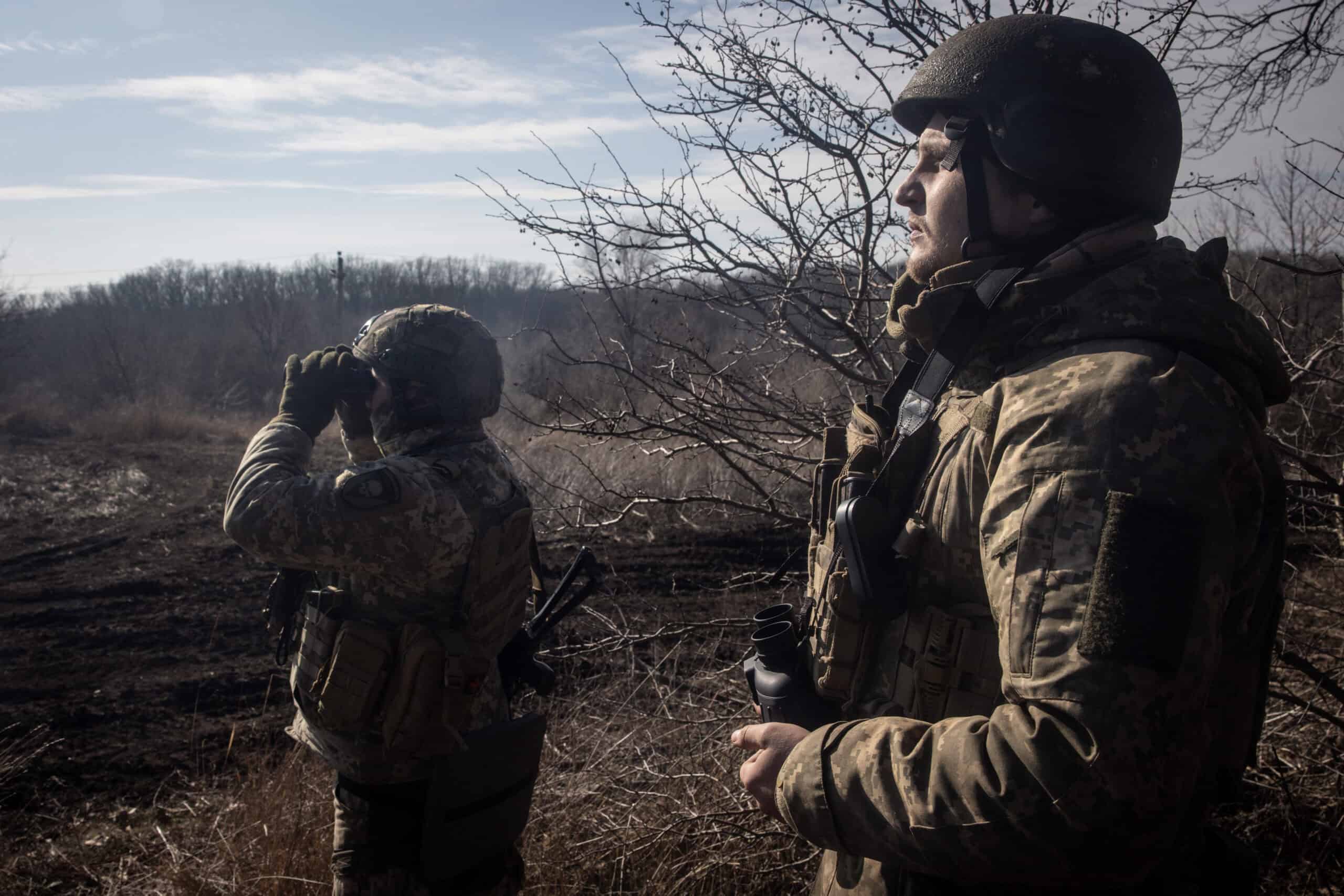
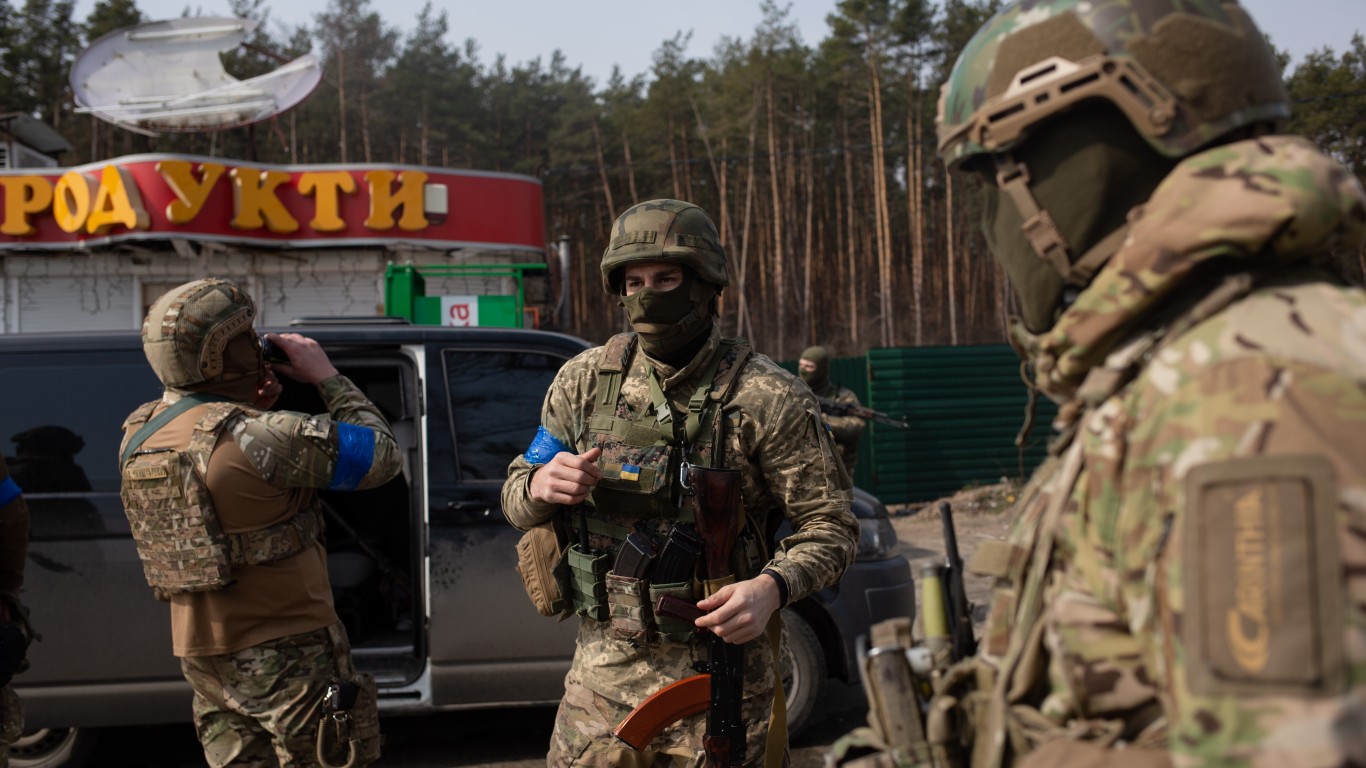
The anticipated swift Russian victory did not come to pass in 2022. An assault on Kyiv was pushed back by and no serious attempt on the Ukrainian capital has been made since. Ukraine’s unexpectedly dogged resistance in the early months of the conflict had Moscow reeling but the counteroffensive launched the following year sputtered out.
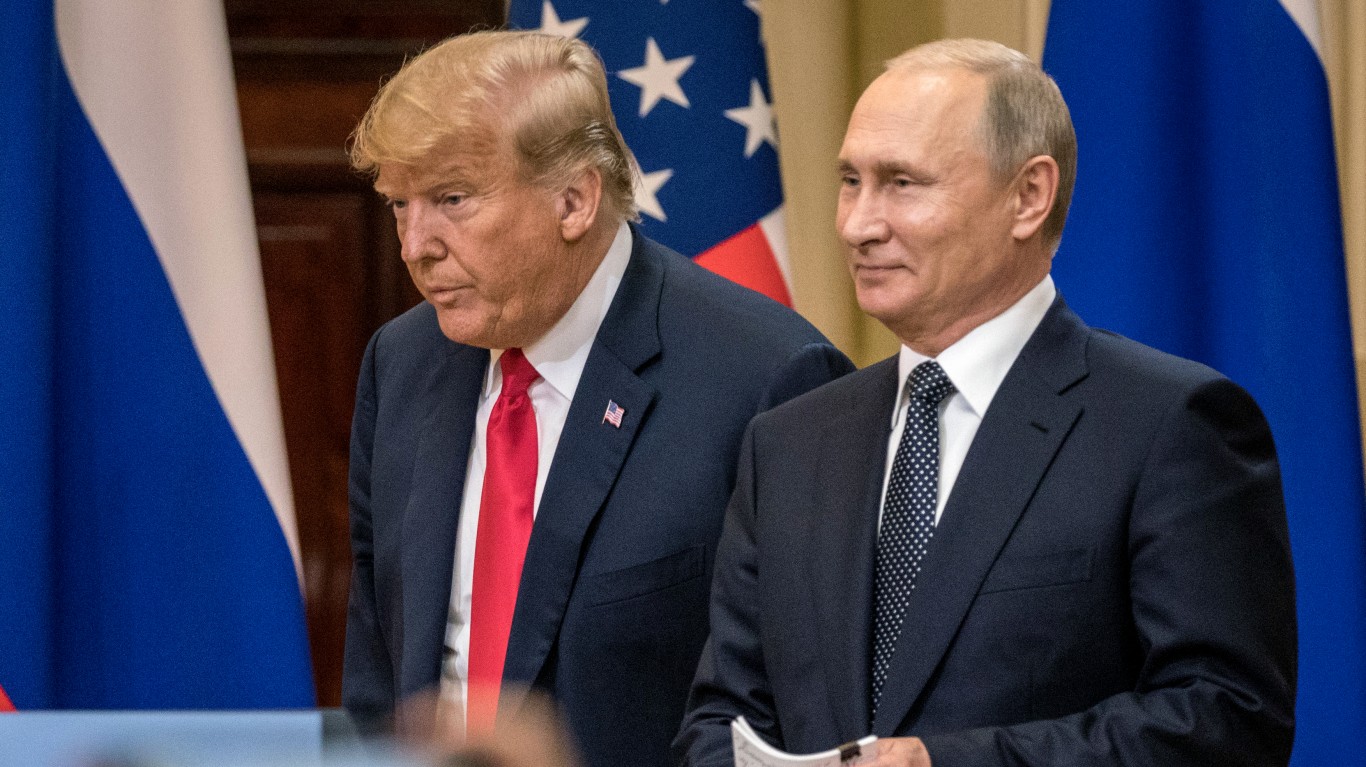
Ukraine could not capitalize on its initial successes without sufficient support from the United States and Europe. Partisan bickering in an election year in the US stalled vital shipments of aid while European arms production is not at the level needed to pick up the slack. Continued support for Ukraine is uncertain. The US Presidential election in November may have an enormous bearing on the war’s outcome.
After suffering heavy losses and strategic setbacks, Russia pivoted towards a strategy of exhausting Ukraine. Moscow has paid a heavy price for the conflict but has far more troops and weapons to expend than Kyiv. Ukraine does have the manpower or material needed to expel Russian forces and occupy and defend liberated territory. Victory will not be quick or easy but it is anticipated Ukraine will not be capable of fighting beyond 2026. Moscow is banking on wavering international support and grinding down Ukraine’s resistance. If aid is not forthcoming, Kyiv may be forced into a settled peace or accept a de facto annexation of lost territory.
Outcomes
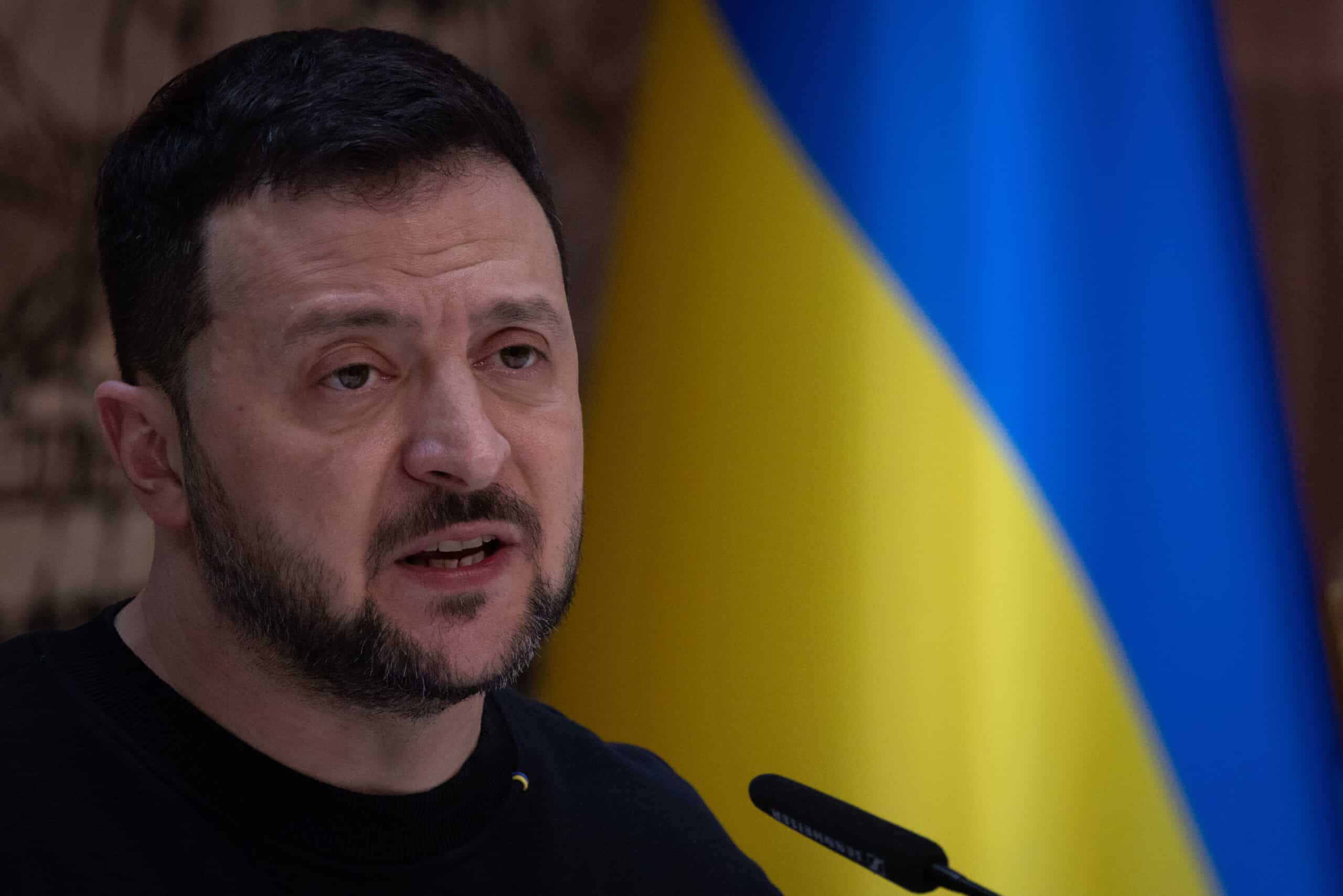
A settled peace would mean some territorial loss for Ukraine. As unpalatable as that outcome would be for Kyiv, their hands may be tied. For Russia, the diplomatic damage will be substantial and long-lasting but a peace treaty should end the sanctions. A de facto annexation along the current frontlines is also possible. An uneasy status quo would mean the sanctions continue and Russia’s pariah status endures. There could be some short-term pain as the markets adjust but it is unlikely any major price rises would endure.
Though French President Emmanuel Macron has adopted a more bellicose stance toward Russia, intervention by other powers is still a remote possibility. The possibility of internal opposition bringing down Vladimir Putin’s regime seems equally far-fetched. Putin’s farcical reelection as president in May 2024 and brutal suppression of his opponents suggest his iron grip on power remains secure.
For Ukraine, victory rests on substantial and sustained material support from the United States and Europe which has not always been forthcoming. America has the means but lacks the will while Europe has the will but lacks the means. Conventional military wisdom is that a roughly 3-to-1 advantage is needed for an offensive to succeed. While that view does have its critics, as a rough rule of thumb, it works well enough to assess the war in Ukraine. Modern firepower could make up for a lack of numbers but Ukraine cannot bridge that gap alone. Ukraine’s attacks on Russian oil refineries have disrupted supply but risk alienating key allies. If the strategic situation worsens, Ukraine may be forced to take such drastic measures. Attacks on Russia’s infrastructure will have an impact on global oil prices but may cost Ukraine the material support it so desperately needs.
Conclusion
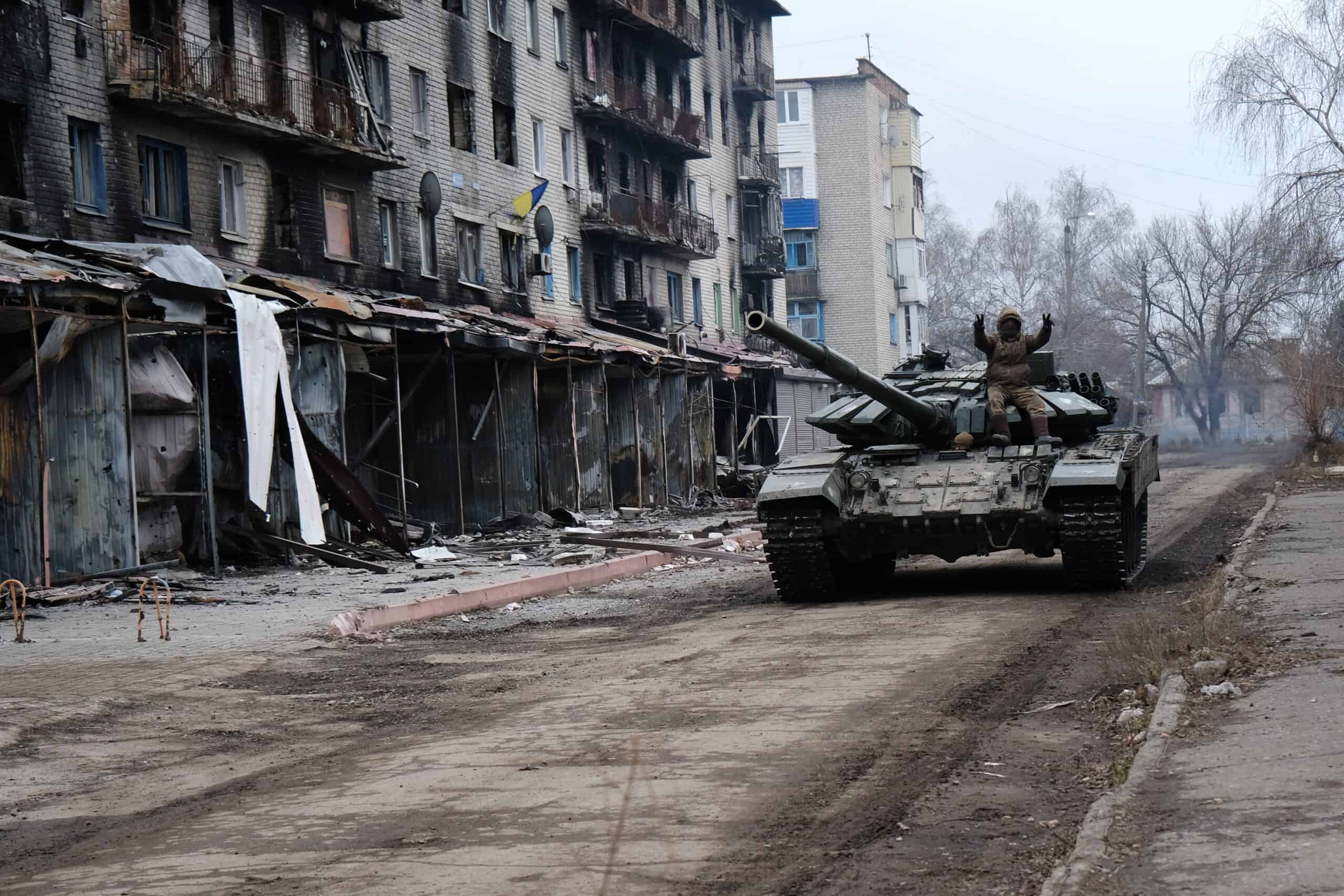
A spike in oil prices tends to follow the immediate aftermath of traumatic international events. The initial outbreak of the Russia-Ukraine War was met with a surge of over 50% in the cost of Brent crude per barrel. Similarly, despite not involving a major oil producer, the Israel-Hamas conflict caused a rise in oil prices. However, the effects of these oil shocks tend to be short-lived as markets quickly grow jaded by major geopolitical events.
As it stands, the war in Ukraine is unlikely to end this year. The Russian strategy of exhausting Ukraine suggests the status quo will persist in the short term. In that scenario, the conflict’s impact on oil prices will be limited.










 Top Gaining Stocks
 Top Losing Stocks