


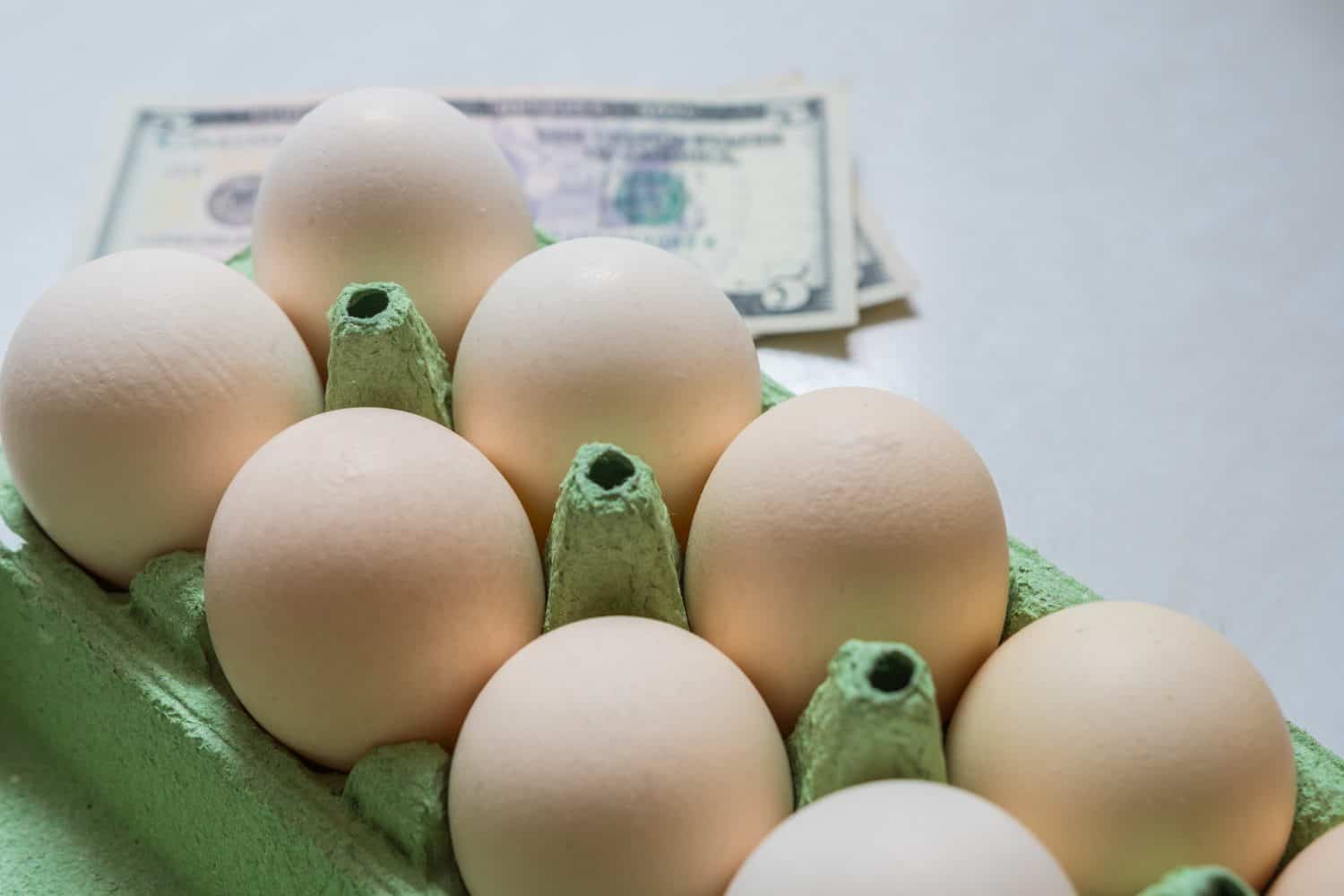
Eggs. Eggs. Eggs. Donald Trump made a campaign promise to bring down the prices of eggs, which had become a national symbol of inflation. He can argue that he was unable to fix it. Egg prices rose 10.9% year over year in August, according to CPI statistics. Much of the increase was due to the avian flu. Deaths among chickens from avian flu are at an 80 million run rate.
However, a larger contributor to food inflation is cocoa and coffee. And, these are about to be hit by tariffs. They have already been decimated by the weather
Côte d’Ivoire and Ghana produce about 50% of the world’s cocoa beans. Over the last two years, these areas have experienced record temperatures and torrential rainfall. Each of these nations will be hit by 15% tariffs.
The price of a ton of cocoa was $4,500 at the start of 2024. It has made violent movements this year. To some extent, this is the actions of traders bidding it up and down. The price reached $11,500 earlier this year. It moved to $7.500 recently. Now it is moving back upward. The price of cocoa is not passed on to the chocolate makers right away. It has to be transported and processed. Several food companies have increased their prices. Among the most recent of these was Hershey (NYSE: HSY). For perspective, Americans are expected to eat about nine pounds of chocolate this year.
Coffee consumption is staggering. Taken as a group, Americans drink 400 million cups of coffee per day. A large portion of the coffee beans in the US comes from Vietnam and Brazil. Vietnam has been hammered by drought and typhoons. Brazil’s coffee crops have been decimated by drought. Between supply chain issues and tariffs, coffee prices have increased by 21% over the past year. And, the effects of tariffs have only just begun. Brazil tariffs could be as high as 50%. (Negotiations with the US are not concluded.)
All of this is to say that there is inflation and there is inflation. It depends on what people buy. Households that don’t eat eggs and drink coffee don’t see the bite of inflation. Those who are heavy consumers of any or all of these foods face an inflation problem.








 Top Gaining Stocks
 Top Losing Stocks