



Clue: 1 across. These help keep you mentally sharp. Ten letters.
Answer: Crosswords.
Two studies just published by the International Journal of Geriatric Psychiatry conclude that adults aged 50 or higher who do word and number puzzles — crosswords, Sudoku, etc. — have better brain function than those who don’t.
The studies, led by researchers at two British institutions, the University of Exeter and King’s College London, asked more than 19,000 subjects how often they worked puzzles, then tested them for attention span, information processing abilities, executive function (the set of skills that lets us accomplish things), and both working and episodic memory.
In testing short-term memory, regular puzzle-workers had brain functions equivalent to those of people eight years younger; in grammatical reasoning, the equivalence rose to 10 years.
While the results of this study don’t establish a cause-and-effect relationship between puzzle-working and brain health, they do reinforce other studies that have shown a strong association between the two, including a 2011 report sponsored by the National Institutes of Health and the Einstein Aging Study and the Religious Orders Study, an Alzheimer’s and dementia research project established in 1986 at the University of Minnesota.
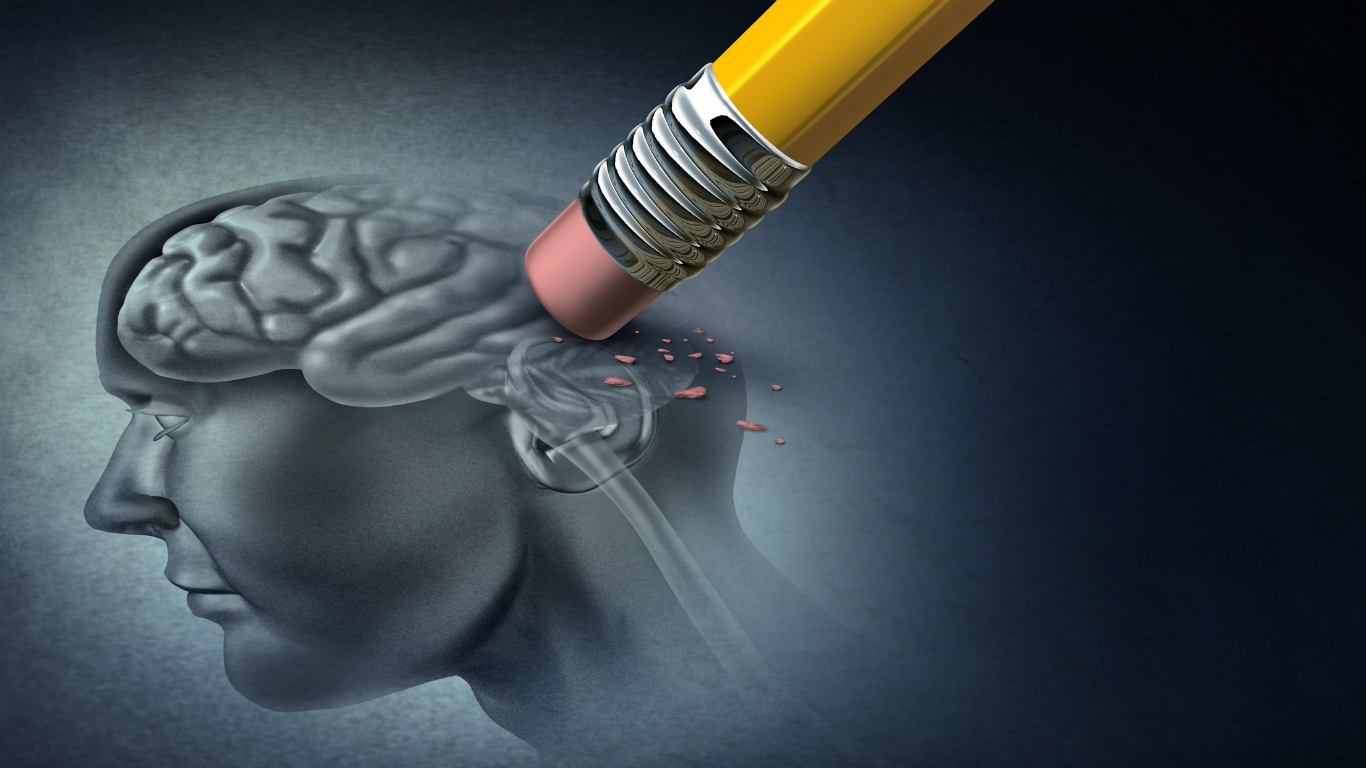
Dementia is a serious problem; the number of Americans who die from complications of Alzheimer’s disease and other forms of severe cognitive decline is projected to triple over the next 30 years. (This is how many people die from dementia in every state.)
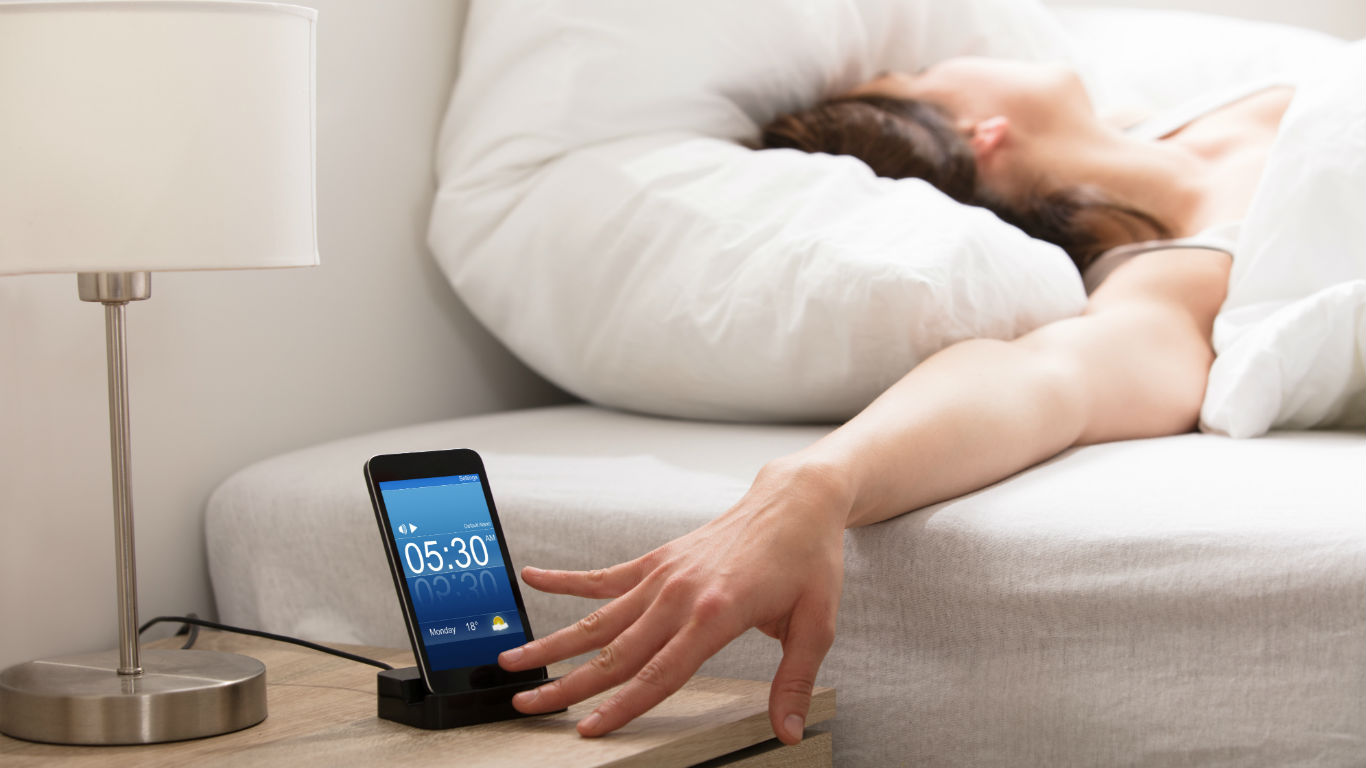
Working puzzles isn’t the only way to help stave off dementia, of course. A Harvard Medical School study on ways to protect against cognitive decline adds that other helpful factors include regular exercise, a Mediterranean-style diet, strong social interactions, and consistent high-quality sleep — poor sleep damages both mind and body in many ways.
Just don’t let these activities get in the way of working those crosswords.












 Top Gaining Stocks
 Top Losing Stocks