


Gun violence and mass shootings have become increasingly prevalent in the United States in recent decades. This has sparked countless debates over gun control laws, with many states choosing to strengthen regulations beyond federal standards. Research suggests that stricter gun control measures may help reduce gun violence, as states with weaker gun control laws tend to have higher rates of firearm-related deaths. (These are the U.S. cities where gun crime is surging.)
According to the analysis of Giffords Law Center, a gun violence prevention group, California has implemented the strongest gun control laws of any state in the country. Accounting for a wide range of policies at the disposal of state governments — including assault-style weapon and high-capacity magazine restrictions, universal background check laws, waiting periods, and regulating firearms in public — Gifford’s Law Center assigned California a letter grade of “A”, on an A-F scale, for the strength of its gun control laws. (This is every state’s gun law grade.)
Using data compiled by Gifford’s Law Center, 24/7 Wall St. reviewed California’s approach to 14 key gun control policy areas. It is important to note that the laws on this list are not exhaustive, and only represent broad guidelines. Legal nuances can vary at the state and local levels.
Why It Matters

With the exception of some modest revisions to background check protocols, the U.S. has not implemented any meaningful gun control reform in decades. Still, state governments also have the authority to enact their own policies, resulting in a patchwork of gun laws across the 50 states. Currently, California ranks as having the strongest state-level firearm regulations in the country.
This is California’s approach to 14 key gun control policy areas.
1. Universal Background Check Laws
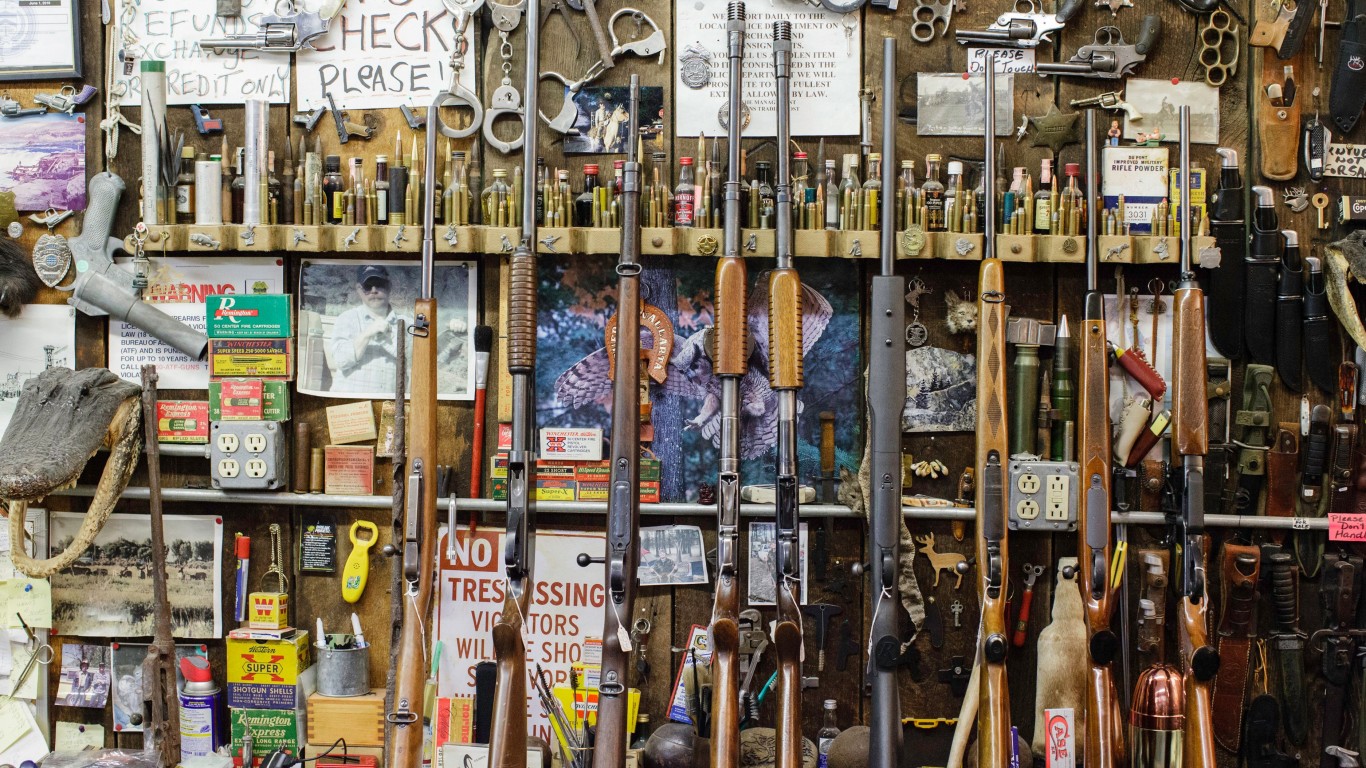
- State policy: All gun buyers must undergo a background check before obtaining a firearm from a licensed retailer — but transfers made from unlicensed retailers are exempt from federal background check requirements. California is one of several states that has closed this loophole, with universal background check laws that cover both licensed and unlicensed dealers.
2. Mental Health Reporting

- State policy: California is required to report individuals involuntarily committed to undergoing mental health treatment, as well as those under 18 years of age who are living with a guardian to help manage their affairs, to federal background check databases.
3. Concealed Carry of a Firearm
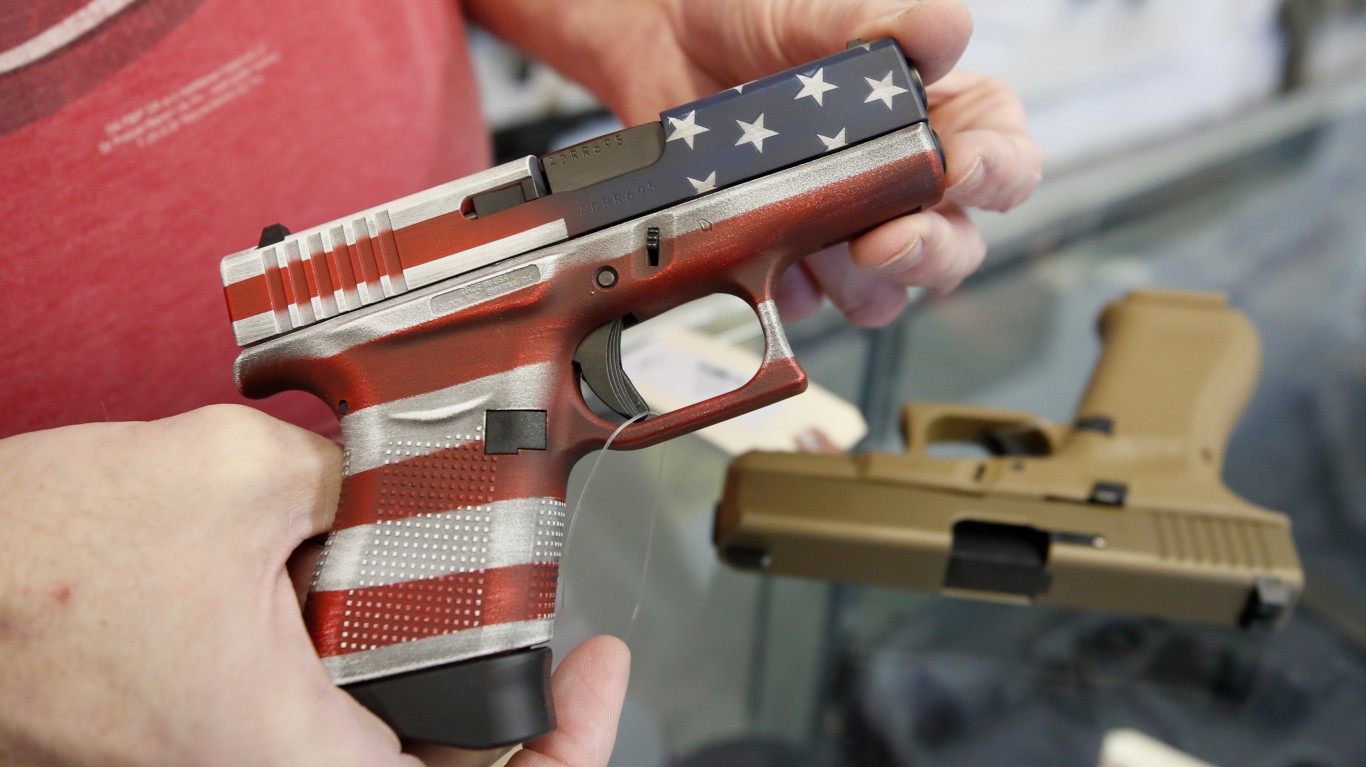
- State policy: A permit is required to carry a concealed firearm in public places in California.
4. Handgun Open-Carry Regulations
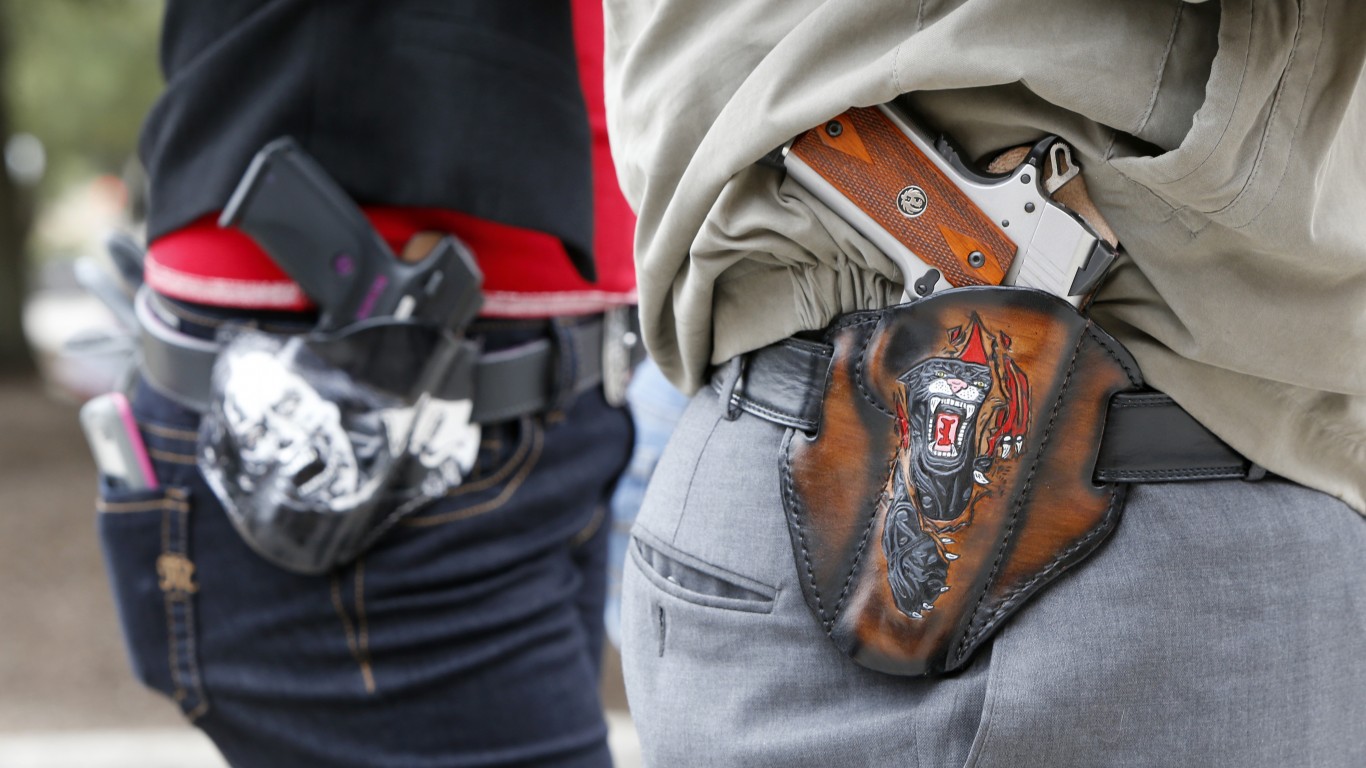
- State policy: Open carry of handguns in public places is prohibited in California.
5. Long-Gun Open-Carry Regulations
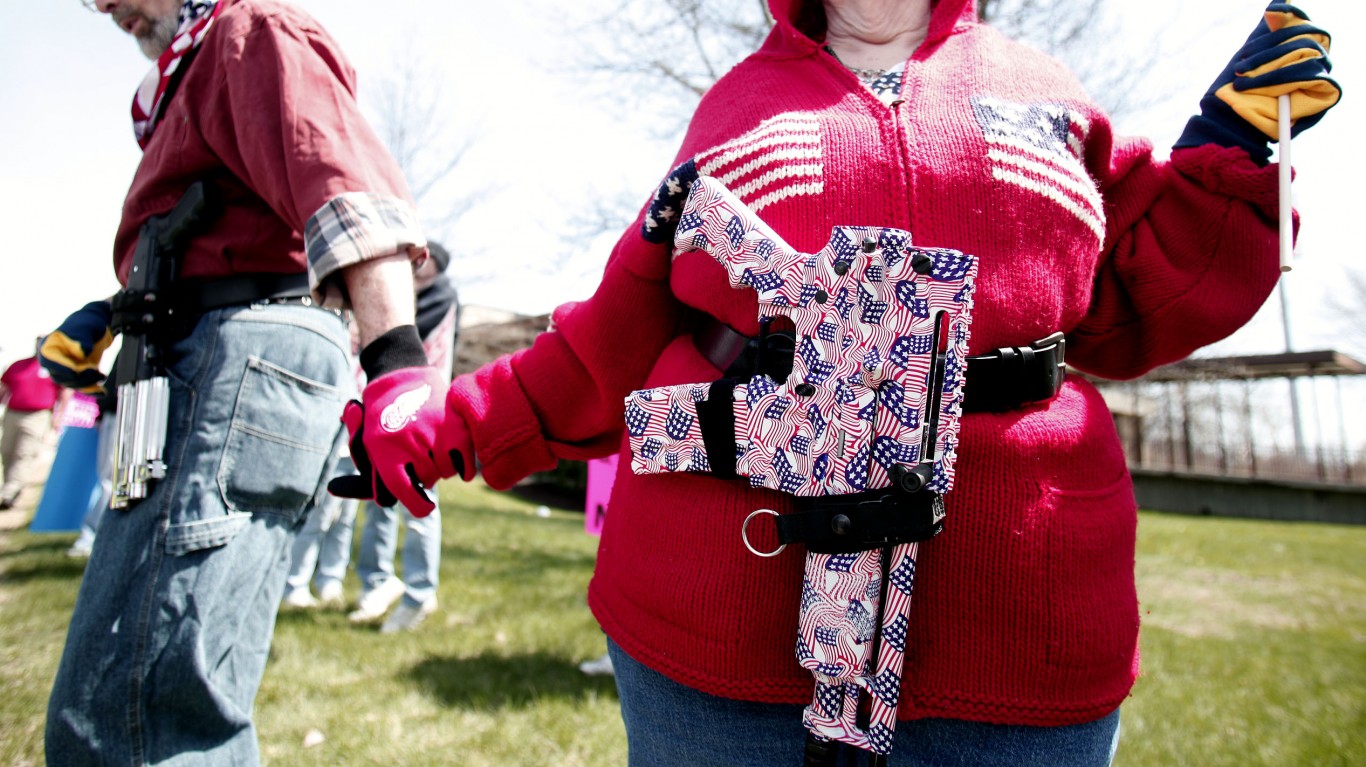
- State policy: Open carry of long guns, like rifles or shotguns, is generally prohibited in California, although there are a few exceptions.
6. Stand-Your-Ground Laws
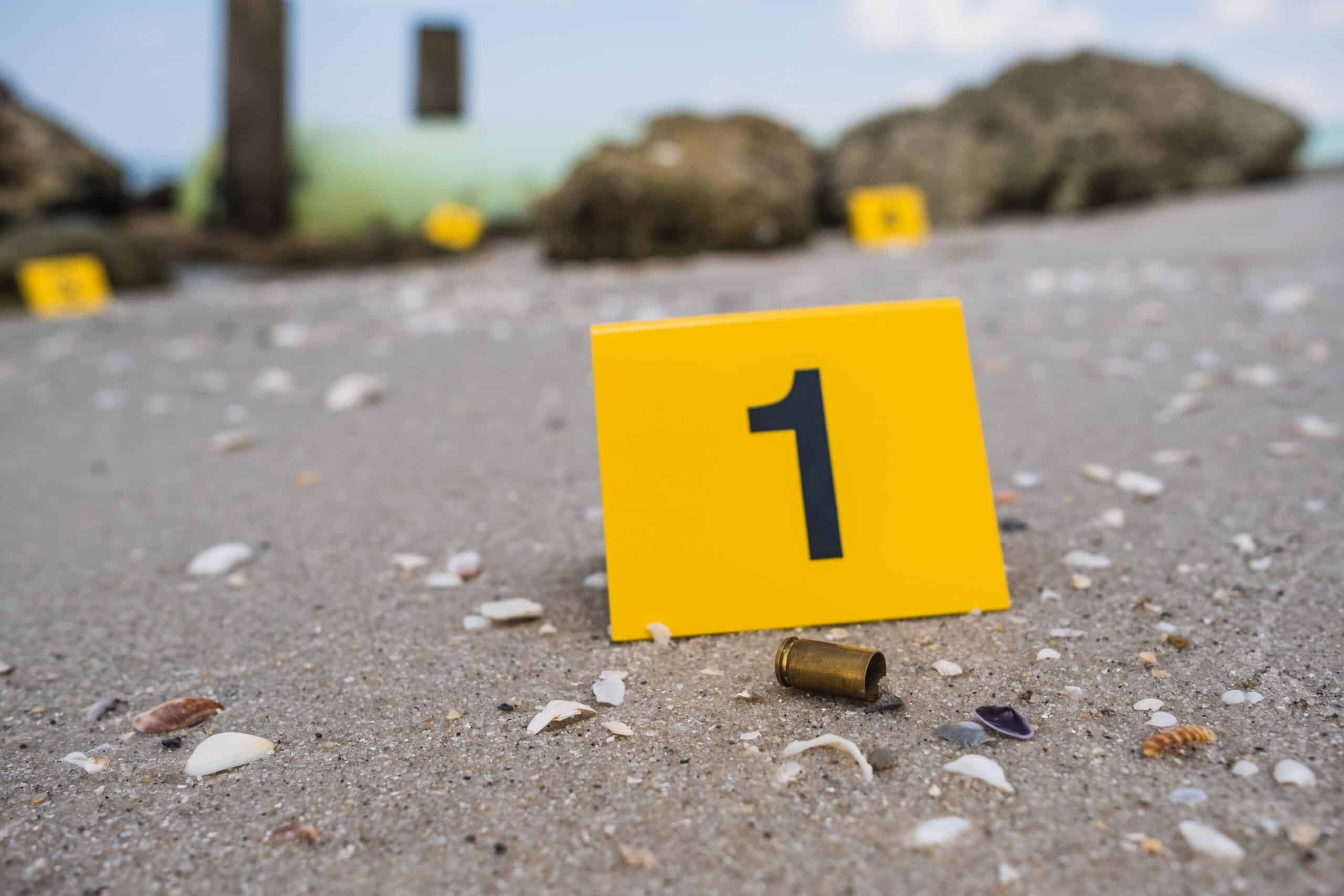
- State policy: The state does not have explicit stand-your-ground laws, but courts have held that lawful gun owners do not have a duty to retreat from a public confrontation when an individual is threatened with death or serious bodily harm.
7. Guns in Schools
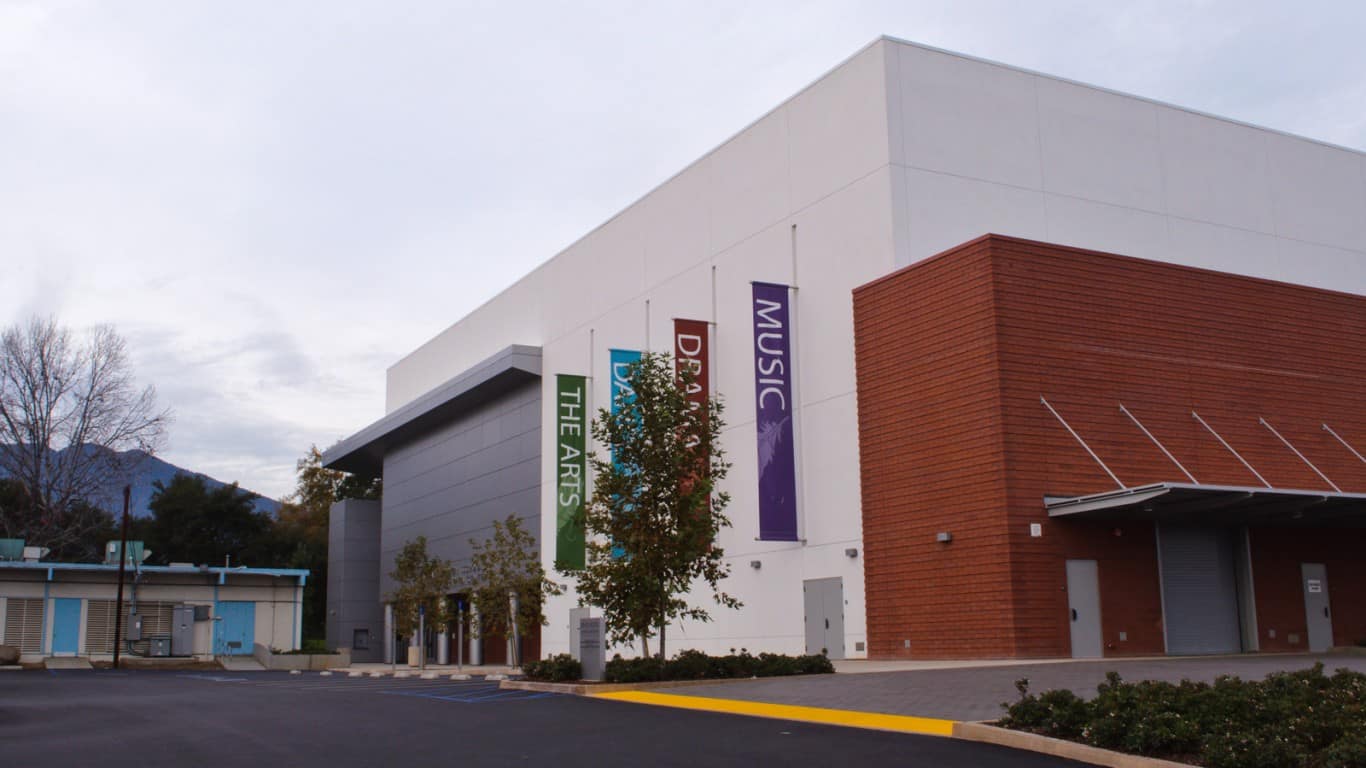
- State policy: In California, firearms can only be carried in K-12 schools by school security officers.
8. Mandatory Waiting Periods for Firearm Purchases
- State policy: In California, there is a mandatory 10-day waiting period for the purchase of all firearms.
9. Assault-Style Weapons
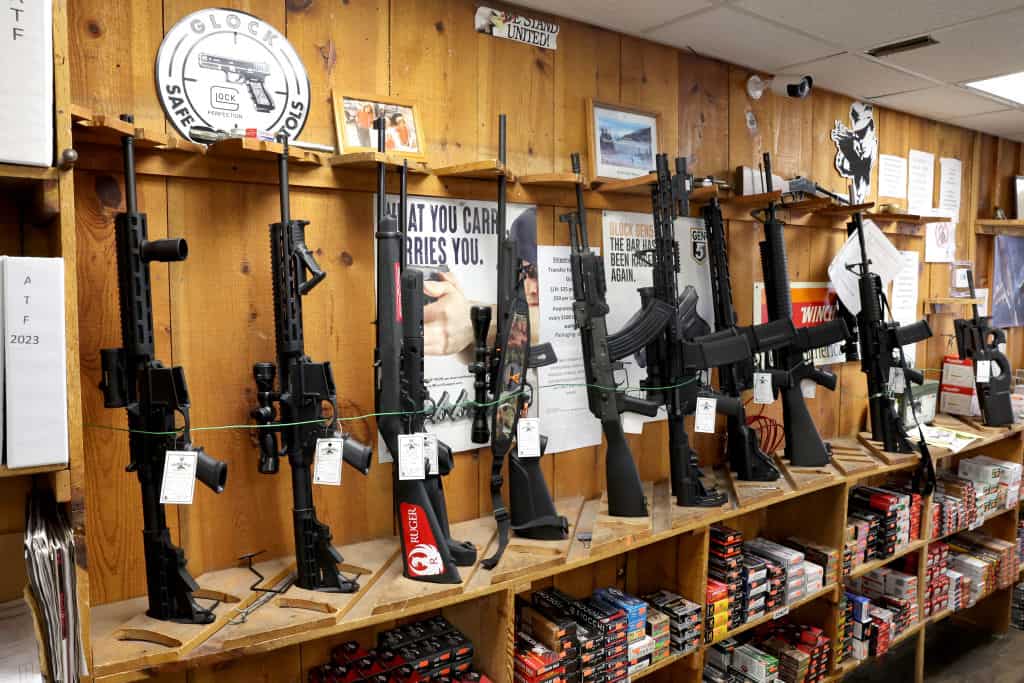
- State policy: Assault weapons are effectively prohibited in California. The state bans certain assault-style firearms by name, and others by certain features, including rifles with a pistol grip beneath the action and rifles with a folding or telescoping stock. California does offer exceptions for assault weapons acquired before the ban went into effect.
10. High-Capacity Magazines
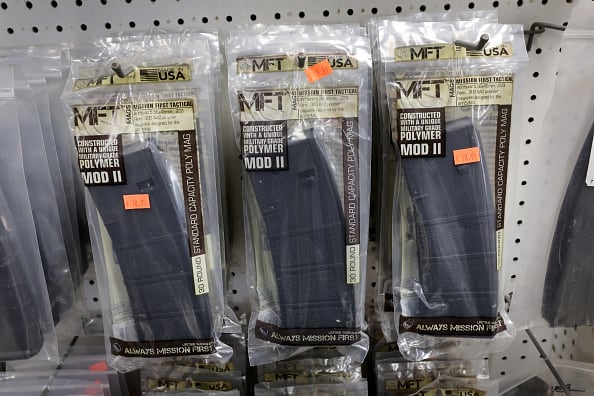
- State policy: All firearms in California are restricted to a 10-round maximum magazine capacity.
11. Licensing Requirements
- State policy: A license is required to own any firearm in the state of California.
12. State-Level Prohibitions On Who Can Own Firearms

- State policy: In California, individuals who have been convicted of a violent or gun-related misdemeanor, individuals struggling with alcohol abuse, and adults who were adjudicated for certain juvenile offenses are subject to firearm access restrictions.
13. Minimum Age Requirements for Handguns
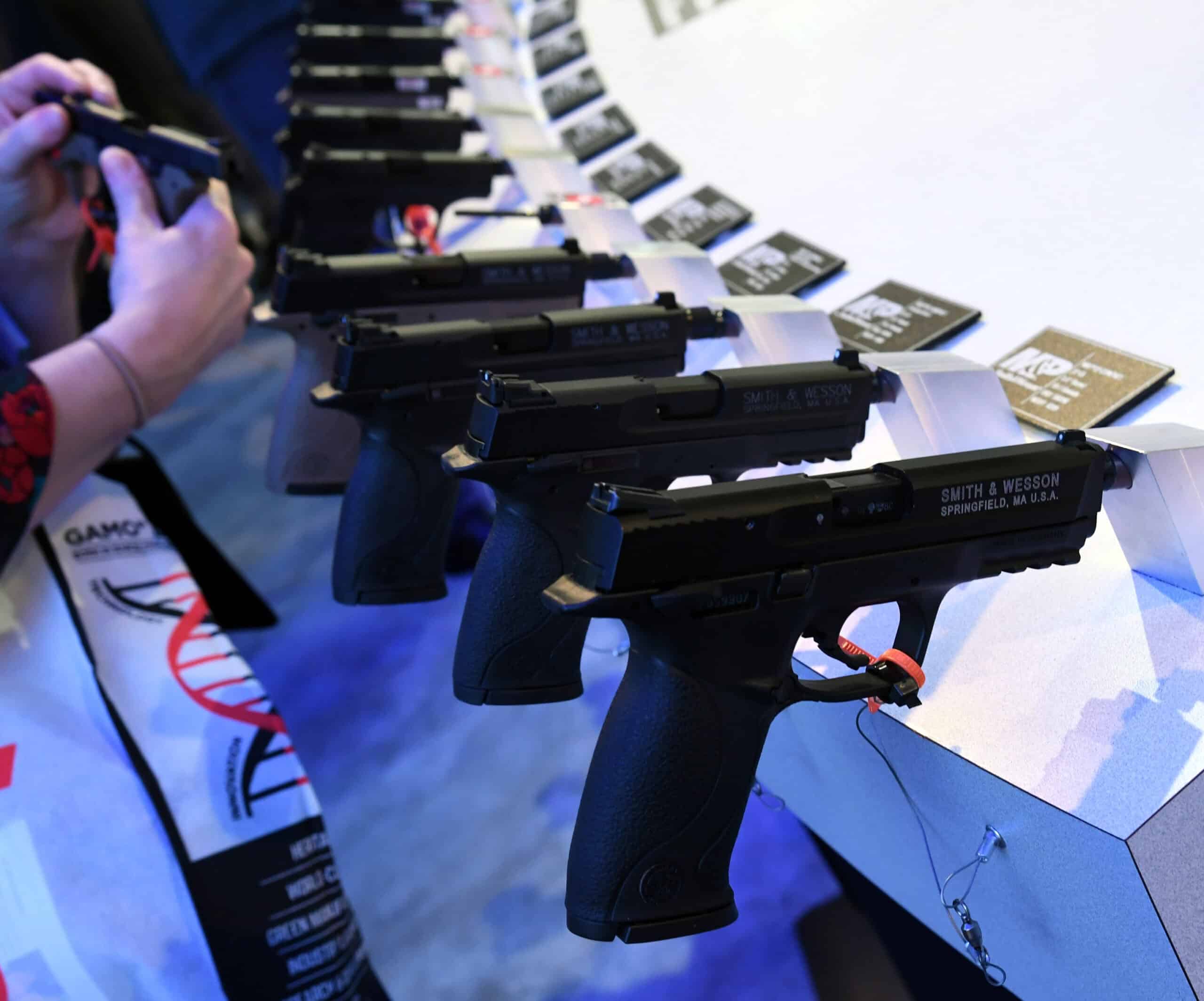
- State policy: In California, individuals must be at least 21 years old to purchase a handgun and at least 18 years old to possess a handgun.
14. Minimum Age Requirements for Long-Guns
- State policy: In California, individuals must be at least 21 years old to purchase a long gun — like a rifle or shotgun — and at least 18 years old to possess a long gun.






 Top Gaining Stocks
 Top Losing Stocks