


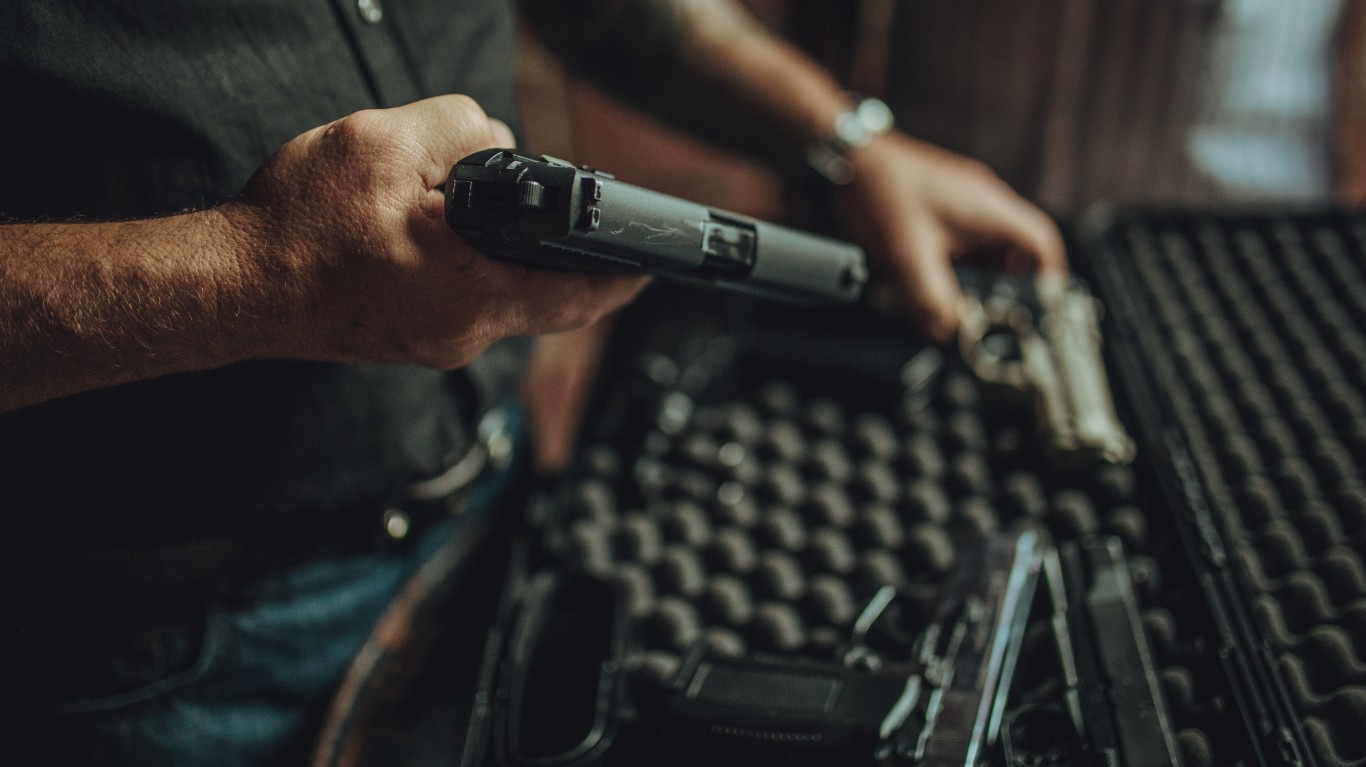
Mexican President Claudia Sheinbaum recently launched the “Yes to Disarmament, Yes to Peace” gun buyback program that encourages people to trade in their firearms for cash. Between 2010 to 2022, Mexico experienced over 214,000 homicides caused by gun violence. For context, the United States experienced 140,809 firearm-related homicides in that same period. As cartel violence becomes increasingly common in Mexico, and has even spilled over into areas like resorts previously preserved by tourism, Sheinbaum’s gun buyback program feels more important than ever. The United States also has various gun buyback programs but, like Mexico, remains yet unable — or unwilling — to ban guns. On one hand, this makes sense; the United States is known for its gun culture, and gun ownership is a right enshrined in our Second Amendment. At the same time, America’s disregard for the implications and impact of gun violence continue to lead to many devastating situations and mass shootings each year. (The states where people are forfeiting their guns aren’t all liberal strongholds.)
While the United States continues to debate gun ownership, there are lessons to be learned from countries that have already gone down this path. With varying degrees of success, some nations have banned guns outright to varying levels of public opinion. It’s these countries that may one day help guide the U.S. on what any sort of gun ban fallout could be. To identify the countries that have banned guns, and the outcome of those gun bans, 24/7 Wall St. looked at information from various national governments, Reuters, and the Council on Foreign Relations. We also explored news sources to understand how and why guns were banned, and what the public opinion was. We listed these in no specific order.
Why We’re Sharing This Discussion on Gun Bans
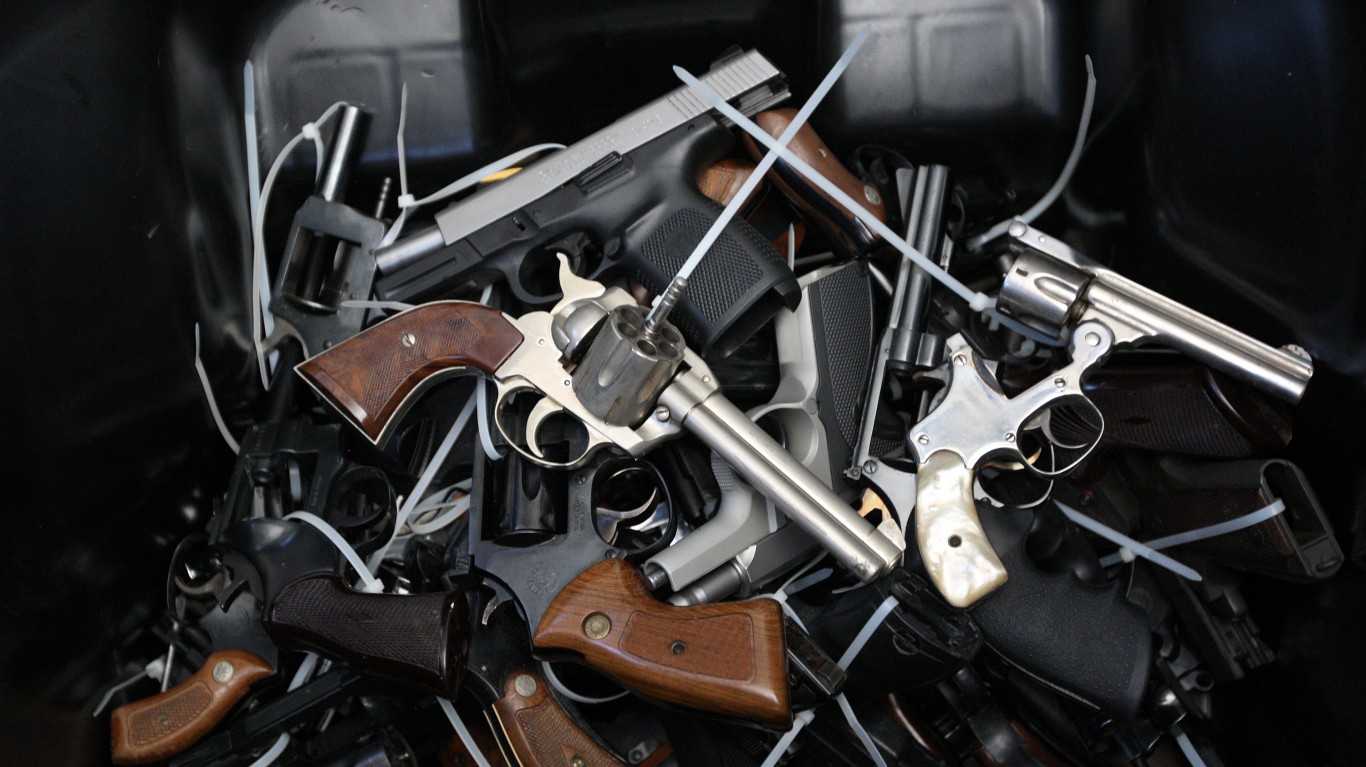
Gun violence is out of control in America. Debates have long raged about gun control and new measures to reduce violence, yet mass shootings continue to abound — in public places, at supermarkets, in clubs, at schools. When politicians debate gun control in America, they often point to other countries with gun bans as initiatives that “didn’t work,” or to show that these countries still experience rates of violence as high as our own. But when we look at the statistics, this isn’t quite true. The truth is more complicated: while successful in some countries, others are still working out the kinks. By looking at what actually happened in countries that banned guns, you can better understand how sweeping gun laws impact communities and how we could potentially improve our own gun violence, should we one day so choose.
Check out the impact of banning guns in these 12 countries:
12. Brazil

- Gun law enacted: 2003
- Brought on by: Brazil’s disarmament policies to curb the country’s high firearm-related death count
- Government response: The government established the Disarmament Statue in 2003, only to pull it back with reforms in 2019 and 2021 with moderate success.
Still Lots of Work to Do

Brazil’s 2003 Disarmament Statue was implemented as a result of 36,000 gun-related deaths in the same year, leading to a 12% drop in firearm deaths over the next decade. The statute called for increased background checks and mental health reviews, as well as providing a “genuine need” to the government as to why you should own a firearm. There is a growing movement in the country to reduce gun restrictions so Brazilians can protect themselves in high-crime areas.
11. China

- Gun law enacted: 1966
- Brought on by: The government seeking to stop potential uprisings during the country’s Cultural Revolution
- Government response: Under Mao Zedong, the Chinese government pulled guns off the streets and enacted strict penalties for ownership.
Severe Penalties

In modern-day China, should you be caught with an illegal firearm, the penalty is severe and can include up to life in prison. On the positive side, gun-related crimes are very rare in China, and the country has a very low firearm-related death number. Still, critics of the 1966 gun ban in China can’t help but claim this policy was put in place to boost authoritarian rule and prevent any uprisings against China’s Communist Party power.
10. New Zealand
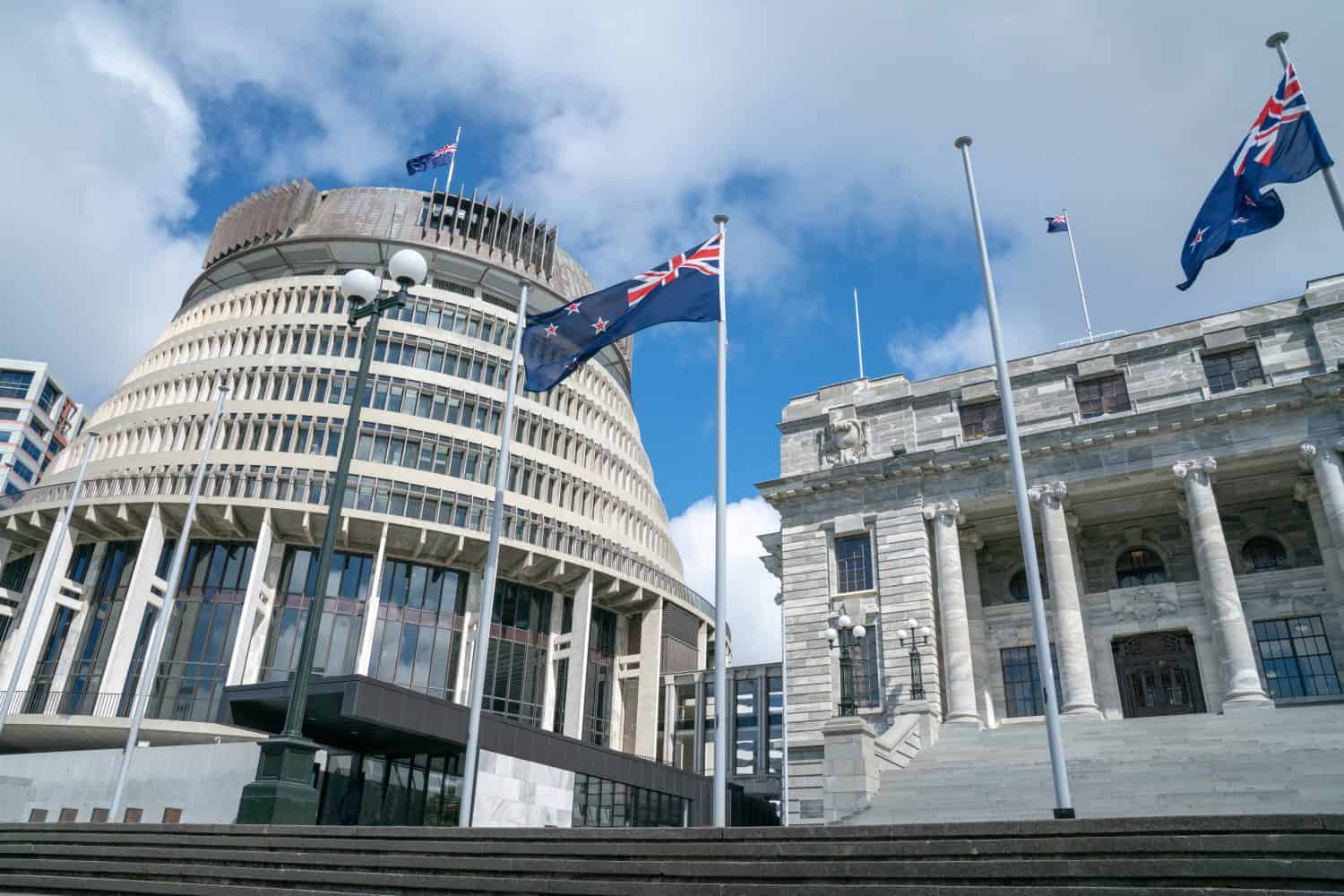
- Gun law enacted: 2019
- Brought on by: 51 people killed at two Mosques in the country using legally purchased semi-automatic rifles, causing a massive outcry among the public
- Government response: The government of New Zealand moved fast to enact gun reforms with strong support, including a national gun buyback program.
Swift Action Success

Almost immediately, the reaction to New Zealand’s new gun law was positive. A national buyback program resulted in over 56,000 firearms being turned over. While gun owners complained, the government considered the program a success in removing thousands of high-risk weapons off the streets. There is still a small but vocal movement of New Zealanders that continue to reject this gun policy as not going far enough to address illegal firearm possession, which still poses a threat.
9. Japan
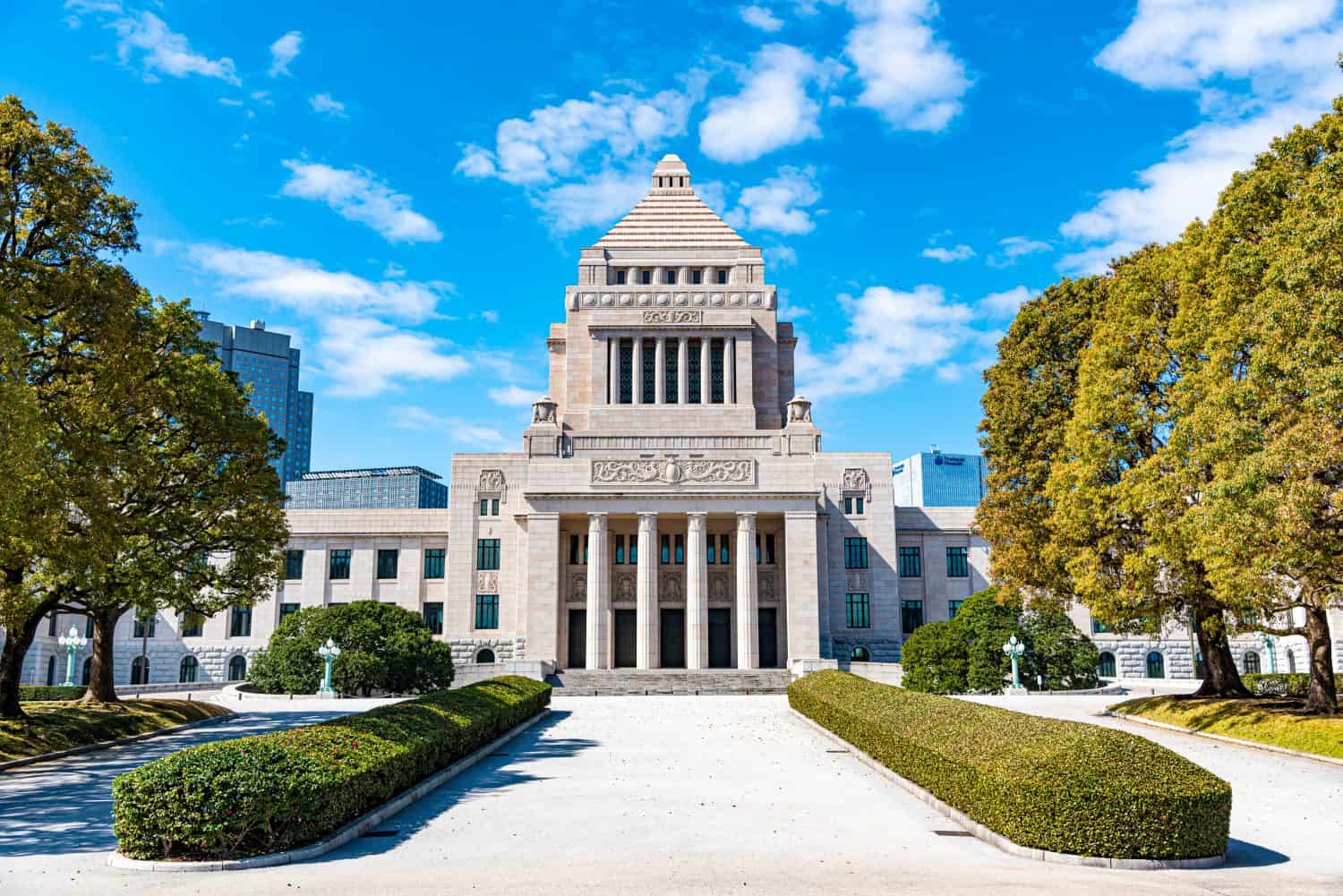
- Gun law enacted: 1958
- Brought on by: Heavily influenced by post-World War II reforms enacted by the US to demilitarize Japan
- Government response: The people of Japan were removed from their wartime mindset of a decade before and have typically shown an aversion to firearms.
Very Peaceful Country

Violence certainly can occur in Japan. But firearm violence is low, and Japan boasts one of the lowest annual averages in relation to firearm-related deaths. Less than ten people in Japan die each year due to firearms. The country has long been focused on nonviolence. While some groups argue firearm laws are too restrictive, the Japanese public remains heavily in favor of all existing gun regulations.
8. Germany
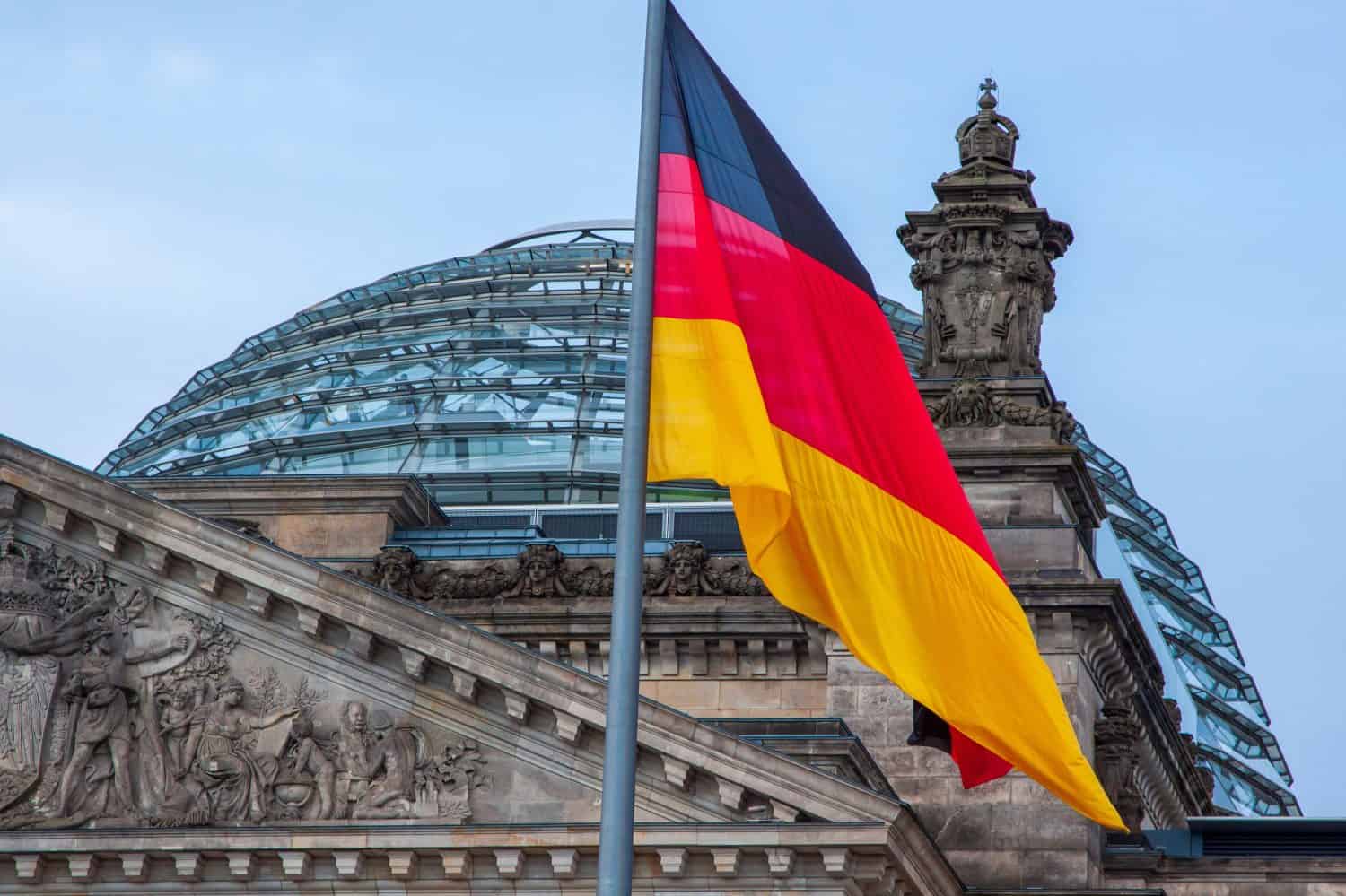
- Gun law enacted: 2003
- Brought on by: A 2002 school shooting where 16 young adults and children were killed
- Government response: Government action was swift and looked to enhance background checks, as well as add restrictions around semi-automatic weapons and high-capacity magazines.
Restricted Gun Laws

Germany was already home to one of the lowest firearm-related deaths in the world at the time of the 2003 shooting. The country was averaging only one per every 100,000 people annually killed as a result of a firearm. However, since the 2002 shooting, the German public has been extremely supportive of gun control as a public safety measure.
7. Norway
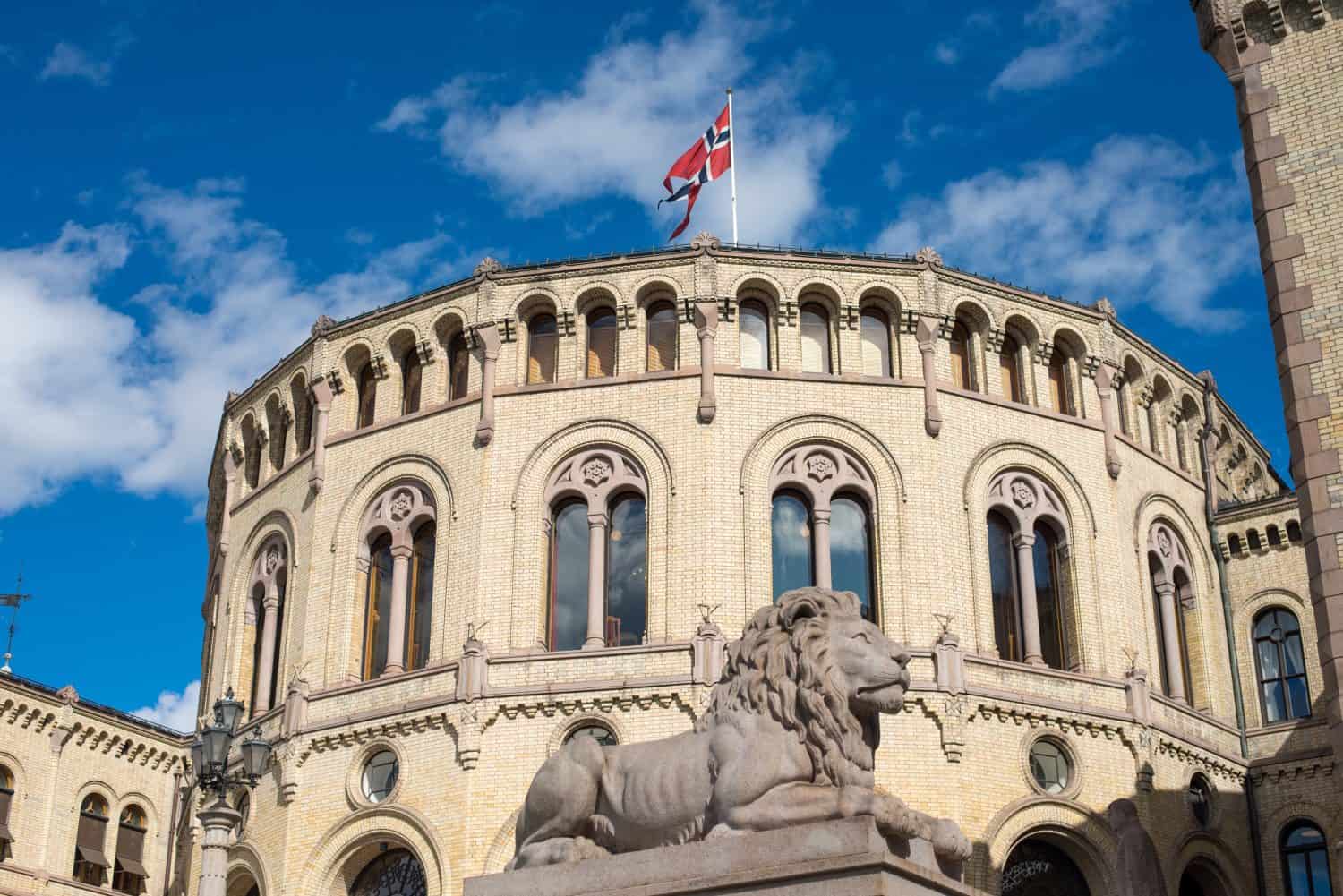
- Gun law enacted: 2018
- Brought on by: A 2011 school attack where 77 people were killed using a legally purchased rifle and pistol
- Government response: The government moved to ban semi-automatic rifles in 2018.
Major Public Support

Historically, Norway has had low numbers of firearm-related deaths. But after the school attack in 2011, the government took action to implement stronger gun restrictions. Since Norway has a history of hunting, the firearm restrictions enacted in 2018 respect these traditions. Still, hunting licenses require extensive background and mental health checks.
6. Venezuela

- Gun law enacted: 2012, 2017
- Brought on by: Increasing gun violence and one of the highest homicide rates in the world
- Government response: The government enacted two separate policies under Authoritarian rule to restrict firearm ownership.
The Violence Continues

In 2012, Venezuela’s authoritarian ruler Nicolas Maduro enacted the Control of Arms, Munitions, and Disarmament Law, which set forth a group of tight and restricted gun policies. While the move was seen as political — an effort for Maduro to stop an uprising and stay in power — civilians were prohibited from owning firearms and ammunition, except for security firms or government loyalists. This policy continues to this day. However, this has done little to quell the violence in the country.
5. Yugoslavia

- Gun law enacted: 1945-1991
- Brought on by: The Communist government’s desire to maintain law and order
- Government response: During this period, civilian ownership of firearms was heavily regulated, and guns could only be used by government officials, military, and law enforcement.
From Regulated to Unregulated
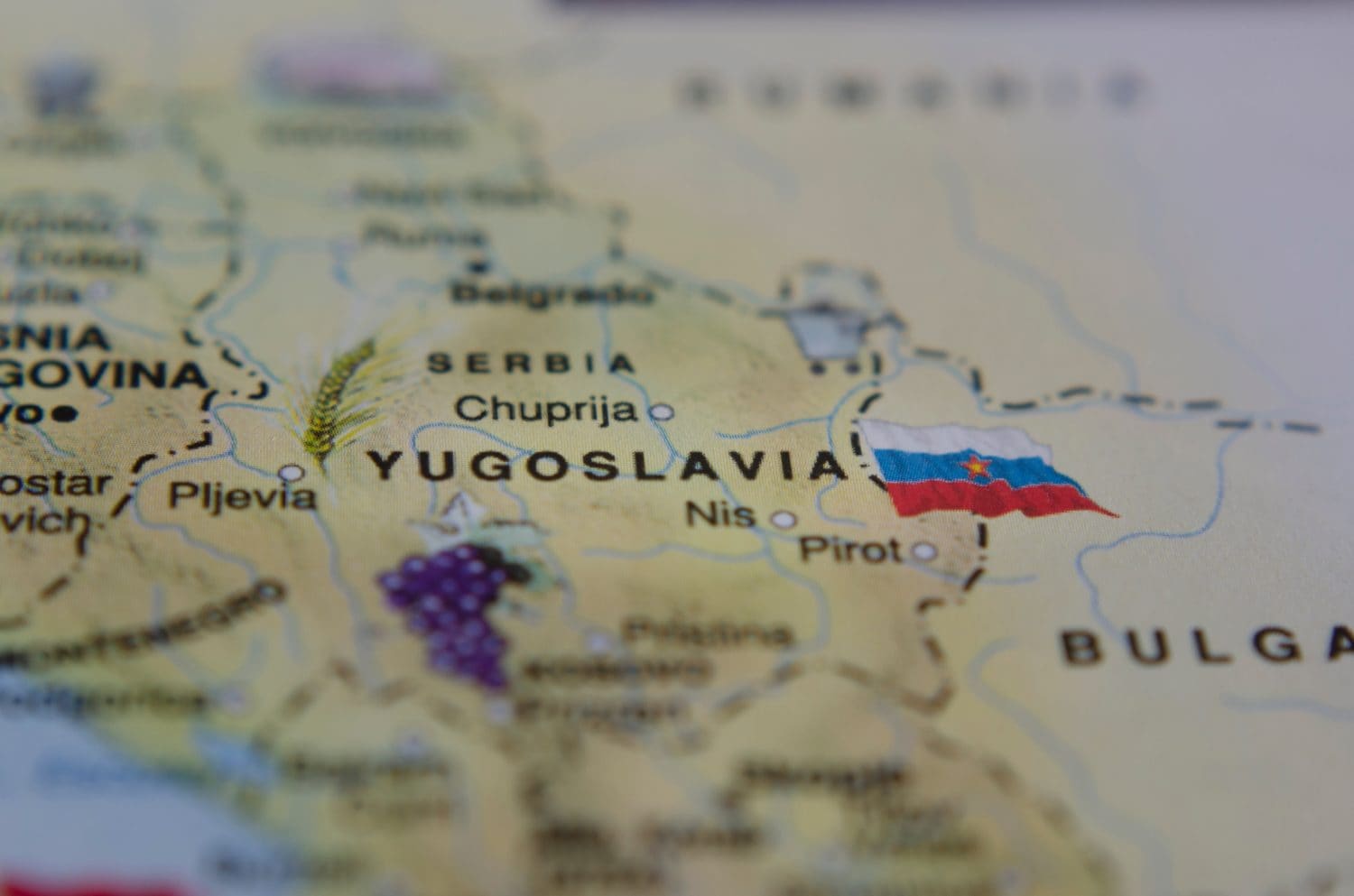
Before Yugoslavia was dissolved as a nation, it was a Communist country. Access to firearms was heavily restricted. In other words, the government had complete control over weapons access to prevent armed uprisings. After the country dissolved, firearms poured into the country, introducing a whole new set of conflicts. This eventually led to the Bosnian War.
4. Russia
- Gun law enacted: 1917 – 1991
- Brought on by: The Bolsheviks wanting to maintain gun control to prevent an uprising
- Government response: During this period in Russian history, private gun ownership was severely restricted, and citizens could only own firearms for hunting.
Very Tight Restrictions
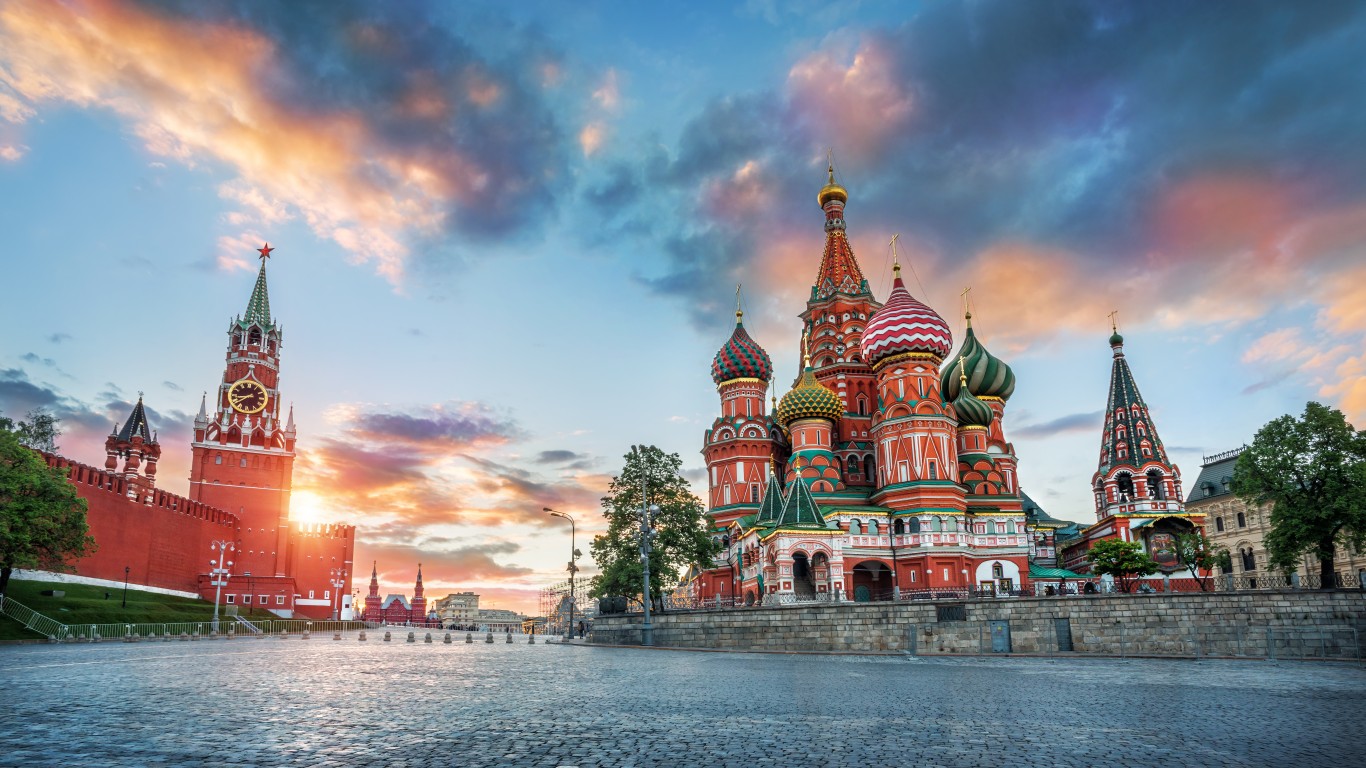
While Russia today is far more flexible with firearm laws, Russia between 1917 and 1991 under Communist rule was a very different story. Strict gun laws within the Soviet government were set up to limit the opportunity for armed resistance to form. After the collapse of the Soviet Union in 1991, civilians became allowed to own hunting rifles and small-caliber firearms, though these remain heavily regulated. Still, unauthorized firearm possession remains a crime punishable by prison or worse.
3. Canada
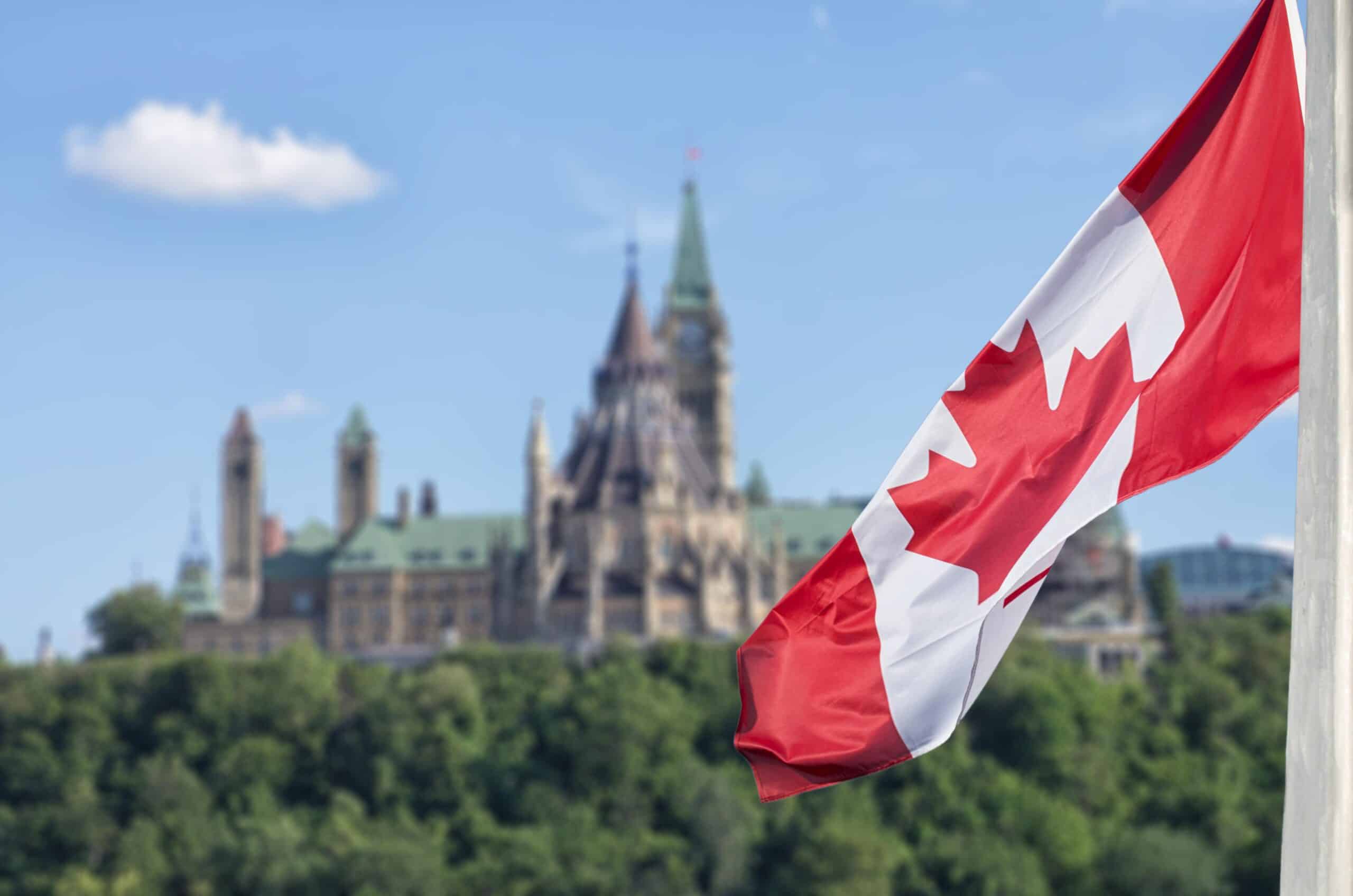
- Gun law enacted: 1995
- Brought on by: Mass shootings beginning in 1989 with the Ecole Polytechnique massacre, which led to the death of 14 women
- Government response: Canada enacted significant gun reform laws in 1995 with the Firearms Act and then additional measures in 2020 and 2022.
Impact of Gun Laws on Canada

As a result of the Firearms Act and the ban of over 1,500 assault-style firearms by former Prime Minister Justin Trudeau in 2020, firearm-related deaths in Canada are far lower than that of its neighbors to the south. 324 more guns were banned in 2024. Polls continue to show that most Canadians are in favor of strict gun control measures. As such, there continues to be a government mandate to maintain the current status quo around firearm measures.
2. United Kingdom
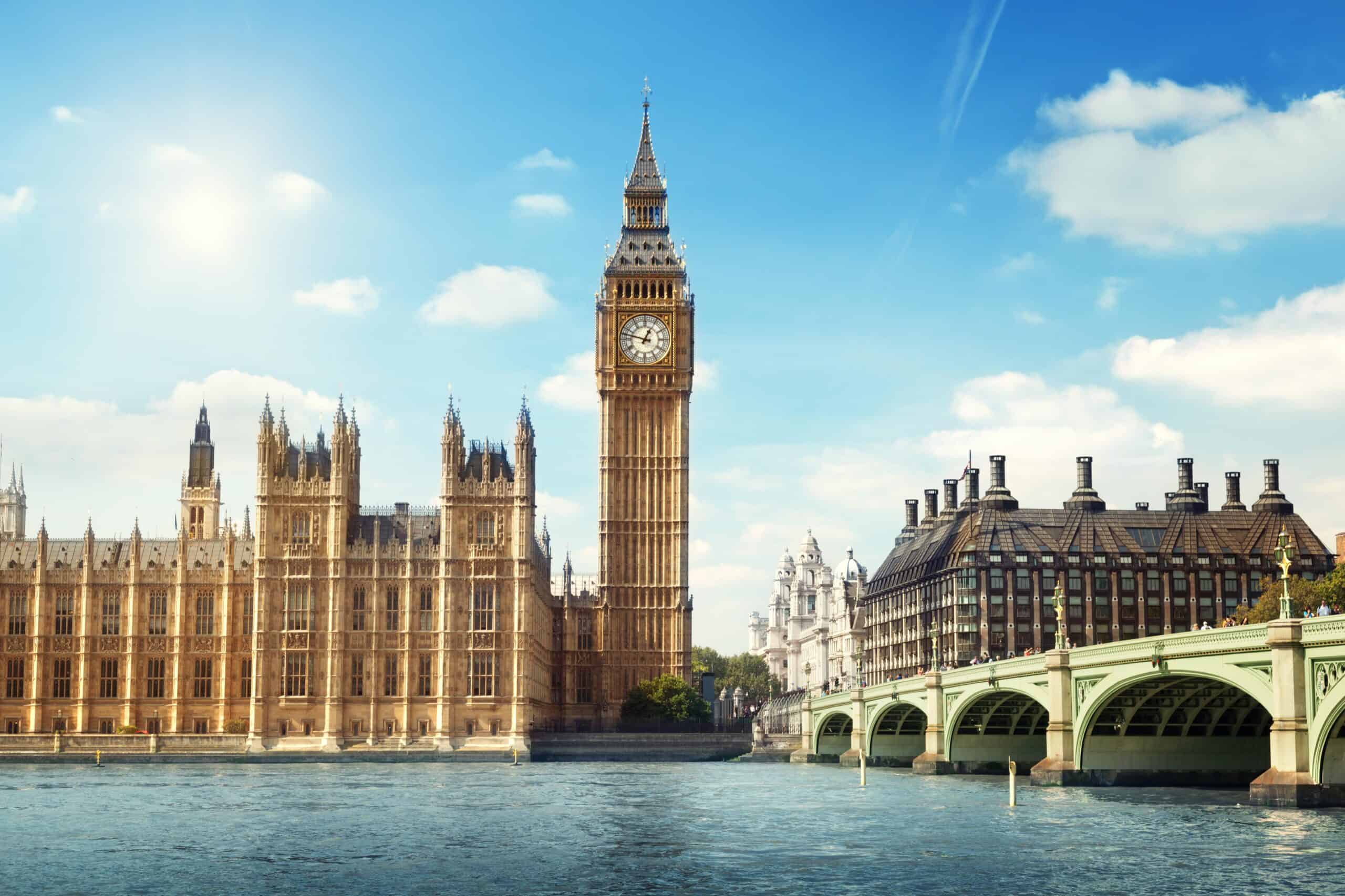
- Gun law enacted: 1997
- Brought on by: Dunblane school massacre in 1996 when 16 children and teachers were killed with legally-owned handguns
- Government response: Public outcry led to the Firearms Amendment Act in 1997, which banned most private handgun ownership.
Post-1997 Changes
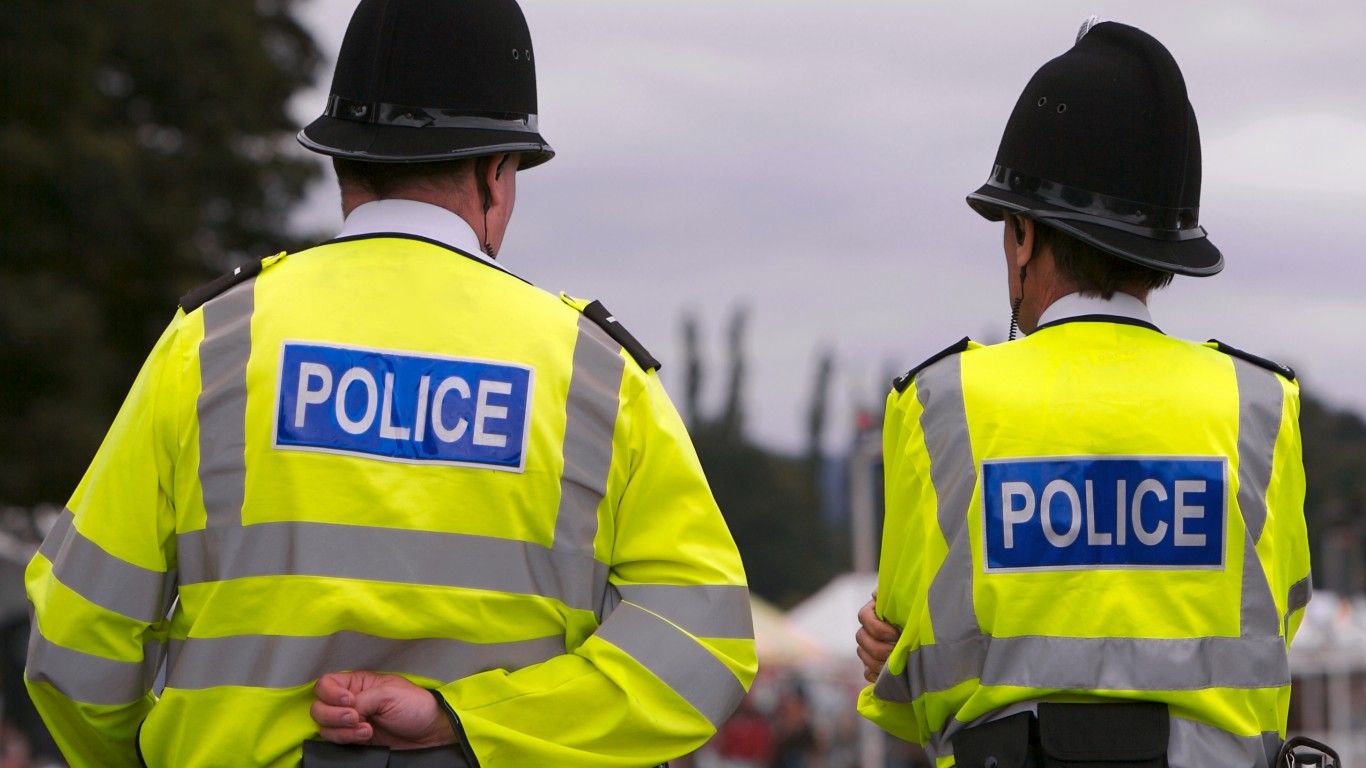
In the aftermath of the school shooting, Prime Minister John Major banned all handguns in mainland Britain and enacted strict background checks, safe storage requirements, and mental health evaluations. Within a decade, gun homicide rates were among the lowest in the world. In addition, over 162,000 firearms were surrendered with a buyback program. However, knife-related crimes increased in Britain, which was an indicator of the change in criminal behavior in the country.
1. Australia

- Gun law enacted: 1996
- Brought on by: Port Arthur Massacre, where 35 people were killed
- Government response: Introduction of the National Firearms Agreement, strict gun control measures, and a ban on semi-automatic rifles and shotguns
Post-Gun Ban Outcome
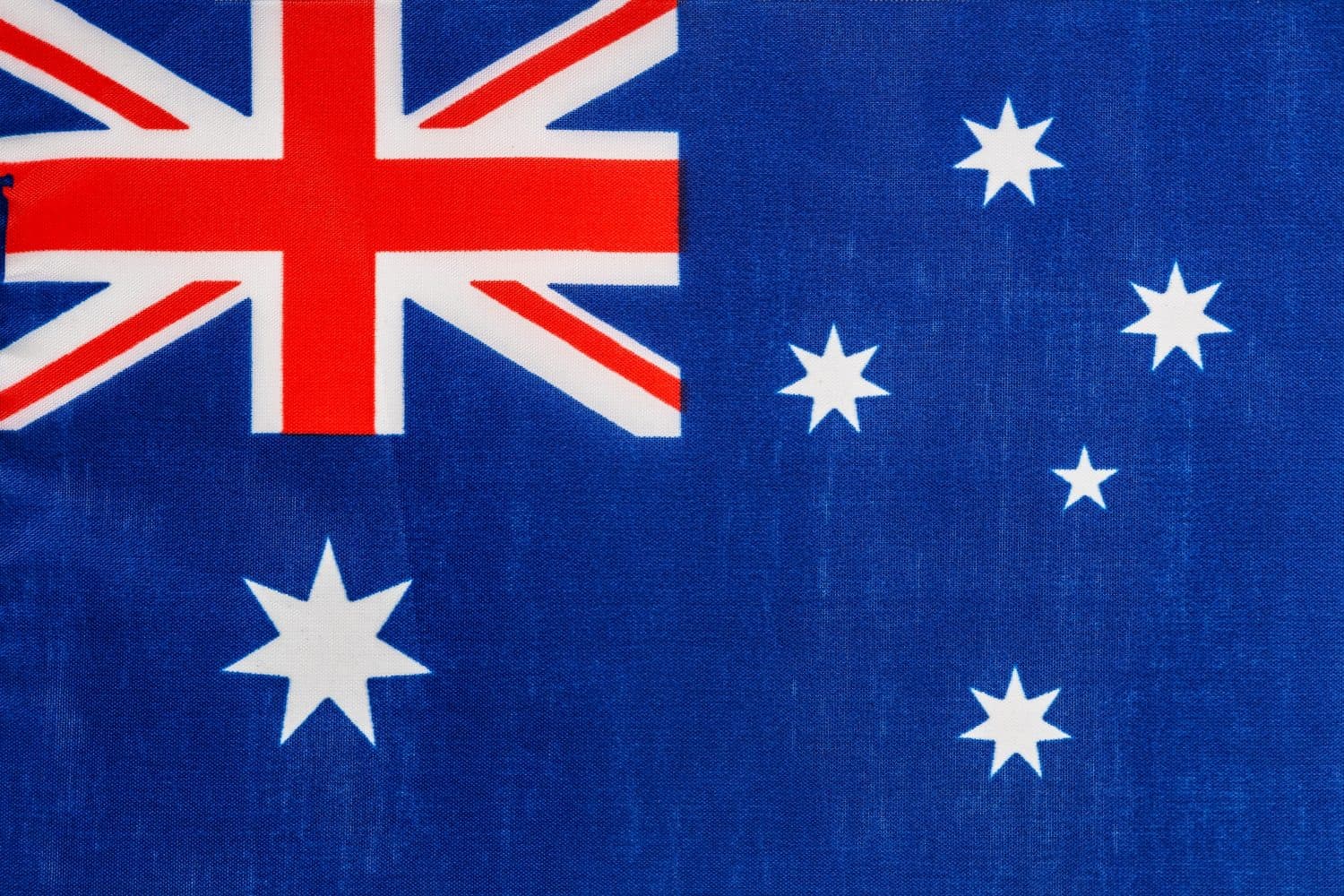
After Prime Minister John Howard introduced the National Firearms Agreement, Australia also initiated a gun buyback program. 650,000 firearms were destroyed as a result. Since 1996, gun violence in Australia has fallen. The country has seen a 59% reduction in firearm-related homicides and a 65% drop in suicides. More importantly, there hasn’t been a single mass shooting of five or more people in the country since the NFA was enacted.






 Top Gaining Stocks
 Top Losing Stocks