



24/7 Wall St. Insights
- A variety of extremely destructive weapons are legal to own in the United States.
- The National Firearms Act governs weapon ownership.
- Also: 2 Dividend Legends to Hold Forever
With the popularity of the Second Amendment in the United States, firearm and weapon ownership are a major part of American culture. As a result, there are many different types of weapons Americans have looked to own over the years, like tanks, flamethrowers, and even the occasional bazooka. Of course, such freedoms do require some oversight, and the government has been happy to oblige.
The National Firearms Act (NFA), established in 1934, imposes a tax and registration on specific categories (machine guns, short-barreled rifles/shotguns, silencers, “destructive devices,” and AOWs), thereby documenting ownership of such weapons. This act of Congress coincides with the Gun Control Act of 1968, which regulates the firearm industry and ownership. Surprisingly, outside of nuclear, biological, and chemical weapons, only a small number of weapons are illegal to own in the U.S., though every state can enact separate laws.
This post was updated on October 13, 2025 to clarify the purpose of the NFA, stun gun laws vary widely across states, Maryland bans flamethrowers, Texas legalized brass knuckles in 2019, Non-HE vs. HE grenade launchers, rules regarding tanks with or without working guns, rarity of legal bazooka ownership, and antique canon designation.
14. Privately Made Firearms
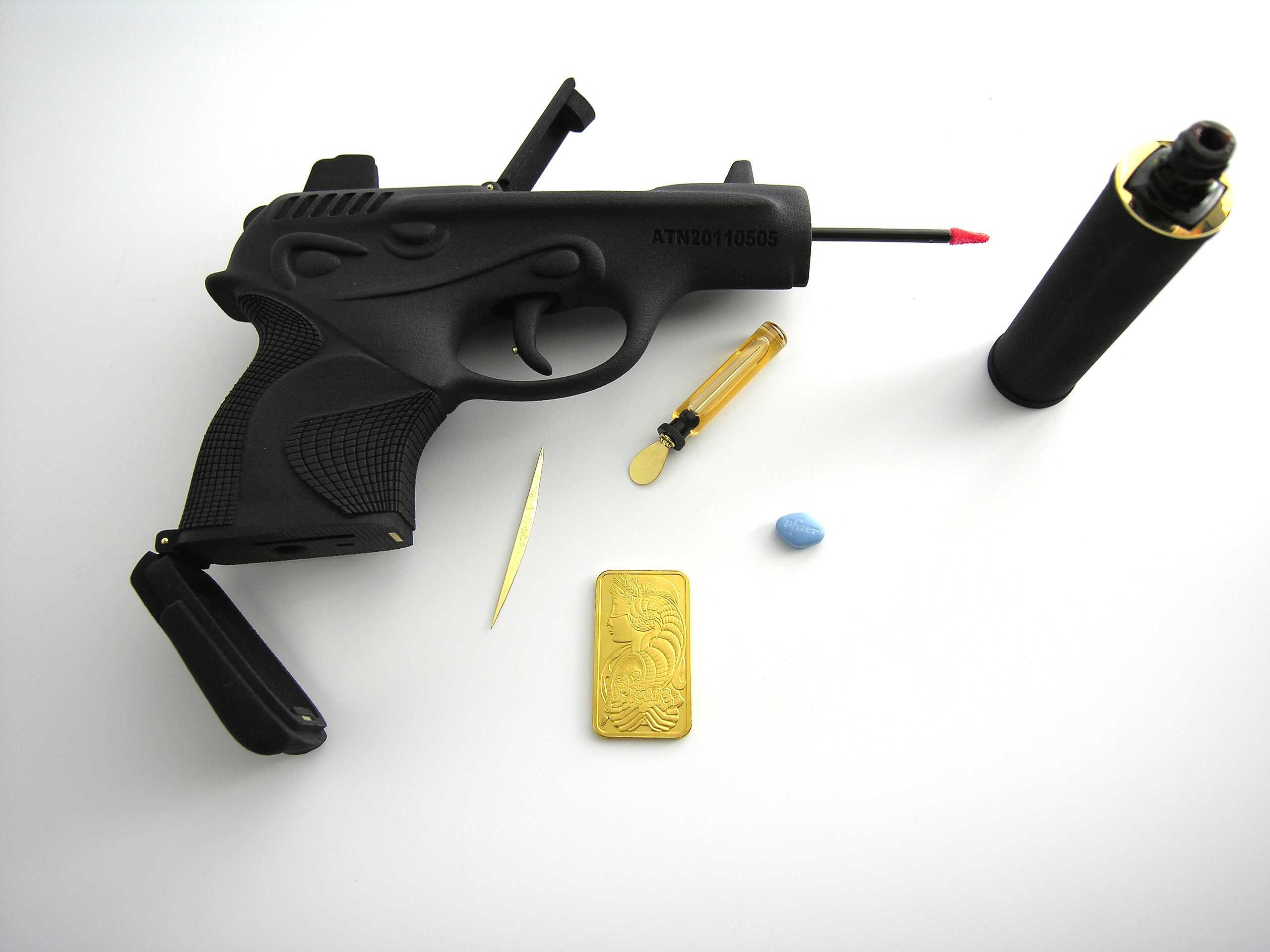
3D-printed guns are legal, but there is an effort to curtail their use.
With the rise of 3D printing, privately made firearms are all the rage. Known as “Ghost Guns,” they are surprisingly legal. While there are ATF regulations that govern homemade guns, they can be notoriously difficult to enforce. President Biden introduced executive action on Ghost Guns in 2022 to serialize them so they are easier to track.
13. Crossbow
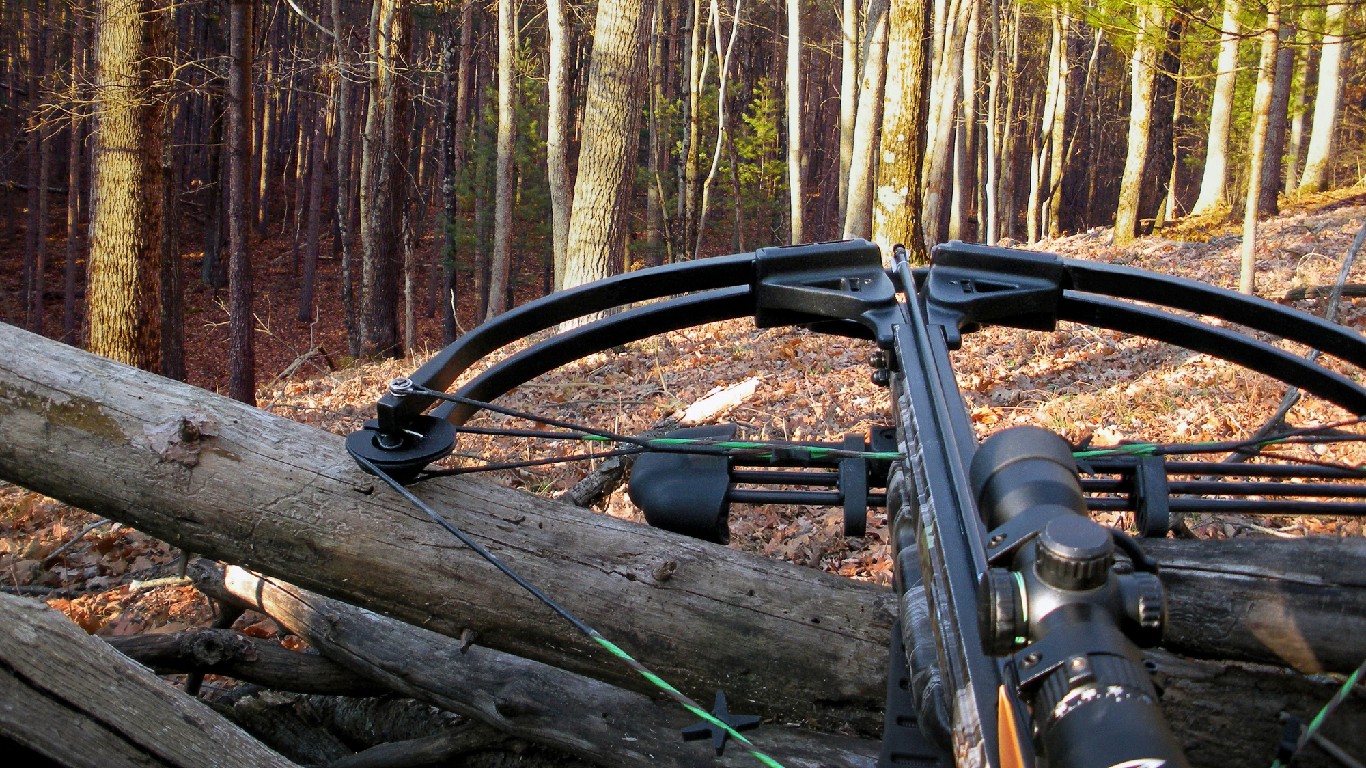
Owning a crossbow for hunting is legal across the US.
First popularized in movies with plots set hundreds of years ago, crossbows are perfectly legal to own in the United States. No federal law prohibits them, provided they have been purchased for target shooting or hunting. Ownership and hunting claims are tied to state law.
12. Tactical Baton
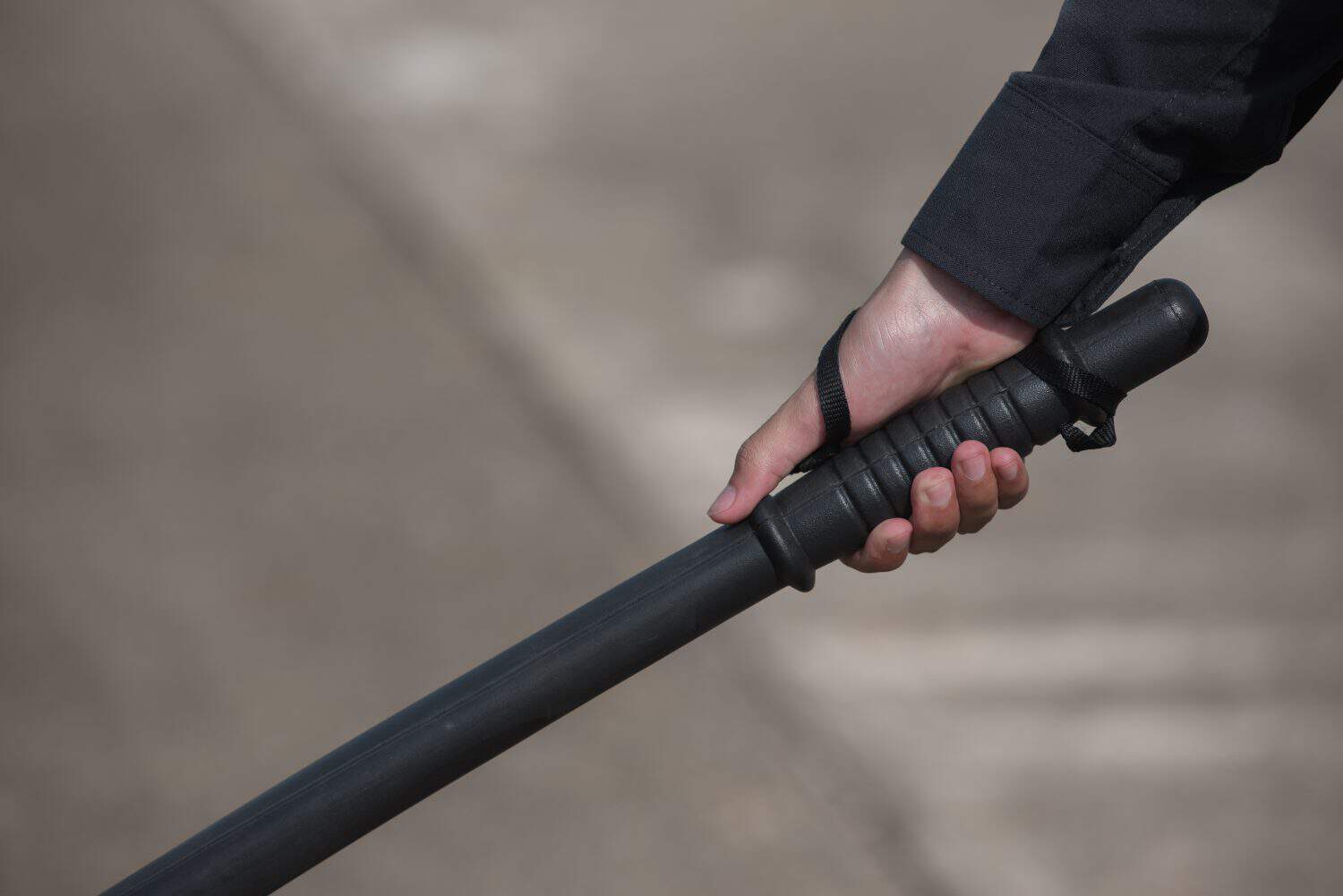
Batons are legal across the US, though telescopic models require additional permits.
Though restricted in several states, tactical batons or “telescopic” models are legal in the majority of states. You might need a concealed weapons permit in certain states like Florida.
11. Silencers
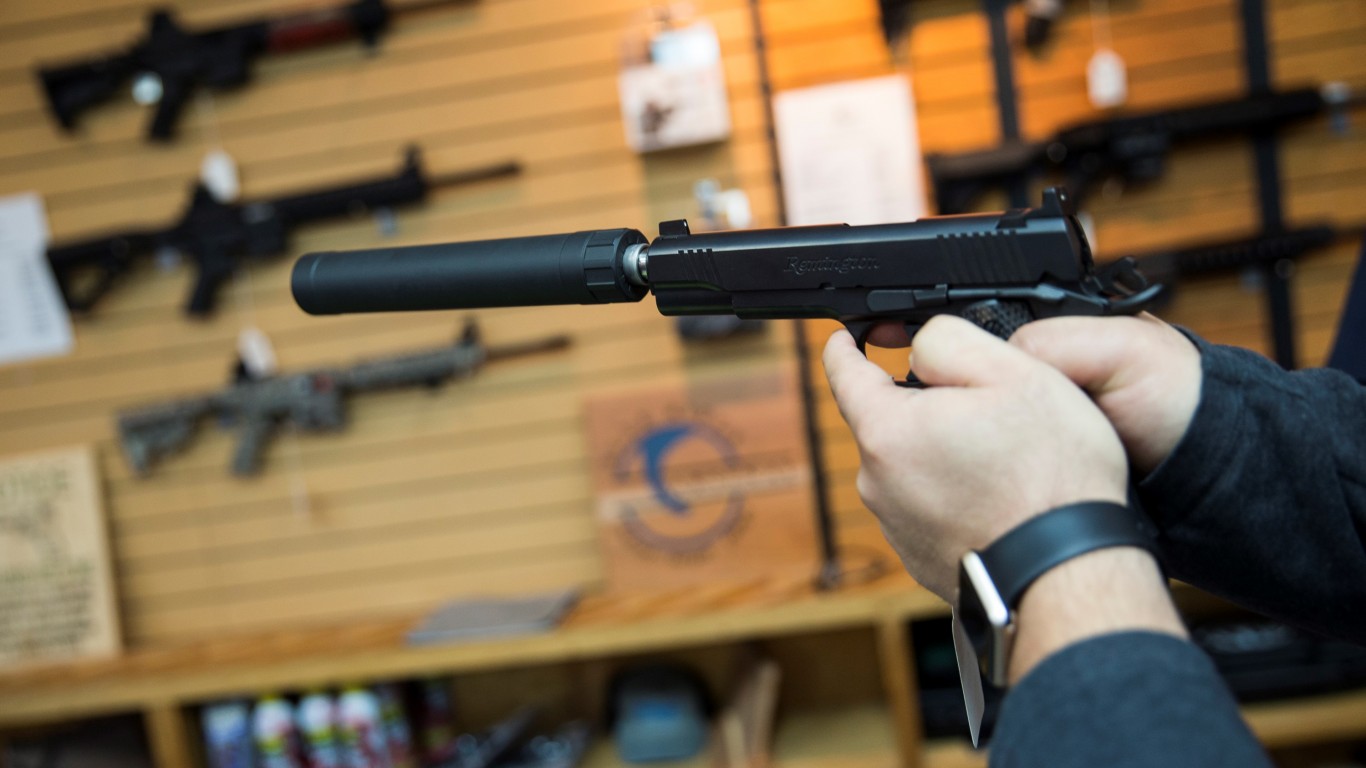
It’s a difficult process, but you can legally own a silencer with the proper approvals.
Interestingly, while silencers on weapons like pistols are not outright banned in the U.S., they are heavily regulated under the NFA. To own one, you must undergo both an approval process and a background check, as well as pay the appropriate tax. Additionally, state law controls whether civilian suppressor ownership is allowed (it’s not legal in every state).
10. Sawed-Off Shotgun
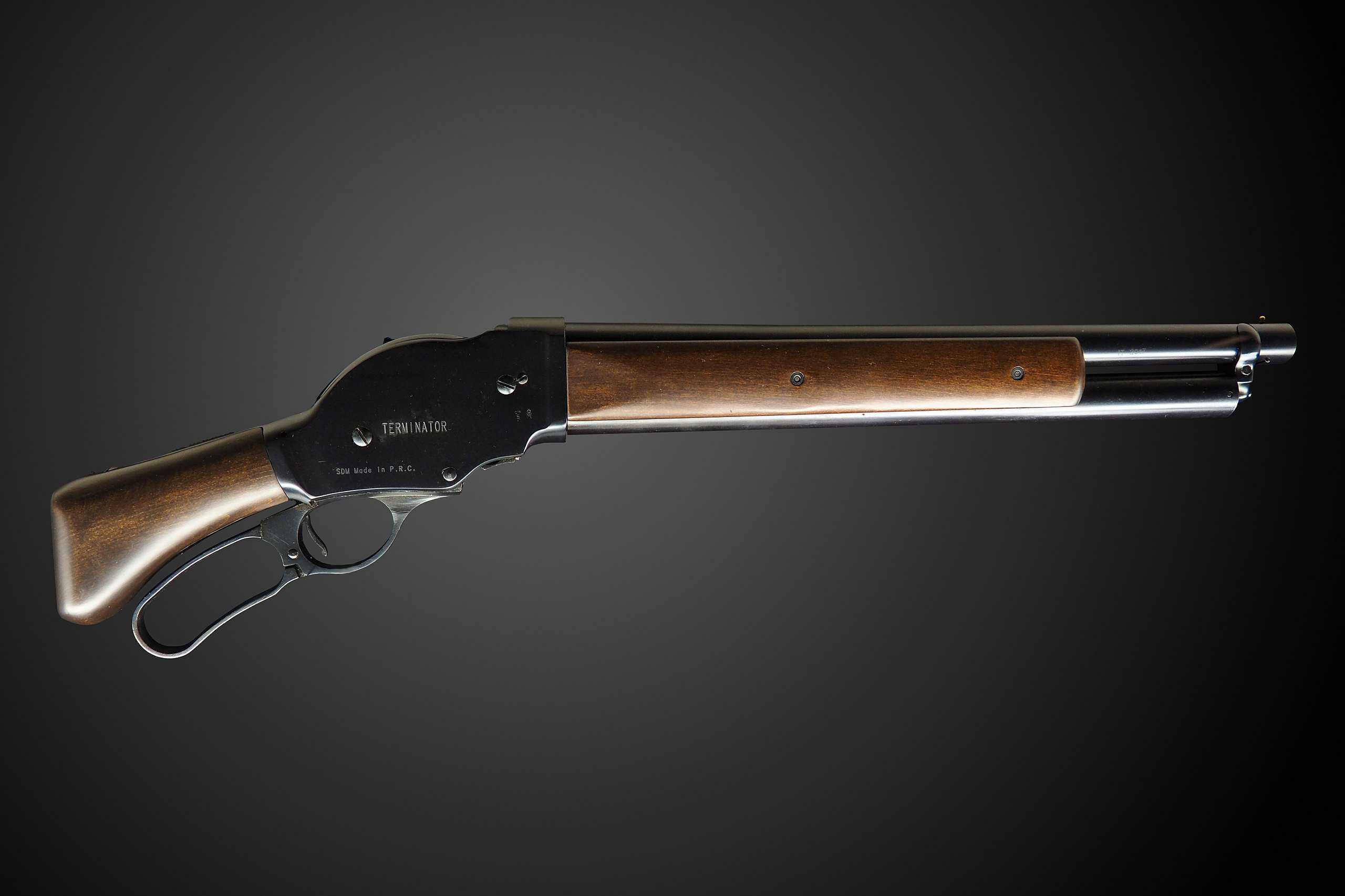
Surprisingly, it’s legal to own a sawed-off shotgun.
It might come as a surprise to learn that owning a sawed-off shotgun in the U.S. is perfectly legal, as long as you pay the appropriate tax to the Bureau of Alcohol, Tobacco, and Firearms. It’s legal federally only if the shotgun is registered under the NFA (Form 1/4 + $200) and your state allows it. Possessing an unregistered NFA firearm is a felony.
9. Stun Gun
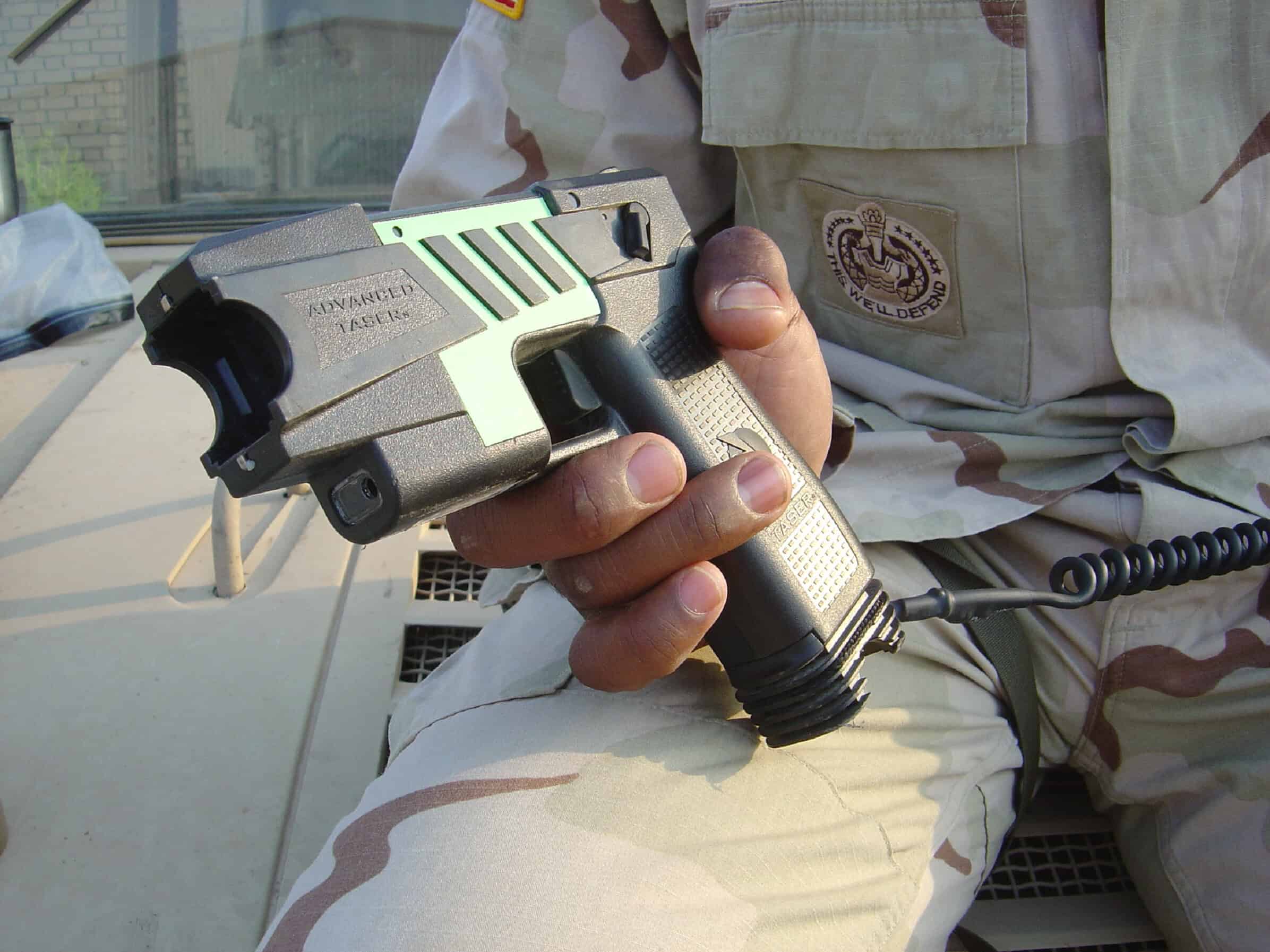
Stun guns are legal in the US and can be carried on your person.
You can usually own a stun gun across the U.S. as long as you are 18 years of age and only plan to use it in self-defense. In states like Florida, ownership of a stun gun is a felony if you have previously been convicted of a crime; otherwise, there are few restrictions outside of not taking it into a school or airport. However, laws vary widely (licensing/age limits in some states and cities). For example, Massachusetts allows them only with a firearms license and additional rules after Caetano.
8. Katana Blades
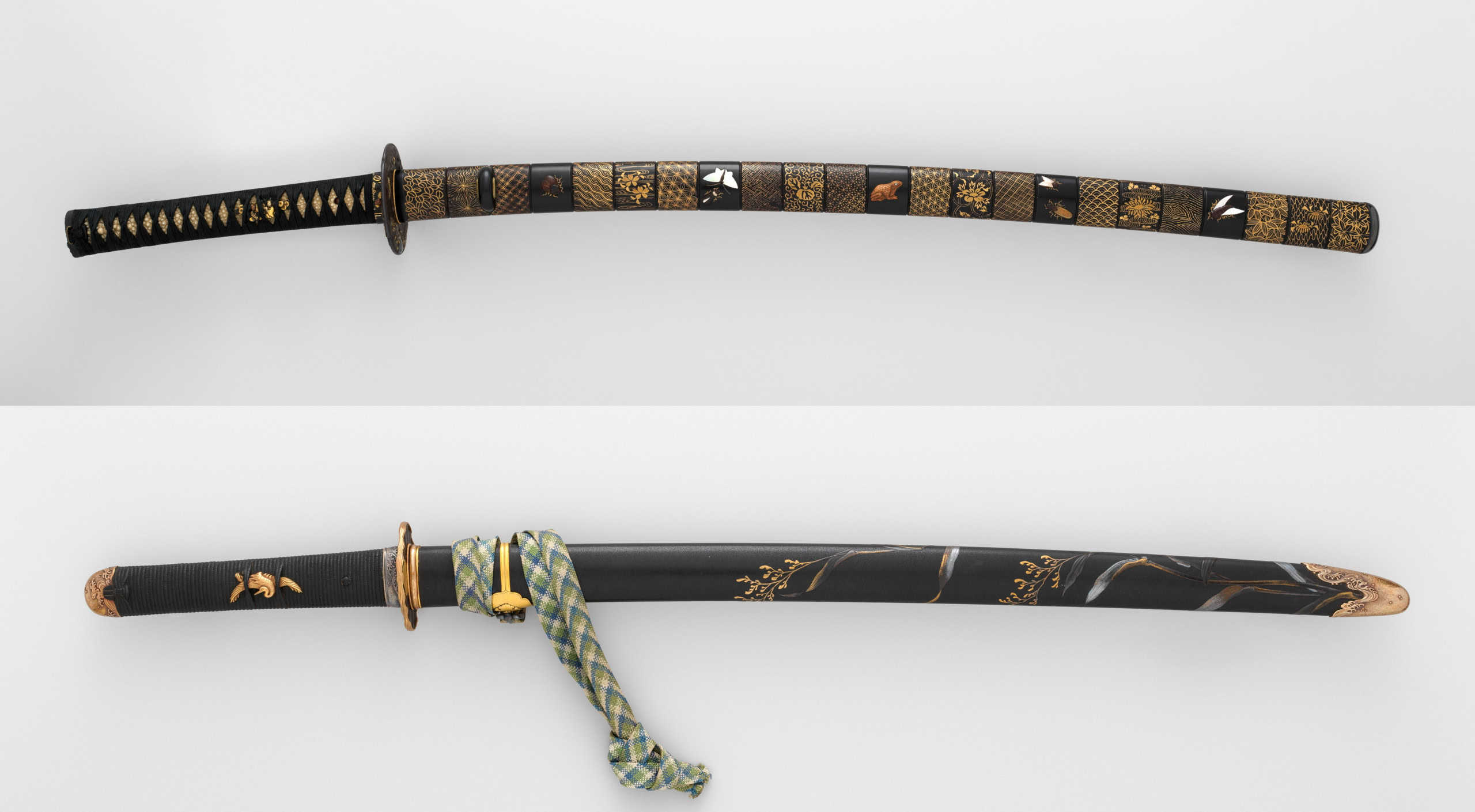
Katana blades are legal to own but not necessarily carry around.
One weapon that frequently comes around ownership is the katana blade, which you can own in the US. The only caveat is that if you purchase one in Japan, it requires legal paperwork to import; otherwise, ownership is lawful, with some restrictions on carrying it in public in some states. The same goes for short knives like switchblades, which are generally legal in most states.
7. Tanks
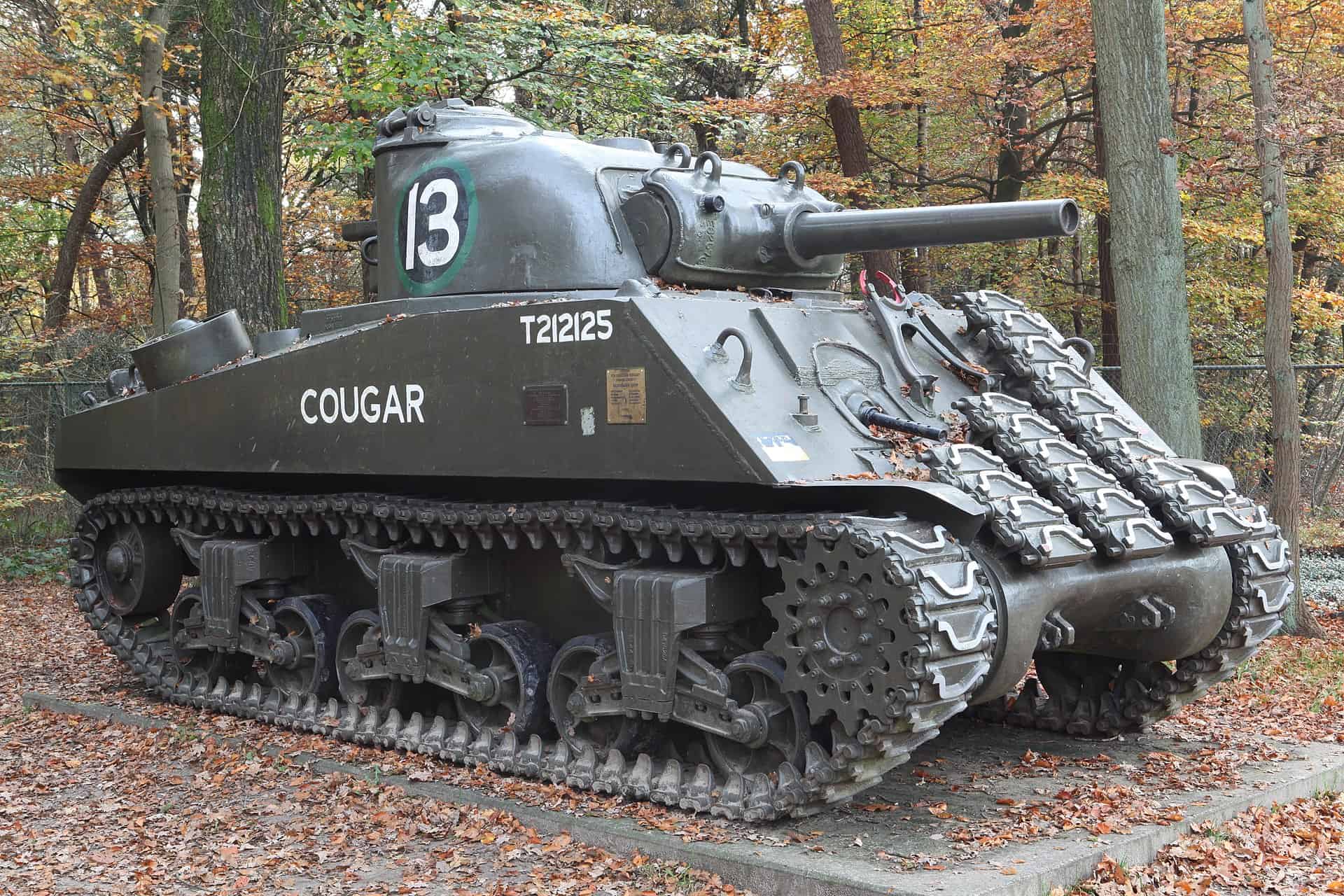
If the main gun doesn’t work, you can own a tank.
Civilians can own demilitarized tanks. A tank with a working main gun is considered a destructive device requiring NFA registration for the gun (these permits are notoriously difficult for private citizens to obtain), and explosive ammunition triggers additional federal explosives rules.
6. Grenade Launcher
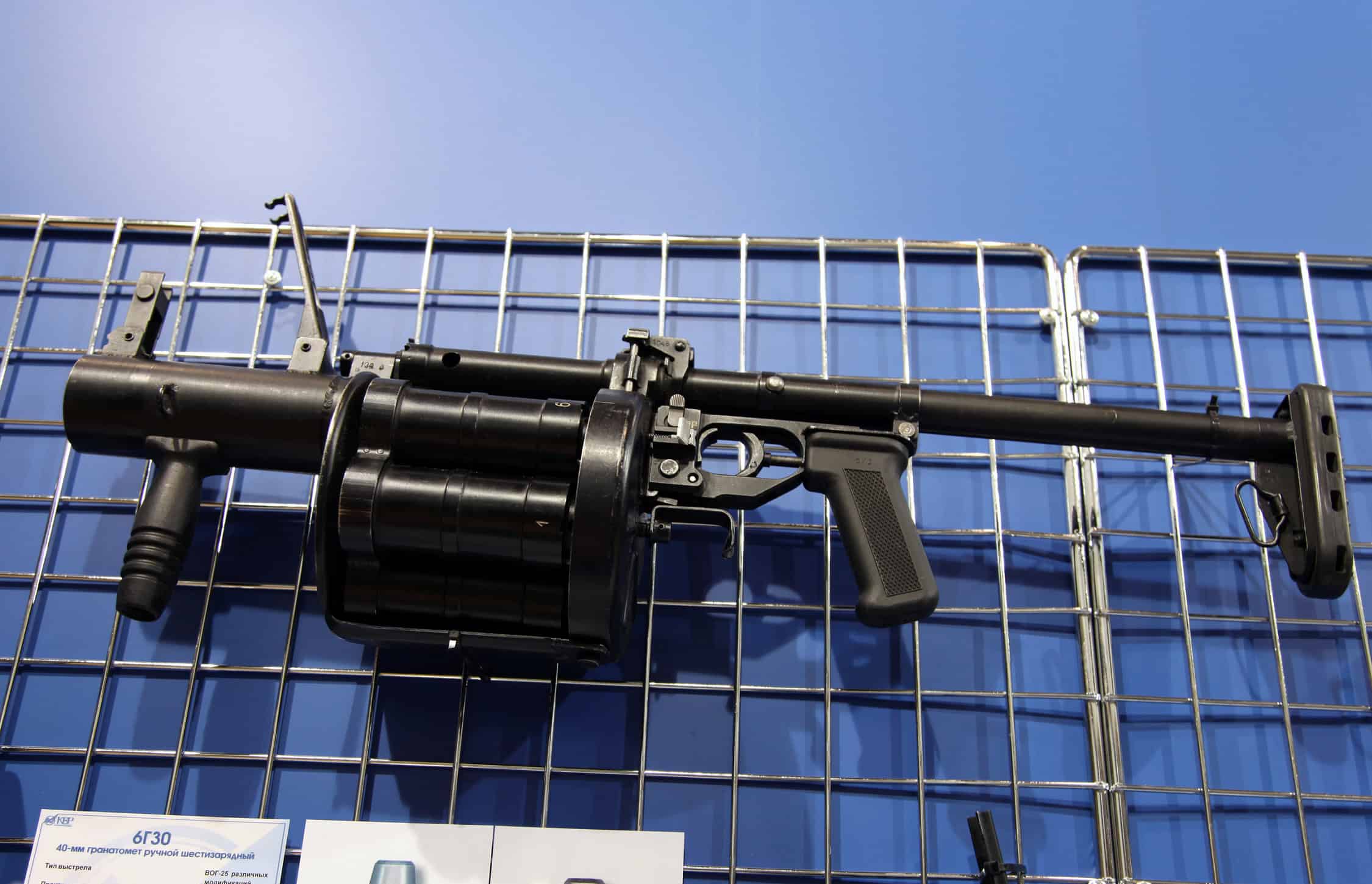
With the right permits, you can own a grenade launcher in 2024.
While the NFA classifies a grenade launcher as a “destructive device,” you can still own one, assuming you maintain permits, have previously passed a background check, and have purchased the weapon through legal means.
Also, 40 mm HE rounds are each destructive devices themselves, making lawful ammo acquisition and storage highly restricted. (Non-HE 37 mm “flare” launchers are a different category.)
5. Machine Gun
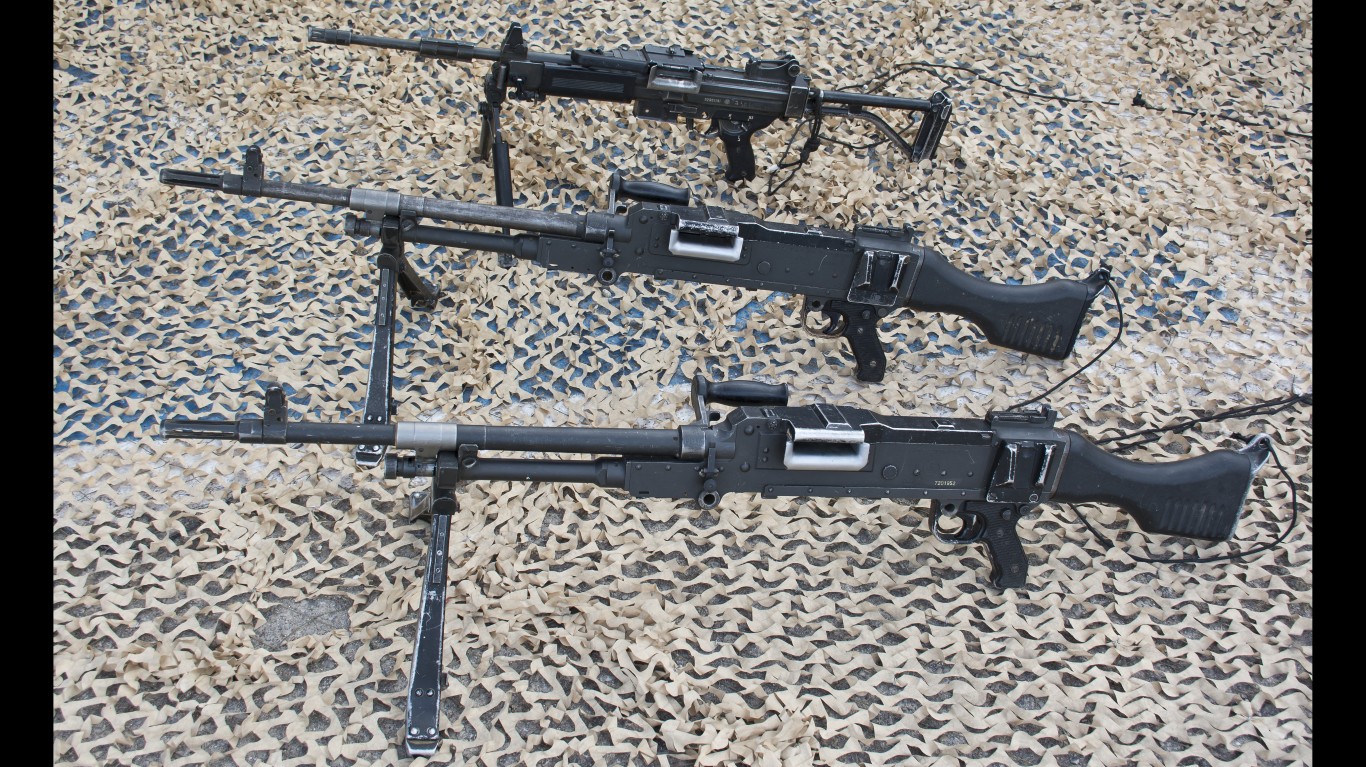
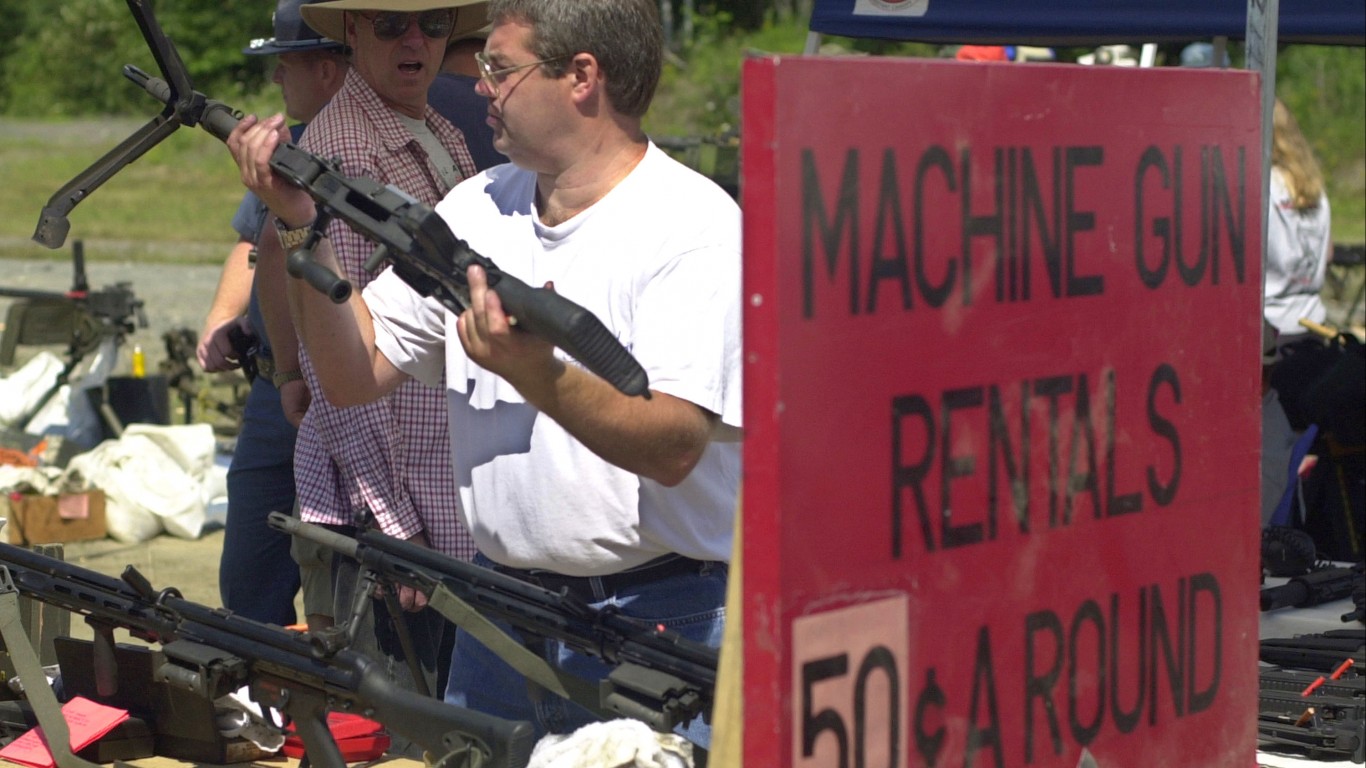
You can legally own a machine gun.
Ownership of a machine gun in the U.S. is both legal and illegal, depending on the circumstances. Per the NFA, only machine guns lawfully registered before May 19, 1986, are transferable to civilians; post-1986 guns are limited to government or qualified dealers/manufacturers.
4. Brass Knuckles
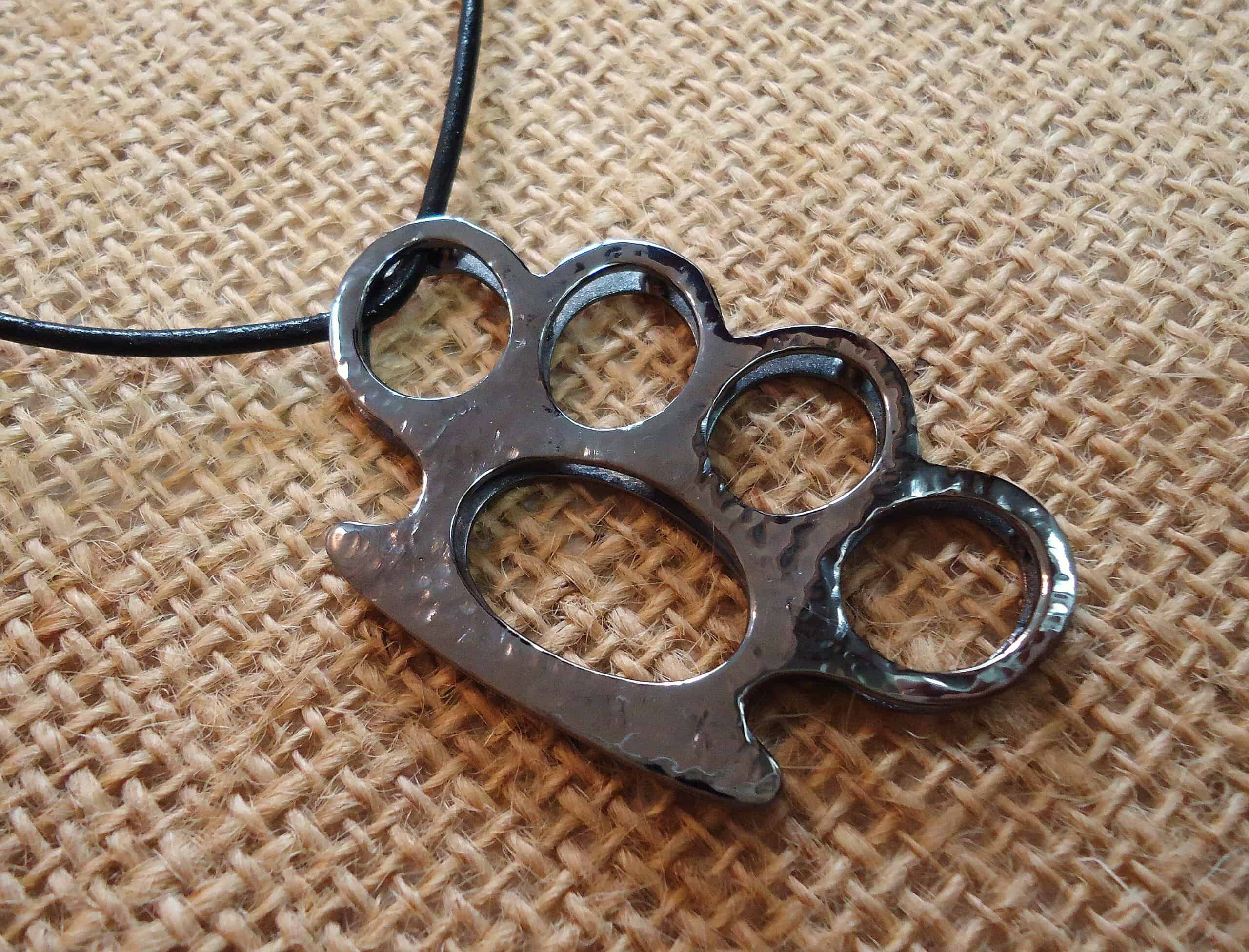
While some states have banned brass knuckles, they are legally owned elsewhere.
Somewhat ambiguous at the ownership level, multiple states prohibit ownership of brass knuckles. California, Florida, Illinois, Michigan, New Jersey, New York, and Pennsylvania are some states where you cannot own brass knuckles. Texas legalized brass knuckles in 2019; Michigan’s ban was recently upheld by the state court of appeals.
3. Flamethrowers

Surprisingly, owning a flamethrower isn’t outright banned in the US.
While Flamethrowers are banned in Maryland, you can surprisingly own one in most states. States like Texas, Florida, and New York permit ownership without specialized documents or licenses. Legal ownership became a central topic after Elon Musk’s The Boring Company sold a flamethrower online.
2. U.S. Rocket Launcher (Bazooka)
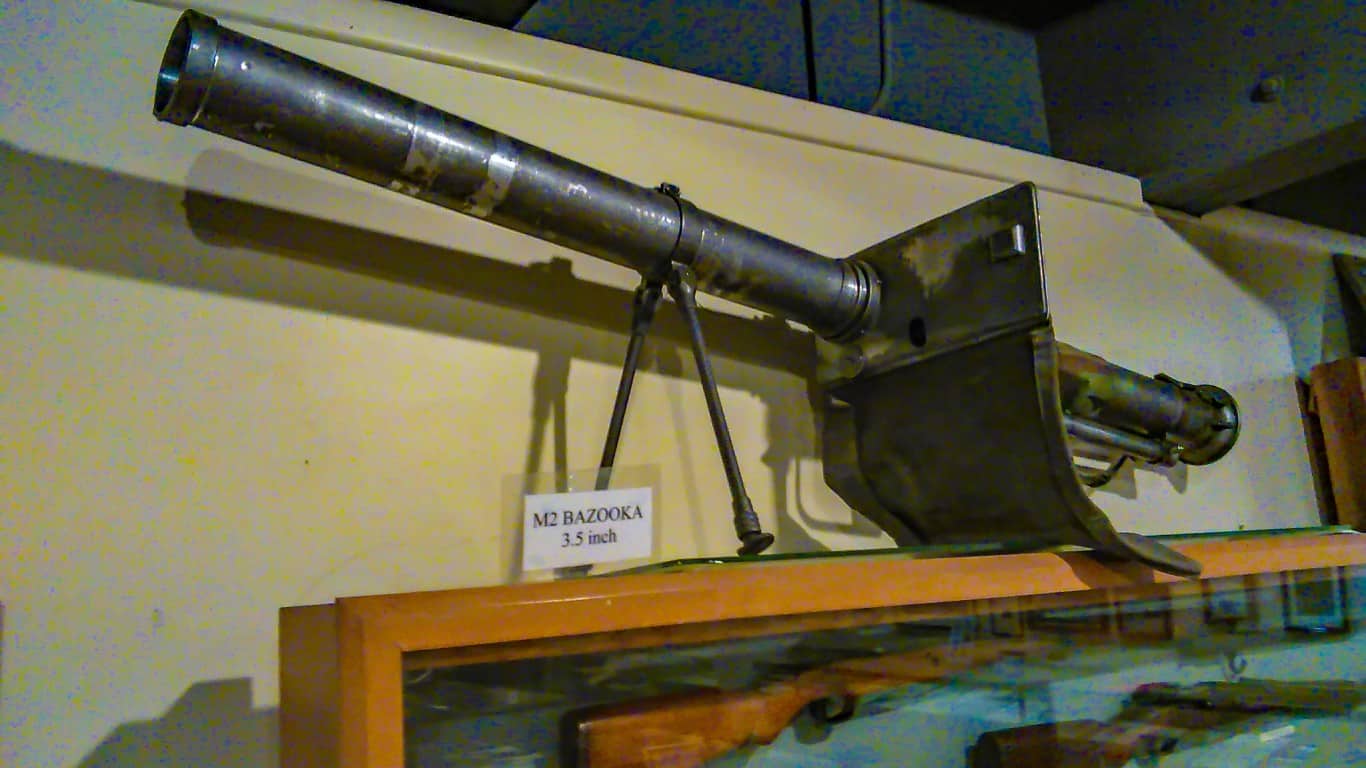
If you go through the proper channels, owning a bazooka is legal.
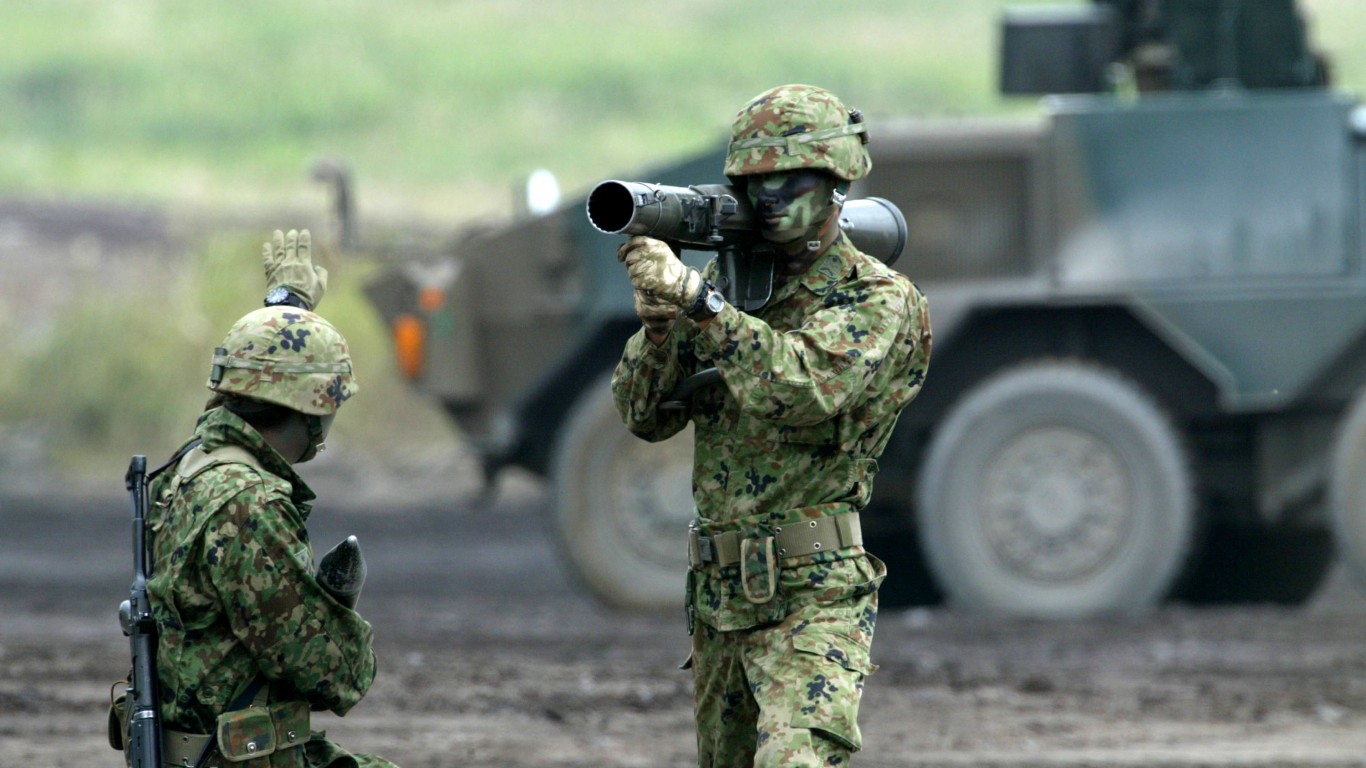
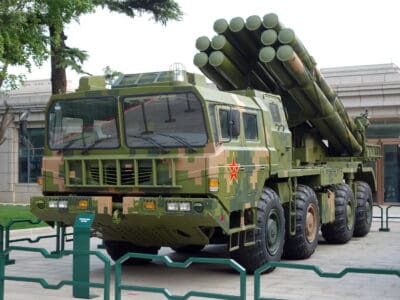
Live launchers are destructive devices; live rockets are regulated munitions (each round can be a DD), and most civilian-available launchers are demilled. Owning functional systems is possible only via full NFA DD registration (and often explosives compliance) and is rare.
1. Cannon
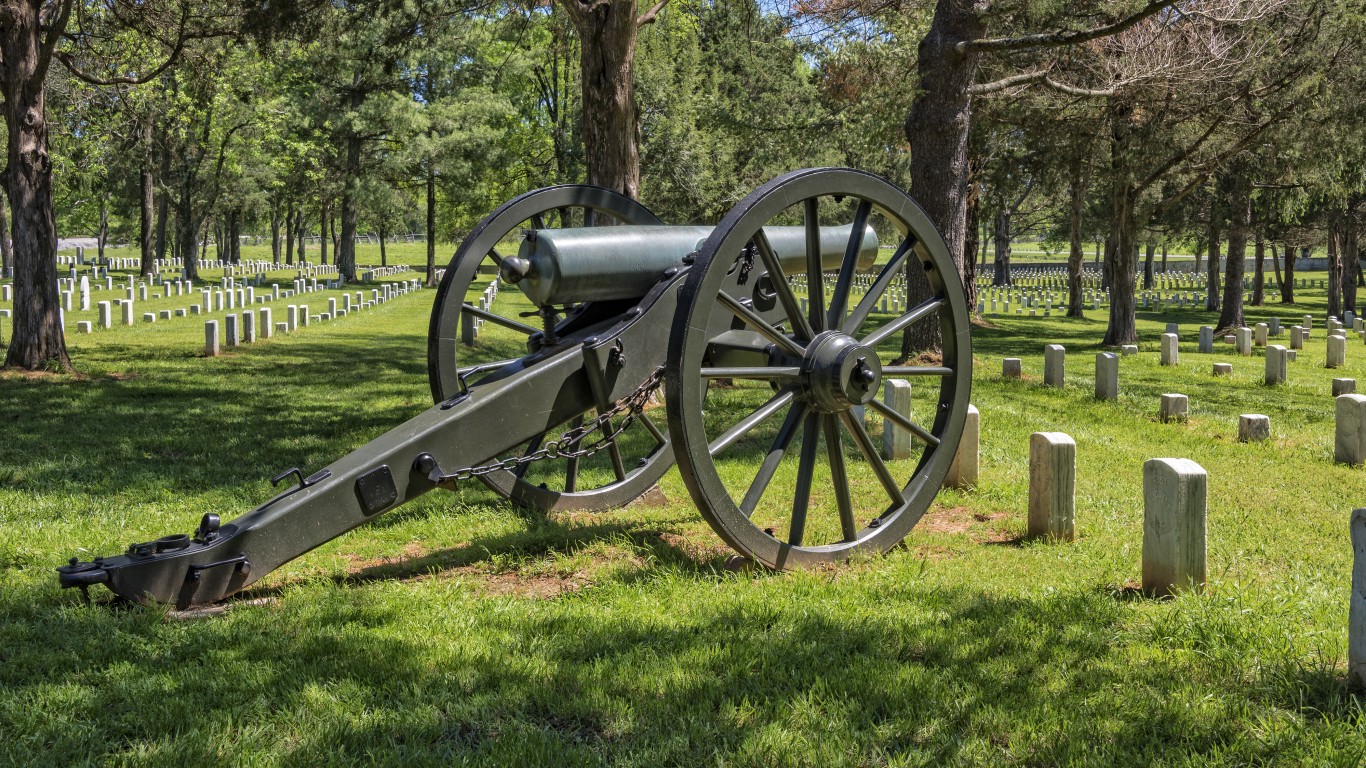
Under federal law, you can own a cannon.
According to the National Firearms Act, amended in 1934, you can surprisingly own a cannon in America. So long as it was manufactured before 1898 and is a muzzle-loading model, you must pay a $200 tax stamp, fill out forms, and ownership is perfectly legal under federal law. (Muzzle-loading cannons manufactured in or before 1898 that don’t fire fixed ammunition are “antique firearms” and not subject to the GCA or NFA.)








 Top Gaining Stocks
 Top Losing Stocks