


Key Points:
- Americans generally think they know our nation’s gun laws, but several misconceptions persist.
- Active-duty service members are not exempt from gun laws that apply to civilians.
- Civilians can legally carry a firearm in any state, but each state has specific rules and restrictions.
Many Americans feel confident that they understand the country’s basic gun laws. After all, firearms are a significant part of the nation’s history, politics, and culture. Debates about the Second Amendment to the United States Constitution are constantly in the news, with many searching for a balance between public safety and federal rights. From background checks to concealed carry permits, gun rules can seem straightforward. But confidence does not always equal accuracy. Public perception often does not encompass the complexities of federal, state, and local regulations.
In truth, American gun laws have been shaped by decades of legislation and court rulings, including landmark decisions from the Supreme Court of the United States. Many people misunderstand who can legally purchase a firearm, what counts as a “background check,” or how laws differ throughout states. When citizens misunderstand the law, it can unnecessarily alter how they vote, advocate, and engage in one of the country’s most important debates.
This post was updated on February 16, 2026.
Why Are We Covering Gun Laws?
Public knowledge about gun laws directly affects elections, legislation, and the national conversation around the right to bear arms and safety. When Americans base their opinions on inaccurate information, debates become confused and far less productive. Due to these misconceptions, policy proposals are supported or rejected for the wrong reasons. In a country where gun laws are one of the most divisive issues, knowing what the law actually says is essential for any type of change moving forward.
22. Question: Public Transportation

Can you legally carry a firearm on public transportation?
Answer: Maybe

The answer to this question depends on the state and the public transportation system. For example, Chicago prohibits firearms on any public transportation method, and the same goes for all of Amtrak’s train lines.
21. Question: Service Members
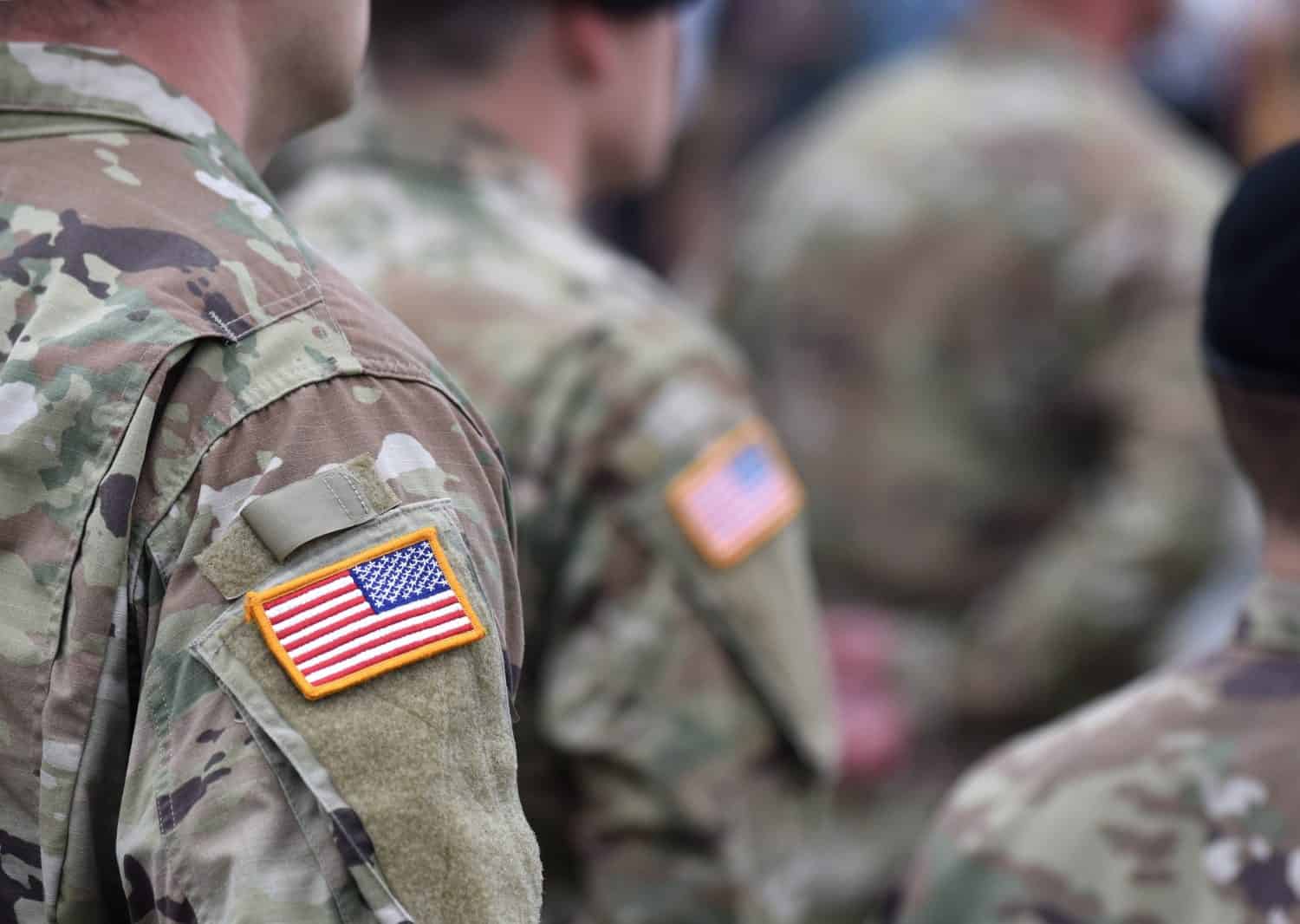
Are active-duty service members exempt from any gun laws that apply to civilians?
Answer: No

If a military member is off duty, they are required to follow all civilian gun laws. While on duty, service members must adhere to military regulations regarding firearms.
20. Question: Misdemeanors

Can someone be denied gun ownership if they have a misdemeanor conviction?
Answer: Yes and No

Individuals convicted of a misdemeanor for domestic violence are prohibited from owning a firearm. In some states, the same restrictions apply to anyone convicted of stalking or repeated DUI. However, in other cases, loopholes exist for someone with a misdemeanor on their record to own a firearm.
19. Question: Machine Guns
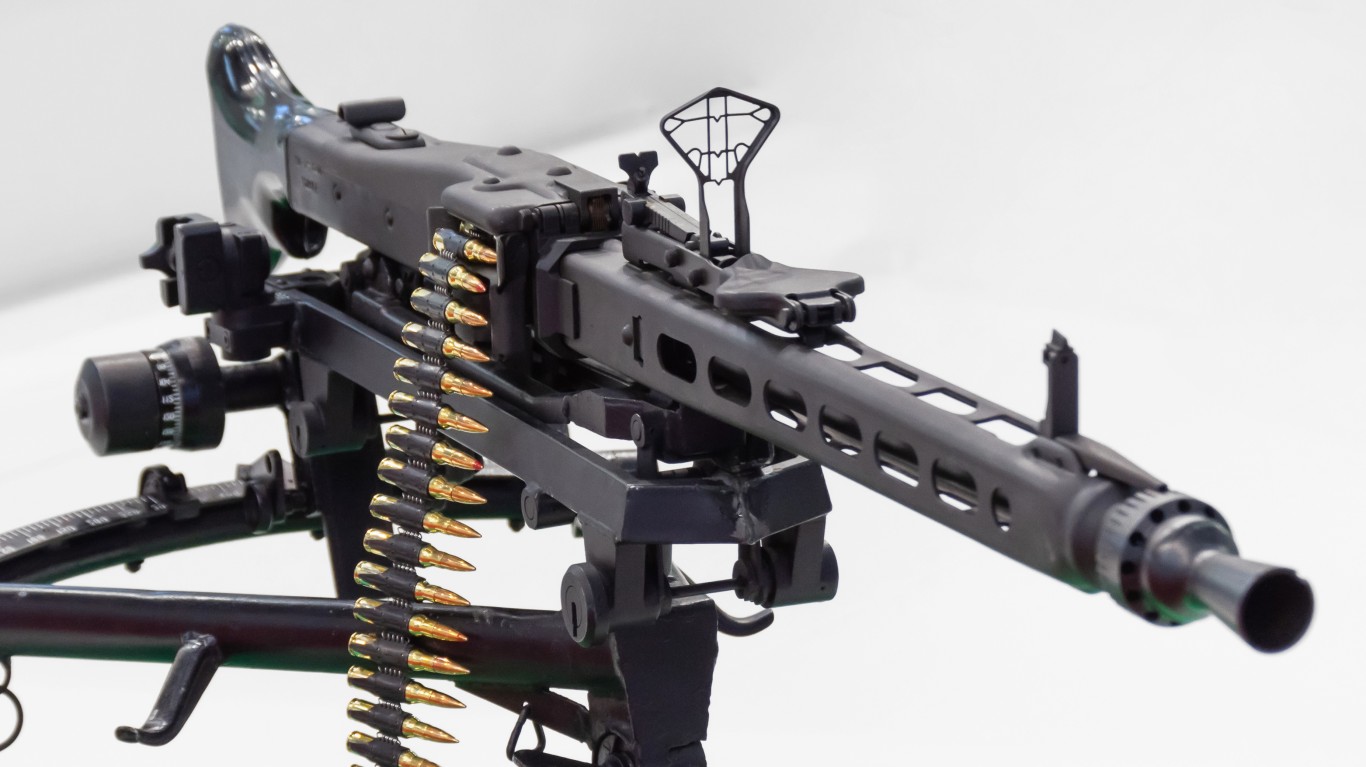
Are you legally able to own a machine gun in the United States?
Answer: In Strict Cases
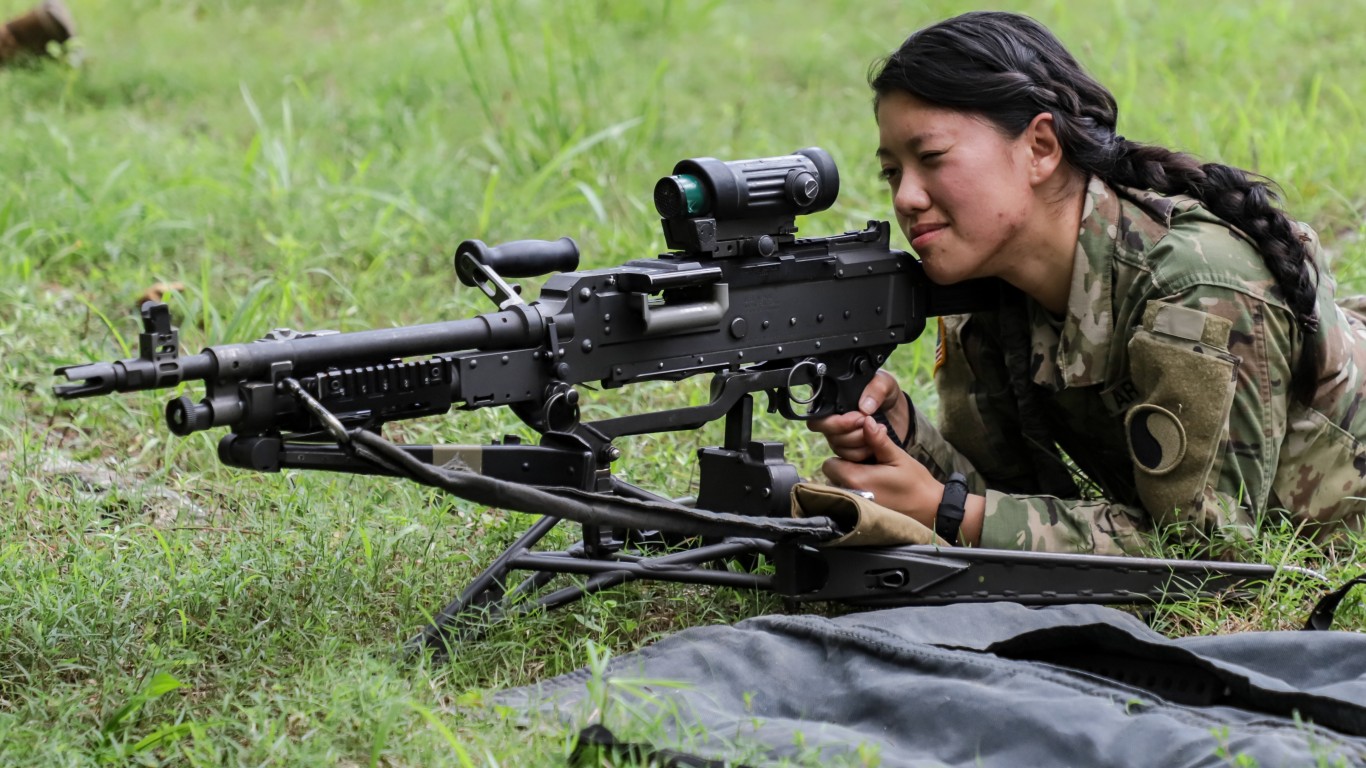
For the most part, any machine gun manufactured before May 19, 1986, can be legally owned in the United States per the National Firearms Act. Owning these weapons would require ATF registration, an extensive background check, and a $200 tax payment. Machine guns manufactured after this date are prohibited from civilian ownership.
18. Question: Gun Manufacturers and Crime
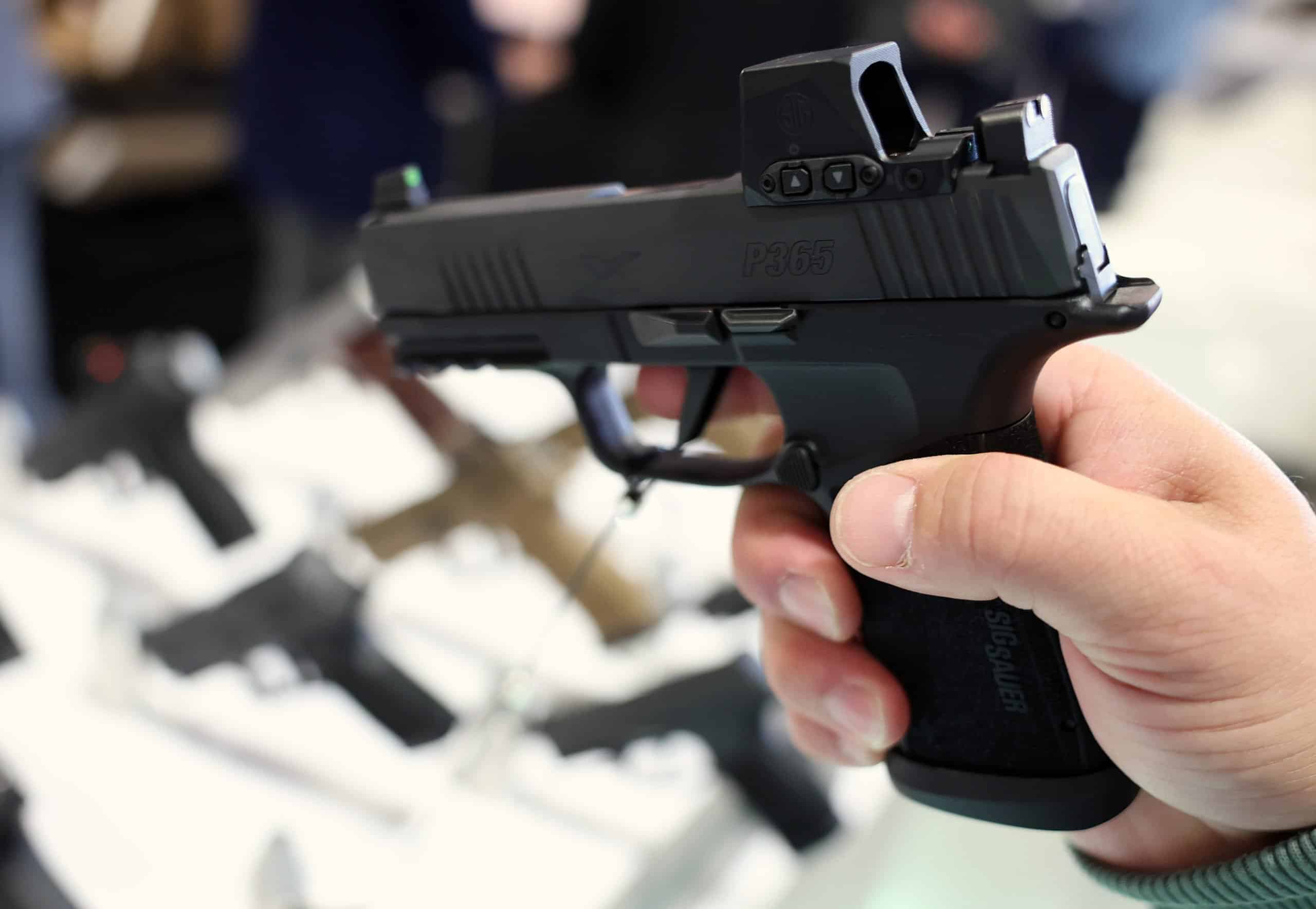
Can a gun manufacturer be sued if a manufactured firearm is used in a crime?
Answer: No, With Exceptions
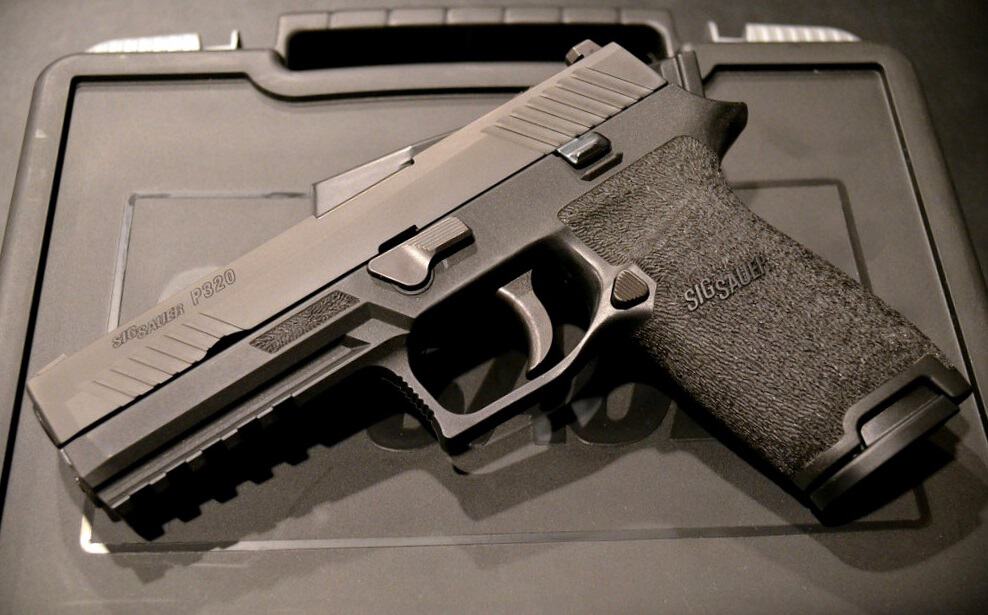
This has long been a heated legal issue, but the Protection of Lawful Commerce in Arms Act (PLCAA) protects firearms manufacturers and dealers against lawsuits. However, in the case of the Sandy Hook shooting, families of the victims were able to successfully win a lawsuit against Remington Firearms with the argument that the company’s deceptive marketing tactics played a role in the shooting.
17. Question: Felonies

Can someone who has previously been convicted of a felony own and or carry a firearm?
Answer: No
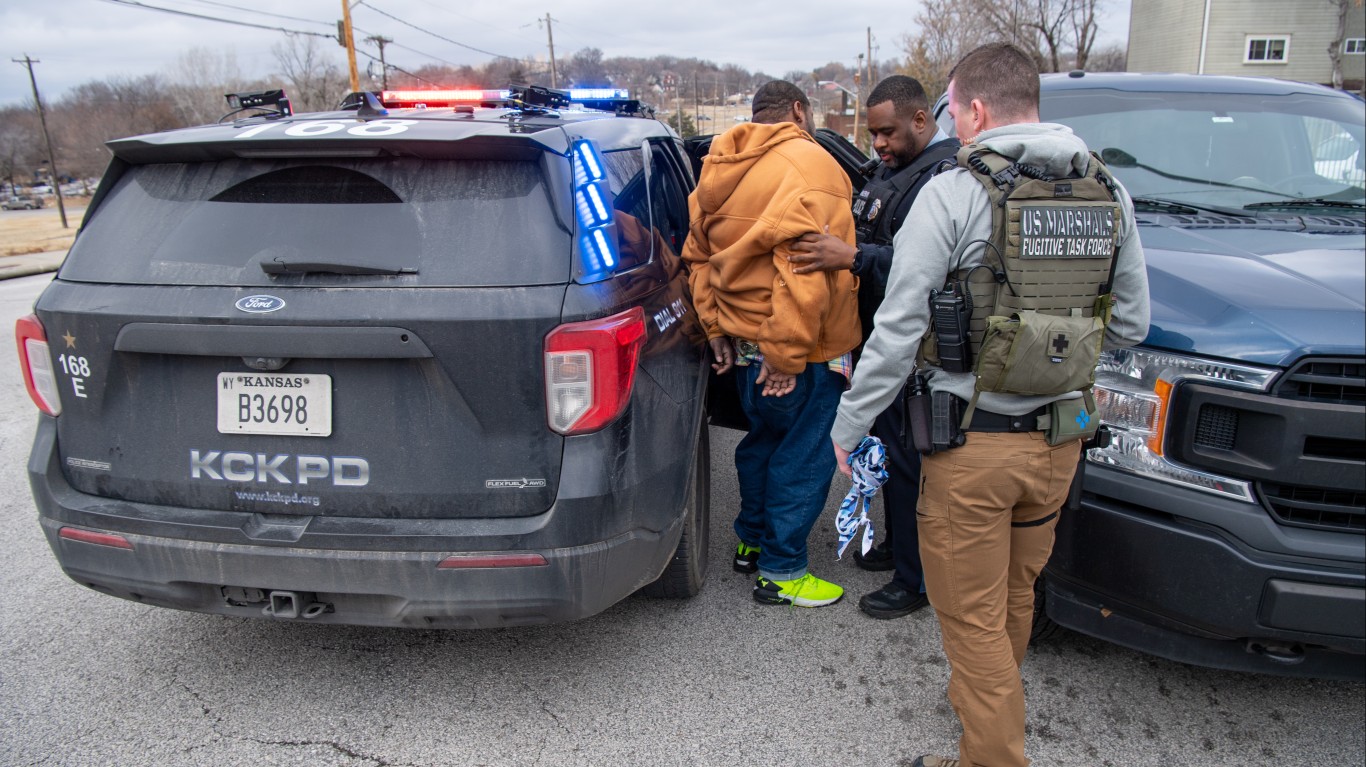
This is a pretty easy one. Federal law has been in place for a while, indicating that anyone convicted of a felony in the past, regardless of the crime, is prohibited from owning a firearm. There are cases in which felons can have their gun ownership rights restored, but doing so requires significant legal work, and success varies by state.
16. Question: Ammunition Sales

Do you need to have a federal firearms license to sell ammunition legally?
Answer: No

Federal law does not currently mandate having a license to sell standard ammunition to the public. However, any seller is responsible for ensuring that a potential buyer is not restricted from owning firearms. Also, states like California mandate that a background check be undertaken for ammunition purchases.
15. Question: Crossing State Lines
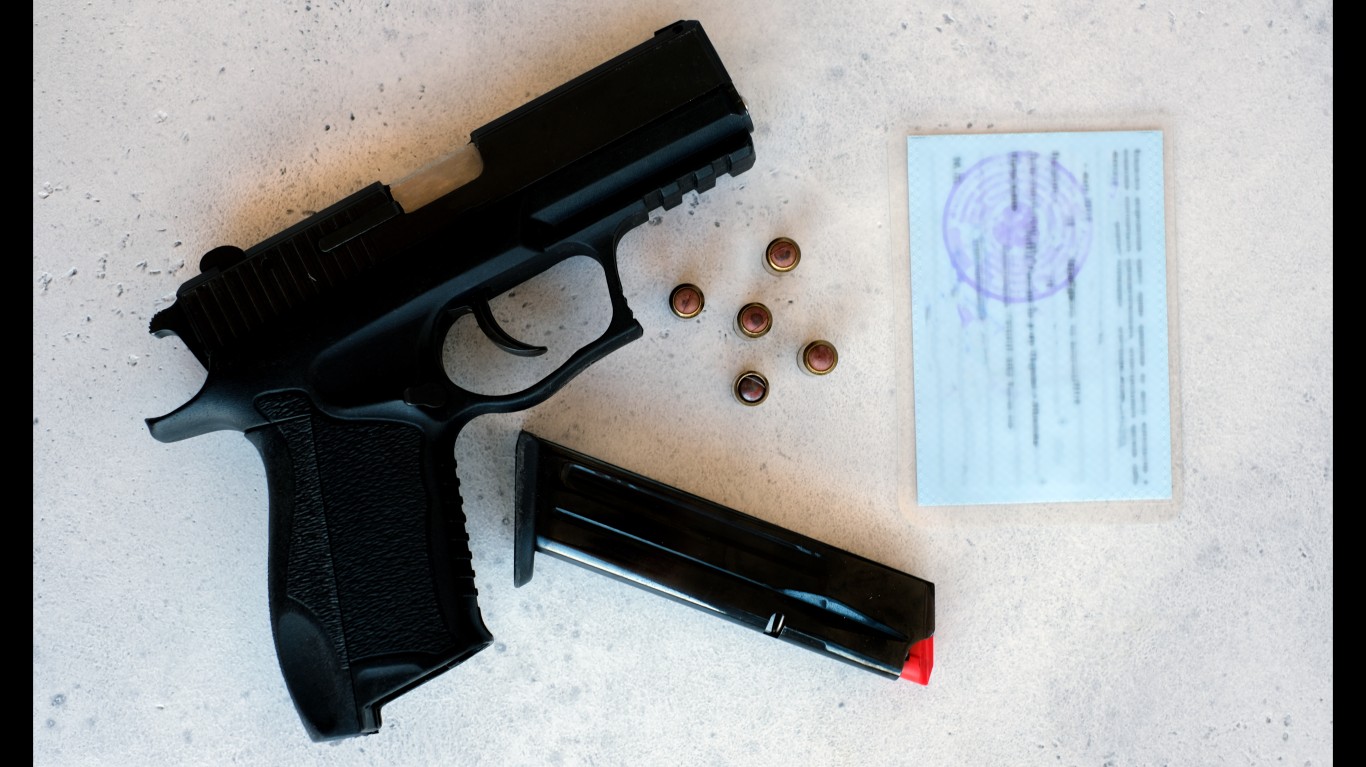
Can you legally take a firearm across state lines?
Answer: Yes
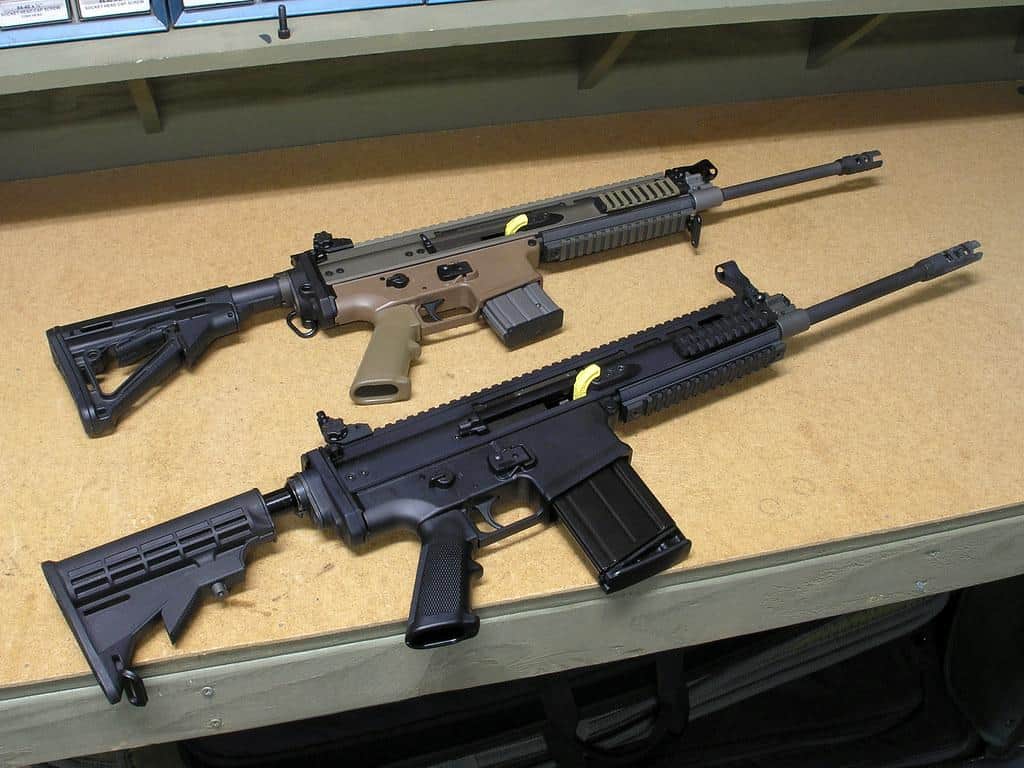
This is among the most essential and simple questions many Americans get wrong. Under the Firearm Owners Protection Act, an individual can transport a firearm across state lines if used for a lawful purpose and locked in a container. However, anyone crossing state lines must be familiar with the laws of any state they enter, as individual state laws vary, especially around reciprocity for concealed carry permits.
14. Question: College Campuses

Can guns be carried on a college campus?
Answer: Yes, In Some States

The short answer to this question is yes, especially in places like Texas, where guns can be legally carried openly without a permit. However, this law gets significantly tighter in states like California, where firearms are strictly prohibited on college campuses unless carried by members of law enforcement.
13. Question: Magazine Capacity Limits
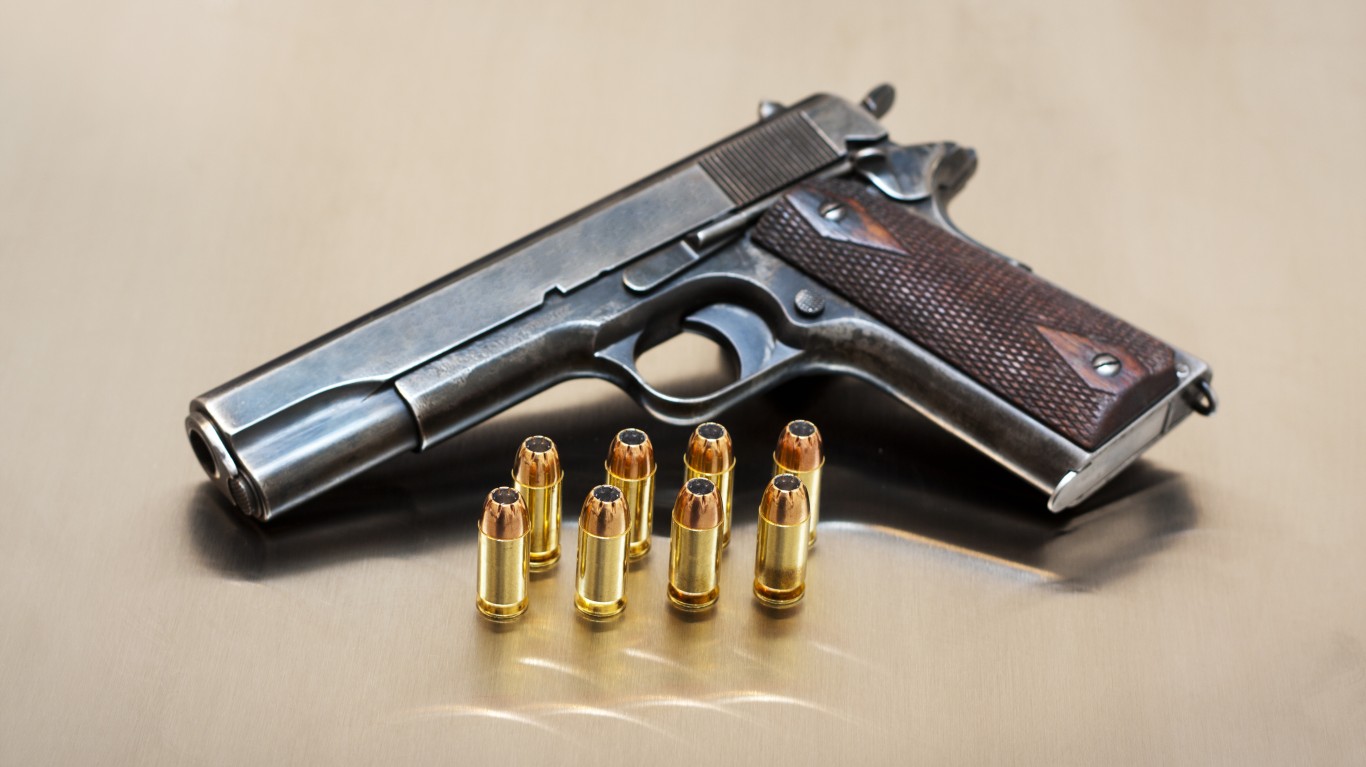
Are there any limits on magazine capacity?
Answer: Yes, In Certain States
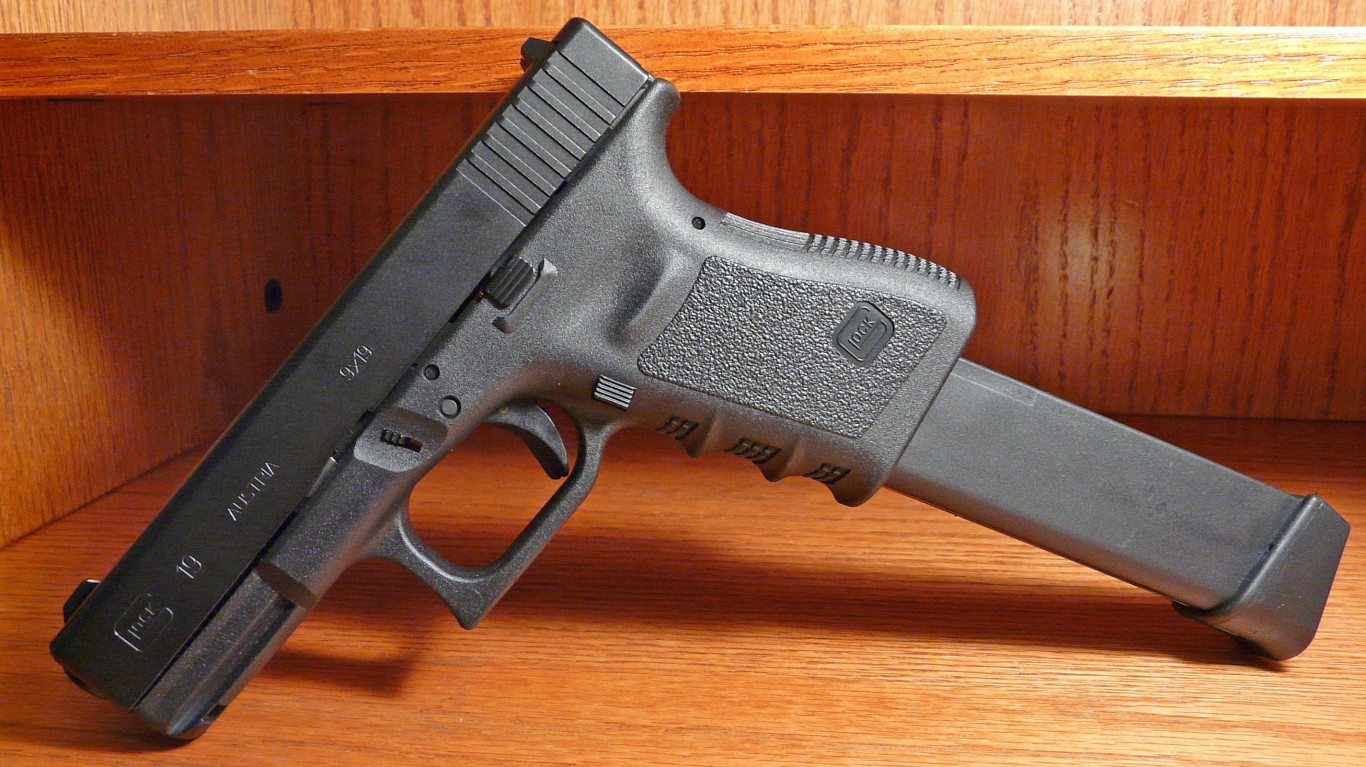
As of September 2023, 14 states and Washington, D.C. have enabled magazine capacity restrictions. In many states, the maximum allowed capacity is between 10 and 20 rounds. For example, California, Maryland, Massachusetts, New Jersey, New York, and Vermont all limit magazines to 10 rounds, while Vermont also extends this rule to handguns to just 15 rounds.
12. Question: Bump Stocks

Bump stocks are frequently in the news. Are they legal?
Answer: No
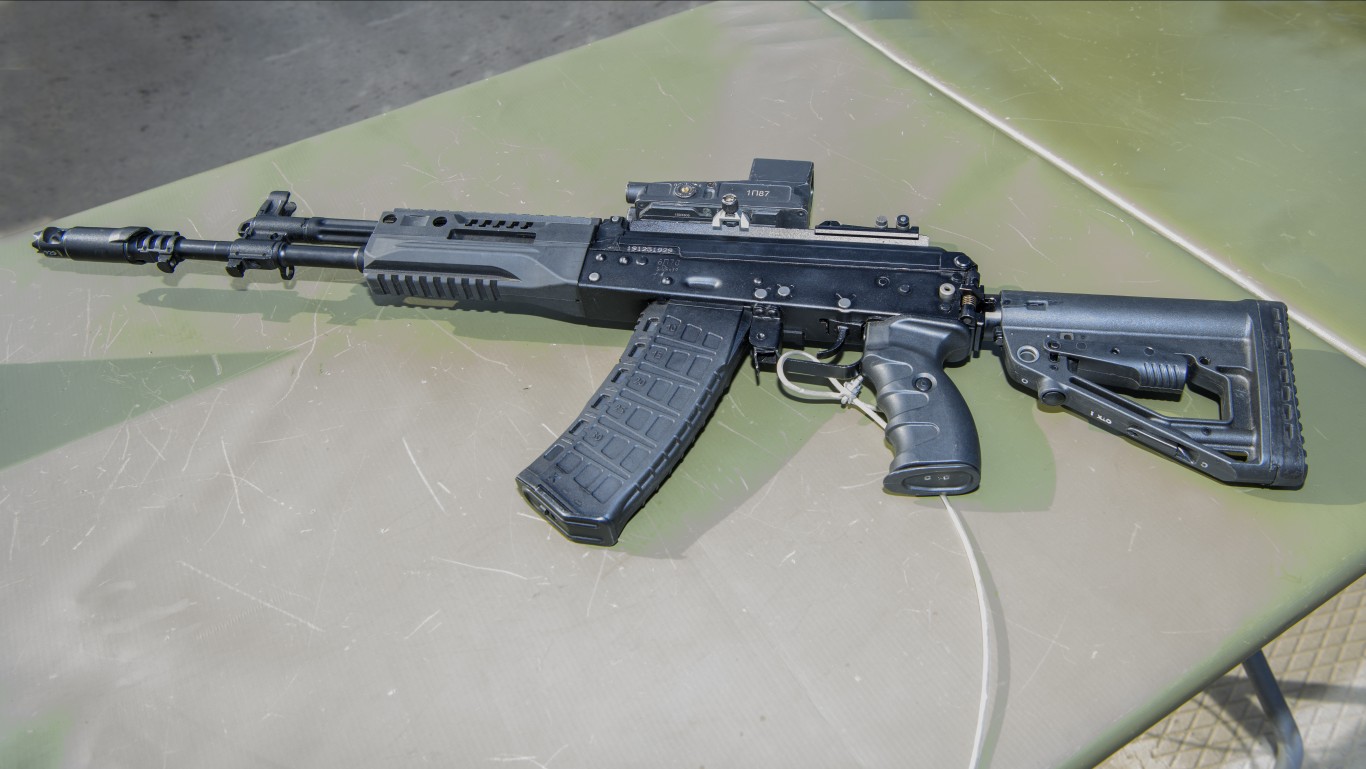
While bump stocks are still found in the wild, they have been federally banned since 2018. The popularity of this weapon enhancement enables a semiautomatic rifle to fire rapidly, and its use has been under a microscope after being used in several mass shootings in recent years.
11. Question: Background Checks

Can you purchase a firearm at a gun show without requiring a background check?
Answer: Not Really
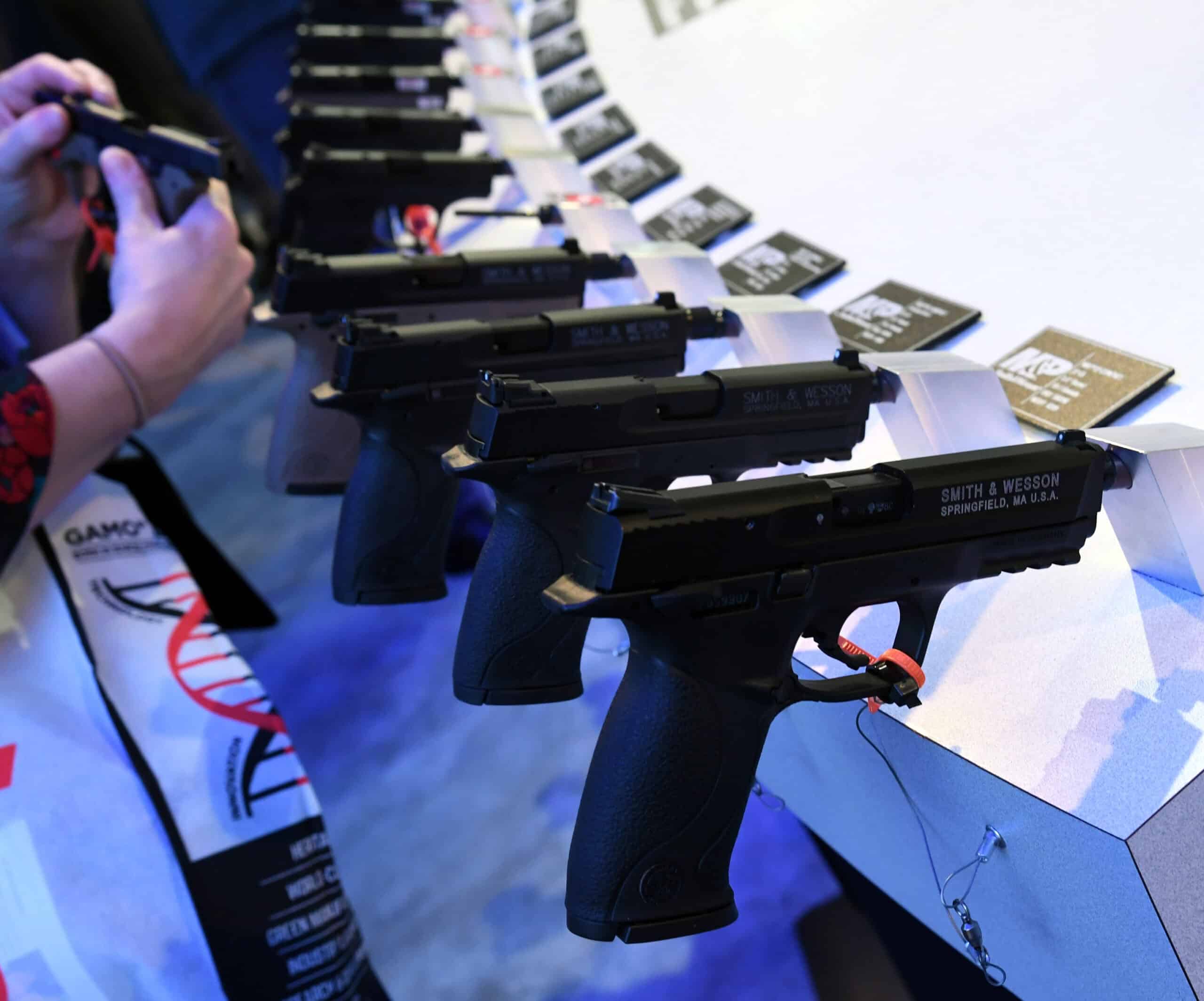
Per federal law, anyone with a Federal Firearms License (FFL), such as a gun store or other licensee who might sell at a gun show, must perform a background check on any buyer and keep detailed records about the sale. In Florida, this isn’t necessarily true, as you can purchase a firearm at a gun show without any background check due to a loophole known as the “gun show loophole.”
10. Question: Ammunition Restrictions

Are there any restrictions on the type of ammunition a single buyer can purchase?
Answer: Yes
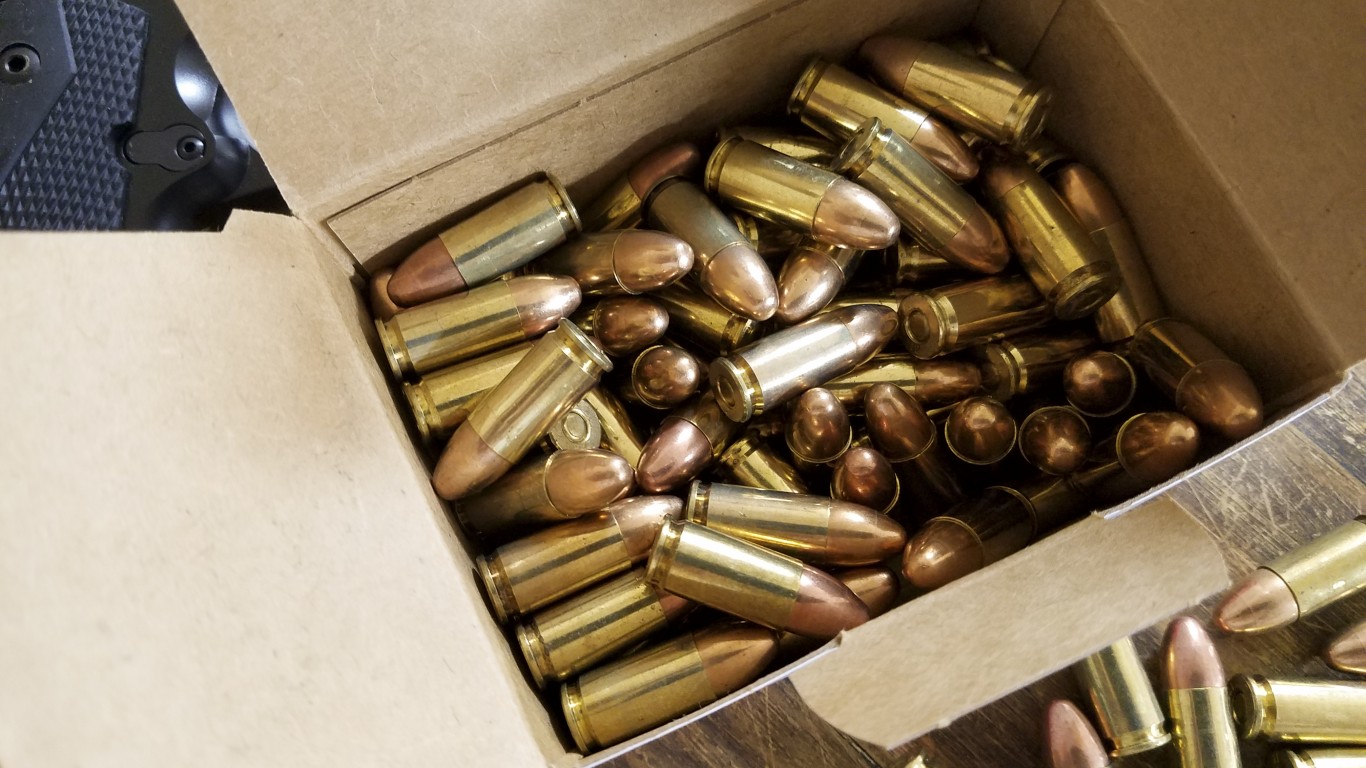
A buyer in the United States cannot purchase or own armor-piercing ammunition due to a federal ban. Federal law also bans handgun ammunition from being sold to anyone under 21 years of age. There are also state limitations based on magazine capacity and locations like California that require a background check on most ammunition purchases.
9. Question: Silencers and Suppressors
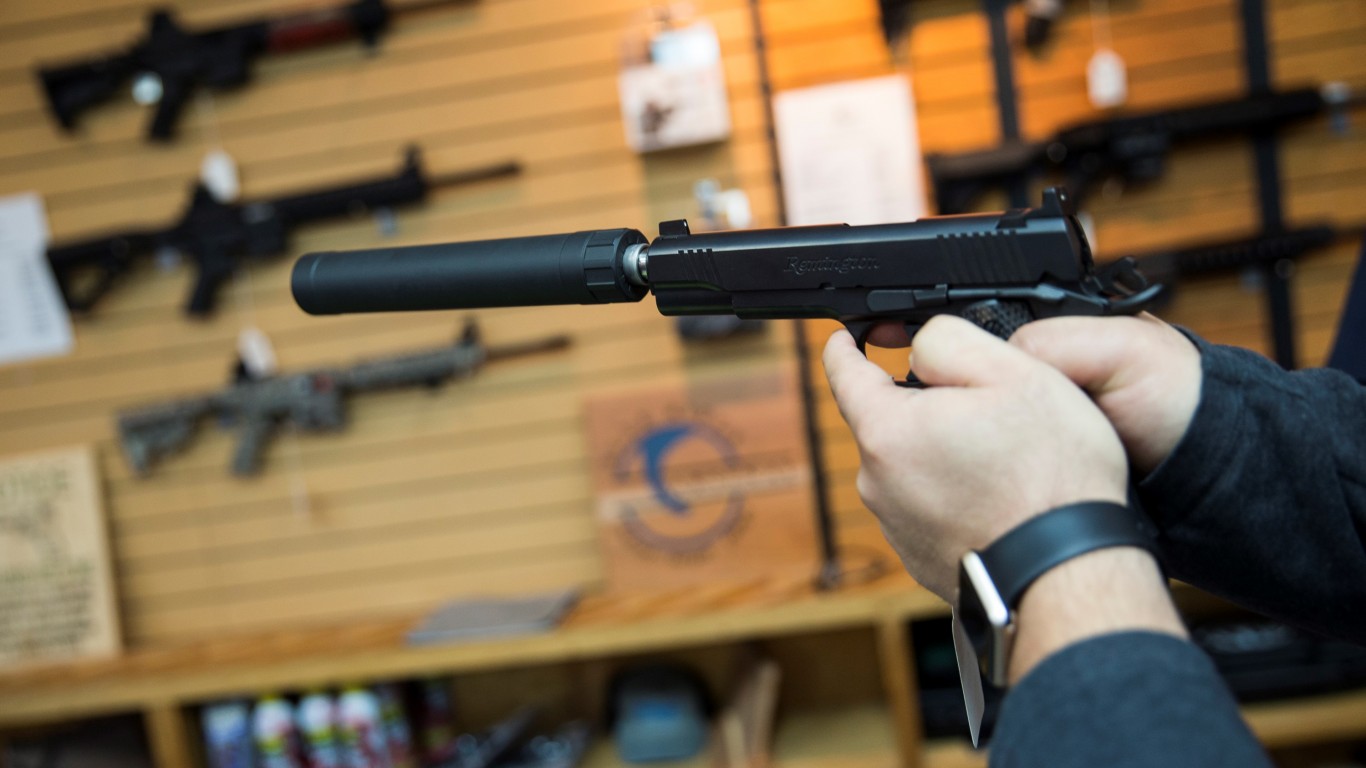
Can someone not in law enforcement or the military use a silencer or gun suppressor?
Answer: Yes

This is a murky one. The short answer is yes. 42 states allow suppressors to be used in conjunction with private firearms. However, to do so, you must register under the National Firearms Act, pay a $200 tax, and submit to an even more extensive background check.
8. Question: Make Your Own
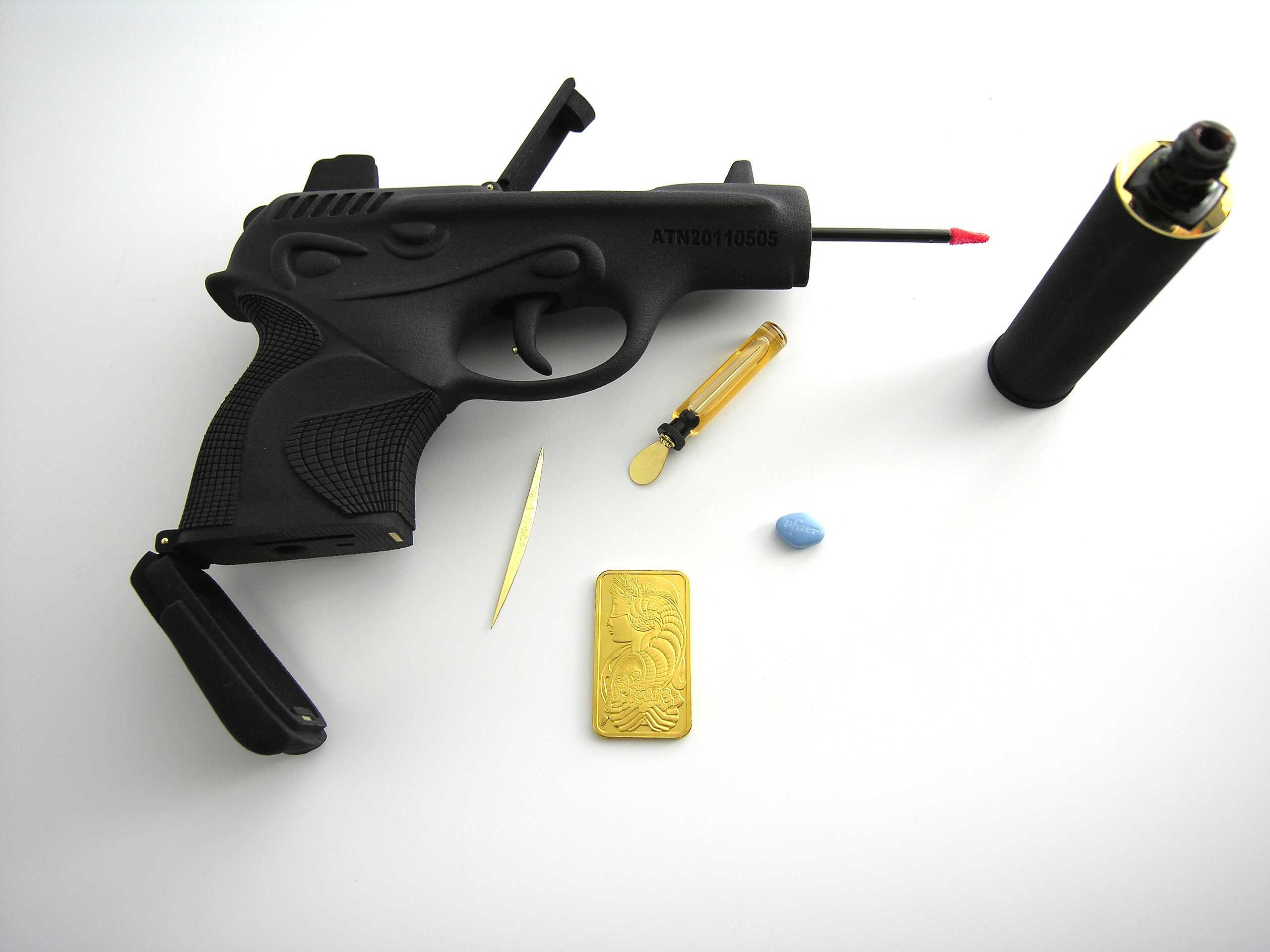
Are you legally allowed to make your firearms?
Answer: Yes
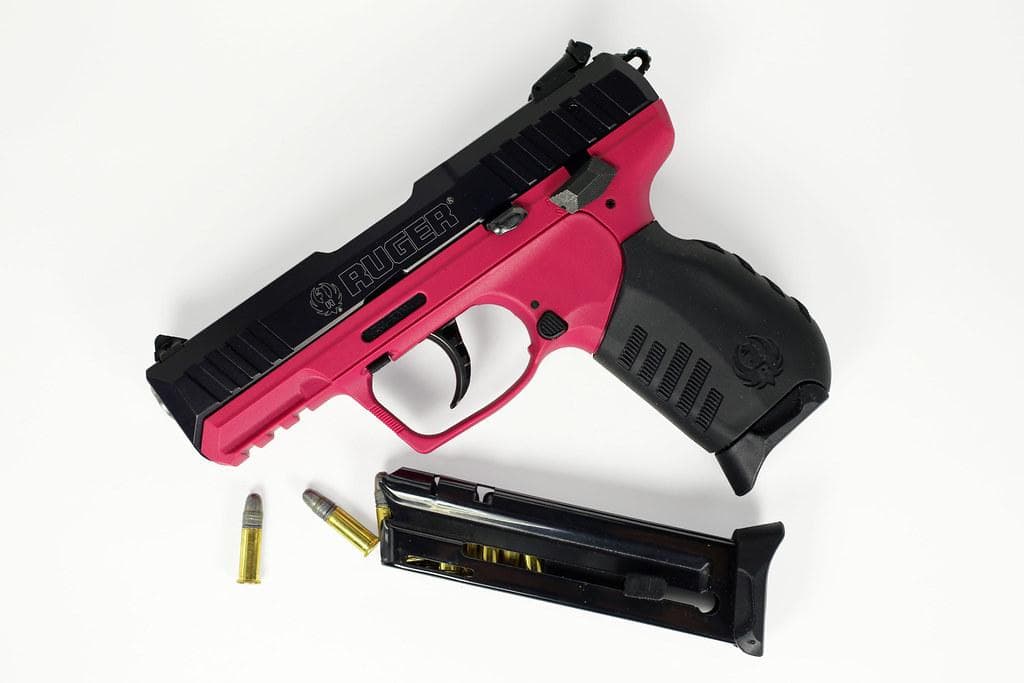
This is a tough question as the guidelines vary and are coming under increasing scrutiny as 3D printing becomes more popular. With 3D printing, people can manufacture guns that can pass through metal detectors. However, making firearms for personal use is legal if the individual complies with federal laws. Any gun manufactured privately must be legally registered with a serial number.
7. Question: Assault Weapon Bans
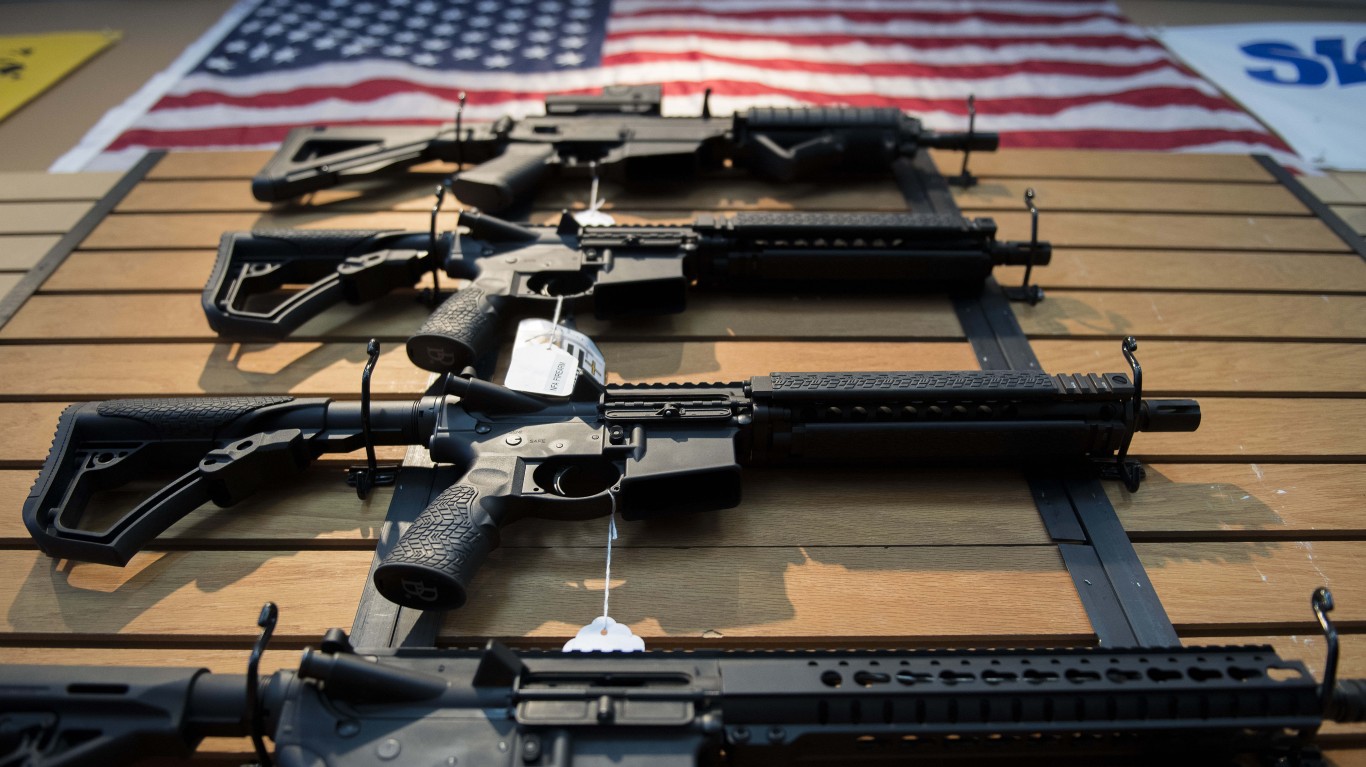
Are assault weapons banned nationwide?
Answer: No

This question often confuses many Americans, as President Bill Clinton had previously enacted a 10-year ban on assault weapons. However, this ban expired in 2004, which allowed states like New York, California, and Connecticut to enact their restrictions on assault weapons.
6. Question: Federal Waiting Period
What is the current federal waiting period to purchase and own a firearm?
Answer: Varies By State
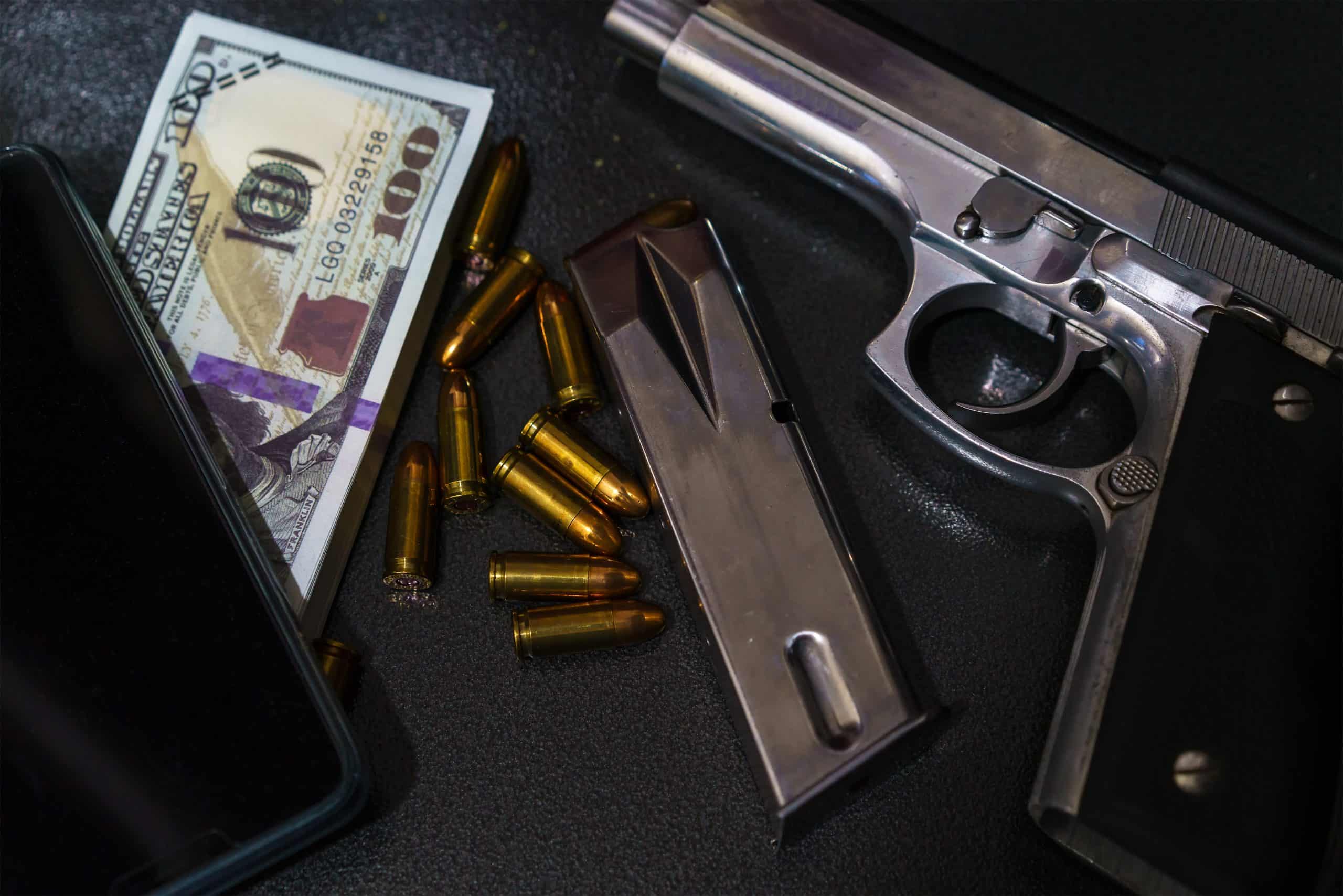
In terms of federal law, you don’t have to worry about a waiting period, but the laws can get a little more complicated when you look state-by-state. In California, you’d have to push past a 10-day waiting period for the background check to complete, while Florida only requires a 3-day waiting period for handgun purchases.
5. Question: Where to Carry

Can you legally carry a firearm in every state?
Answer: Yes, With Restrictions
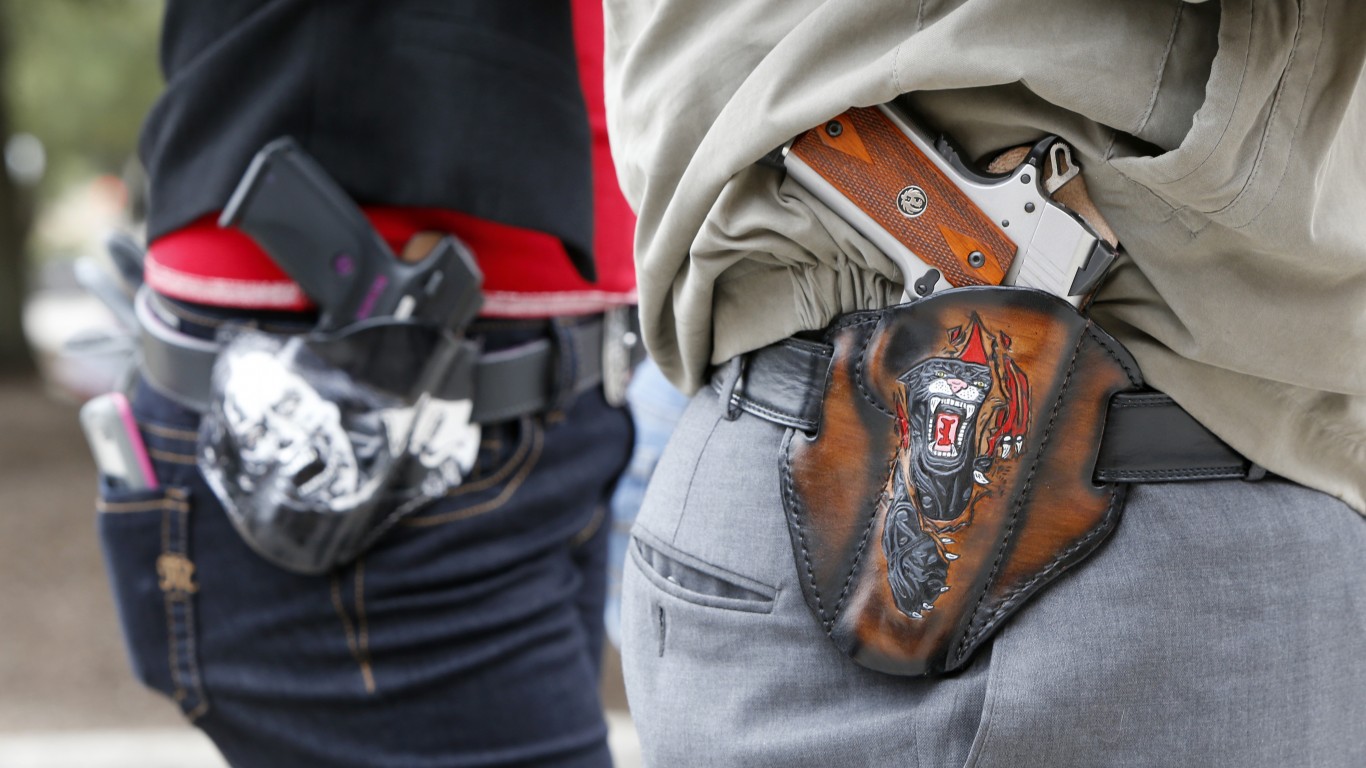
Every state allows people to carry firearms under certain conditions. Anyone doing so needs a permit, like a concealed carry permit, that restricts how a weapon can be carried or displayed on one’s person. For example, you can carry it openly without a permit in Texas, while New York and Florida have stricter rules.
4. Question: Purchasing Limits
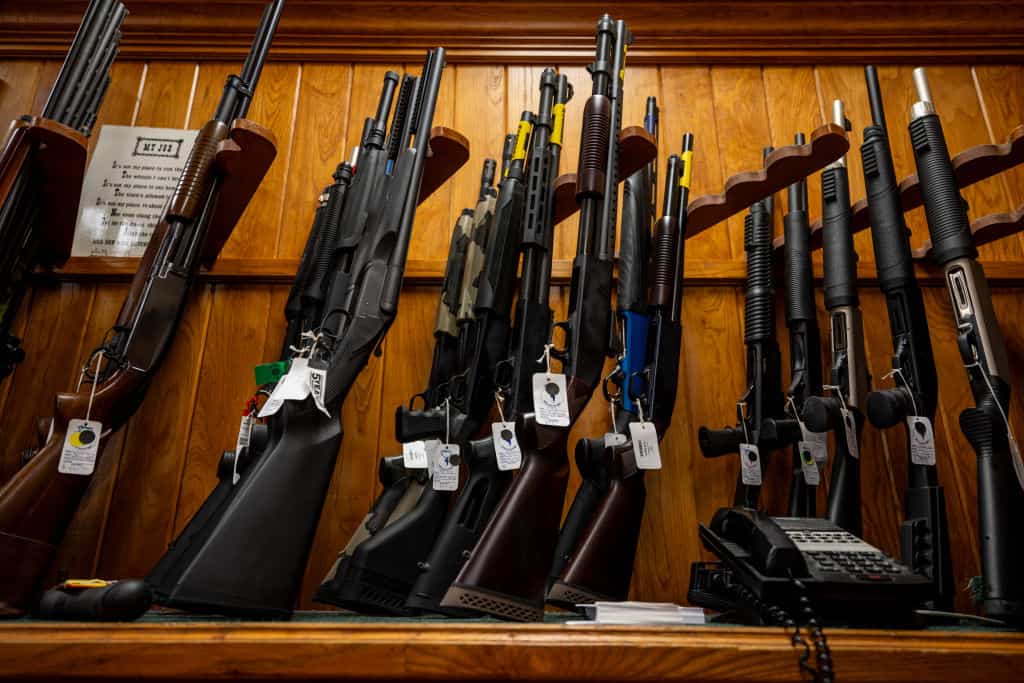
If you walk into a gun store, how many guns can one person purchase at a time?
Answer: No Restrictions
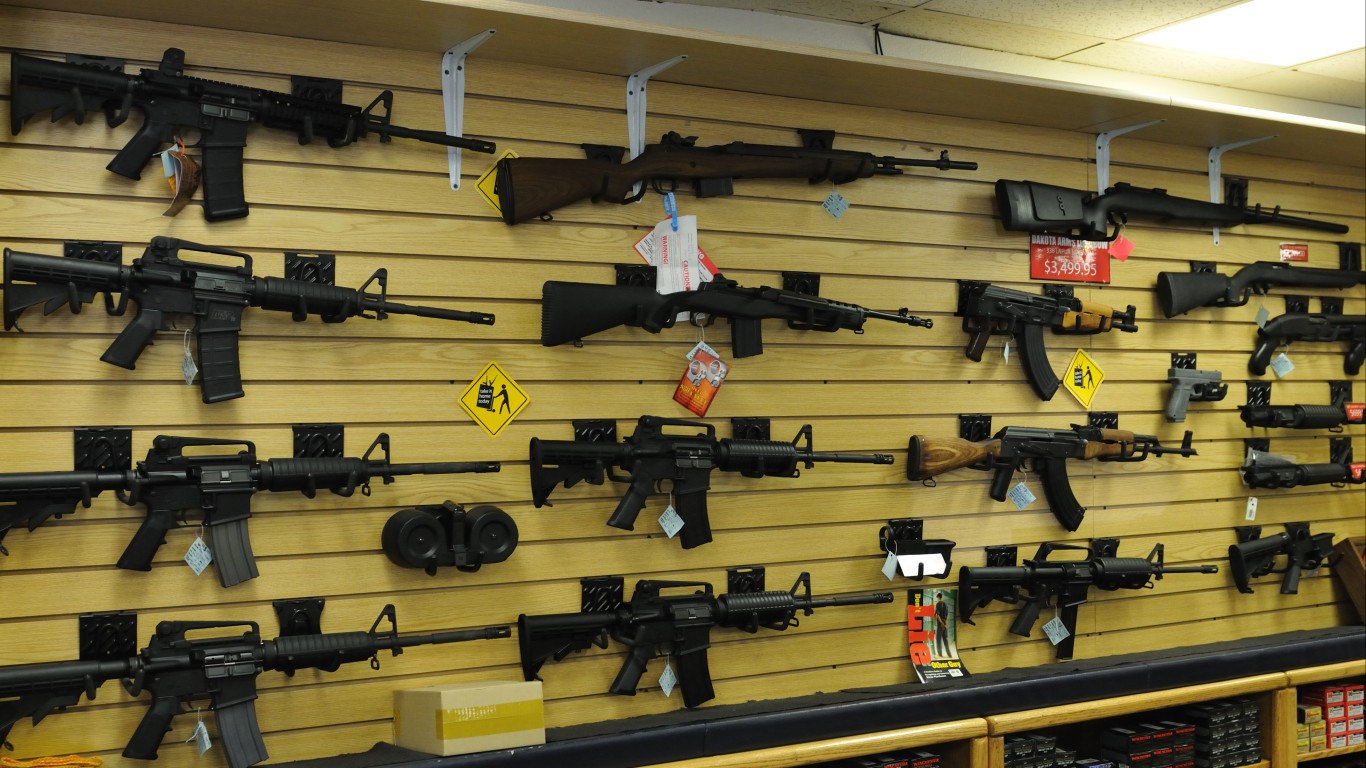
Federal law does not directly prohibit or restrict the number of firearms a single individual can purchase at one time. However, there’s a major caveat: if you purchase multiple guns at one time, the sale would have to be reported to the ATF. Additionally, states like California do restrict handgun buyers to a single gun or rifle purchase per month.
3. Question: Private Gun Sales

Do you need to complete a background check if you are selling a gun privately?
Answer: No
Interestingly enough, no existing federal law prohibits or restricts private firearm sales without a background check being completed. However, states like California, New York, Rhode Island, Hawaii, and others have varying degrees of state-based laws that would allow for private gun transactions. In total, 22 states and Washington, D.C., have laws requiring background checks for a private transfer.
2. Question: Online Purchasing
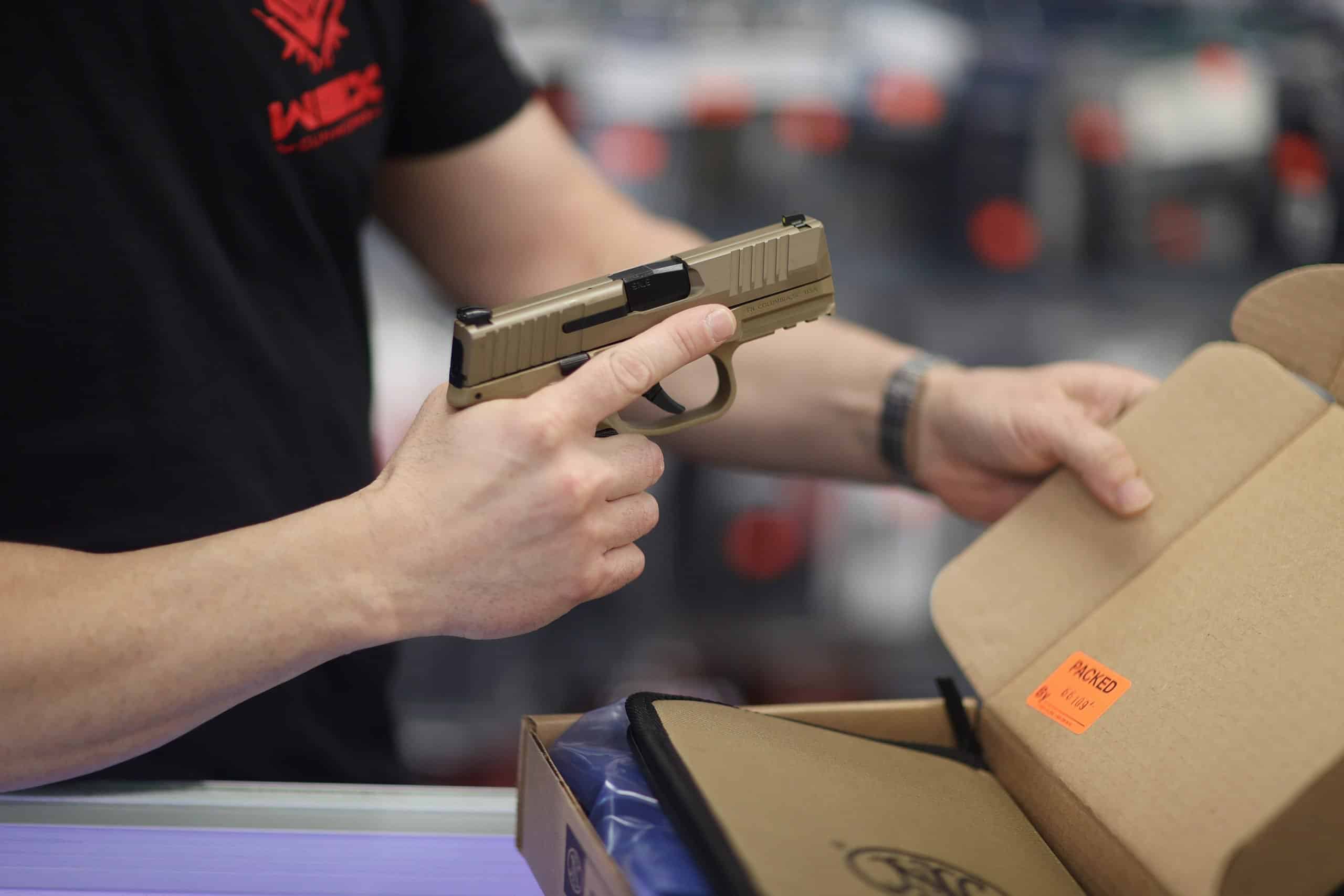
Can you purchase a gun or firearm online and ship it to your home?
Answer: No
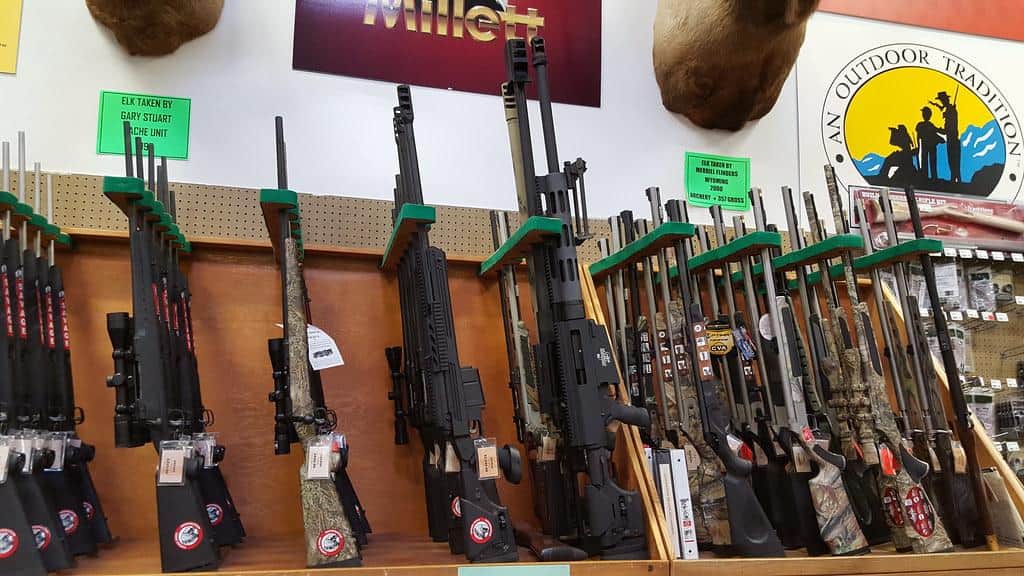
Anytime a firearm is purchased online, it must be shipped to a licensed firearm dealer or gun store where a background check can be completed. Pending the background check’s approval, a firearm transfer can occur to the intended buyer. Only antique firearms manufactured before 1899 can be shipped to your home.
1. Question: Purchasing Ages
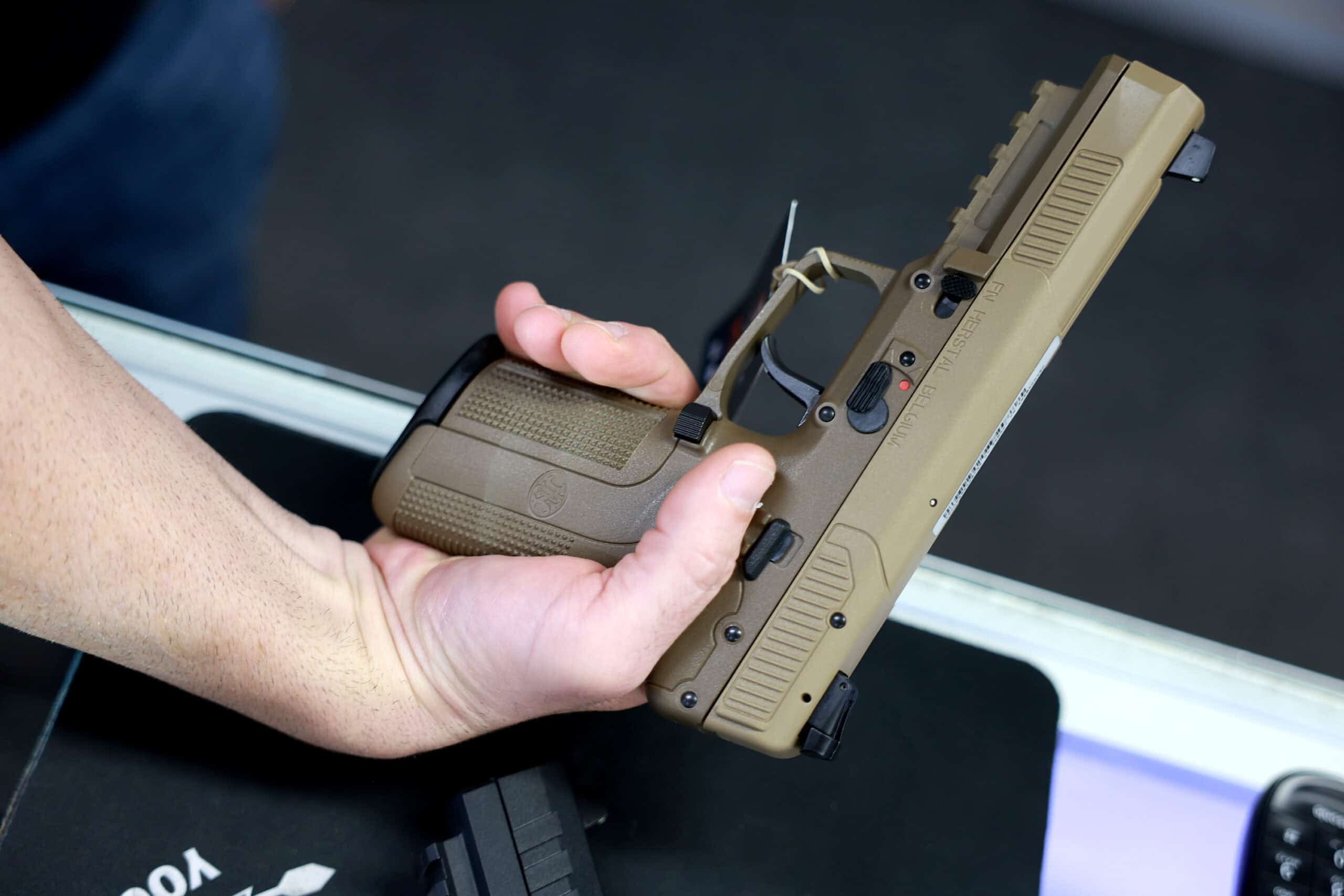
How old must you be to purchase a handgun in the United States?
Answer: 21

In the United States, federal law states that a minimum age of 21 is required to purchase a handgun. Strangely, the same federal laws also allow an 18-year-old to buy both a rifle and a shotgun, so gun advocates hope change the law so it’s the same age for everything. Recently, the 5th Circuit found that banning handgun sales to people under 21 years old is unconstitutional — but this situation is still developing.






 Top Gaining Stocks
 Top Losing Stocks