


[cnxvideo id=”509259″ placement=”ros”]With prescription drug spending breaking new records almost every year now, people like to blame Big Pharma and use it as the industry punching bag. But the truth is, Big Pharma has little to do with it. Buy-and-raise schemes are also universally reviled because they sound so bad, especially among politicians looking to stay relevant and loud. Buy-and-raise, as distasteful as it is, does not really have much to do with it either.
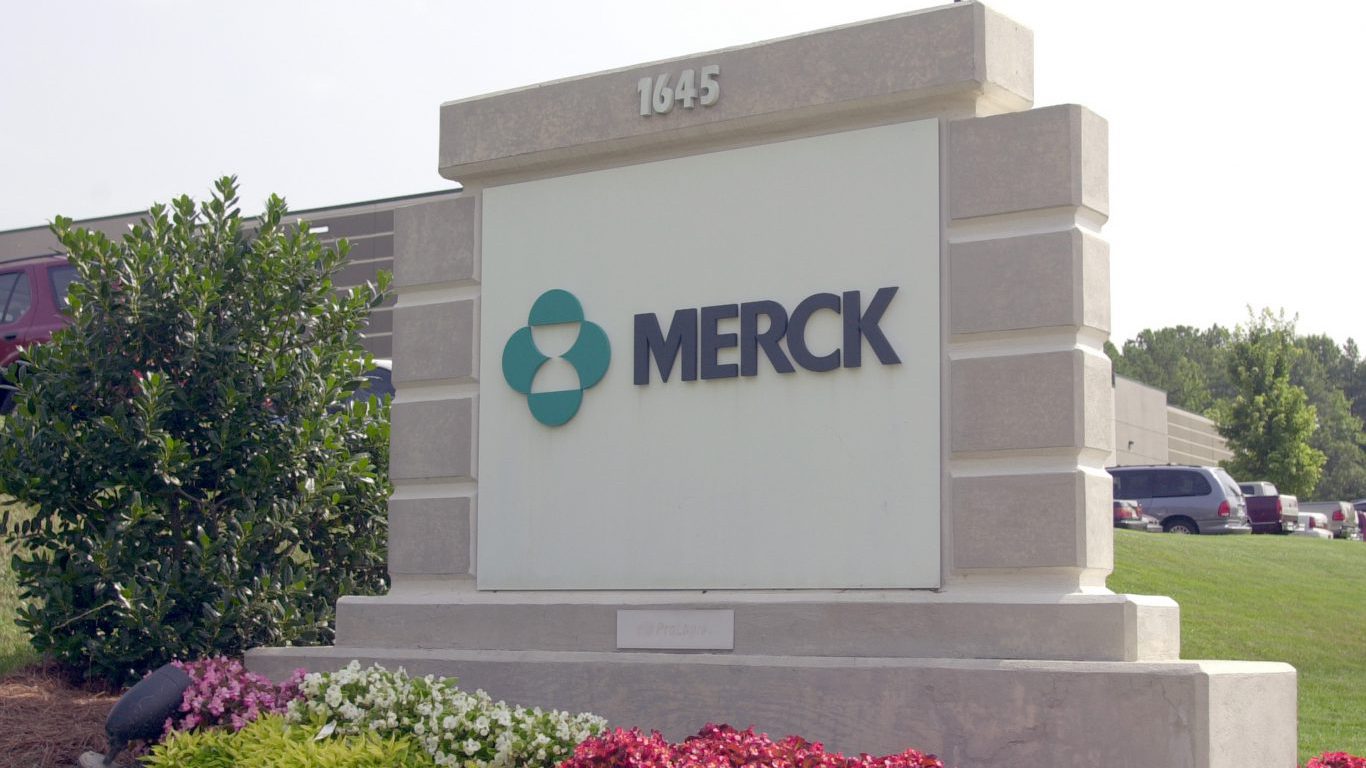
Merck & Co. Inc. (NYSE: MRK), Pfizer Inc. (NYSE: PFE), GlaxoSmithKline PLC (NASDAQ: GSK) and Bristol-Myers Squibb Co (NYSE: BMY) account for a combined $564 billion in market cap, but their stocks have vastly underperformed the Nasdaq since 2000.
While the Nasdaq is up 50% since the turn of the millennium, counting from the Nasdaq bubble, Merck and Pfizer are virtually unchanged for 17 years now. Bristol-Myers is down nearly 20%, and GlaxoSmithKline is down 25%. All the disparaging of Big Pharma aside, they aren’t really the culprits here. Even if they were, they clearly haven’t done a very good job of taking advantage.
[nativounit]
So who is? The answer is specialty pharmaceuticals, with spending increases mostly coming from new treatments primarily for cancer, hepatitis C (HCV) and autoimmune diseases. Look at specialty pharma stocks like Gilead Sciences Inc. (NASDAQ: GILD) and it’s clear where the big spending increases are going.
How much of the spending is concentrated in specialty areas? In 2015, 35% of all prescription drug spending in the United States was concentrated in cancer, HCV and autoimmune disorders. Humira, for example, is an autoimmune drug, and it is the best-selling drug of all time. The point is, the astronomical increase in drug spending is not a general trend of biotech as a whole charging more money for the same stuff. It’s a result of new pricier drugs that didn’t exist before.
From a shareholder perspective, the real money is in oncology, antivirals and anti-inflammatories. Succeed in one of these three categories and some of that record spending will head your way. That said, which of the stagnating Big Pharma stocks is most likely to break out? Merck looks to have the best chances after 17 years of stagnation, thanks to its oncology immune checkpoint inhibitor drug Keytruda. Already a blockbuster, continued approvals into new oncological indications are sure to expand its market. Keytruda has two important dates with the FDA next month.
Beyond individual approvals for new indications, there is the longer term opportunity of using checkpoint inhibitors like Keytruda and Opdivo in combination with other cancer therapies, which Merck looks to be aggressively pursuing. In fact, Merck just got approval for Keytruda in combination with chemotherapy for lung cancer, causing shares to jump. On the very same day Merck announced a collaboration with OncoSec Medical Inc. (NASDAQ: ONCS) on combining Keytruda with OncoSec’s ImmunoPulse IL-12 electroporation melanoma therapy in a registrational Phase 2 trial. The goal is to expand Keytruda’s market dramatically to previous nonresponders, which make up 60% to 80% of the melanoma population.
So while Americans aren’t spending that much more money on the same drugs, they are spending more money on new treatments that didn’t exist before. That’s why specialty pharma stocks are soaring and Big Pharma stocks, long term at least, are not.
If Big Pharma companies are going to break out of their 17-year quagmire, it will be new specialty drugs like Keytruda and Opdivo that will be responsible for them turning the corner.
[wallst_email_signup]






 Top Gaining Stocks
 Top Losing Stocks