


About 7% of Americans become severely depressed each year. Additionally, about 3% suffer from bipolar disorder, also known as manic depression. Each of these diseases has a number of treatments. There are also debates about what causes them. A new study says sometimes it might be air pollution.
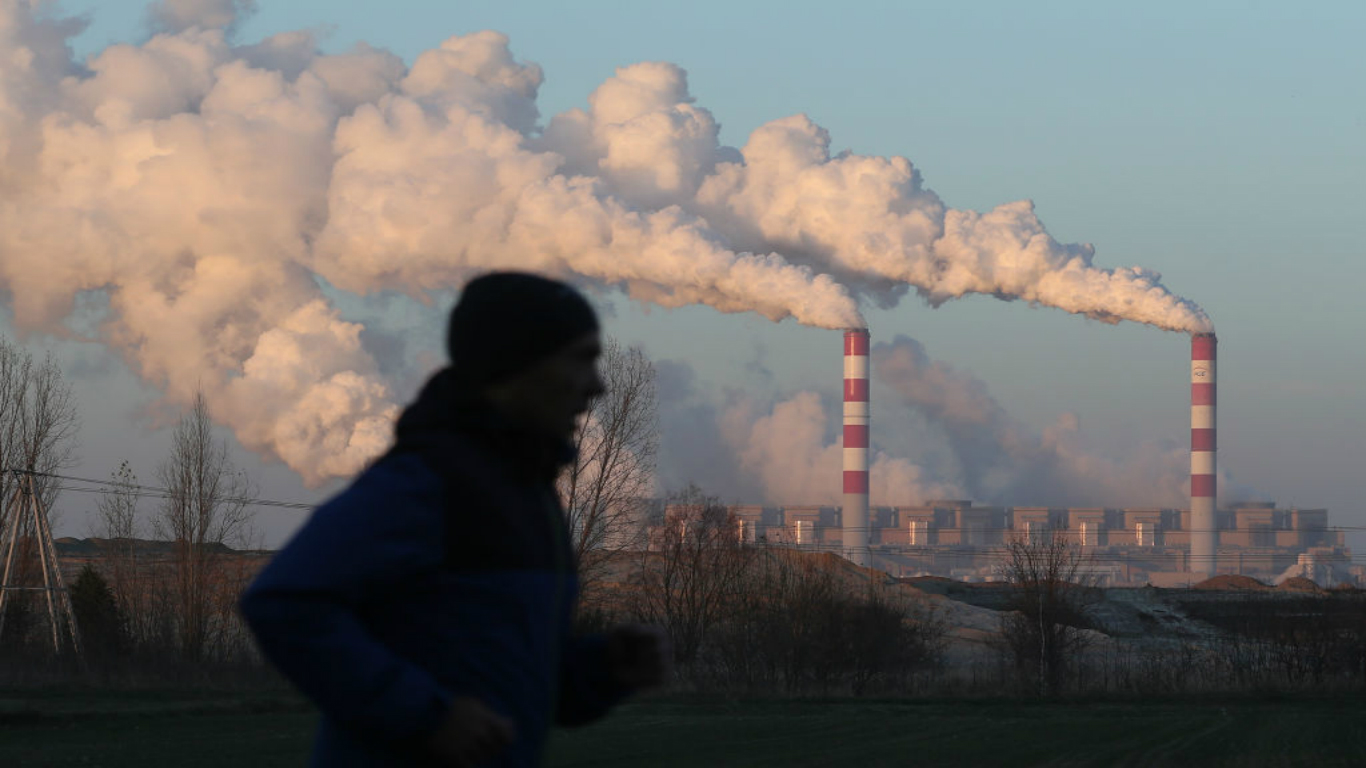
A research paper published in PLOS Biology looked at people in the United States and Denmark. It linked both depression and bipolar disorder to poor air quality. This was particularly true for people of certain ages.
A Medical News Today article about disease and pollution indicated, “According to the authors, the findings showed that air pollution did have links to various psychiatric disorders. Using Denmark’s more specific records, the researchers were able to pinpoint that the developing brain during a person’s first 10 years of life might be a bit more prone to the effects of air pollution.”
The research team examined health insurance databases in the United States from 151 million Americans between 2003 and 2013. The data from Denmark covered people born between 1979 and 2002 who were still living in the country on their 10th birthdays. Pollution measures in the United States came from the U.S. Environmental Protection Agency. In Denmark, they looked at the national pollution register. Summarizing the findings, Andrey Rzhetsky of the University of Chicago, who led the study, said: “We hypothesized that pollutants might affect our brains through neuroinflammatory pathways that have also been shown to cause depression-like signs in animal studies.”
[nativounit]
Other scientists have aggressively challenged the theory. Professor John Ioannidis of Stanford looked at the same set of data and drew different conclusions. His takeaway: “Despite analyses involving large datasets, the available evidence has substantial shortcomings and a long series of potential biases may invalidate the observed associations. More analyses by multiple investigators, including contrarians, are necessary.” While Ioannidis does not entirely reject the thesis, he certainly questions the validity of the conclusions.
With millions of Americans suffering from depression, which affects both the quality of life and has been listed as a potential drag on the economy, the medical community will continue to spend huge amounts of money and time looking for more solutions and treatments. Mental illness in on the list of the most serious public health issues Americans face today. It remains open to debate whether air quality has an impact on any of them.
[recirclink id=571055]
[wallst_email_signup]














 Top Gaining Stocks
 Top Losing Stocks