



The company’s adjusted earnings excluded about $300,000 in after-tax benefits in after-tax intangible amortization expense and special items. On a GAAP basis, it reported EPS of $1.53.
Johnson & Johnson chopped its earnings guidance for the full year from a prior range of $6.12 to $6.27 per share to a new range of $6.04 to $6.19. The consensus estimate calls for EPS of $6.16 on revenues of $71.16 billion.
Revenues suffered from the strong dollar in the first quarter. The negative impact totaled 7.2% on a decline in international sales of 12.4%, which the company attributed to a currency impact of 13.2% partially offset by operational growth of 0.8%. Domestic sales improved 5.9% year-over-year.
The firm’s CEO said:
The company delivered strong underlying growth in the first quarter driven by new products and the strength of the core business. Of note is the continued robust growth of the Pharmaceutical business and the solid performance of our Consumer brands
ALSO READ: 4 Big Pharmaceutical Stocks to Buy for the Rest of 2015
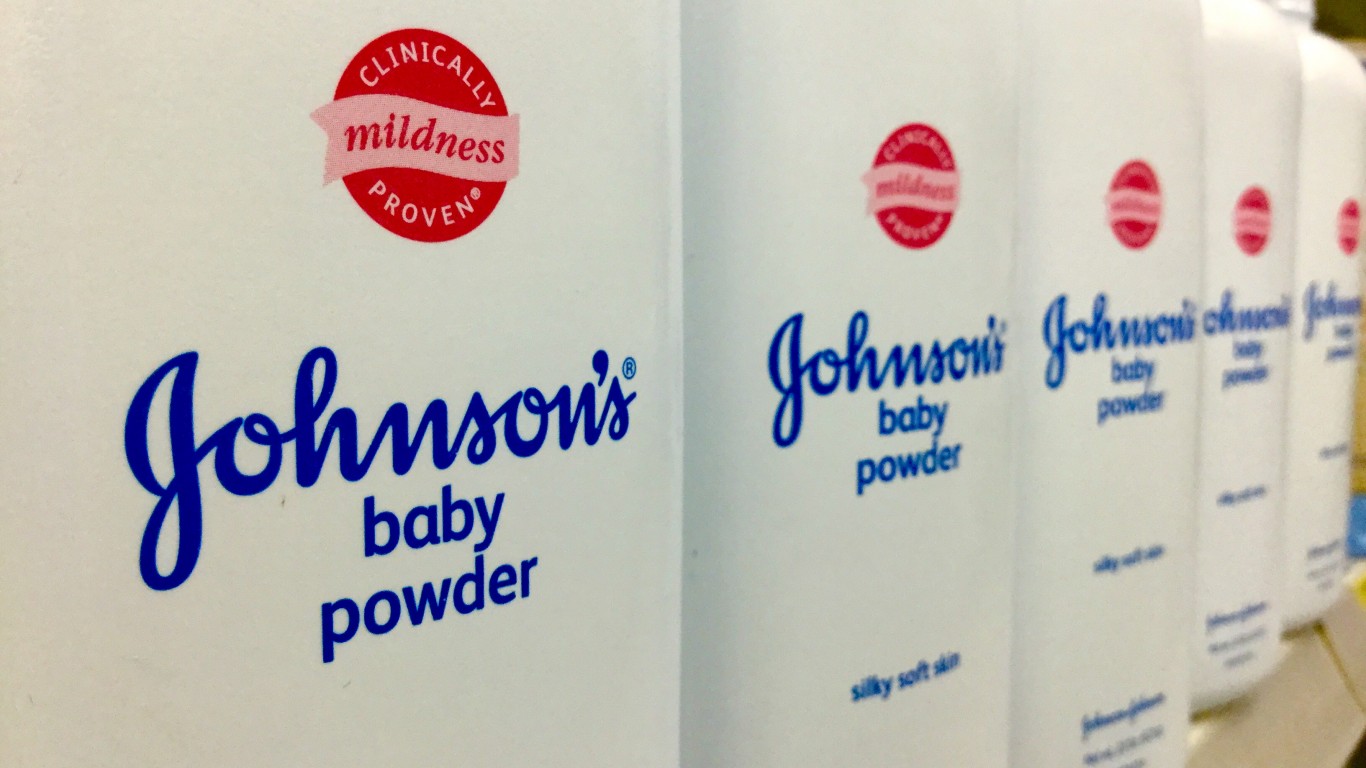
Worldwide consumer sales declined by 4.7% year-over-year to $3.4 billion, including a negative currency impact of 8.1% and a positive operational impact of 3.4%. Pharmaceutical sales rose 3% to $7.7 billion. Medical devices and diagnostics sales fell 11.4% to $6.3 billion as a result of an operational decrease of 4.6% and a negative currency impact of 6.8%.
Drug sales continue to carry the company, but it faces increased competition from lower priced biosimilar drugs, including challengers to its best-selling Remicade anti-inflammatory.
Shares traded about 0.6% higher in the premarket Tuesday, at $101.17 in a 52-week range of $95.10 to $109.49. Thomson Reuters had a consensus analyst price target of about $109.60 before the results were announced.








 Top Gaining Stocks
 Top Losing Stocks