


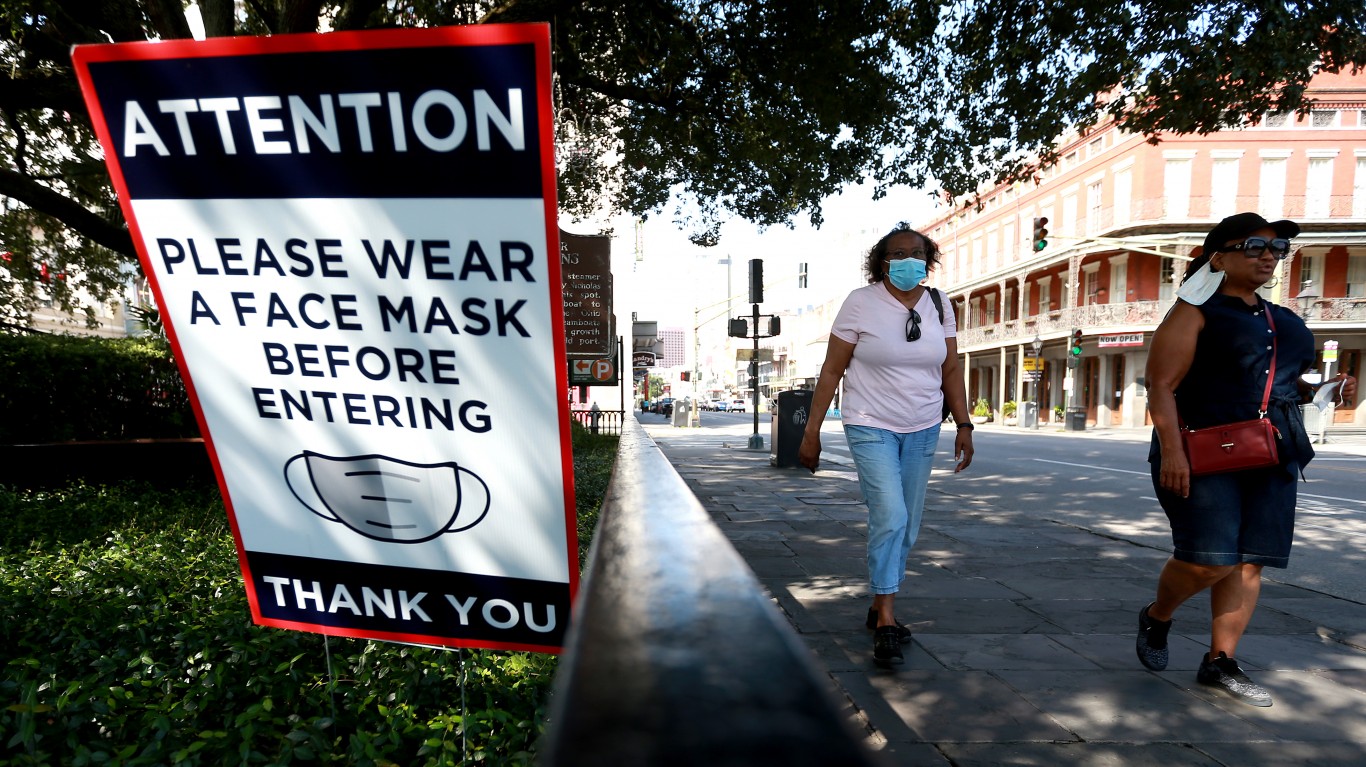
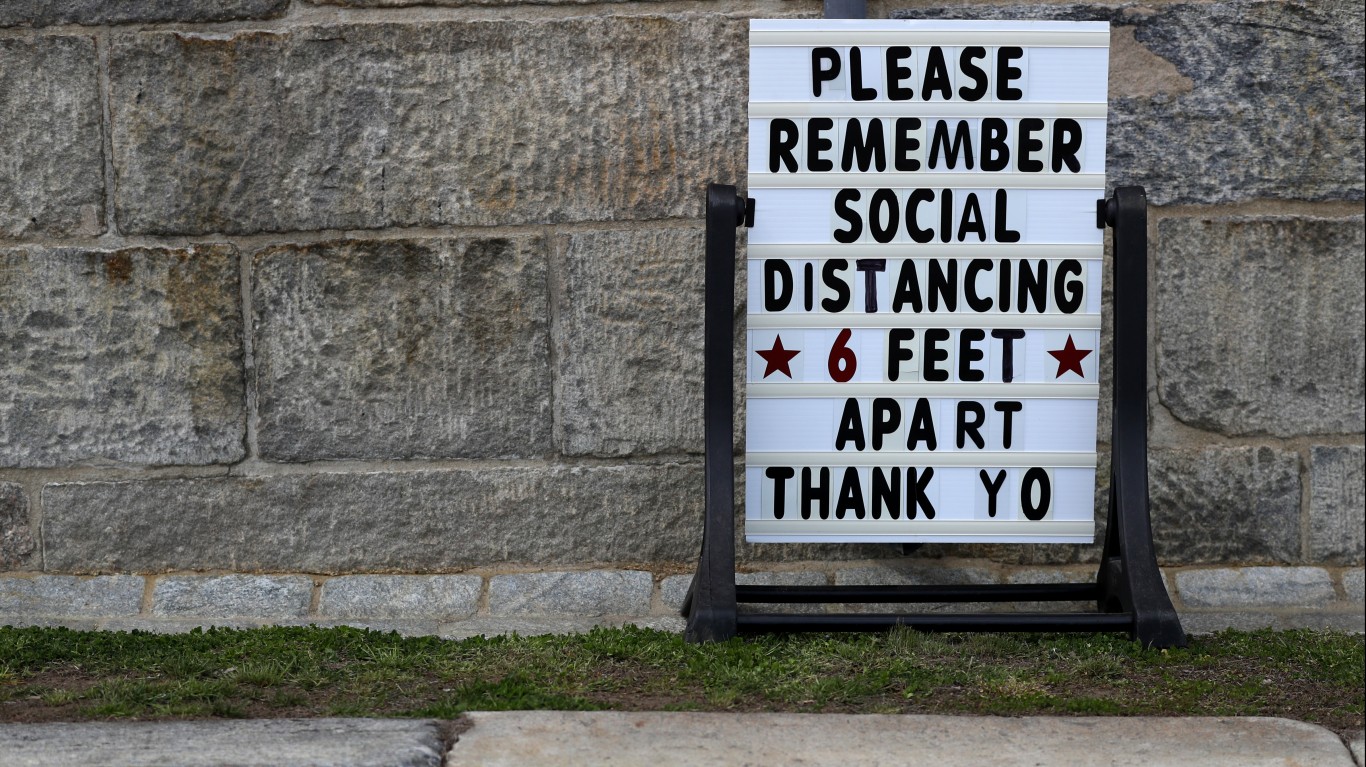
If scientists say anything about arresting the spread of COVID-19, it is to maintain social distance and to wear masks. New research shows that about one-twelfth of companies have no plans to ask employees to wear or provide masks, or they are silent on the subject. Still others have no plans for social distancing.
A study from employee research firm Challenger, Gray & Christmas looked at company policies or expected policies as Americans return to their offices. The survey reviewed what 150 human resource executives planned, both now when an earlier study was done back in April.
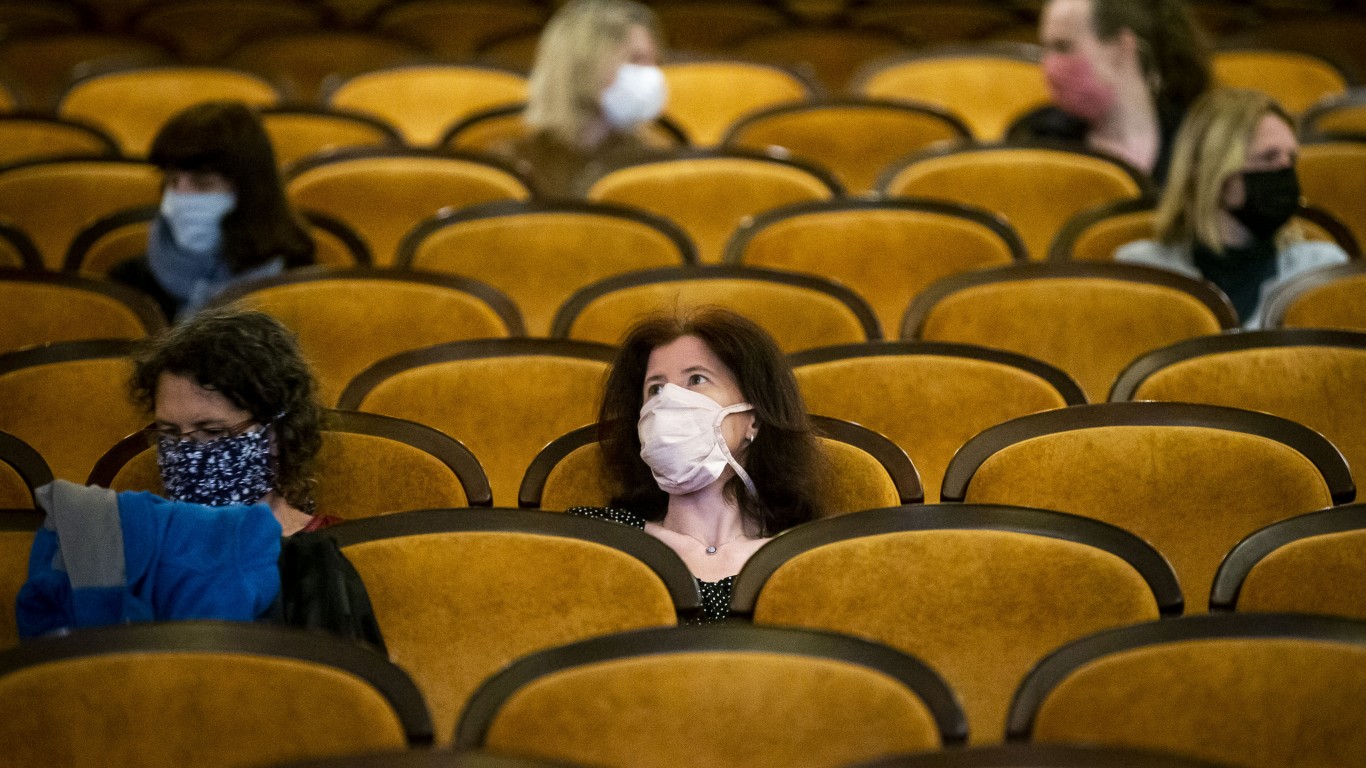
By far, the largest number of companies say they will require people to wear masks: 92.86%. That is up from 53.71% in the April survey. Of course, the disease has killed tens of thousands of people since then, and the research on masks and social distancing has become more convincing.
Companies plan other measures for worker safety, but these are by no means universal. A full 96.43% will limit the number of people who can be in an office area at the same time.
[nativounit]
Companies will be laxer on other protective measures. Only 89.29% of companies will have regular deep cleaning of workspaces. A total of 82.14% will limit or not allow visitors.
Each of these figures begs the question of why some firms won’t use protective measures or won’t disclose their plans.
The answers to that beg another two questions. The first is whether some companies are simply silent on masks. The second is whether any companies have specific rules that masks are not needed. It would stand to reason companies with protective plans would want to disclose them.
The Challenger, Gray research does not provide an answer about what would appear to be careless behavior. What other companies with public spaces have done about masks so far may be the best clue.
The media is awash with stories about people who gather in close quarters at bars and restaurants. People have crowded together at beaches. Some churches have allowed congregants to go without masks. To make the church matter worse, singing is identified as dangerous behavior.
The major caution from public officials is that people who break the rules spread the disease. That leads to sharp increases in confirmed cases and in COVID-19 deaths. However, this has not driven universal mask-wearing. Add to the list those companies that are bringing back employees apparently without protective measures.
[recirclink id=725750]
[wallst_email_signup]










 Top Gaining Stocks
 Top Losing Stocks