



The spread of COVID-19 has slowed considerably in the last six weeks. Still, there have been 517,204 fatal cases in the U.S. This is about 20% of the world’s total. Fortunately, fatal cases have risen by 2,000 a day compared with double that in mid-January. Confirmed cases stand at 28,833,039, about 25% of the world’s total. The daily increase has moved from over 200,000 six weeks ago to under 100,000 recently.
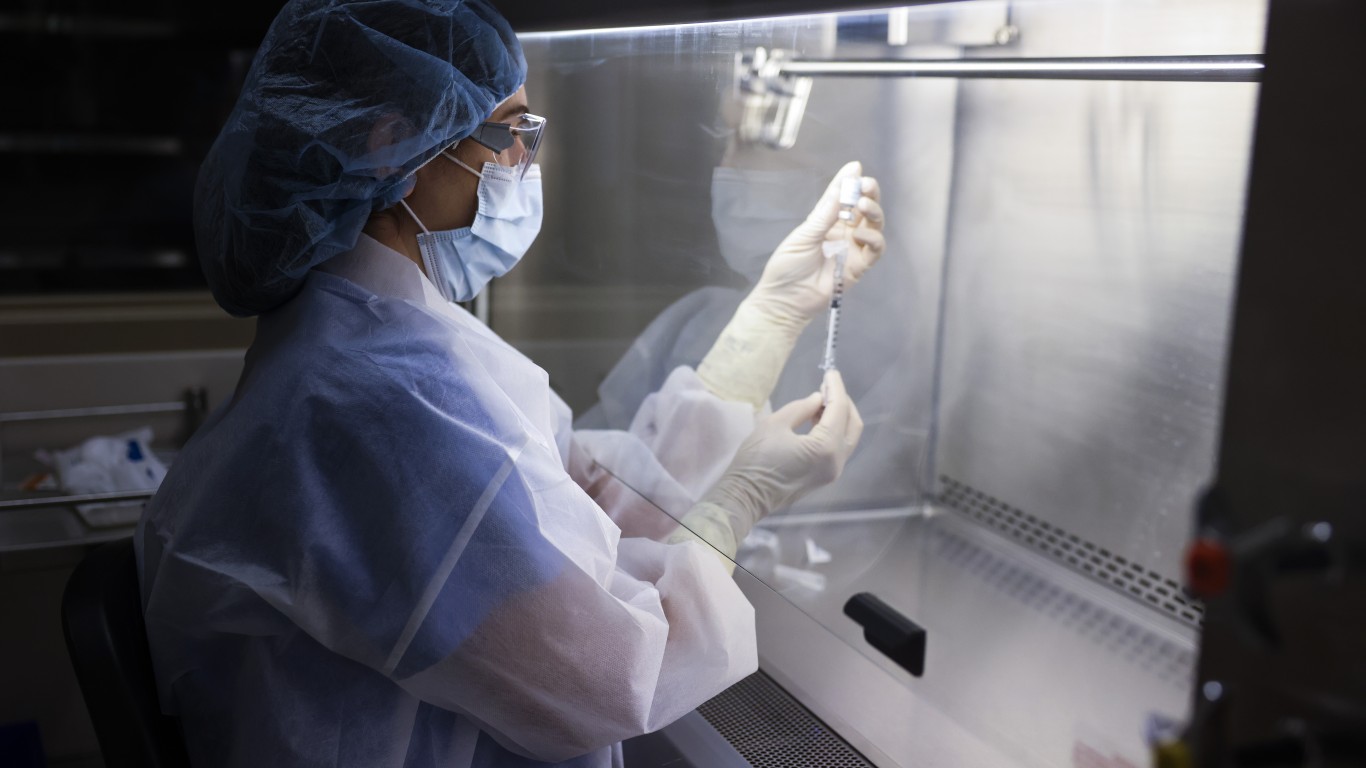
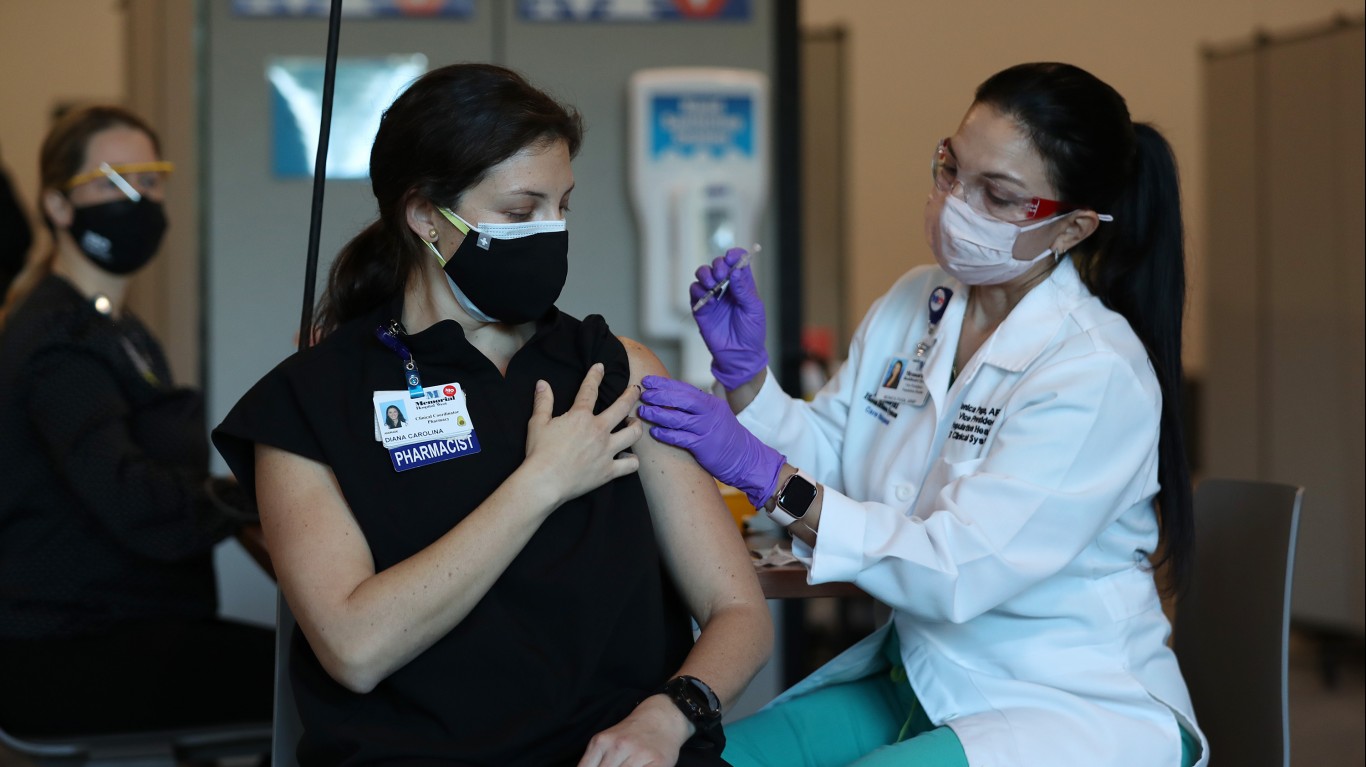
The race to curtail the spread of COVID-19 even more, in the hope that Americans can get back to “normal” in late summer, depends primarily on three things. The first of these is vaccinations. However, the rate has been slow, particularly compared to the pace the Trump Administration forecast in December. The Biden Administration said it has procured 200 million vaccines that will be available by July. And, the Pfizer and Moderna vaccines are about to be joined by one from Johnson & Johnson, which, in theory, should speed the vaccination process.
Only 15% of the adult population in the U.S. has gotten at least one dose of vaccine. A much smaller percentage–7.1% of adults–have gotten two shots. On a raw county basis, 96,402,290 doses have been delivered and 72,806,180 shots have been given within the U.S. and among its territories. The figures have lagged behind other developed nations, particularly the U.K. and Isreal. However, the U.S. sits ahead of most EU nations as measured by the percent of adults who have received vaccines.
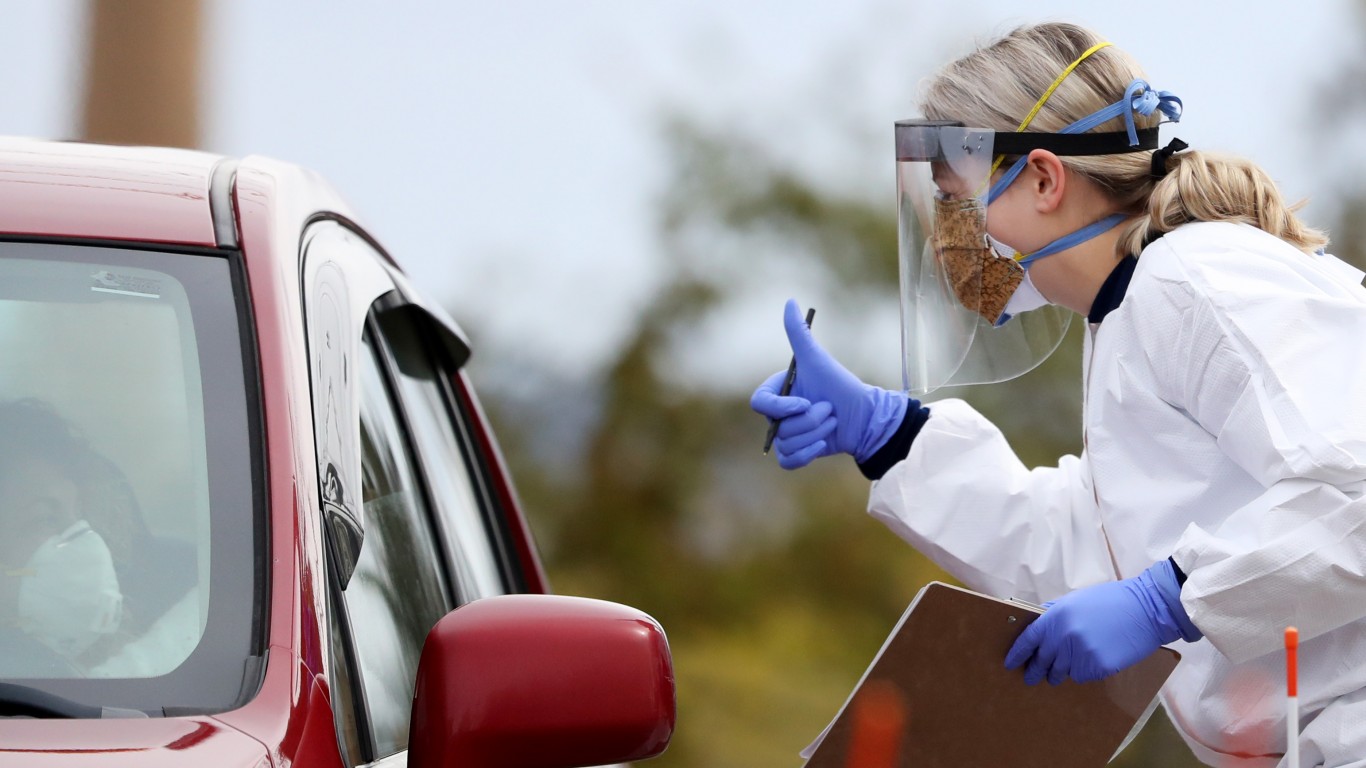
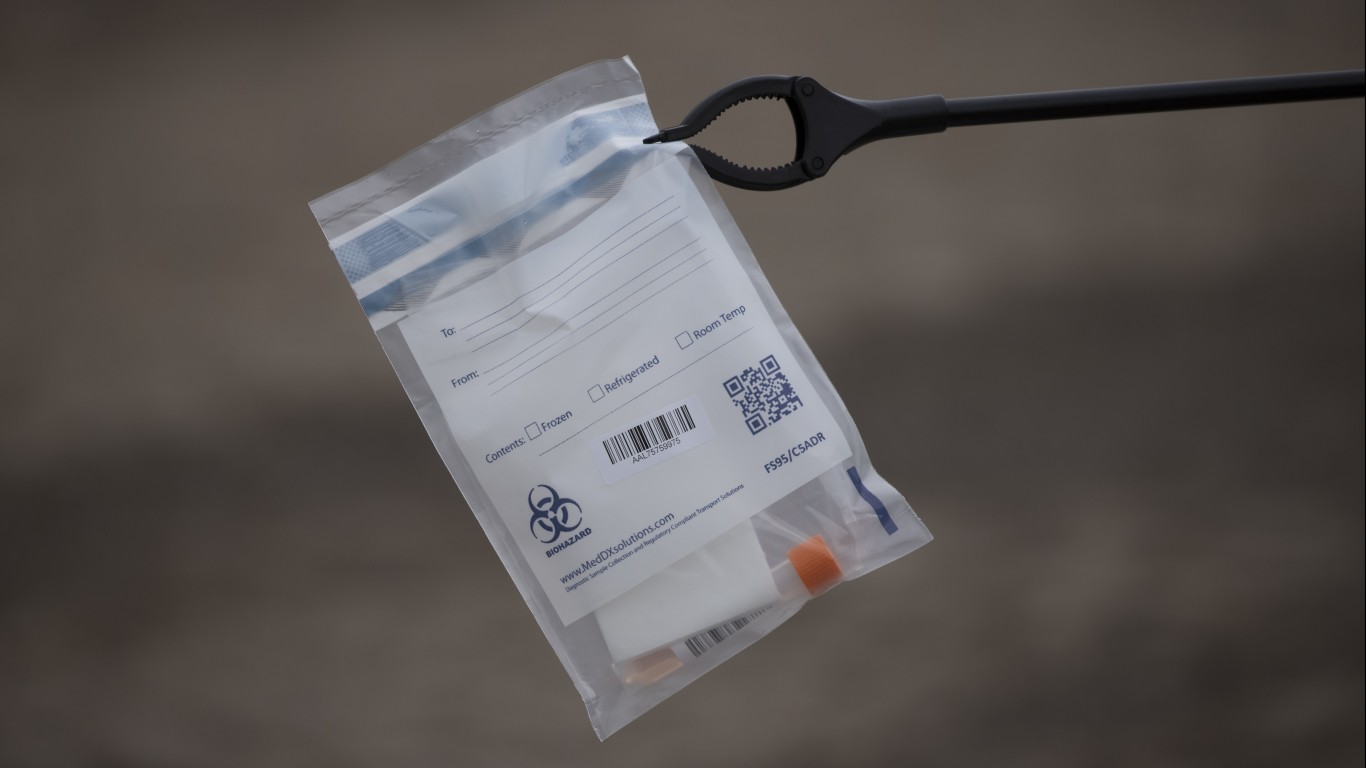
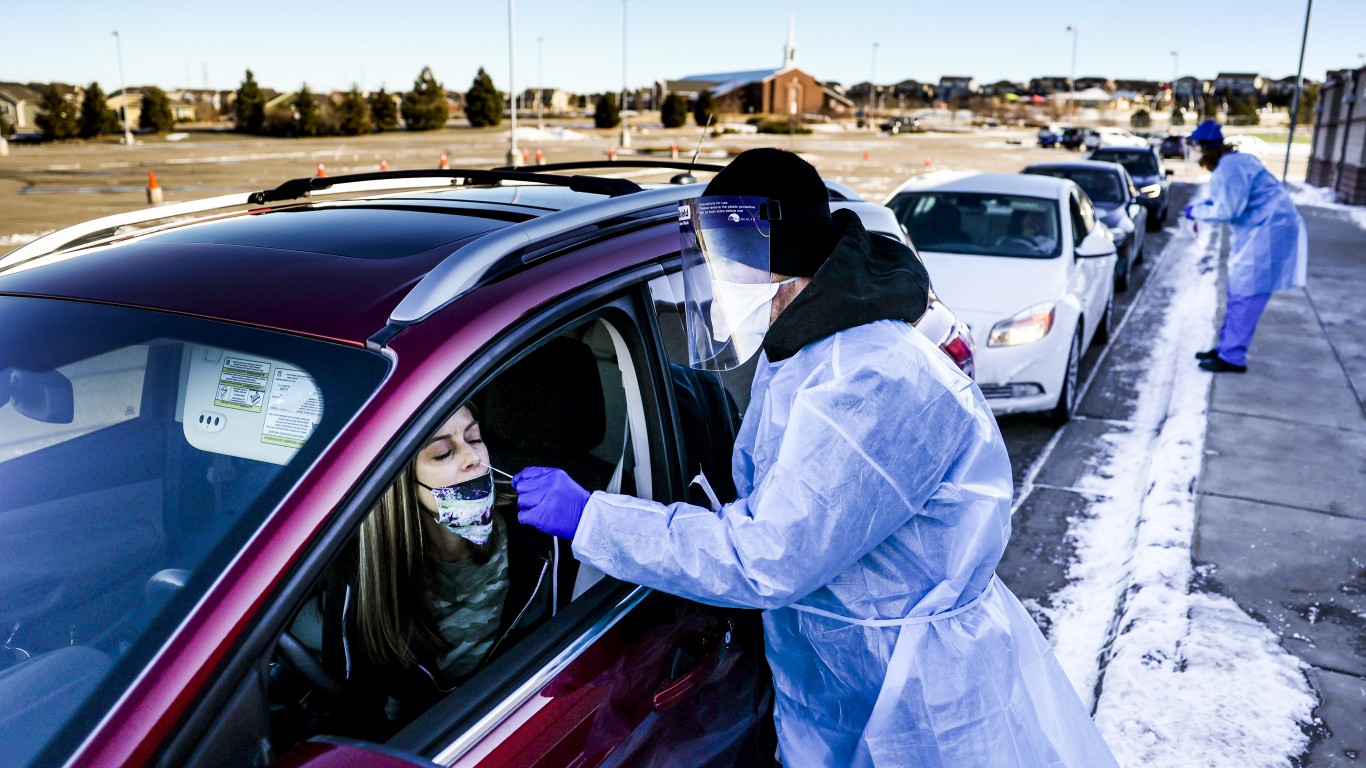
Testing and tracing are another weapon. The U.S. has not done a particularly good job at this either. Some epidemiologists put the actual number of U.S. infections at double the official level. Poor testing levels and protocols are to blame if the is true.
[nativounit]
The most worrying recent development is variants. Some of these spread more quickly than the version of COVID-19 that has been in the U.S. for over a year. And, some may be more deadly. The primary variants tracked by the CDC appear to have originated in the U.K., South Africa, and Brazil. There may be others. One was recently discovered in California.
The variants about which the CDC reports to the public on its “US COVID-19 Cases Caused by Variants” page are B.1.1.7 of which there are 2,102 reported cases in 45 states, the B.1.351 variant of which there are 49 reported cases in 15 states, and the P.1 of which there are 6 reported cases in five states.
The reported cases are clustered in a small number of states, and four of them have half the variant cases. Florida has by far the most at 501. This is followed by Michigan at 336, California at 204, and New York State at 137.
The danger of at least one of the variants is that it may spread fast enough that it will become the dominant version in the U.S. by the end of March. According to a US News report on February 15:
The B.1.1.7 variant, which is thought to have originated in Britain, is already firmly entrenched in America and could soon become the dominant strain, according to Dr. Rochelle Walensky, director of the U.S. Centers for Disease Control and Prevention.
Speaking Sunday on CBS’ “Face the Nation,” she said “we know now that, or we estimate now that about 4% of disease in this country is related to B.1.1.7,” she said. “And we have projections that it may be the dominant strain by the end of March.”
This puts an even heavier burden on vaccination. These are the states doing the best job rolling out vaccines.
[wallst_email_signup]








 Top Gaining Stocks
 Top Losing Stocks