


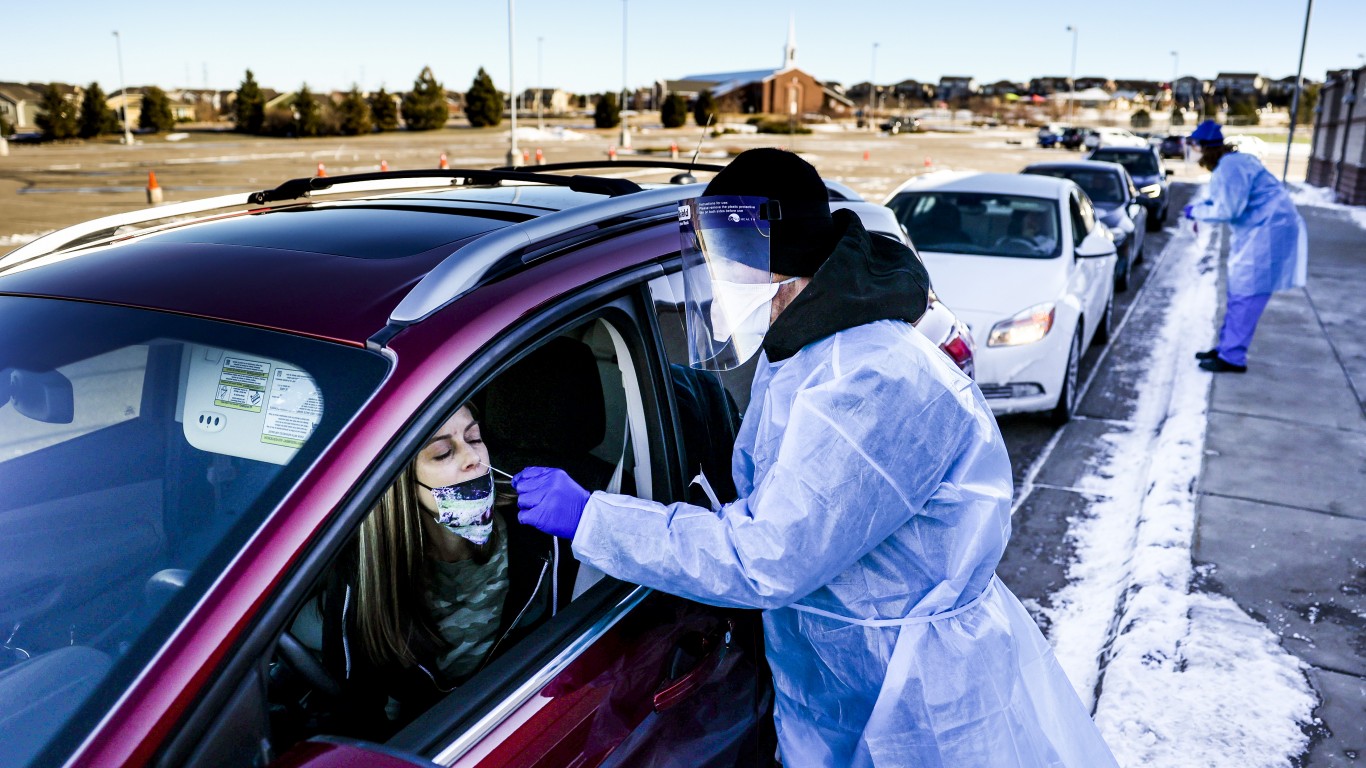
It has been 15 months since the first case of COVID-19 was diagnosed in Washington State. The U.S. count of confirmed cases has just risen above 30 million. It increased by 117,822 to 30,731,414 in the past day. Deaths have reached 558,213, after rising by 1,726 in the past day. Unfortunately, these daily numbers, which had dropped over the past three months, have started to rise at an alarming rate again.
Public health officials and epidemiologists worry America is about to hit the fourth wave in the spread of the disease. The vaccination rate in the United States is among the defenses against this. Some states are performing much better than others.
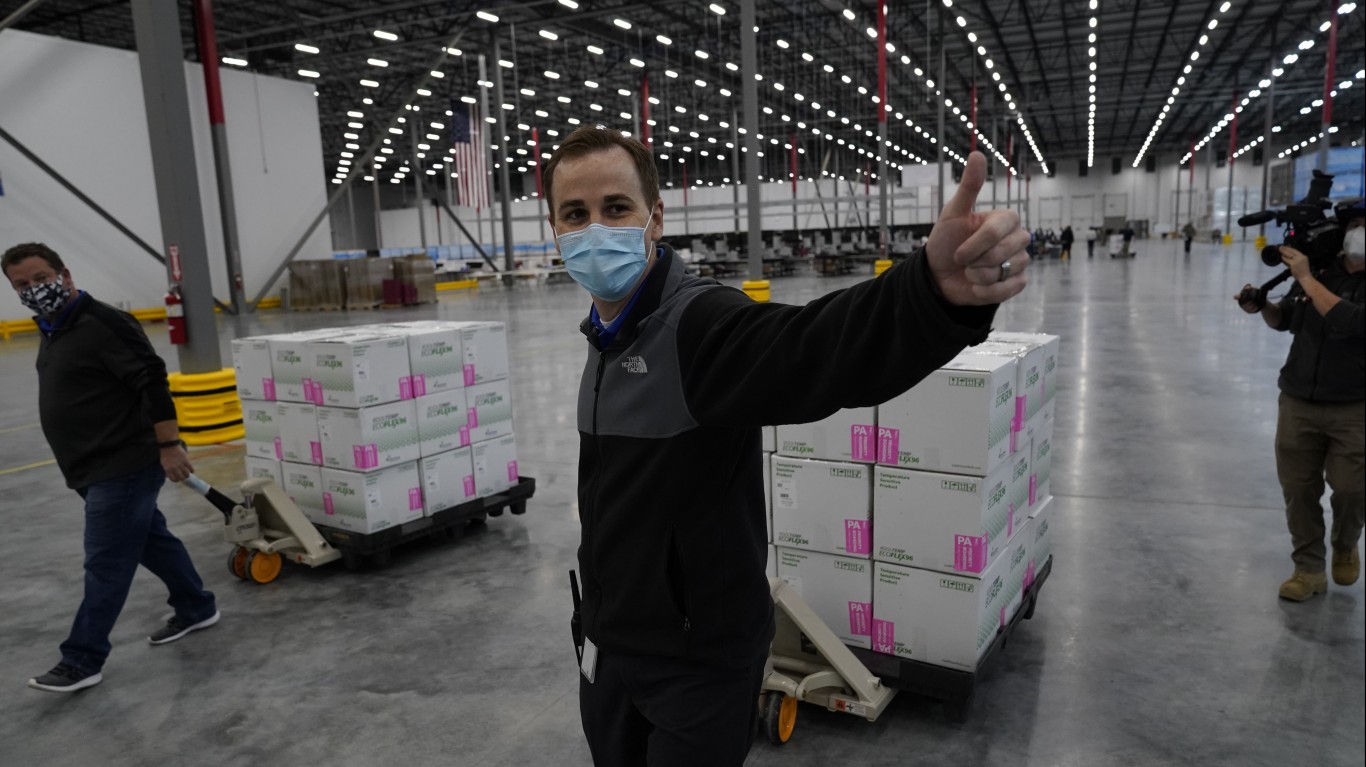
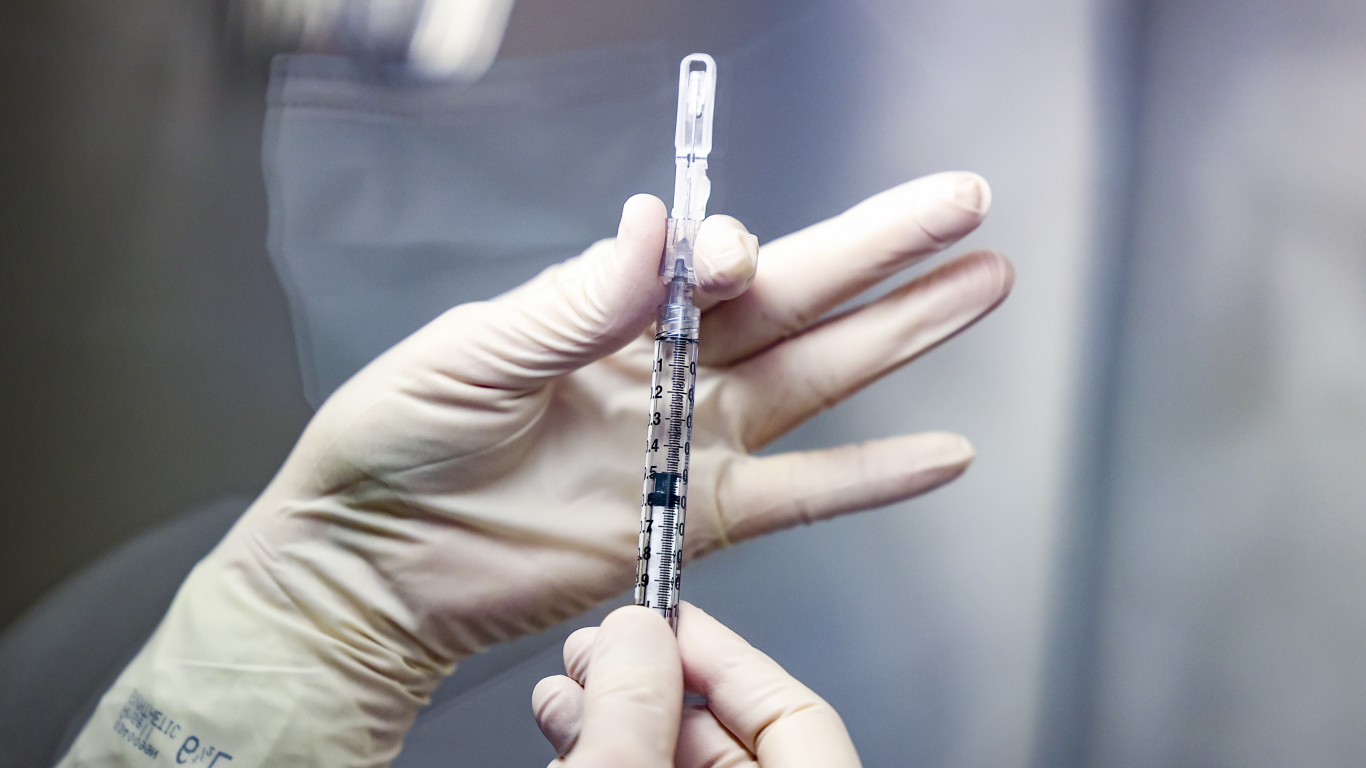
Vaccination rates have risen quickly in the past three weeks. The Biden administration says it has enough vaccine for all Americans to be given shots by summer, and it is running ahead of that timetable. At this point, 30% of Americans have received at least one dose and 17% have been fully vaccinated. Nationwide, 200,496,635 doses have been delivered and 153,631,404 shots have been given.
There are two challenges to further slowing the spread of the disease. The first is disease variants, some of which may spread faster than the version that infected most people from last January until recently. The Centers for Disease Control and Prevention (CDC) tracks three of these for the public: the B.1.1.7, the B.1.351 and the P.1 variants. These variants have been found in all 50 states, and epidemiologists believe that there are many more variants than these three. Public health offices believe that as many as 30% of new cases in the United States are from the B.1.1.7 variant.
[nativounit]
The other challenge is the opening up of parts of the United States. Texas, the second-largest state by population, is a case in point. The governor has dropped the state’s mask mandate, allowed a renewal of social gatherings and opened businesses. Public health officials worry this may cause a fourth wave of the disease.
In fact, daily confirmed case rates and daily fatal cases have started to rise again in some states and counties. Recently, officials in Miami shut down college student parties which were covered by almost every news outlet in the country. People on Spring Break were running superspreader events.
Because of reopening, and because most Americans have still not been vaccinated, the number of cases in many states has started to rise again. The state that has struggled the most in fully vaccinating its population is Georgia. Fully vaccinated means two shots in the case of the Moderna or Pfizer vaccines and one shot in the case of the Johnson & Johnson vaccine.
Georgia’s fully vaccinated figure is only 14%, which is the worst in the nation. The percentage of people who have received at least one dose is 24%, among the worst states based on that measure. In Georgia, 6,101,935 doses have been delivered and 3,950,645 shots have been administered, which is also a pace below the national average.
Why has Georgia been slow? A local TV station reports: “One element adding to the confusion is the decision by state officials to build two separate reservation systems. One is for county-run vaccination sites, and a second is for sites run by the state emergency management agency.” Georgia has dropped so far behind the national figures that it will be nearly impossible for it to catch up.
Click here to read COVID-19: This Is America’s Worst Hotspot
[wallst_email_signup]






 Top Gaining Stocks
 Top Losing Stocks