


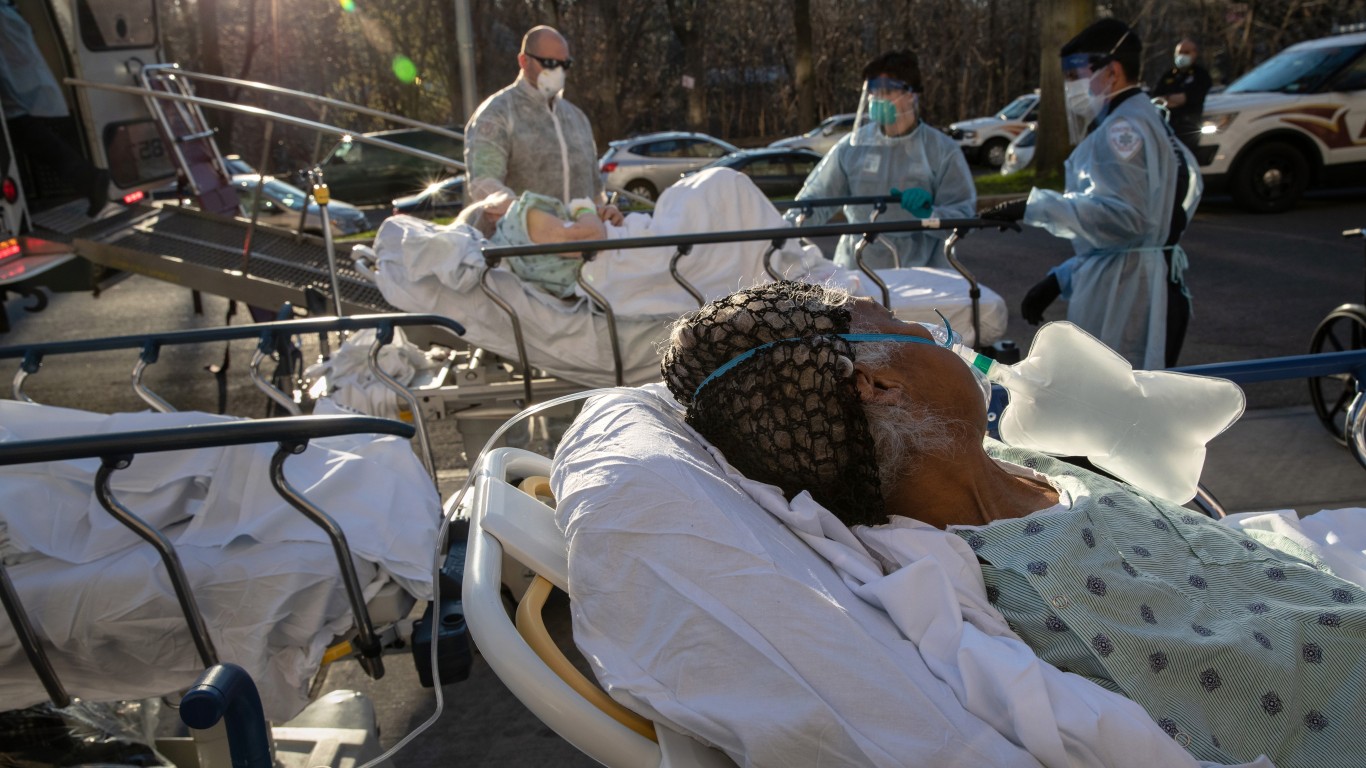
The rate of the spread of COVID-19 had slowed across America. Despite a new surge, increases in daily fatal and confirmed cases are still about half what they were three months ago. Nevertheless, 572,627 Americans had died as of Saturday, which is about 20% of the world’s total. The global death total just moved above a staggering 3 million. Confirmed cases have reached 31,867,374 in the United States, or about 23% of the global number. Hospitalizations, which were over 100,000 a day during the peak wave, have dropped into the thousands.
[in-text-ad]
The Centers for Disease Control and Prevention (CDC) and several media sources show that the numbers of cases have started to rise again in well over half the states in America, currently led by a rapid spread in Michigan. That state recently asked the federal government for additional vaccine doses because of the rising spread of COVID-19 there. The request was denied, but the head of the CDC suggested the state be shut down to resolve the problem.
Much of the country has “opened up,” which has caused worries about a fourth wave of the disease. Just a few weeks ago, the nation’s newspapers were filled with reports of large college parties in Florida with hundreds of people in close proximity without masks. More people flew over the Easter weekend than any other weekend since the start of the pandemic. This kind of activity has led to public health officials predicting that fourth wave.
[nativounit]
Variants of the disease are among the dangers epidemiologist and public health officials worry about. At least one, first identified in the United Kingdom, now accounts for most new U.S. cases. This variant also could be more deadly. The CDC currently tracks three variants for the public on its website. It has 20,915 cases of the B.1.1.7 variant reported across all 50 states, as of April 12. There were 453 cases reported of the B.1.351 variant across 36 states and 497 reported cases of the P.1 variant across 31 states. Several other variants have emerged that the CDC does not report on to the public.
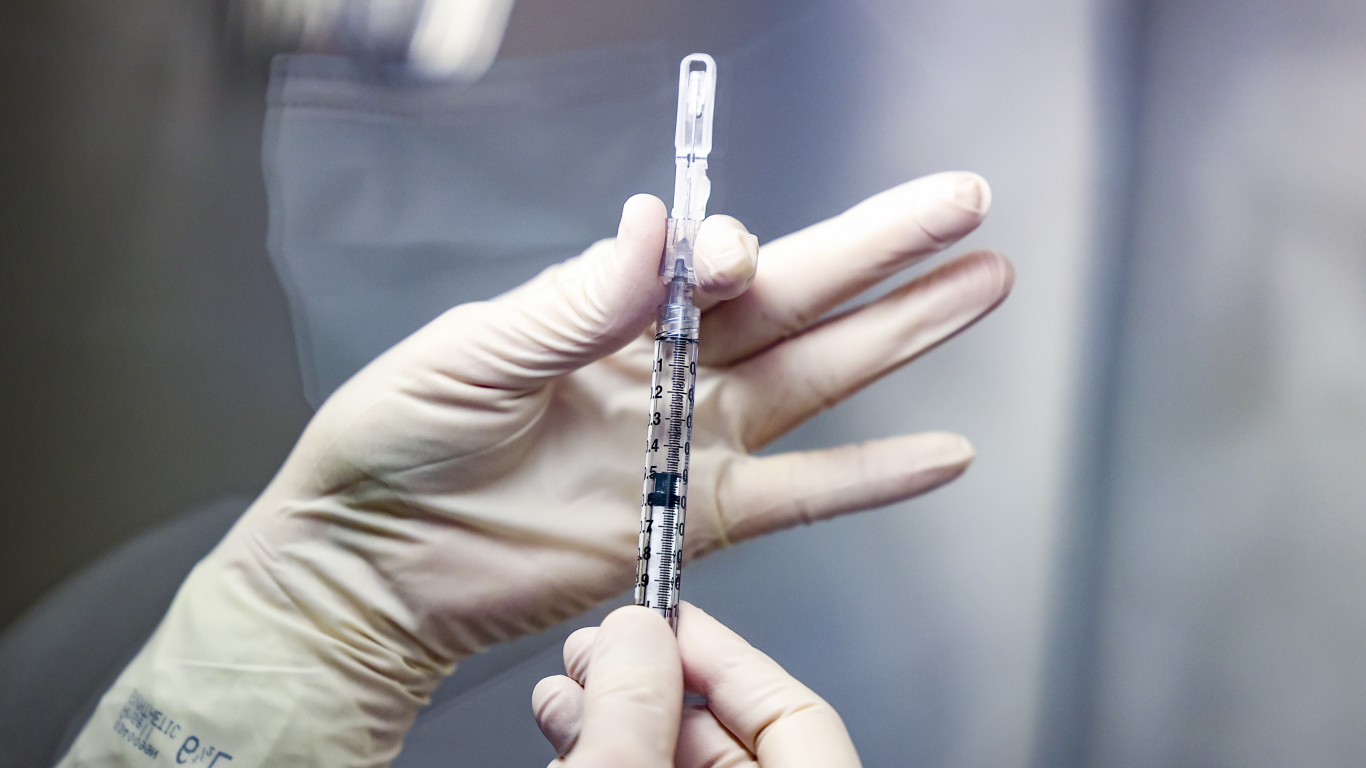
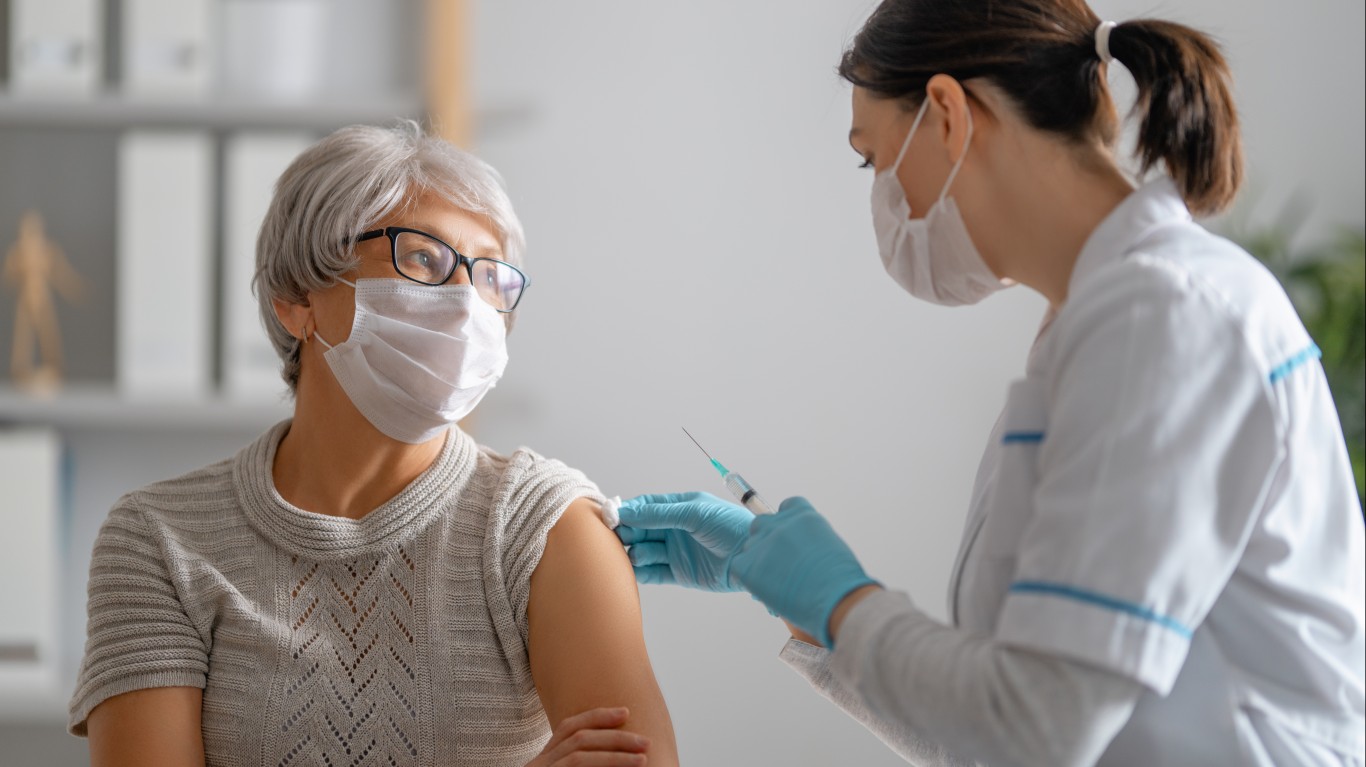
The pace of the spread of the disease remains in part a race between vaccinations and the rising number of potentially dangerous variants. So far, 40% of the adult population has received at least one dose of vaccine and 25% are fully vaccinated. While the Pfizer and Moderna vaccines require two shots, the one from Johnson & Johnson requires just a single dose. According to The New York Times, 264,505,725 doses have been delivered in the United States and 209,406,814 of them (79%) have been administered.
The CDC continues to issue bulletins about the best safety measures and about behavior that is dangerous. Masking wearing and social distancing remain at the top of the list of safe measures, although there has been some modification for people who have been vaccinated. At the other end of the spectrum, people who are not vaccinated should quarantine and be tested to protect others.
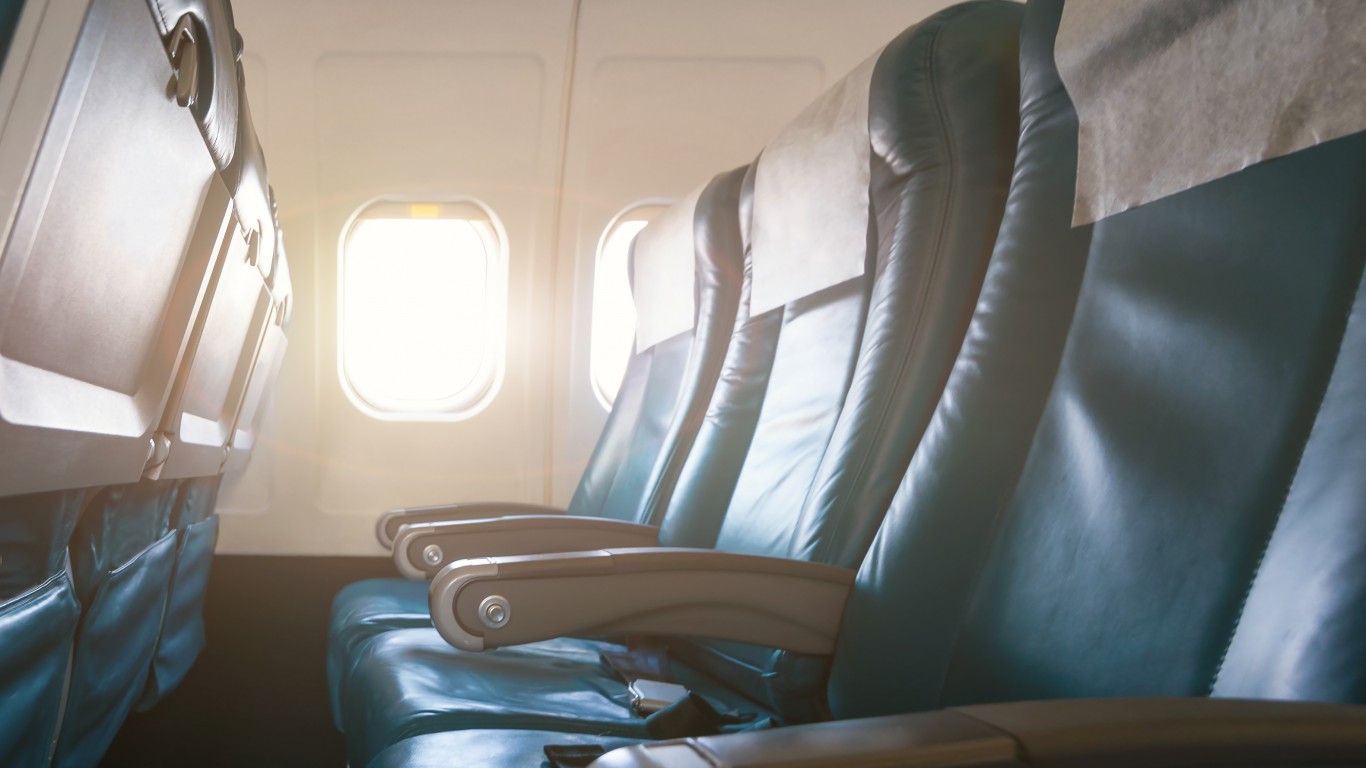
One of the debated rules is what people should do on airplanes. The New York Times recently ran an article, with graphs, titled “How Safe Are You From Covid When You Fly?” Among the primary challenges airlines have is the way air is circulated on planes. That air is recirculated but also mixed with air from the outside. However, as the article points out, “That doesn’t mean flights are completely safe.”
In a recent study, the CDC looked at the problem. In is Morbidity and Mortality Weekly Report on April 14, researchers reported:
Based on laboratory modeling of exposure to SARS-CoV-2 on single-aisle and twin-aisle aircraft, exposures in scenarios in which the middle seat was vacant were reduced by 23% to 57%, compared with full aircraft occupancy, depending upon the model.
The report said that open middle seats could cut exposure. However, the extent to which lower exposure affects transmission was unclear.
What does this mean? For people who are extremely cautious, there is every reason to wonder whether it is safe for airlines to fill middle seats with passengers.
Click here to read about the county in each state with the most COVID-19 deaths.
[wallst_email_signup]








 Top Gaining Stocks
 Top Losing Stocks