Detroit Has Many Homes Worth Less Than $10,000

Photo of Douglas A. McIntyre
By Douglas A. McIntyre Updated Published
This post may contain links from our sponsors and affiliates, and Flywheel Publishing may receive compensation for actions taken through them.

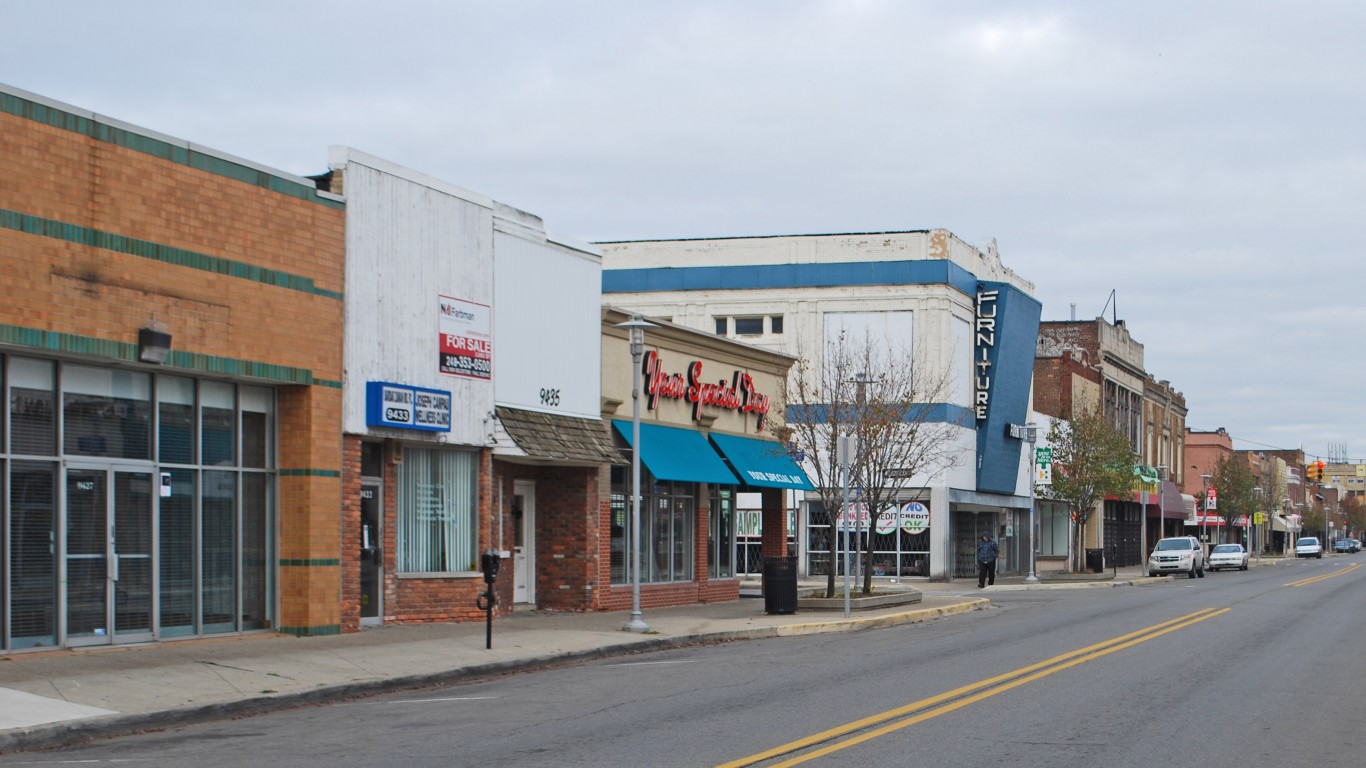
The $10,000 home — rare? Not in Detroit, the largest American city to enter bankruptcy — in its case Chapter 9. Realtor.com lists 515 homes for sale at between $5,000 and $10,000.

Most of these low-priced homes are small, as measured in square footage. Many are fewer than 2,000 square feet in size and have two bedrooms or less. Many also sit on lots that are less than 4,000 square feet — barely large enough for a real yard.

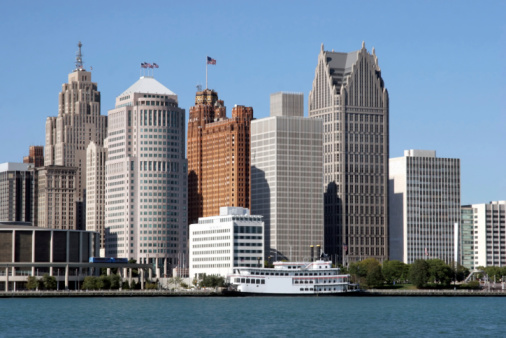
A great many of the cheap homes are clustered well outside the center of downtown, which sits on the Detroit River. There have been some partially successful efforts to rebuild this city center. And the sections of the city between General Motors Co.’s (NYSE: GM) headquarters in the 73 story Renaissance Center and Comerica Park where the Detroit Tigers play, and Ford Field, which is the home of the Detroit Lions, have been improved — or at least have not fallen apart further in the past 10 years.

The Detroit neighborhoods with cheap home prices are mostly northwest of downtown toward Eight Mile Road, which is the northern edge of the city. A great many of these homes were built before World War II, probably for people streaming into the city to get automotive assembly plant jobs. Many of the neighborhoods where these houses are located have been almost entirely deserted.

Detroit is a huge city geographically. It covers 139 square miles. The population in the city has dropped from 1.5 million in 1950, to less than 750,000 today. The decline in the number of residents accounts for most of the vacancies.

One theory about how Detroit’s vacant sections can be “rehabilitated” is through programs that would bulldoze most of these neighborhoods into the ground — flat tracks of nothing other than dirt or fields. The problem with the idea is that some of the sub-$10,000 homes are near enough to these areas (or located in them), that these few remaining residents would lose city services. In essence, Detroit would entirely abandon some of its population.

The greatest problem for Detroit’s low-end real estate market is that no one wants to move into the neighborhoods with sub-$10,000 homes. A bargain is only a bargain if someone takes it.


Photo of Douglas A. McIntyre
About the Author Douglas A. McIntyre →

Douglas A. McIntyre is the co-founder, chief executive officer and editor in chief of 24/7 Wall St. and 24/7 Tempo. He has held these jobs since 2006.

McIntyre has written thousands of articles for 24/7 Wall St. He is an expert on corporate finance, the automotive industry, media companies and international finance. He has edited articles on national demographics, sports, personal income and travel.

His work has been quoted or mentioned in The New York Times, The Wall Street Journal, Los Angeles Times, The Washington Post, NBC News, Time, The New Yorker, HuffPost USA Today, Business Insider, Yahoo, AOL, MarketWatch, The Atlantic, Bloomberg, New York Post, Chicago Tribune, Forbes, The Guardian and many other major publications. McIntyre has been a guest on CNBC, the BBC and television and radio stations across the country.

A magna cum laude graduate of Harvard College, McIntyre also was president of The Harvard Advocate. Founded in 1866, the Advocate is the oldest college publication in the United States.

TheStreet.com, Comps.com and Edgar Online are some of the public companies for which McIntyre served on the board of directors. He was a Vicinity Corporation board member when the company was sold to Microsoft in 2002. He served on the audit committees of some of these companies.

McIntyre has been the CEO of FutureSource, a provider of trading terminals and news to commodities and futures traders. He was president of Switchboard, the online phone directory company. He served as chairman and CEO of On2 Technologies, the video compression company that provided video compression software for Adobe’s Flash. Google bought On2 in 2009.

Featured Reads

Our top personal finance-related articles today. Your wallet will thank you later.

Continue Reading

Top Gaining Stocks

CBOE Vol: 1,568,143
PSKY Vol: 12,285,993
STX Vol: 7,378,346
ORCL Vol: 26,317,675
DDOG Vol: 6,247,779

Top Losing Stocks

LKQ
LKQ Vol: 4,367,433
CLX Vol: 13,260,523
SYK Vol: 4,519,455
MHK Vol: 1,859,865
AMGN Vol: 3,818,618