


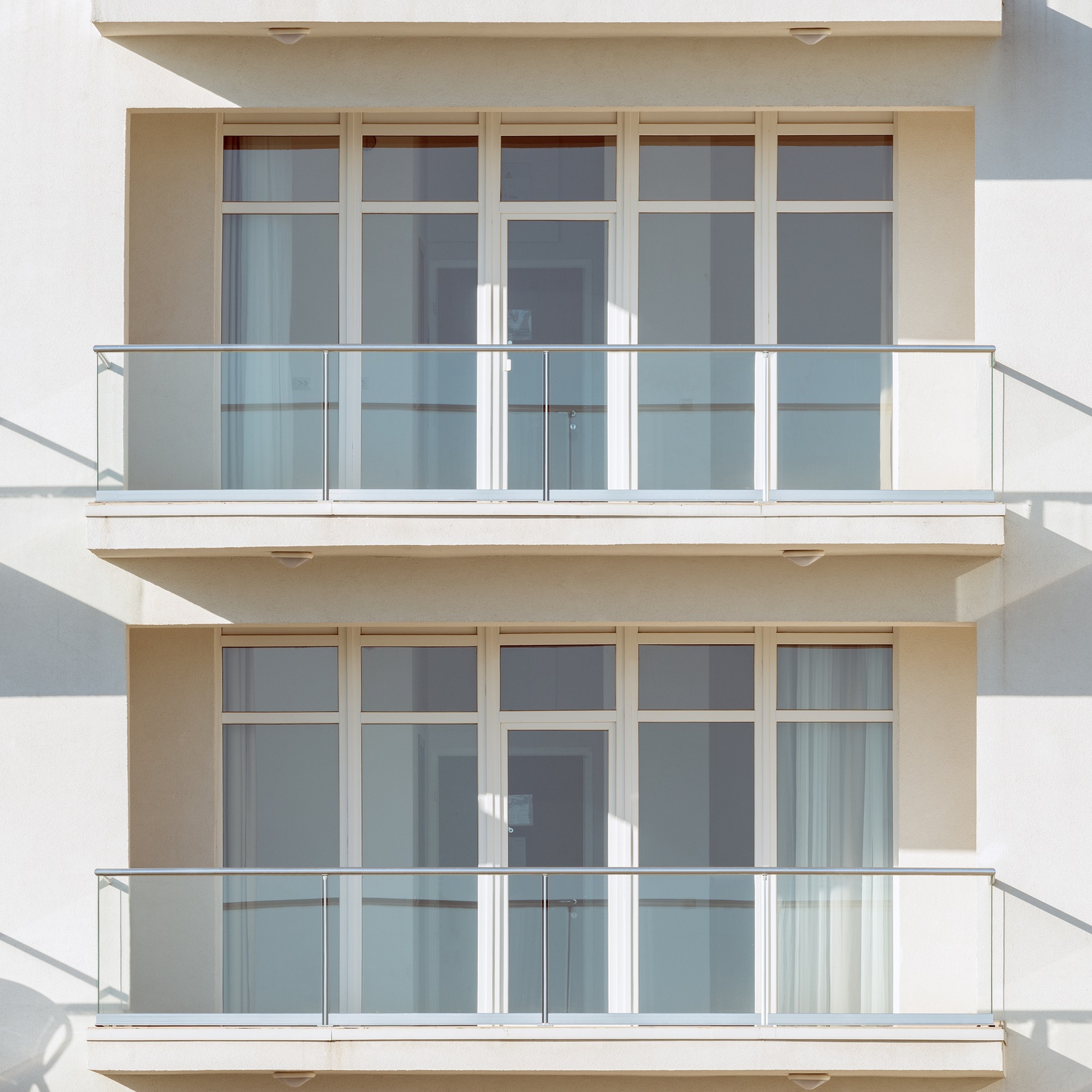
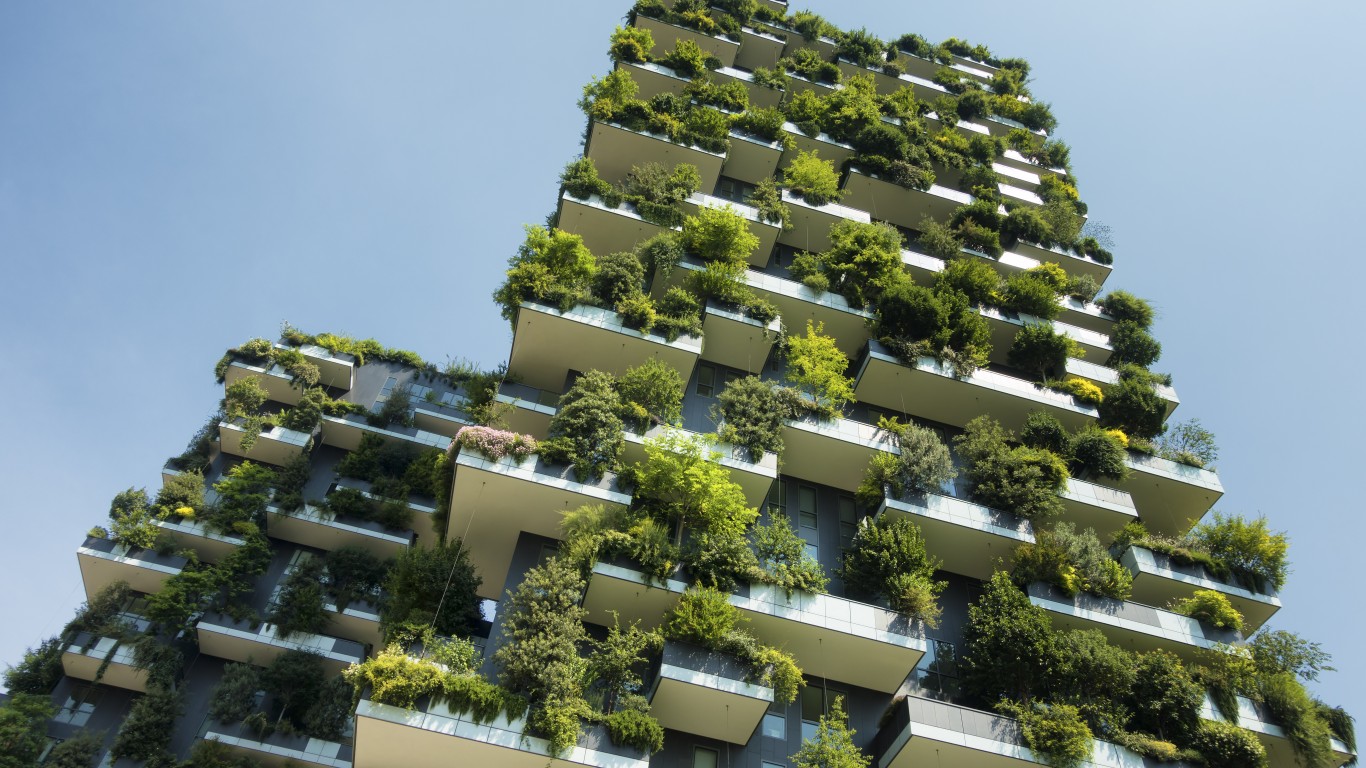
The number of apartment buildings that are either certified or proposed for certification as green buildings by the U.S. Green Building Council’s Leadership in Energy and Environmental Design (LEED) standards. Since the LEED certification standards were released in 2008, a total of 184,300 were certified as green units as of the end of 2015, and another 59,400 are expected to be added to the total this year.
Of more than 14 million U.S. apartments in buildings with 50 or more units, a grand total of 243,700 green apartments by the end of 2016 represents less than 2% of the total. As a percentage of total apartments built in a year, new green units peaked at 20% in 2014 and are expected to account for just 17% of new units in 2016.
The slowdown in new construction may be due to the higher rent costs for green units. Research by Yardi Matrix shows that a green apartment costs an average of $560 more per month or about 33% more than a new non-green apartment. The green units are also smaller: non-green units built in 2009 averaged 955 square feet and cost $1,700 for rent; green units averaged 882 square feet and cost an average of $2,260 for a month’s rent.
[nativounit]
Researchers at RENTCafé found that more than half (52%) of respondents to a survey were willing to pay up to $100 a month more and nearly a quarter (23.5%) were unwilling to pay any premium for a green apartment. Renting green may make a person feel good and offer other benefits that save money, but the current price premium is simply too high.
Here’s a list of the 10 U.S. cities with the most green apartments. We’ve also added the price premium a renter would have to pay to live in a green apartment, if available from the RENTCafé site.
- Chicago: 13,800 units; $423
- Seattle: 11,200 units; n/a
- Portland: 8,000 units; $357
- Washington, D.C.: 7,000 units; n/a
- Dallas: 6,800 units; n/a
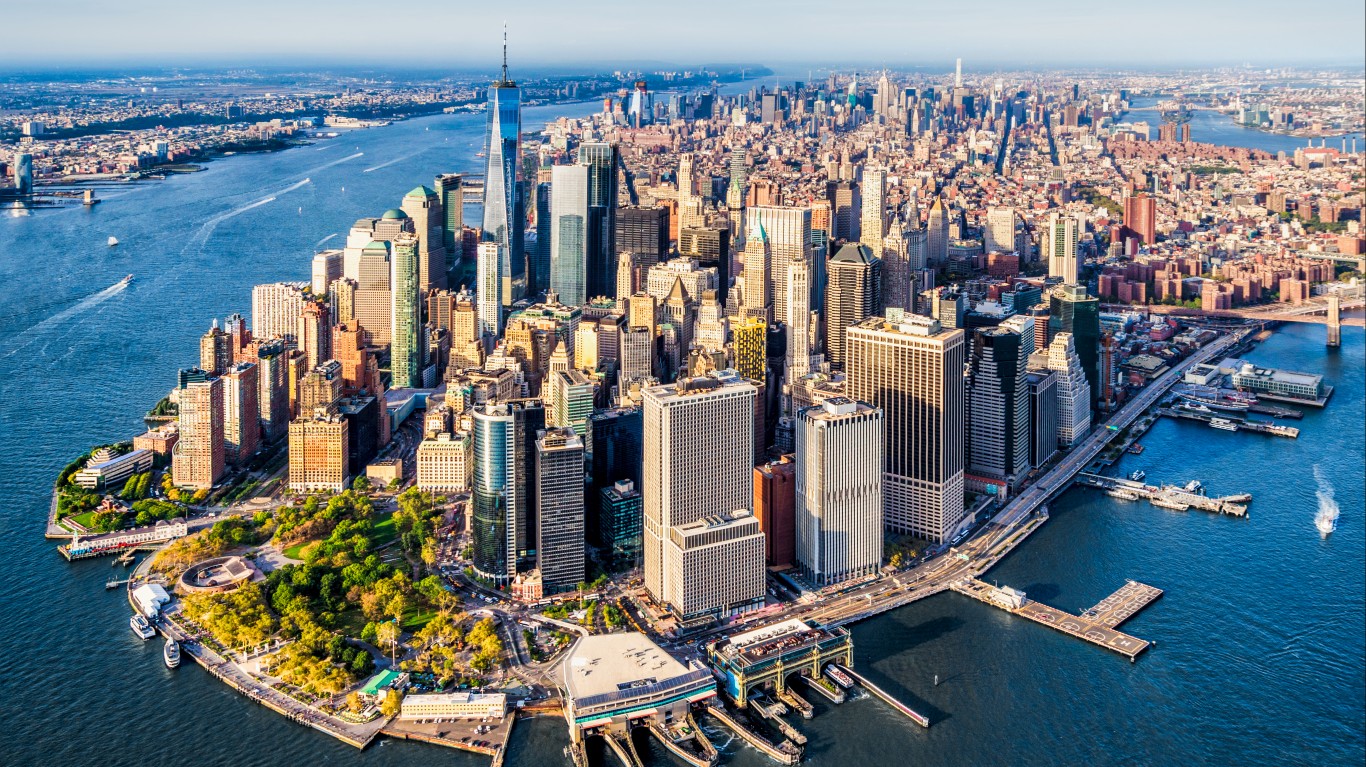
- New York City (Manhattan only): 6,000 units; n/a
- Denver: 5,500 units; n/a
- Austin: 5,400 units; $742
- Arlington: 5,300 units; $357
- San Francisco: 5,200 units; $880
The largest premium is found in Madison, Wisconsin, where a green unit rents for nearly double ($3,024) the price of a non-green unit ($1,557).
For more data and information, visit the RENTCafé website.
[wallst_email_signup]







 Top Gaining Stocks
 Top Losing Stocks