Hurricane Harvey Residential Losses May Reach $37 Billion

Photo of Douglas A. McIntyre
By Douglas A. McIntyre Updated Published
This post may contain links from our sponsors and affiliates, and Flywheel Publishing may receive compensation for actions taken through them.
Hurricane Harvey Residential Losses May Reach $37 Billion

© Thinkstock

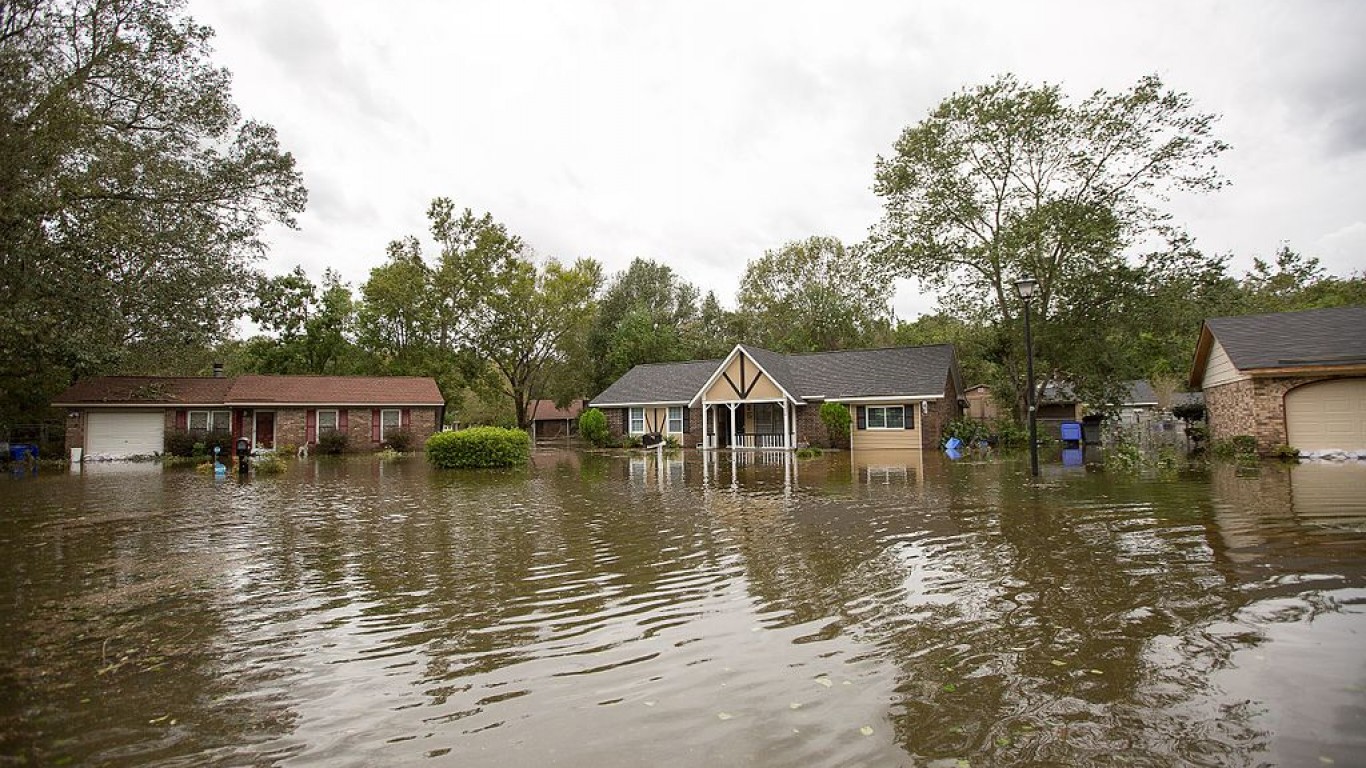
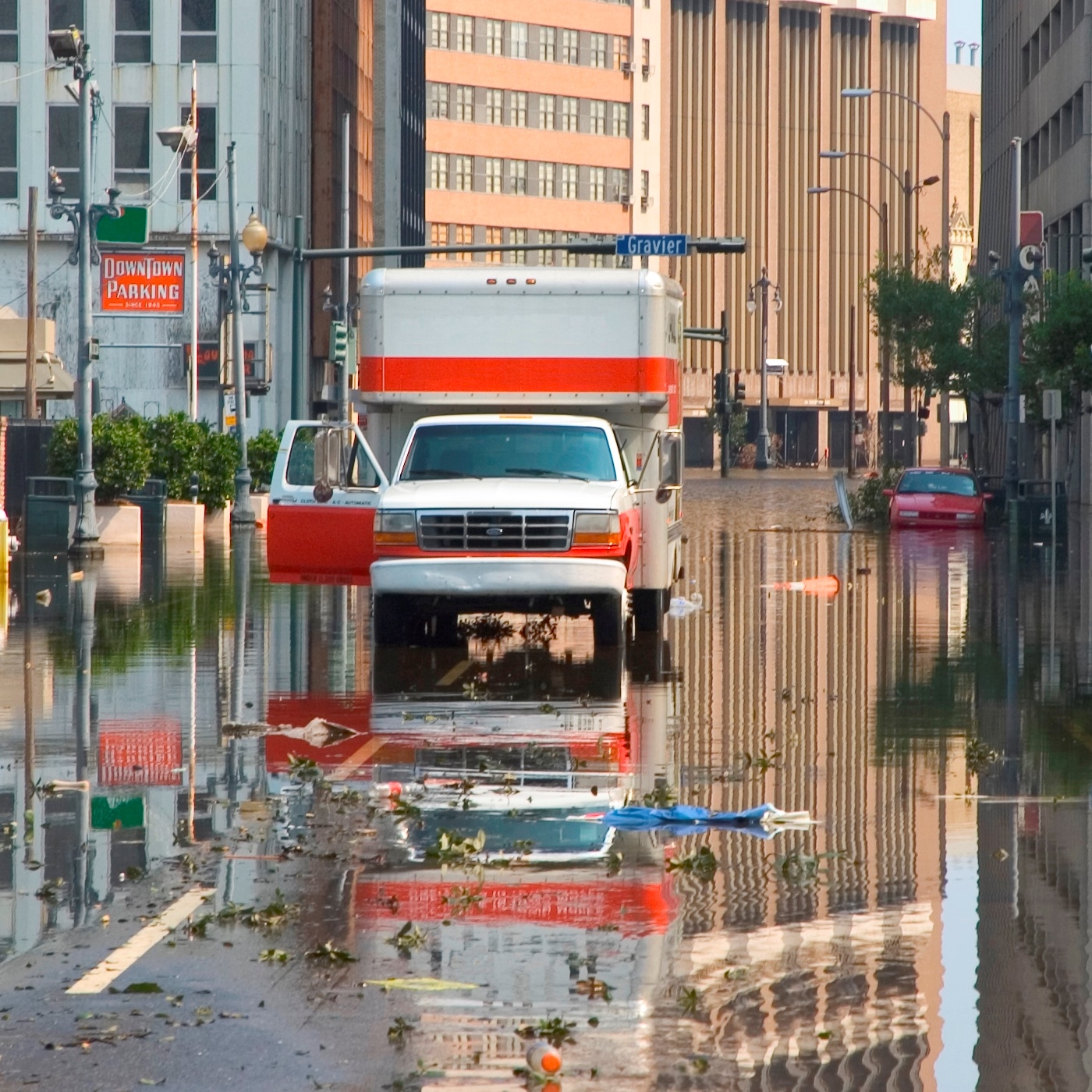
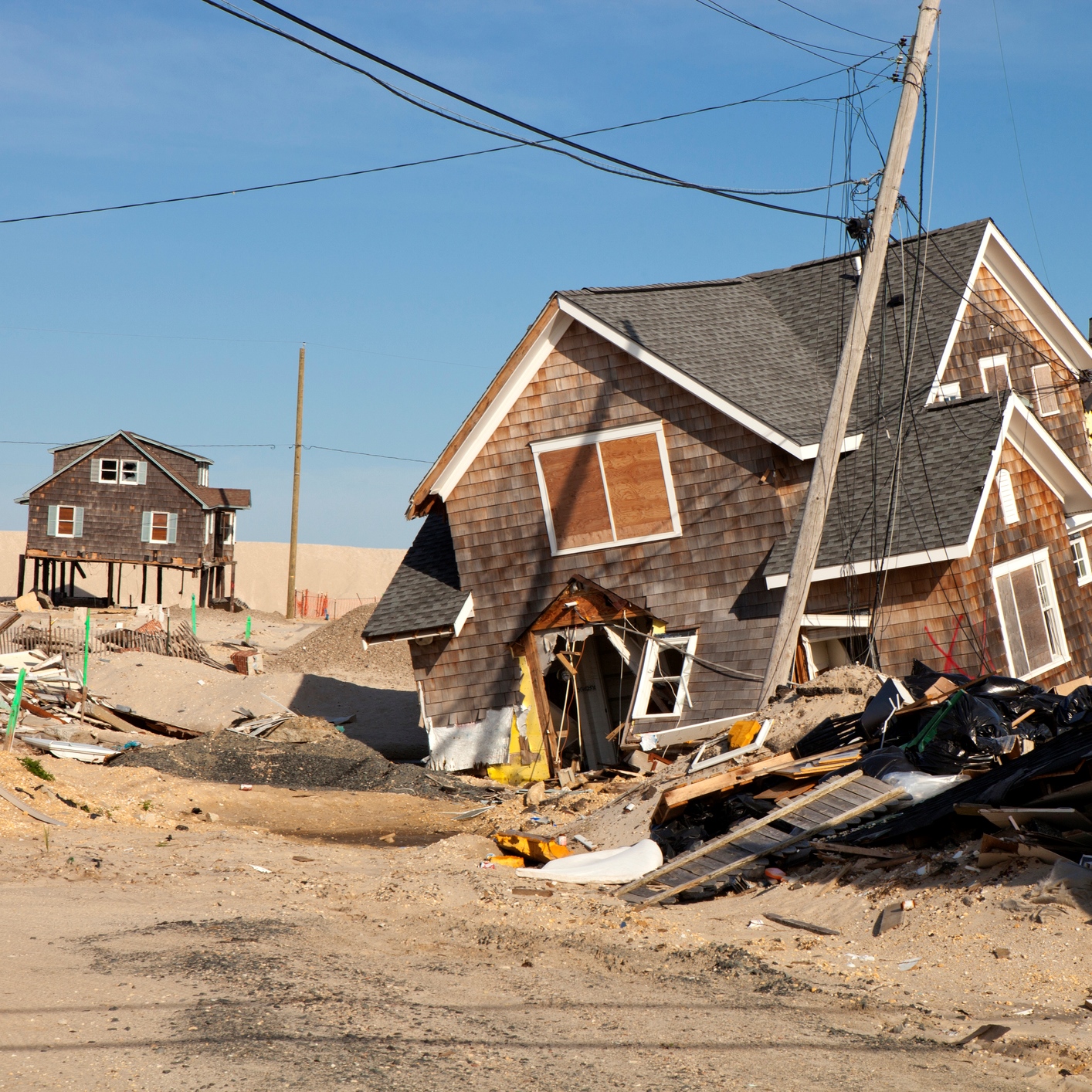
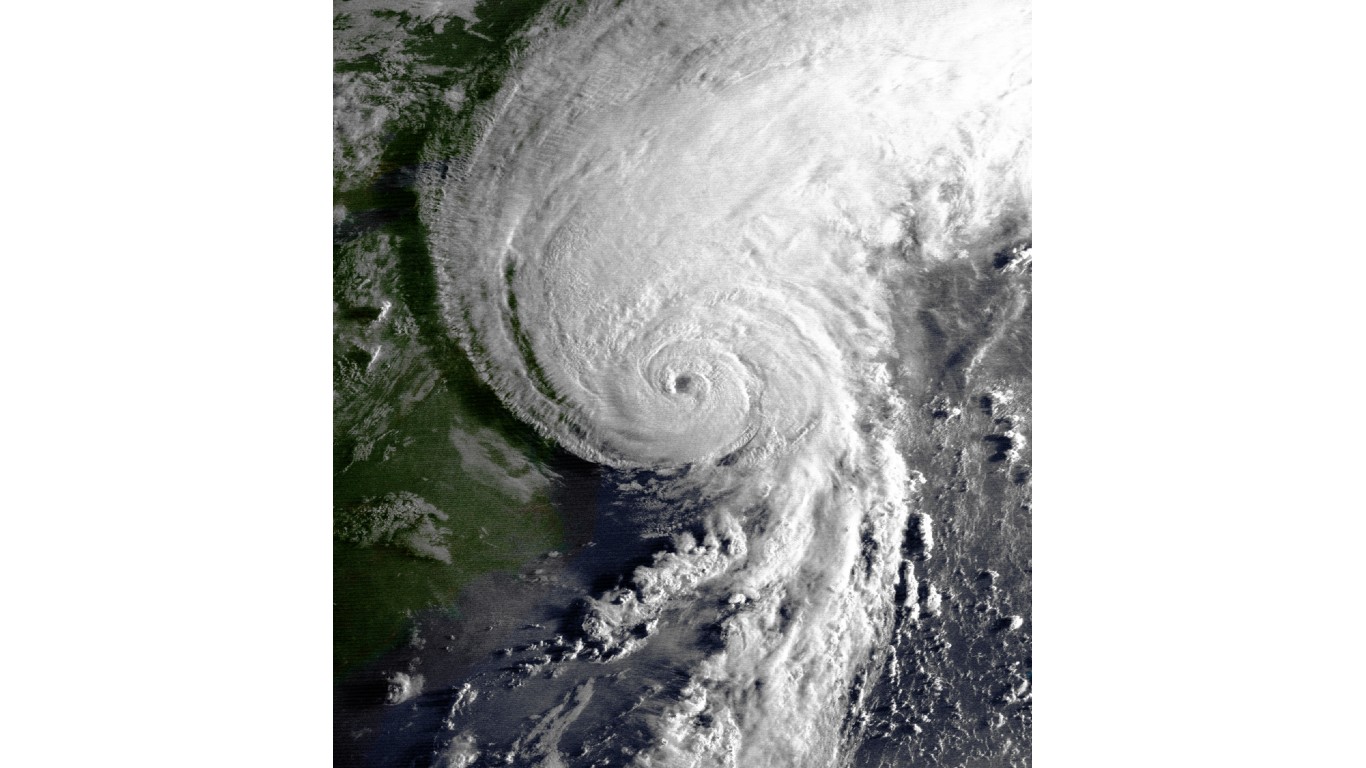
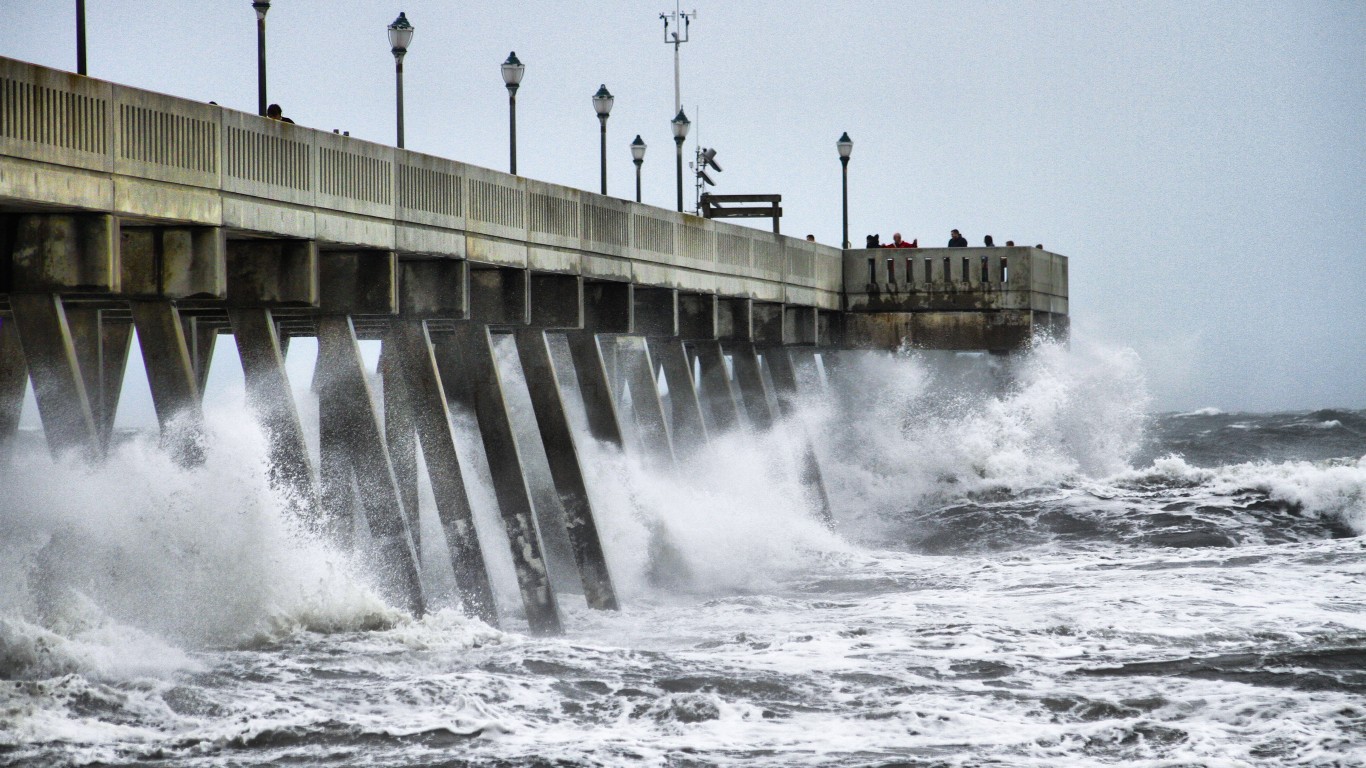
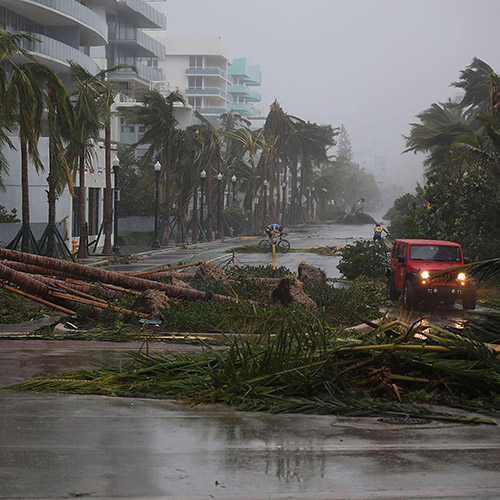
As the remnants of Hurricane Harvey move inland, estimates of the amount of financial damaged it has caused continue to rise sharply. One research firm puts residential losses as high as $37 billion. And many of the residences damaged are uninsured.

CoreLogic’s calculations:

According to the data analysis, insured flood loss for homes in the 70-county area in Texas and Louisiana affected by the storm is estimated to be between $6.5 billion and $9.5 billion, which includes inland, flash and storm surge flooding. An additional estimated $1 billion to $2 billion in insured loss is attributed to damage from wind. Residential uninsured flood loss for the same area is estimated to be between $18 billion and $27 billion. As a result, an estimated 70 percent of flood damage from Hurricane Harvey is not covered by any insurance.

[nativounit]

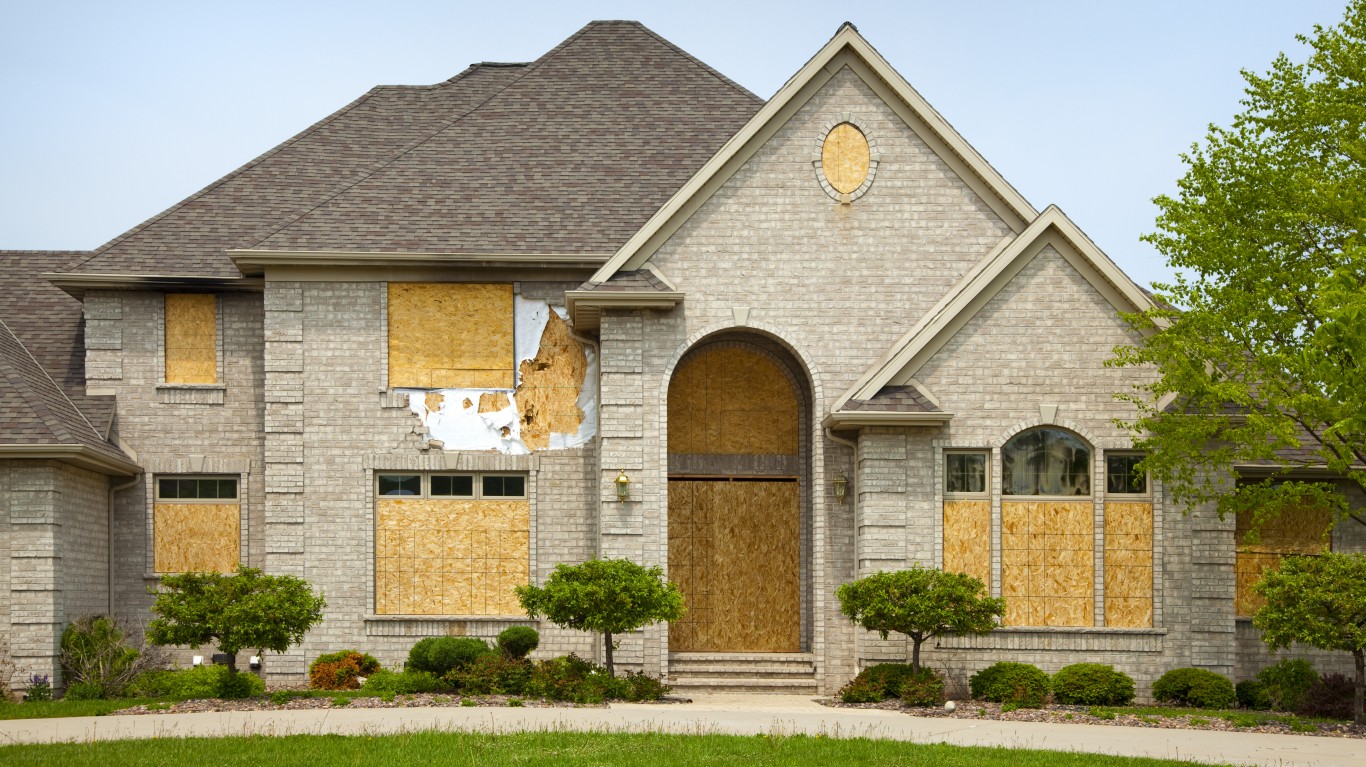
Among the most worrisome factors about the aftermath of the storm are whether people can rebuild or repair tens of thousands of homes, and whether many will try to do so at all. If these problems are widespread enough, many people could be indefinitely without a place to live. Huge numbers of houses in the region may be boarded up or bulldozed because they will never be inhabited. Parts of the region may start to look like the most troubled inner-city neighborhoods in places such as Detroit.

The federal government is the only organization that can partially offset the lack of personal financial resources and insurance needed to solve a portion of the problem. It is unclear whether any legislation will be set that even attempts to offer the necessary aid. Additionally, there is no guarantee the White House would approve a plan created and voted on by Congress. Most likely the consideration of solutions may have to include banks, which will take massive losses on mortgages on homes that have become uninhabitable.

The figures of the losses almost certainly will rise once the storm has been gone long enough for experts to enter affected areas and inspect the damage.
[wallst_email_signup]

Photo of Douglas A. McIntyre
About the Author Douglas A. McIntyre →

Douglas A. McIntyre is the co-founder, chief executive officer and editor in chief of 24/7 Wall St. and 24/7 Tempo. He has held these jobs since 2006.

McIntyre has written thousands of articles for 24/7 Wall St. He is an expert on corporate finance, the automotive industry, media companies and international finance. He has edited articles on national demographics, sports, personal income and travel.

His work has been quoted or mentioned in The New York Times, The Wall Street Journal, Los Angeles Times, The Washington Post, NBC News, Time, The New Yorker, HuffPost USA Today, Business Insider, Yahoo, AOL, MarketWatch, The Atlantic, Bloomberg, New York Post, Chicago Tribune, Forbes, The Guardian and many other major publications. McIntyre has been a guest on CNBC, the BBC and television and radio stations across the country.

A magna cum laude graduate of Harvard College, McIntyre also was president of The Harvard Advocate. Founded in 1866, the Advocate is the oldest college publication in the United States.

TheStreet.com, Comps.com and Edgar Online are some of the public companies for which McIntyre served on the board of directors. He was a Vicinity Corporation board member when the company was sold to Microsoft in 2002. He served on the audit committees of some of these companies.

McIntyre has been the CEO of FutureSource, a provider of trading terminals and news to commodities and futures traders. He was president of Switchboard, the online phone directory company. He served as chairman and CEO of On2 Technologies, the video compression company that provided video compression software for Adobe’s Flash. Google bought On2 in 2009.

Continue Reading

Top Gaining Stocks

CBOE Vol: 1,568,143
PSKY Vol: 12,285,993
STX Vol: 7,378,346
ORCL Vol: 26,317,675
DDOG Vol: 6,247,779

Top Losing Stocks

LKQ
LKQ Vol: 4,367,433
CLX Vol: 13,260,523
SYK Vol: 4,519,455
MHK Vol: 1,859,865
AMGN Vol: 3,818,618