



Home prices nationally in the United States currently average 4.3% above their peaks in 2006 and nearly 44% above their valleys in 2012. As with all averages, though, there is a wide range between the metropolitan areas doing best and those doing worst.
Among the top performing metros, home prices are almost 70% above their 2006 peaks in one area, while among struggling metro areas, home prices remain about 33% below their peaks at the same time.
According to researchers at HSH.com, in 62 of the 100 largest U.S. metro areas, home prices have reached new highs. In another 16 markets prices are within 10% of their highs, putting recovery to peak levels within reach next year.
HSH.com used the home price index published quarterly by the Federal Housing Finance Agency (FHFA) to determine how home prices have moved since the housing price collapse began in 2005 to 2006. The following list includes the 10 U.S. metropolitan areas where current housing prices have reached a new high compared with previous peaks. We’ve included the peak index value, the bottom index value, the current index value and the current value’s percentage amount above the previous peak.
[nativounit]
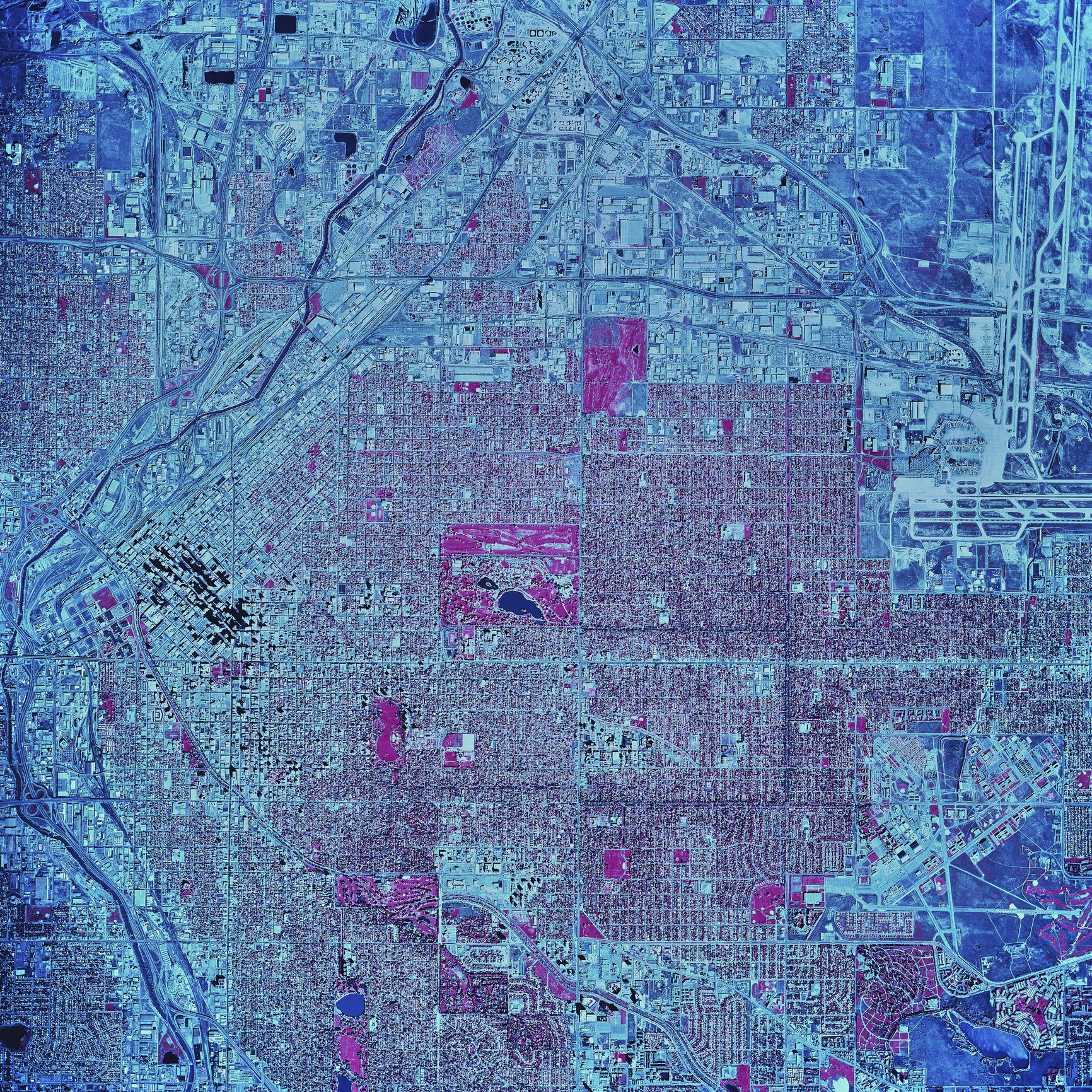
Denver-Aurora-Lakewood, Colorado
> Peak index value: 276.32
> Bottom index value: 255.78
> Current index value: 468.56
> Amount above peak: 69.57%
Austin-Round Rock, Texas
> Peak index value: 270.09
> Bottom index value: 260.29
> Current index value: 433.63
> Amount above peak: 60.55%
Dallas-Plano-Irving, Texas
> Peak index value: 172.49
> Bottom index value: 165.33
> Current index value: 270.73
> Amount above peak: 56.95%
Houston-The Woodlands-Sugar Land, Texas
> Peak index value: 200.73
> Bottom index value: 194.06
> Current index value: 296.75
> Amount above peak: 47.84%
Fort Worth-Arlington, Texas
> Peak index value: 169.05
> Bottom index value: 161.04
> Current index value: 249.34
> Amount above peak: 47.49%
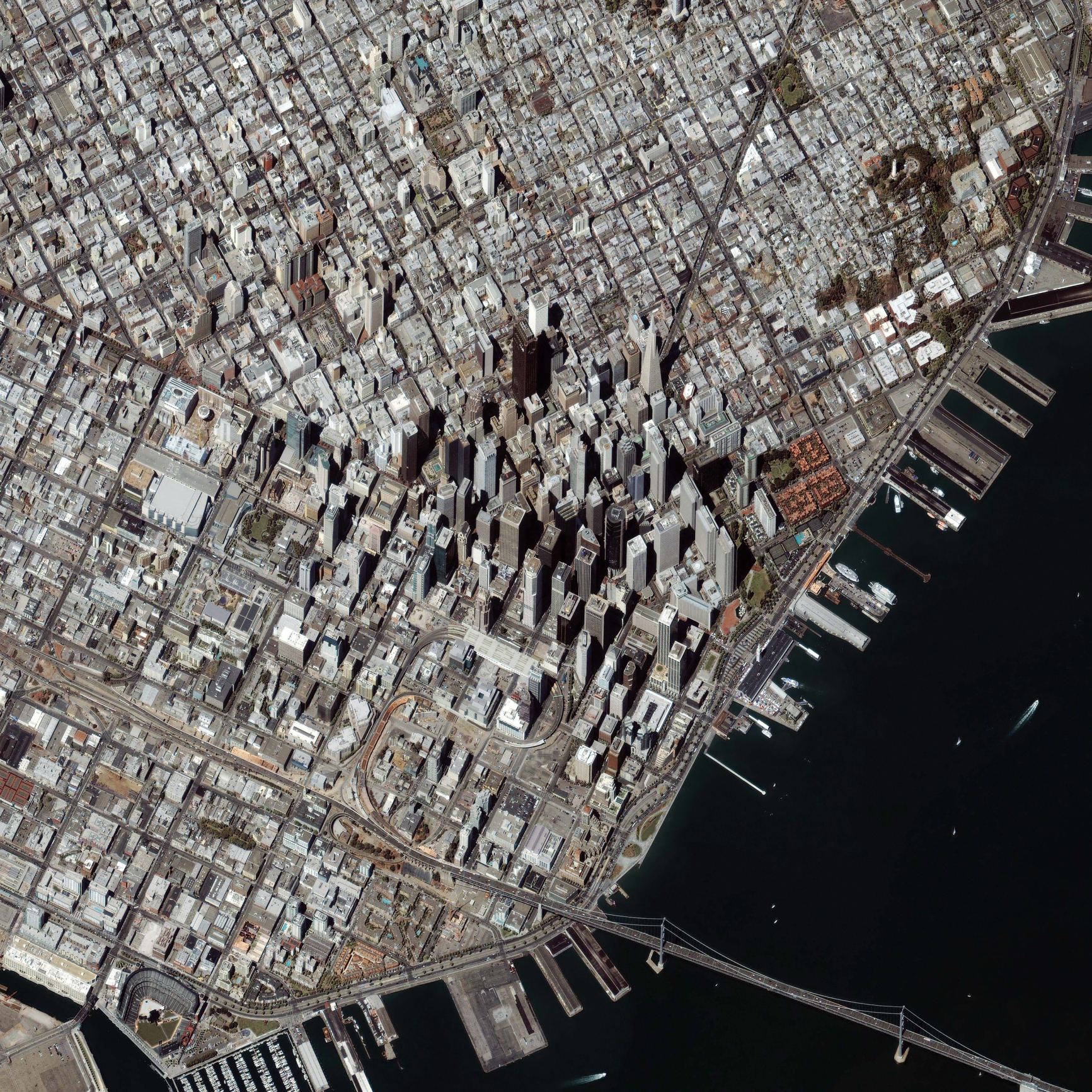
San Francisco-Redwood City-South San Francisco, California
> Peak index value: 277.18
> Bottom index value: 214.55
> Current index value: 402.35
> Amount above peak: 45.16%
Nashville-Davidson-Murfreesboro, Tennessee
> Peak index value: 224.82
> Bottom index value: 197.17
> Current index value: 317.93
> Amount below peak: 41.42%
San Antonio-New Braunfels, Texas
> Peak index value: 216.22
> Bottom index value: 199.33
> Current index value: 296.60
> Amount below peak: 37.18%
Buffalo-Cheektowaga-Niagara Falls, New York
> Peak index value: 147.06
> Bottom index value: 146.36
> Current index value: 195.34
> Amount below peak: 32.83%
Pittsburgh, Pennsylvania
> Peak index value: 180.55
> Bottom index value: 176.44
> Current index value: 237.26
> Amount below peak: 31.41%
Methodology: The Home Price Index is a broad measure of the movement of single-family house prices. It has been published by the Federal Housing Finance Agency and precursor agencies since the fourth quarter of 1995.
For each market, the index uses 1990 home prices as a basis. Those dollars are “normalized” to a value of 100 for each market; that is, regardless of the actual dollar cost, the index value for a given market becomes 100. For example, a home price in Allentown, Pennsylvania, in 1990 might have been $65,000; this becomes a base value for Allentown of 100, and changes since then are presented as percentage changes from that initial 100 value.
[recirclink id=407729]
[wallst_email_signup]








 Top Gaining Stocks
 Top Losing Stocks