


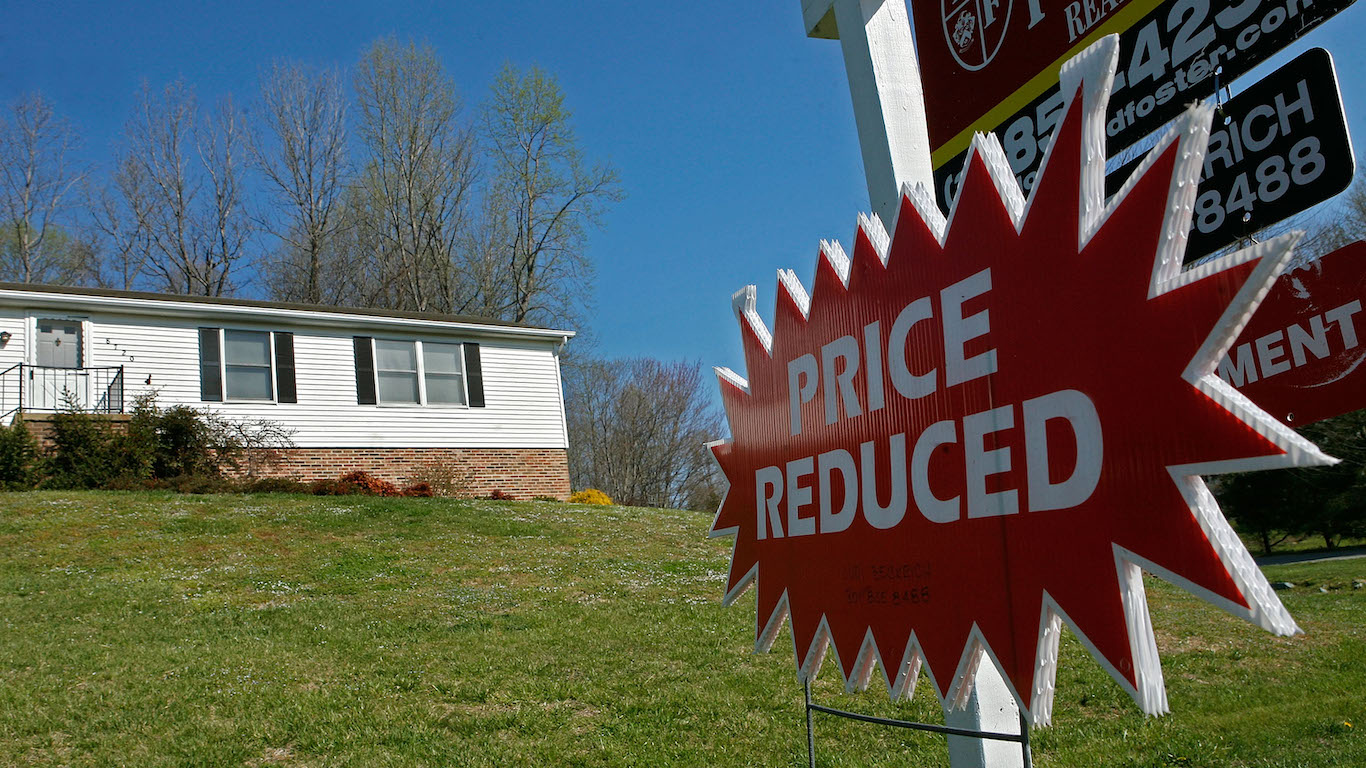
U.S. home prices were rising at a quickening pace, according to the S&P CoreLogic Case-Shiller national home price index (not seasonally adjusted) for January released Tuesday. The year-over-year increase of 3.9% was 0.1 percentage points above the December increase.
In 2019, the Case-Shiller index rose sequentially every month. January continued the pace, but the stay-at-home orders are going to have an impact on the February report, and the March report may be just the first in a string of “worsts” depending on how long the U.S. economy remains essentially shut down.
In January, home prices jumped by 6.9% year over year in Phoenix, the largest increase among the cities in the index’s 20-city composite group. Prices rose 5.1% in Charlotte and Seattle. No city posted a year-over-year price decline. Minneapolis and Chicago posted year-over-year gains of 0.8% and 0.6%, respectively, the lowest among the 20-city group.
On a non-seasonally-adjusted (NSA) basis, the national index was flat in January and the 10-city index fell by 0.1 points, while the 20-city index remained unchanged month over month. The consensus economists’ estimate called for the 20-city average home price to stay flat year over year unadjusted and to rise by 0.4% month over month adjusted. Prices rose 0.5% month over month on a seasonally adjusted basis.
In all U.S. cities included in the January 20-city home price index, 12 posted NSA month-over-month price increases. Cities posting lower prices were Chicago (0.9%), Minneapolis (0.7%) and San Francisco (0.5%), while three cities posted declines of 0.3%: Boston, Cleveland and New York. Charlotte and Detroit posted 0.1% dips, and Washington, D.C., prices remained flat.
[nativounit]
Craig Lazzara, Managing Director and Global Head of Index Investment Strategy at S&P Dow Jones Indices, said:
The trend of stable growth established in 2019 continued into the first month of the new year. … It is important to bear in mind that today’s report covers real estate transactions closed during the month of January. The COVID-19 pandemic did not begin to take hold in the U.S. until late February, and thus whatever impact it will have on housing prices is not reflected in today’s data.
[recirclink id=672222][wallst_email_signup]










 Top Gaining Stocks
 Top Losing Stocks