This Is the State With the Most Houses Where No One Lives

Photo of Douglas A. McIntyre
By Douglas A. McIntyre Published
This post may contain links from our sponsors and affiliates, and Flywheel Publishing may receive compensation for actions taken through them.
This Is the State With the Most Houses Where No One Lives

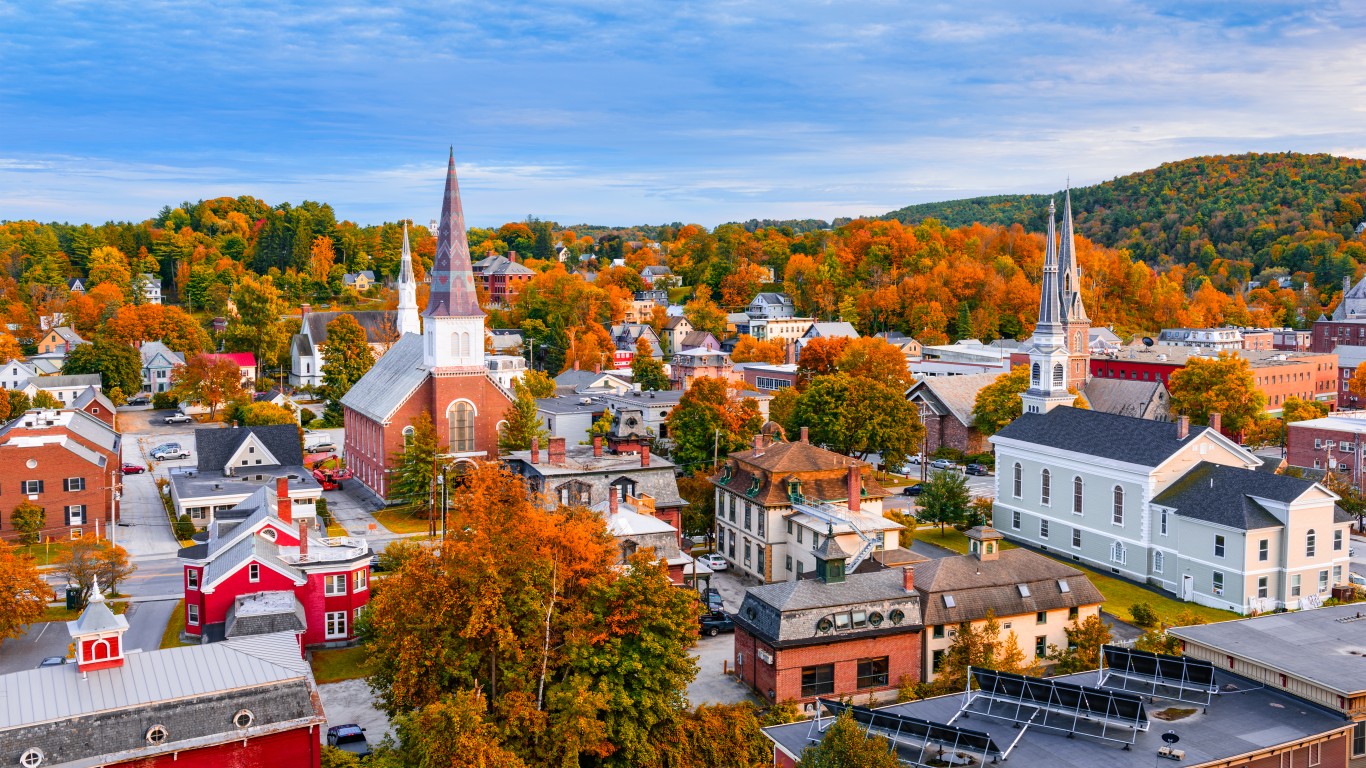
© TennesseePhotographer / iStock via Getty Images

Vacancy rates rose during the Great Recession. They did not fall to the historic lows of the early 1980s until this year. Nevertheless, in some states, they are over 1%. There is no sign this year that that number is falling, particularly in some states.

Vacancy rates have probably been helped over the past two years by the housing market explosion. People have moved by the hundreds of thousands from large coastal cities like New York and San Francisco to cities inland. These large local cities have among the highest home prices in America. They also have extremely high costs of living. Inland cities not only have lower costs, but they also have what many people think are better “lifestyles.” Ironically, the rush to the smaller cities has caused home prices there to spike. Among the reasons for this migration are historically low-interest mortgage rates and the fact that people have become mobile because they can work from home.

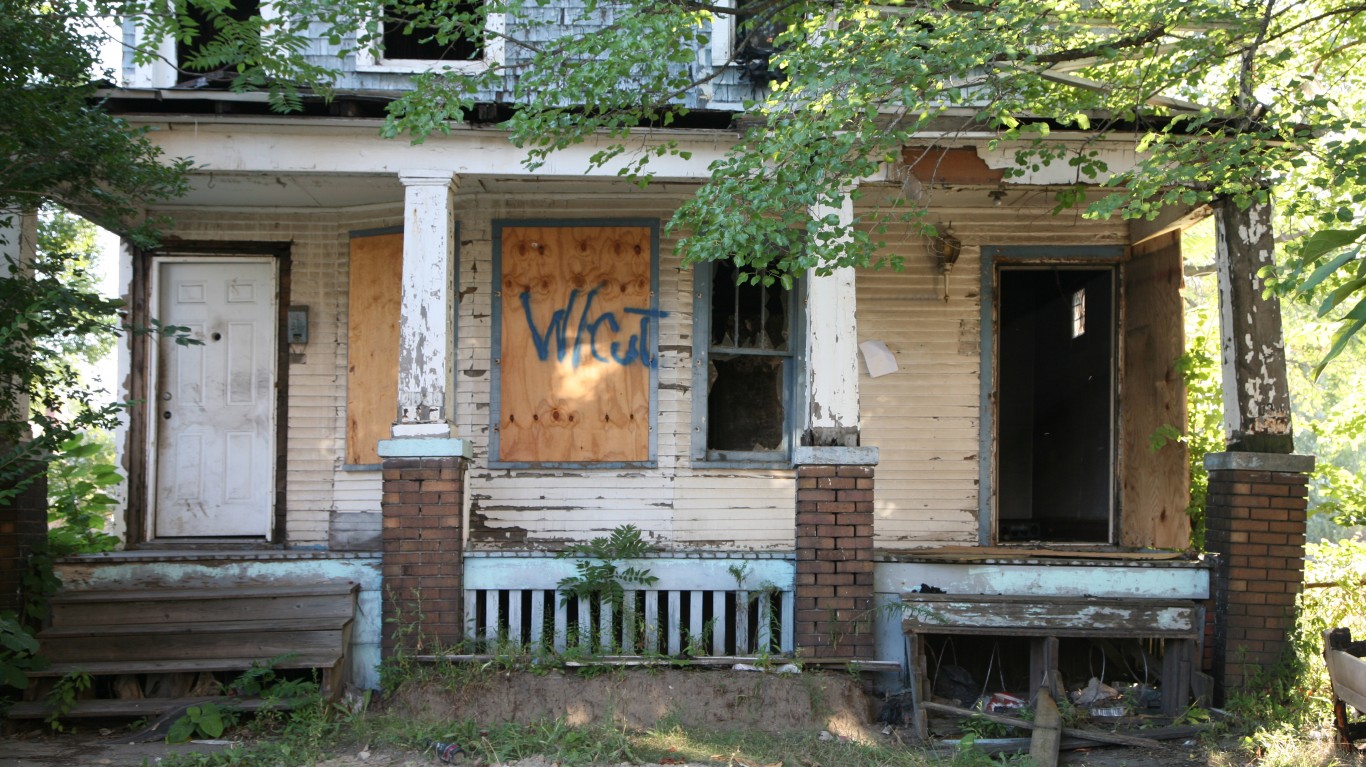
Vacancies are often found in clusters. Detroit is an example. The once-great city has over 100,000 abandoned houses, which is 28% of the city’s homes. Other older cities, particularly those that were home to industrial companies, have problems on a lesser scale. Among them are Cleveland and Buffalo.

Once a quarter, the Census Bureau issues its Housing Vacancies and Homeownership (CPS/HVS). Among the things it measures is vacancy rates by state. The state that topped the list in the third quarter was New York at 1.8%. It was followed by Colorado at 1.7%. The states are not only far apart in geography, but also are very different in the size of this population. The Census Bureau offers no clue as to why these two have such high numbers.
[nativounit]
Will the real estate boom lower the vacancy rate level? As long as there are large cities with blighted sections, probably not.

Click here to see the American cities where you can buy a home for less than $100,000.
[wallst_email_signup]


Photo of Douglas A. McIntyre
About the Author Douglas A. McIntyre →

Douglas A. McIntyre is the co-founder, chief executive officer and editor in chief of 24/7 Wall St. and 24/7 Tempo. He has held these jobs since 2006.

McIntyre has written thousands of articles for 24/7 Wall St. He is an expert on corporate finance, the automotive industry, media companies and international finance. He has edited articles on national demographics, sports, personal income and travel.

His work has been quoted or mentioned in The New York Times, The Wall Street Journal, Los Angeles Times, The Washington Post, NBC News, Time, The New Yorker, HuffPost USA Today, Business Insider, Yahoo, AOL, MarketWatch, The Atlantic, Bloomberg, New York Post, Chicago Tribune, Forbes, The Guardian and many other major publications. McIntyre has been a guest on CNBC, the BBC and television and radio stations across the country.

A magna cum laude graduate of Harvard College, McIntyre also was president of The Harvard Advocate. Founded in 1866, the Advocate is the oldest college publication in the United States.

TheStreet.com, Comps.com and Edgar Online are some of the public companies for which McIntyre served on the board of directors. He was a Vicinity Corporation board member when the company was sold to Microsoft in 2002. He served on the audit committees of some of these companies.

McIntyre has been the CEO of FutureSource, a provider of trading terminals and news to commodities and futures traders. He was president of Switchboard, the online phone directory company. He served as chairman and CEO of On2 Technologies, the video compression company that provided video compression software for Adobe’s Flash. Google bought On2 in 2009.

Continue Reading

Top Gaining Stocks

CBOE Vol: 1,568,143
PSKY Vol: 12,285,993
STX Vol: 7,378,346
ORCL Vol: 26,317,675
DDOG Vol: 6,247,779

Top Losing Stocks

LKQ
LKQ Vol: 4,367,433
CLX Vol: 13,260,523
SYK Vol: 4,519,455
MHK Vol: 1,859,865
AMGN Vol: 3,818,618