


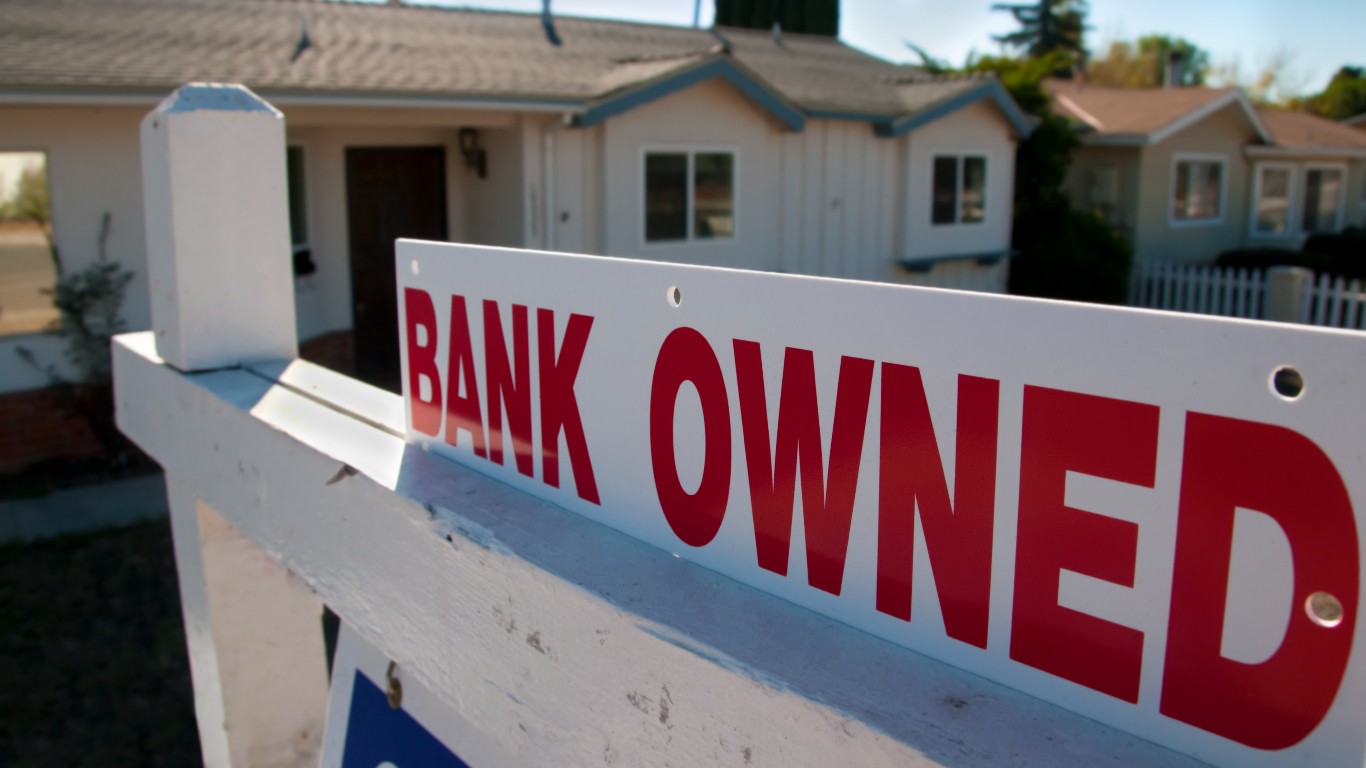
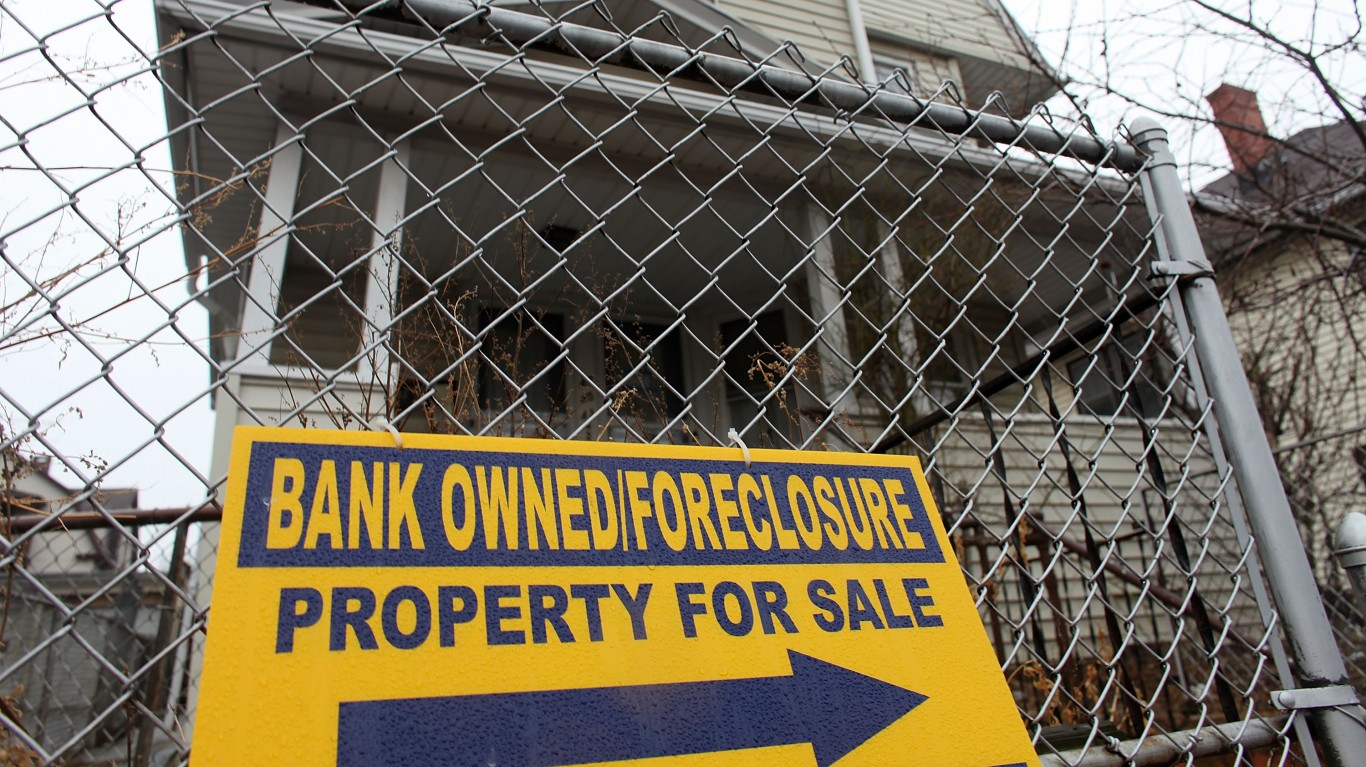
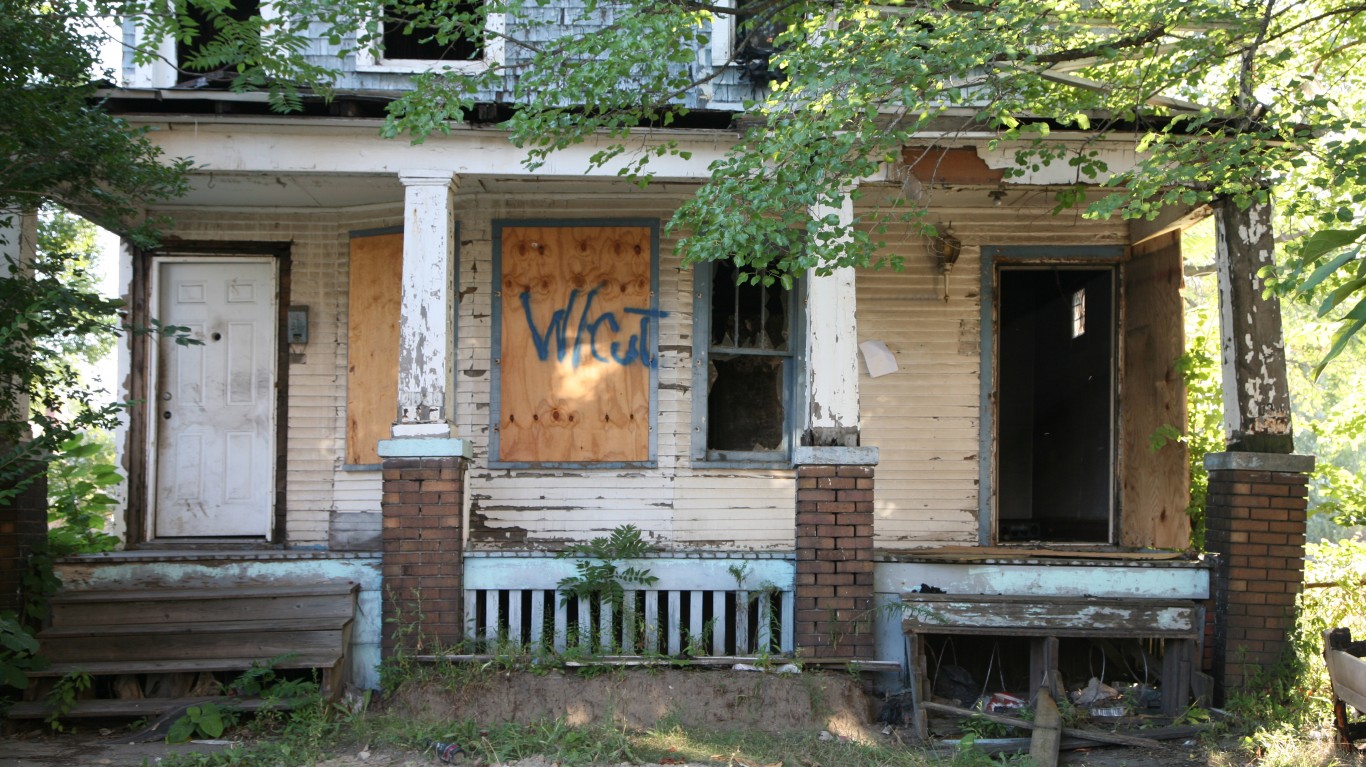
When housing markets cool and prices drop, there is a jump in foreclosures. The housing story has been so strong for the past two years that the term is barely ever used. Yet, the market has started to cool considerably, due primarily to sharply increased mortgage rates, and demand has slackened in some markets. In a few, price increases have reversed and there is realistic fear that home values will fall after two years of relentless growth.
[in-text-ad]
The housing price explosion, which may be viewed years from now as a bubble, relied on more than mortgage rates that dropped to 3% for 30-year fixed rate loans. The comparable number is nearly 6% today. People were able to move to communities they preferred to live in because of the “work from home” trend caused by office closures during the worst of the COVID-19 pandemic. Some companies will allow workers to stay home permanently. Others are wrestling with workers over where they will work. Some of this friction will cause people to leave where they work for places with more flexible work conditions.
[nativounit]
Much of the migration of homeowners was from very expensive cities on the coasts, led by Los Angeles, San Francisco, San Jose and New York. Median home prices in San Jose have topped $1 million. Inland cities such as Boise and Memphis became oases for high-quality living at affordable prices. (No one should be shocked by the fact that Boise has become one of the markets where home price increases have become unsteady.)
The August 2022 U.S. Foreclosure Market Report from real estate data company ATTOM indicates there were 34,501 houses with foreclosure filings last month. This is defined as “default notices, scheduled auctions or bank repossessions.” This was up 118% from the same month a year ago, even though the raw number is low compared to the housing market slaughter of 2008 and 2009.
[wallst_email_signup]
Rick Sharga, executive vice president of market intelligence at ATTOM, pointed out that “Two years after the onset of the COVID-19 pandemic, and after massive government intervention and mortgage industry efforts to prevent defaults, foreclosure starts have almost returned to 2019 levels.”
[recirclink id=1158145]
In August, 1 of every 4,072 homes in the United States had a foreclosure filing. ATTOM looked at the rates in America’s top 223 metros based on population. The cities with the highest rates tended to be ones with many low-income people. Peoria topped the list with 1 in every 869 units with a foreclosure filing. Also among the hardest hit were South Bend, Ind., at 1 in every 1,478, and Rockville, Ill., at 1 in every 1,496. It is an example of how the poor get poorer.







 Top Gaining Stocks
 Top Losing Stocks