


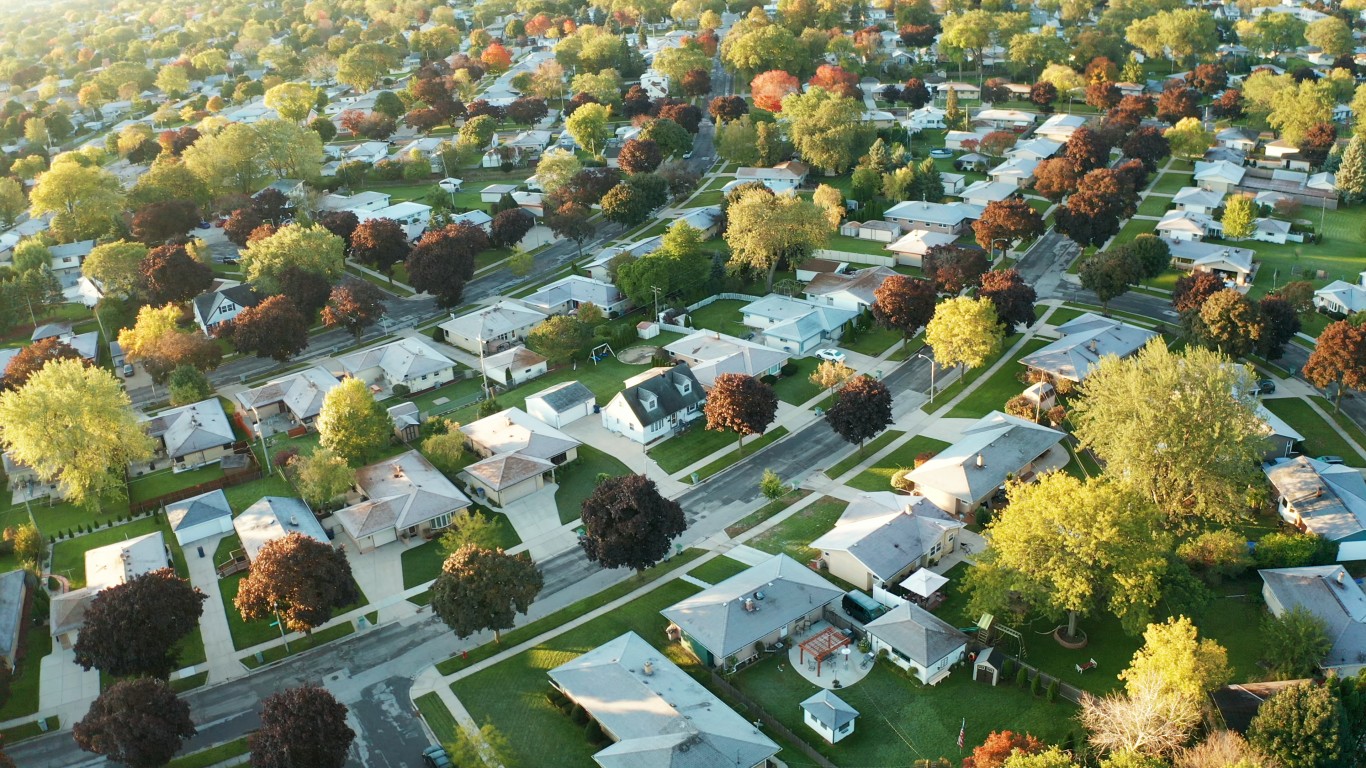
Residential real estate was fairly cheap before the pandemic, or at least cheap compared to today. A land rush for homes in many cities changed that across most of the country. Higher mortgage rates also have attacked affordability. The number of Americans who cannot afford a house has soared by millions in the past several months.
While moderate home prices helped affordability in 2018 and 2019, a drop in mortgage rates to 3% for 30-year fixed mortgages brought home prices into range for people who could not be home buyers financially. Usually, this was measured by the income-to-median home price ratio in each market.
Realtor.com’s recent Every Time Mortgage Rates Rise, Buyers Need to Make This Much More to Afford a Home report shows the effect of home prices and mortgage rates on the number of people who can buy a home in America. It is based on data that covers 128 million homes. Rocke Andrews, a mortgage broker at Lending Arizona, told Realtor.com: “It’s basically a frozen market until prices come down more or rates come down, or both.”
As the Federal Reserve raises interest rates, mortgage rates will not decrease but will rise.
[nativounit]
Realtor.com says the median home price in the United States is $427,250. The average mortgage rate is 6.7% for a fixed-rate loan. Based on this, a buyer must have a median annual income of $124,000 to buy a home under these circumstances.
[wallst_email_signup]
The study concludes that 20 million Americans who could afford a home last year can no longer do so. This also means only 36 million people can buy homes today, based on the Realtor.com formula. At 3% mortgage rates, the comparable number was 54 million.
[recirclink id=1172977]
The national real estate market will be ruined if mortgage rates move above 10%. The number of people who can buy a home has dropped to 23 million. Demand, based on the residential real estate market over the past decade, has disappeared.










 Top Gaining Stocks
 Top Losing Stocks