Can Russia Turn Out All the Lights in New York City?

Photo of Douglas A. McIntyre
By Douglas A. McIntyre Updated Published
This post may contain links from our sponsors and affiliates, and Flywheel Publishing may receive compensation for actions taken through them.
Can Russia Turn Out All the Lights in New York City?

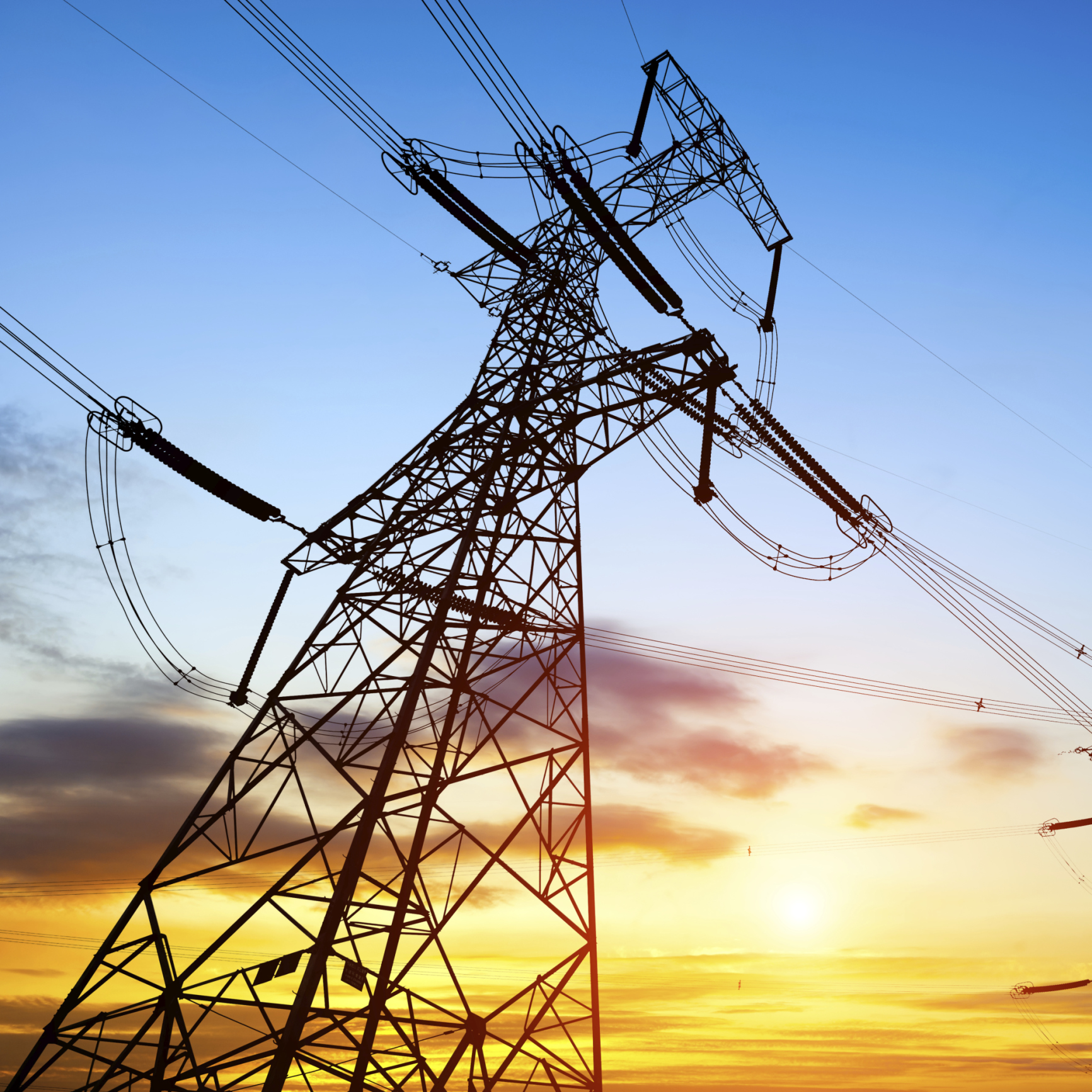
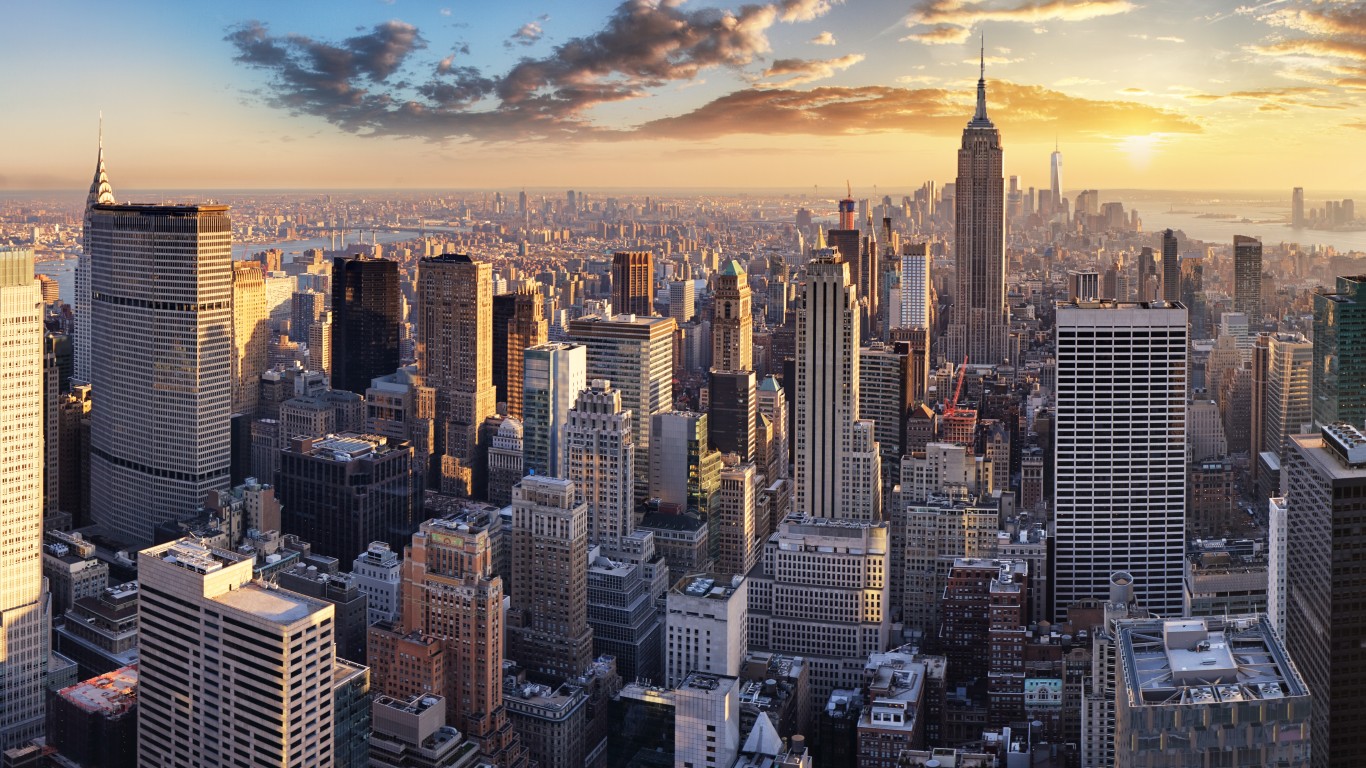
© TomasSereda / Getty Images

Can the Russians do what hot weather and a weak electric grid did to New York City in 1977 and 2003? Virtually all of New York City and much of the northeastern United States lost all their electric power and created an unprecedented crisis for individuals and business. Now, it seems the Russians can do something similar.

A Wall Street Journal story claims that Russian hackers already have breached much of the electric grid system. The hackers used the systems of major suppliers to utilities. Among the conclusions the government has drawn in the face of the information is that the electric grid could be substantially affected by the Russians.

Extreme anxiety about the news is warranted, especially if utilities could not restore power very quickly. The effects of the 2003 blackout hit 55 million Canadians and Americans and lasted two days in some areas. The initial problems with the grid started in a facility in Cleveland, Ohio, far from where most of the people hit by the blackout were located.

In theory, a blackout would bring down all major transportation systems and close businesses from banks to grocery stores. It is less clear whether key parts of the federal government, like defense systems of homeland security operations, would be crippled. A breakdown of several days would, at the very least, badly hurt the economy.

[nativounit]

Another factor of a blackout that lasts a day is a breakdown of social norms. People panic, businesses face failure and crime probably rises. The electric grid does not just supply power; it also is the foundation of a sense of security.

Finally, the Northeast is not the only area under threat. Presumably, if forces outside the United States can damage the grid, they can do it in a number of places. Big cities like Chicago and Los Angeles may face the same risks as New York, and it may be the case in much larger regions of the nation.

[wallst_email_signup]

Photo of Douglas A. McIntyre
About the Author Douglas A. McIntyre →

Douglas A. McIntyre is the co-founder, chief executive officer and editor in chief of 24/7 Wall St. and 24/7 Tempo. He has held these jobs since 2006.

McIntyre has written thousands of articles for 24/7 Wall St. He is an expert on corporate finance, the automotive industry, media companies and international finance. He has edited articles on national demographics, sports, personal income and travel.

His work has been quoted or mentioned in The New York Times, The Wall Street Journal, Los Angeles Times, The Washington Post, NBC News, Time, The New Yorker, HuffPost USA Today, Business Insider, Yahoo, AOL, MarketWatch, The Atlantic, Bloomberg, New York Post, Chicago Tribune, Forbes, The Guardian and many other major publications. McIntyre has been a guest on CNBC, the BBC and television and radio stations across the country.

A magna cum laude graduate of Harvard College, McIntyre also was president of The Harvard Advocate. Founded in 1866, the Advocate is the oldest college publication in the United States.

TheStreet.com, Comps.com and Edgar Online are some of the public companies for which McIntyre served on the board of directors. He was a Vicinity Corporation board member when the company was sold to Microsoft in 2002. He served on the audit committees of some of these companies.

McIntyre has been the CEO of FutureSource, a provider of trading terminals and news to commodities and futures traders. He was president of Switchboard, the online phone directory company. He served as chairman and CEO of On2 Technologies, the video compression company that provided video compression software for Adobe’s Flash. Google bought On2 in 2009.

Continue Reading

Top Gaining Stocks

CBOE Vol: 1,568,143
PSKY Vol: 12,285,993
STX Vol: 7,378,346
ORCL Vol: 26,317,675
DDOG Vol: 6,247,779

Top Losing Stocks

LKQ
LKQ Vol: 4,367,433
CLX Vol: 13,260,523
SYK Vol: 4,519,455
MHK Vol: 1,859,865
AMGN Vol: 3,818,618