


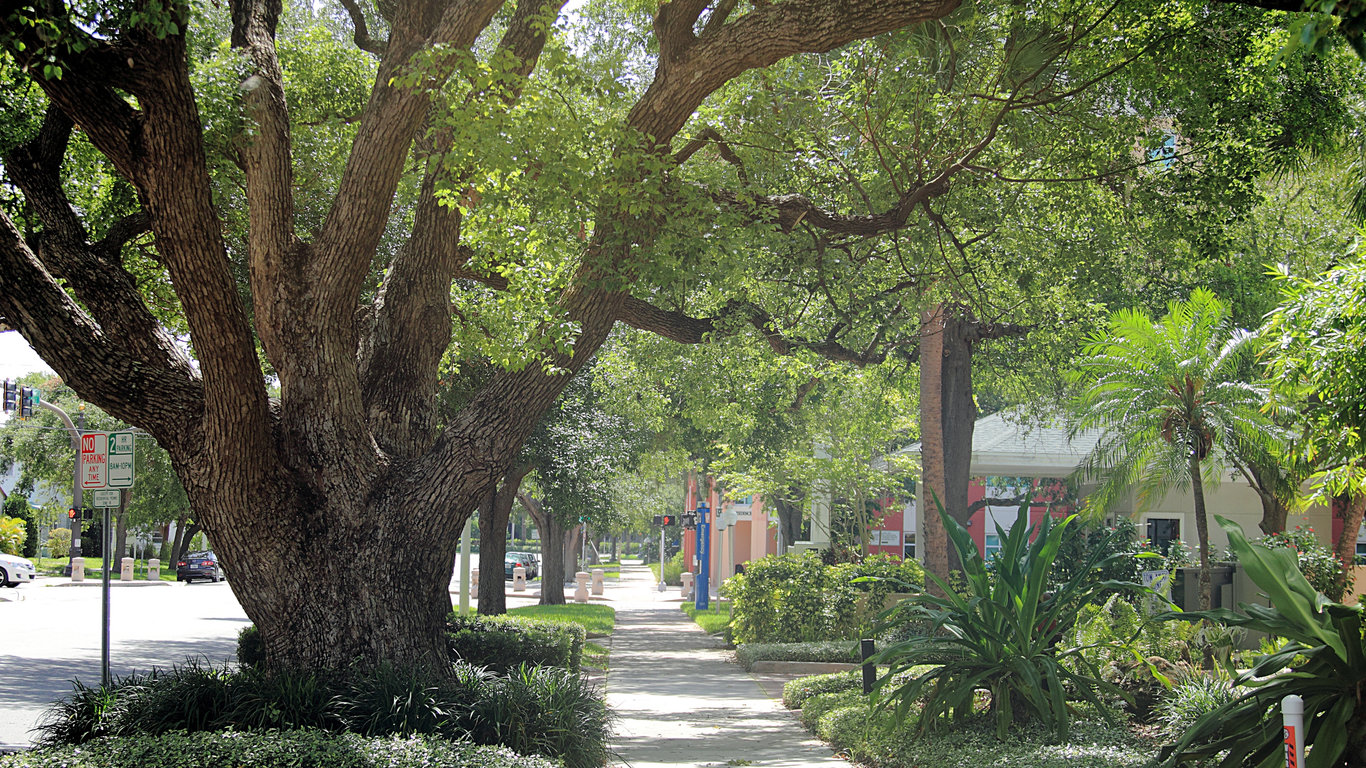
A new study out of Toronto suggests that a lack of trees in a neighborhood is one of the factors that might increase mortality rates for residents.
Researchers at the city’s Ryerson University recently analyzed the links between premature mortality and a combination of environmental, health, socioeconomic, and demographic characteristics within Toronto’s 140 neighborhoods.
One of the study’s authors, Stephanie Melles, an assistant professor in the university’s Department of Chemistry and Biology, said “It’s an ongoing concern that neighborhoods with fewer trees, lower uptake rates in cancer screening programs, higher levels of pollution and lower total income levels best predict increased mortality rates.”
This isn’t just an issue in Toronto. A recent study by the Department of Population Health at NYU School of Medicine revealed that in the U.S., too, life expectancy varies by neighborhood — and the gap is huge.
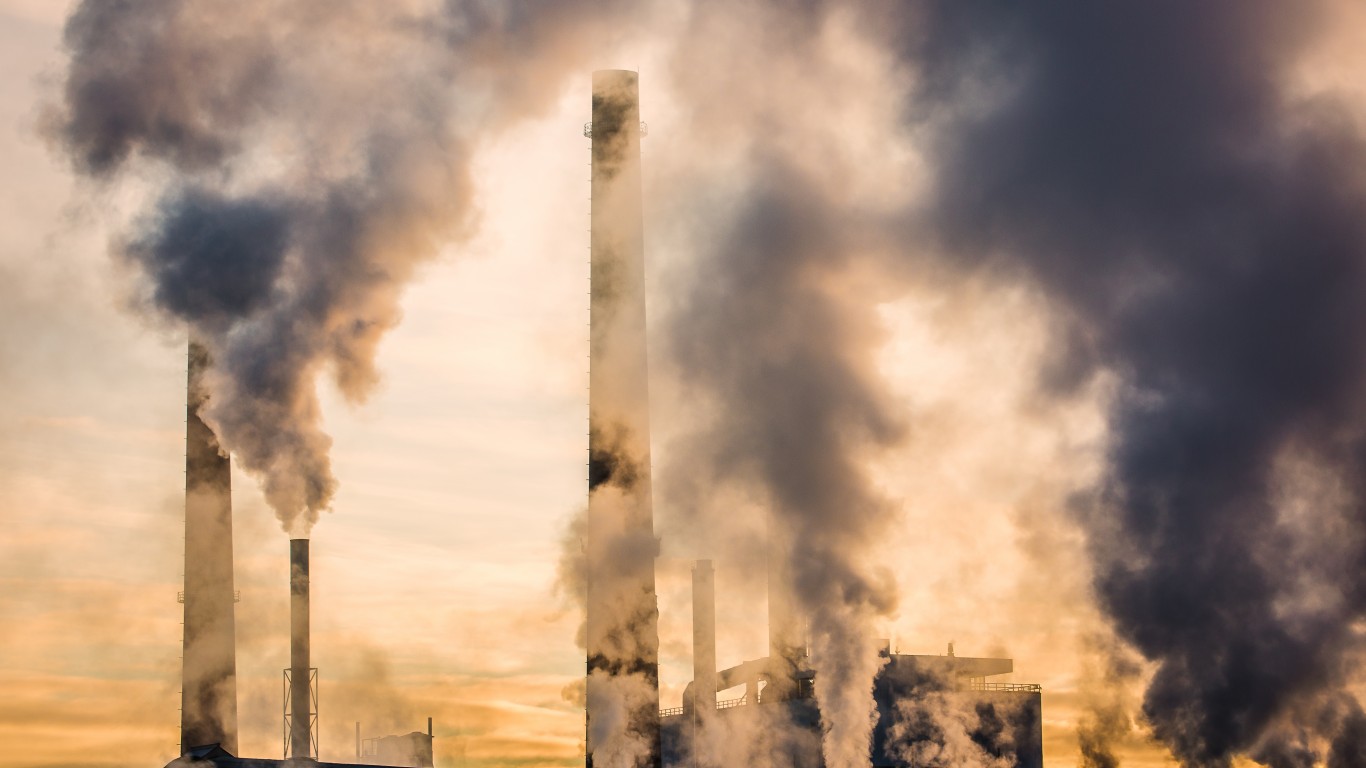
The Canadian researchers didn’t explain the role of trees in longevity. However, as noted in a paper called “Air pollution removal by urban trees and shrubs in the United States,” written by scientists from the USDA Forest Service and published in the journal Urban Forestry & Urban Greening in 2006, “[U]rban trees and shrubs… offer the ability to remove significant amounts of air pollutants and consequently improve environmental quality and human health.” Worldwide, air pollution kills somebody every 5 seconds.
The Ryerson study points out that wealthy neighborhoods are likely to have greater tree cover than poorer ones and that those situated near industrial areas have both more pollution and fewer trees.
The study did reveal some anomalies: Large suburbs had lower premature mortality rates than downtown areas despite higher pollution levels — and some neighborhoods along the shores of Lake Ontario showed average mortality rates despite good tree cover, extensive green spaces, and normal pollution levels.
“We need to collect more air quality data…,” said the study’s other author, Environmental Applied Science and Management graduate student Luckrezia Awuor. “We also need more extensive environmental policies for better tree cover and greener spaces.”
Together with new approaches to promoting cancer screening programs in lower income neighbourhoods, she said, these measures would improve the lifespan of all Toronto residents — especially “visible minorities and Indigenous people, who tend to live in the least green and most polluted neighbourhoods.”
With the exception of the last two years, life expectancy in the United States has generally been increasing. In some states it increased by just three years since 1980, and by as much as nine years in others. These are the states where people live the longest.











 Top Gaining Stocks
 Top Losing Stocks