


Imagine that if an aspirin did not get rid of you headache. And, the company that made the pain killer gave you your money back.
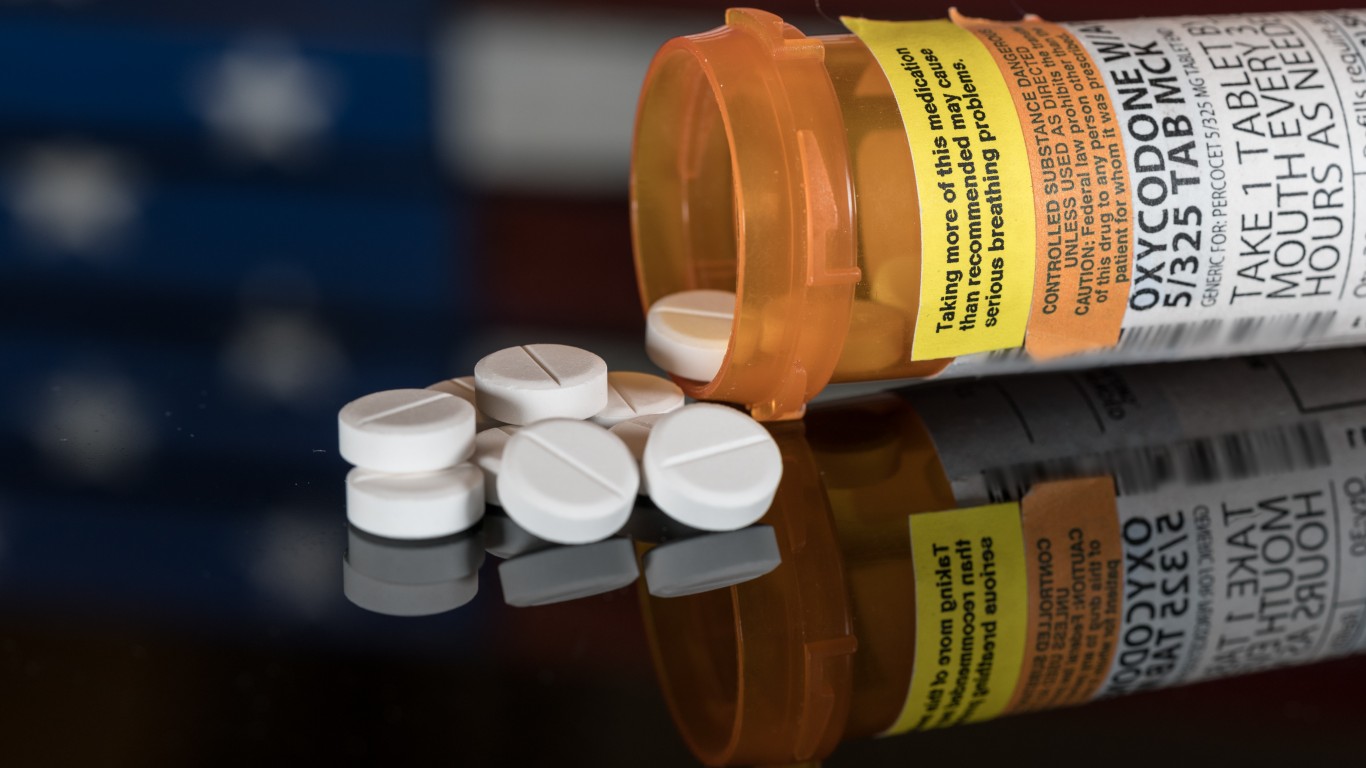
A new proposal by Johnson & Johnson (JNJ) is for the company to provide its cancer drug Velcade on the basis that if it does not shrink tumors, the money for the treatment would be refunded. According to The New York Times, Velcade costs $48,000 per patient. The paper says that Big Pharma company GlaxoSmithKline (GSK) is looking into similar arrangements in other countries in Europe.
In an age where more and more health care is controlled by governments and health management organizations, the practice could have far-reaching implications. The overall goal of those who control health care is to drive costs down. The criticism of the movement is that it can deny patients essential care.
Payment by results could offer both sides of the debate some relief.
It could also offer Big Pharma the chance to lobby for a change to its most vexing threat–generics. When drugs go "off patent", they are often become the preferred alternative based solely on price. These generic drugs are made by companies that do not have the R&D expenses of the firms that created and tested them. Big Pharma puts billions into R&D. And, this ofter creates drugs that bring in billions in revenue. But, eventually, those drugs find competition in the form of generic versions.
Big Pharma may want to broker a deal. Pay us for medical results. We will take the financial risks of R&D and for the efficacy of the treatments. In exchange, let us keep the income from what works instead of eventually turning it over to lower-cost competitors.
A construct like that could spur R&D and save money for patients and those who insure them.
As we are entering an increasingly dangerous world of multi-drug resistant pathogens (e.g. tuberculosis, antibiotic resistant staph) and new diseases (e.g. avian flu, SARS, ebola) requiring huge expense to create vaccines and treatment, the public will suffer unless there are incentives for Big Pharma to take on additional risk.
Douglas A. McIntyre can be reached at [email protected]. He does not own securities in companies that he writes about.








 Top Gaining Stocks
 Top Losing Stocks