


 The assault on Big Pharma shows no signs of letting up.
AARP today released a survey showing that retail prices of brand name drugs rose an astounding 8 percent in 2009. Another report presented at the recent American Sociological Association annual meeting argued that about 85 percent of new drugs offer “few if any new benefits.” Officials at the Pharmaceutical Research and Manufacturers of America (PhRMA), the industry’s main lobbying arm, attacked both studies as misleading.
The advocacy group for seniors failed to consider the growing use of cheaper generic drugs, which now account for 75 percent of all dispensed drugs, industry officials told the New York Times. A broader survey of drug prices shows they rose by 3.4 percent in 2009, the paper says. That might not help the industry’s case since inflation averaged a negative 0.34 percent last year. July’s figures was 1.24 percent.
AARP estimates the following increases on popular drugs
- Bristol-Myers Squibb’s Plavix–—8.8 percent;
- Takeda’s Prevacid — 7 percent;
- Wyeth’s Protonics — 6.8 percent;
- AstraZeneca’s Nexium –6 percent;
- Pfizer’s Lipitor — 4.1 percent
In response to the sociology paper, PhRMA mounted a spirited defense of the benefits of new drugs, arguing that the 300 new drugs approved by the Food & Drug Administration in the past decade have saved countless lives. The industry spent about $65.3 billion in 2009 on research and development, dwarfing the estimated $20.5 billion it spent on promotional activities in 2008.
That doesn’t answer the question raised by the study’s author, who argues that the FDA’s approval process is too lenient.
“Sometimes drug companies hide or downplay information about serious side effects of new drugs and overstate the drugs’ benefits,” said Donald Light, a professor of comparative health policy at the University of Medicine and Dentistry of New Jersey, in a press release. “Then, they spend two to three times more on marketing than on research to persuade doctors to prescribe these new drugs.”
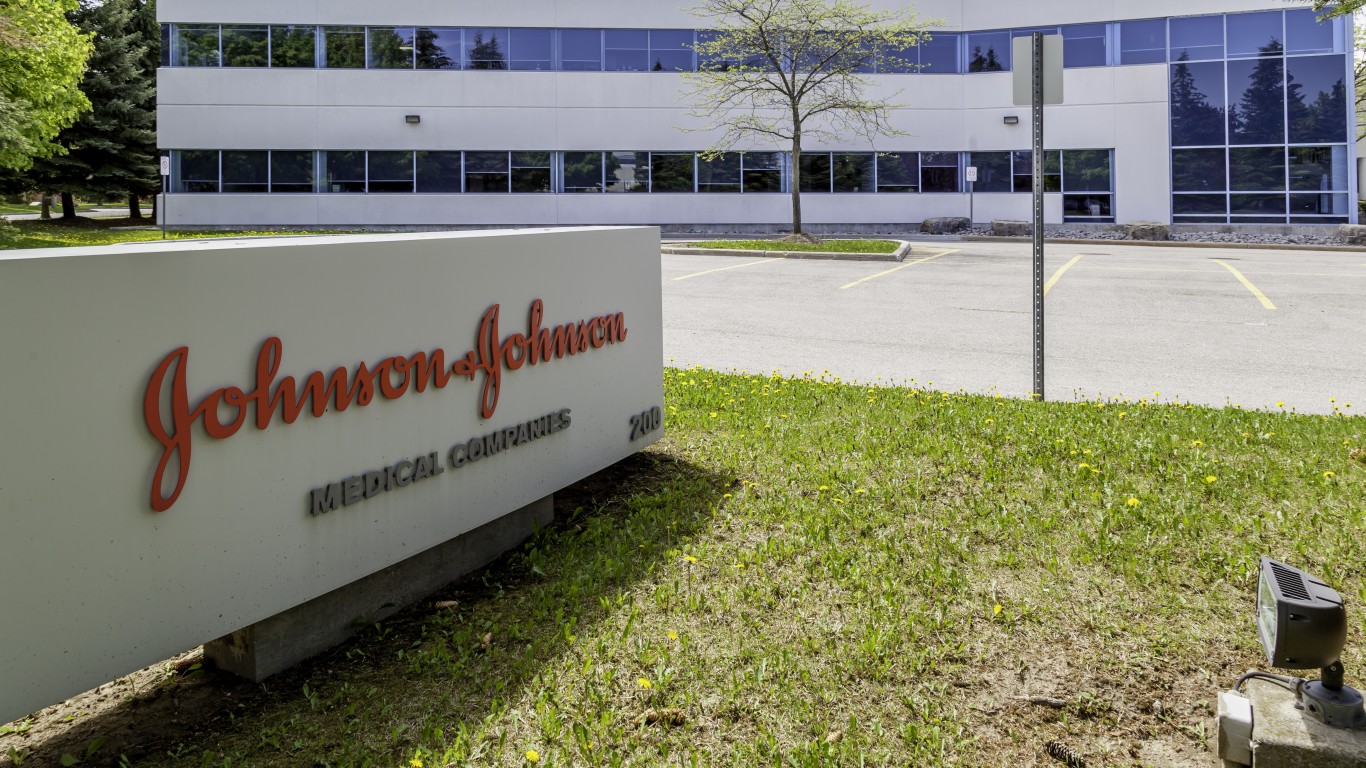
For now, investors seem to believe that the industry’s critics are starting to gain a following. Many are also angry about the many blockbusters that fizzled such as Avandia and Avastin after companies were accused of hiding information about potentially harmful side effects Shares of GlaxoSmithKline Plc (NYSE:GSK), Johnson & Johnson (NYSE:JNJ) and Pfizer Inc. (NYSE:PFE) are down by double digits this year. Merk & Co. (NYSE:MRK) is off about 7 percent.
The pharma sector will be in Wall Street’s doghouse for some time.
–Jonathan Berr






 Top Gaining Stocks
 Top Losing Stocks