


 Investors may be giddy with delight over last night’s decisive Republican victory in the midterm elections. But a reality check is in order.
Marco Rubio, the new Republican Senator-elect from Florida, pointed out voters may have rejected the Obama Administration’s policies but they did not embrace the GOP. Wall Street is not held in high esteem either. Thanks to the Tea Party movement, voters are angry and want Congress to do something — anything really — to improve the economy. Here are some reasons why people may be expecting too much too soon:
1) President Obama — Though voters rejected his platform and his party lost control of the House of Representatives, Barack Obama is still the President of the United States. He has not vetoed any legislation yet but that could easily change after January, particularly if the GOP tries to repeal his signature bills such as Health Care Reform. Obama may try to bide his time and hope that the economy improves and support for his policies grows. It may work. Remember that Harry Truman was able to win re-election in 1948 by running against the “do-nothing” Congress. Bill Clinton was re-elected in 1996 even though Republicans controlled both Houses of Congress.
2) How Washington Works — Getting things done in Washington requires the tenacity of a prize-fighter and the patience of a saint. The newly elected Tea Partiers are great at fighting but are showing little interest in wanting to forge alliances with Democrats, a necessity to get anything done. It will be interesting to see if the presumptive Speaker John Boehner (R-OH) and expected Senate Majority Leader Mitch McConnell can strike bipartisan agreements for the good of the country. If they don’t, the House can pass all the grand economic plans that it wants but they will wind up languishing in the Democratic-controlled Senate. Moreover, the Senate moves at glacial pace even during the best of times because of the need for 60 votes to overcome a filibuster. A crucial test for bipartisanship will come from the upcoming vote on raising the debt ceiling. Financial markets will be thrown into chaos if that doesn’t happen. Republicans, though, may be reluctant to vote for it given voters’ heightened concern about the issue.
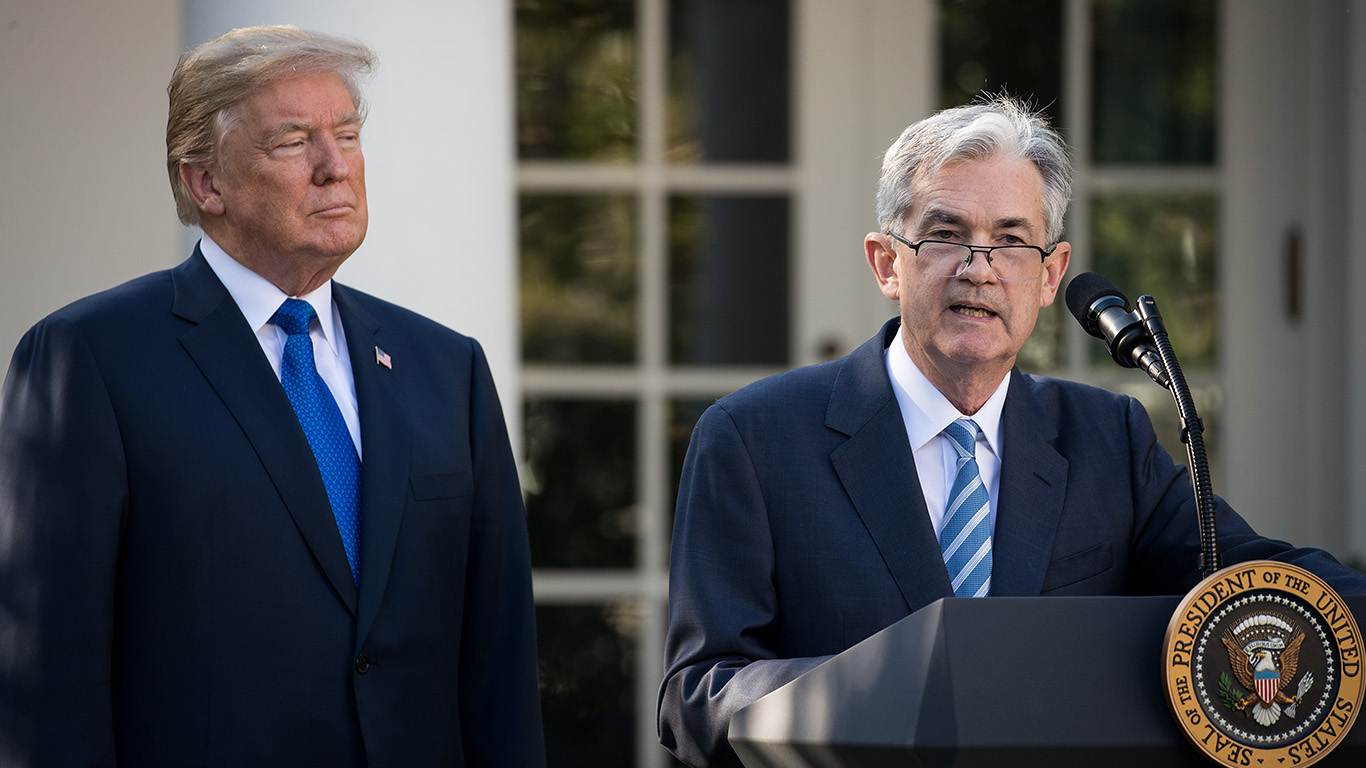
3) Turning the economy around — The economy will be a basket case for the next few years. Earlier this year, Obama advisors estimated that the unemployment rate would drop to 8.2 percent by 2012 and stay above 6 percent until 2015. The federal budget deficit was about $1.3 trillion in fiscal year 2010, which believe it not is $125 billion less than the shortfall recorded in 2009. Tea Partiers are calling for massive cuts in federal spending and taxes. They are calling for greater transparency from the Federal Reserve That’s not going to be easy to accomplish. Cutting too much or the wrong programs could backfire. For instance, it is far cheaper to treat a drug addict rather than imprison them. Canceling big defense programs could lead to massive layoffs and add to the ranks needing government help. As for the Fed, Chairman Ben Bernancke and the rest of the governors are supposed to be protected from political pressure. They won’t give up their prerogatives either.
The message last night from voters was that they want change. Unfortunately, they did not provide members of Congress any magic wands to make it happen.
–Jonathan Berr






 Top Gaining Stocks
 Top Losing Stocks